





 Portuguese
  English
  Spanish
  4 min of reading
  0 comments


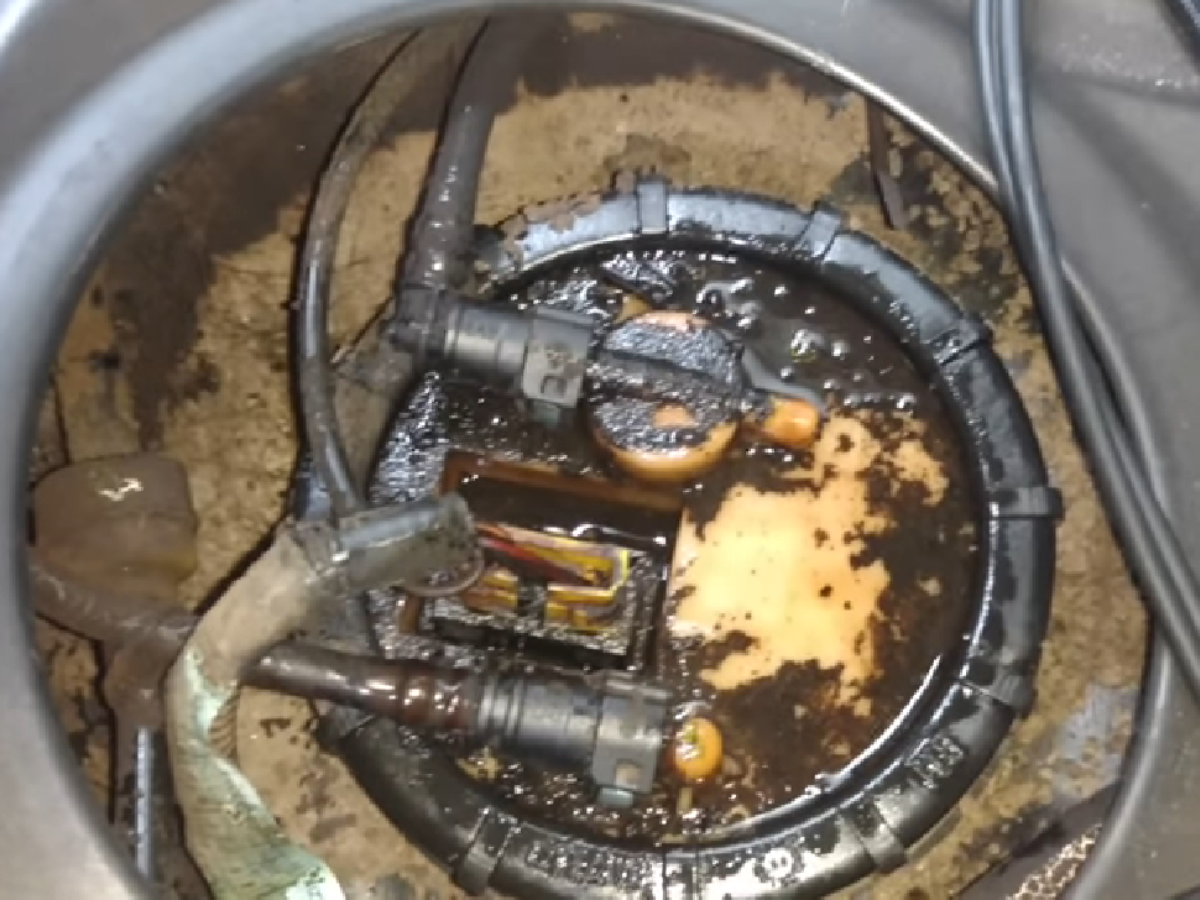
Understand Why Your Car May Have a Smell of Gasoline, When to Worry and How to Act to Ensure Your Safety and That of the Vehicle.
Noticing a smell of gasoline inside the car is a situation that is rarely considered normal. Often, this penetrating odor serves as a warning sign for problems that can range from minor inconveniences to critical dangers. Given the high flammability of gasoline, any fuel odor deserves careful investigation and should not be ignored.
To clarify the circumstances in which the smell of gasoline may be a benign occurrence, we will detail the most common causes for its appearance, the risks involved, and the emergency measures and prevention that every driver should know.
Is the Smell of Gasoline Always a Problem? “Normal” and Transitory Situations
There are few situations in which noticing a smell of gasoline inside the car is acceptable, and they are generally limited and temporary. The most common is immediately after refueling, when vapors can enter the cabin, especially with open windows. This odor should quickly dissipate.
-
A couple buys an old chalet, breaks the kitchen floor for renovation, and finds over a thousand coins of gold and silver hidden since the English Civil War over 4 centuries ago.

-
Rigid bags with their days numbered: new trend prioritizes comfort in 2026.

-
YouTuber creates an excavator equipped with a giant 4.5-meter sword to challenge his brother to a rematch, and the invention quickly goes viral on social media.

-
The U.S. Army surprises the world by presenting the UH-60MX Black Hawk helicopter capable of flying without pilots, controlled by a tablet, featuring the MATRIX system, smart sensors, and full autonomy in real combat and rescue missions.


Small spills near the filler neck during refueling can also cause a brief smell. In such cases, clean the spill and check if the fuel cap is securely closed. However, it is vital to not normalize repeated or lasting odors, as this may mask a real problem, such as a worn fuel tank seal.
When the Smell of Gasoline in the Car Indicates Real Danger
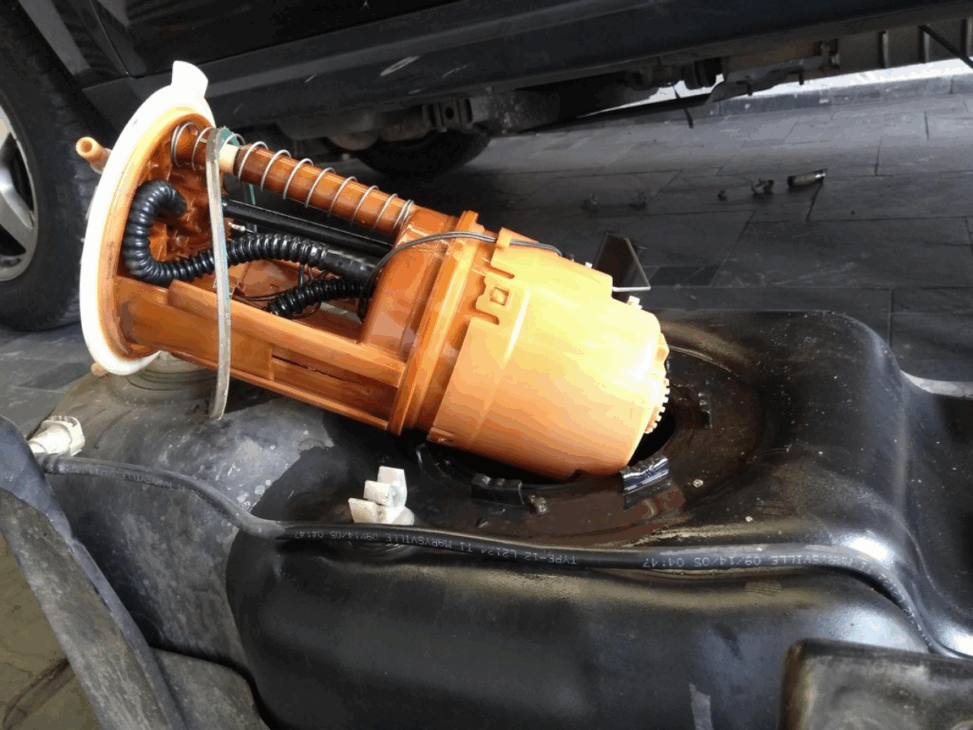
Any smell of gasoline noticed while driving, when starting the car after it has been parked, or with the vehicle stationary (and not just refueled) is a significant warning signal. A strong and constant odor usually indicates a leak or a more serious issue in the fuel system.
While a more intense smell may suggest a bigger problem, even a mild but persistent odor should not be ignored, as it may be an early sign of a serious failure. It’s important to remember that not all dangerous leaks will produce an overwhelming smell immediately, especially in well-insulated cars or if the leak is external but close to heat sources.
The Most Common Causes of the Smell of Gasoline
Fuel Tank and Cap: Cracks in the tank (plastic or corroded metal) can cause direct leaks. A missing, loose, or worn fuel cap allows vapor escape. Overfilling can also lead to problems.
Fuel Lines, Hoses, and Filter: Over time, fuel lines and hoses can degrade, crack, or come loose, causing dangerous leaks, especially near the hot engine. A damaged or poorly installed fuel filter can also leak.
Fuel Pump and EVAP System: Worn seals on the fuel pump, typically located in the tank, can allow fuel or vapor escape. Failures in the Evaporative Emission Control System (EVAP), such as a cracked charcoal canister or defective valves, release fuel vapors, often triggering the “Check Engine” light.
Injection System, Cold Start, and Exhaust: Injectors leaking at the sealing rings (O-rings) can drip fuel onto the hot engine. In flex-fuel cars, the cold start reservoir (gasoline tank) can crack or its hoses may leak. An engine running rich can release unburned fuel through the exhaust, generating odor.
The Risks of Ignoring the Smell of Gasoline
Ignoring the smell of gasoline can have serious consequences. Gasoline is highly volatile and its vapors are extremely flammable. A small leak can create a dangerous environment, with a high risk of fire or explosion if the vapors encounter an ignition source, such as hot engine components or electrical sparks.
In addition to the fire risk, gasoline vapors are toxic. Inhalation can cause dizziness, headaches, nausea, and irritation. Prolonged exposure to these vapors, which contain substances like benzene (carcinogenic), can lead to organ damage and chronic respiratory problems. These dangers are amplified in enclosed spaces, such as the car cabin or a garage.
Smelled Smell of Gasoline? Emergency Protocol and Prevention Tips


If you smell a strong smell of gasoline, act quickly:
- Signal and stop the vehicle immediately in a safe location, away from traffic and ignition sources.
- Turn off the engine to cut off the fuel supply.
- Do not smoke or use open flames near the car.
- All occupants should exit the vehicle and move away.
- If safe, open doors and windows to ventilate the cabin.
- Call for professional help (assistance or mechanic). Do not attempt to drive the car.
The best way to avoid the smell of gasoline is through preventive maintenance. Regular inspections of fuel lines and hoses, filters, caps, and fuel tanks, pumps, and EVAP systems are crucial. Replace worn components according to the manufacturer’s schedule. Being alert to small odors, changes in consumption, or warning lights on the dashboard can prevent bigger problems.








Seja o primeiro a reagir!