





 Portuguese
  English
  Spanish
  5 min of reading
  0 comments


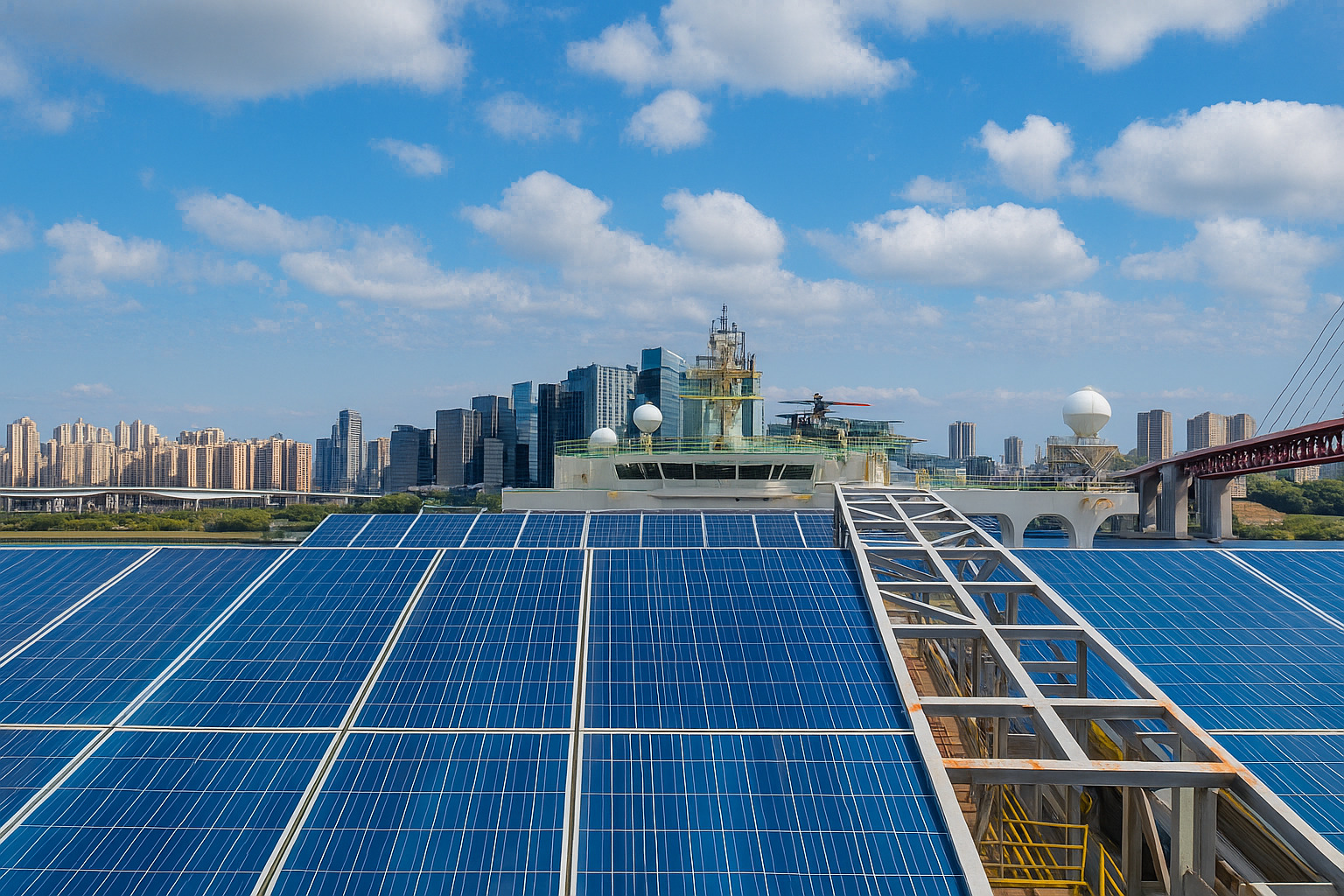
Discover How Solar Energy in Brazil Is Growing Rapidly, Bringing Environmental Benefits, but Also Exposing Financial Risks and Stability Issues to the Electrical System.
Solar energy in Brazil has become, in just over a decade, one of the pillars of the energy transition. On one hand, it has brought the promise of a cleaner future, with less dependence on fossil fuels and lower costs on electricity bills.
On the other hand, the accelerated growth also reveals weaknesses in the system and sparks discussions about financial impacts and energy security.
On last Father’s Day, for example, Brazil nearly faced a blackout of large proportions. This occurred because distributed micro and mini-generation (MMGD), especially from solar energy, caused a overload on the national electrical system.
-
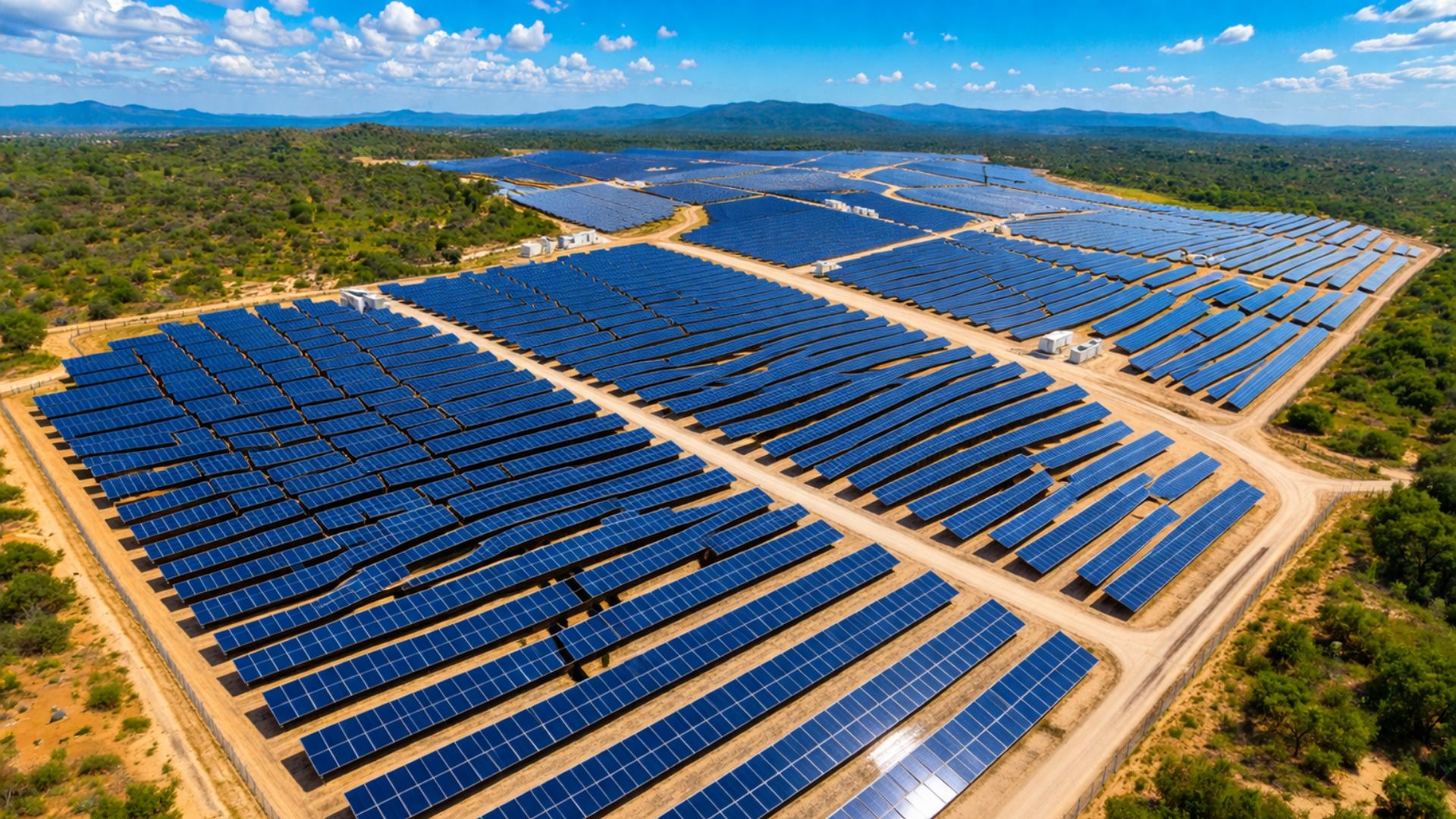
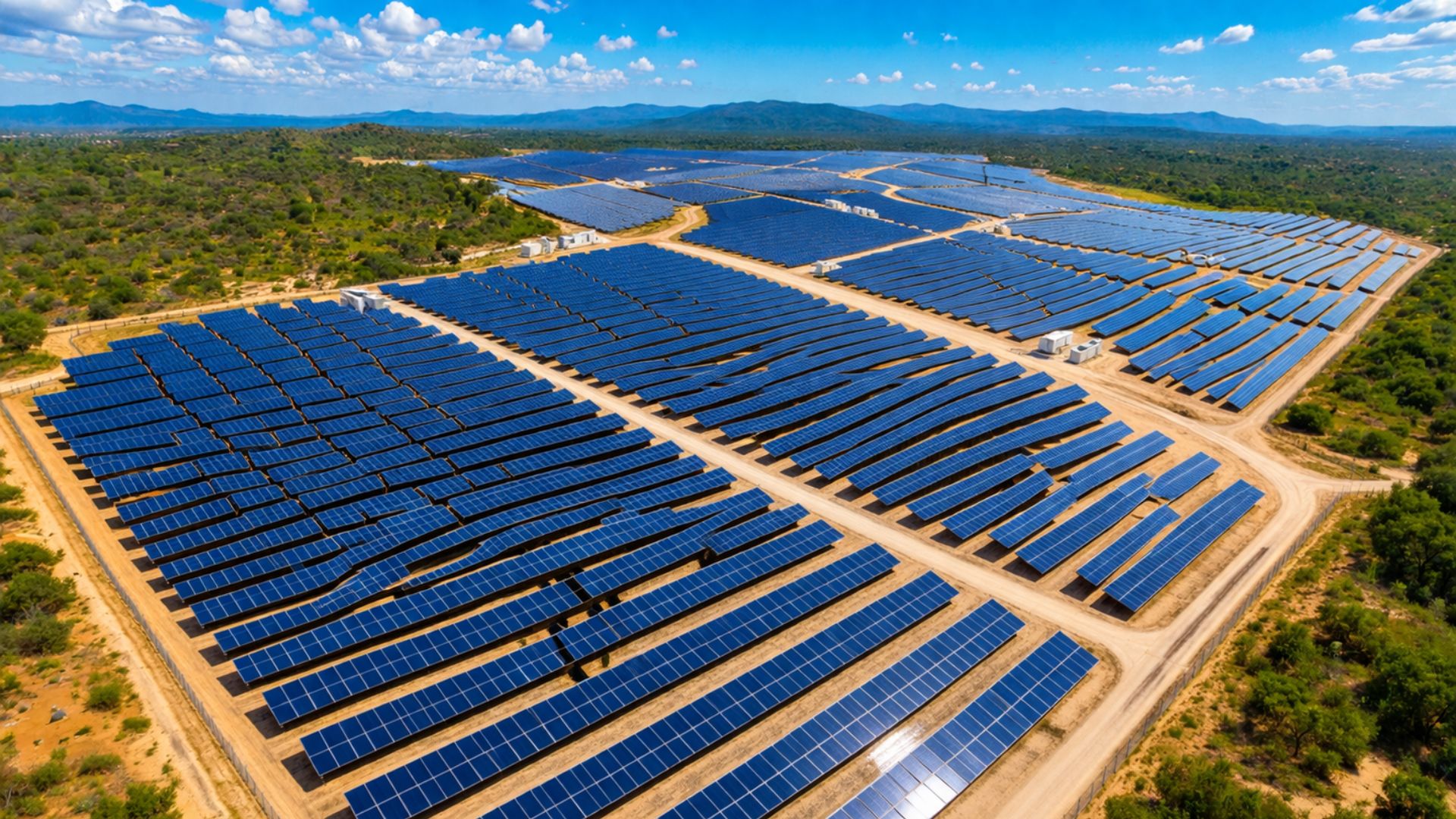
The Sol do Agreste Photovoltaic Complex begins operations in Pernambuco and accelerates the expansion of solar energy in Brazil, directly impacting the reduction of emissions and strengthening the sustainable energy matrix.
-
The Sol do Agreste Photovoltaic Complex begins operations in Pernambuco and accelerates the expansion of solar energy in Brazil, directly impacting the reduction of emissions and strengthening the sustainable energy matrix.
-
Roraima bets on the sun to escape high tariffs: Amid the energy crisis and price hikes, solar energy is growing in Roraima and transforming consumption in the North region.
-
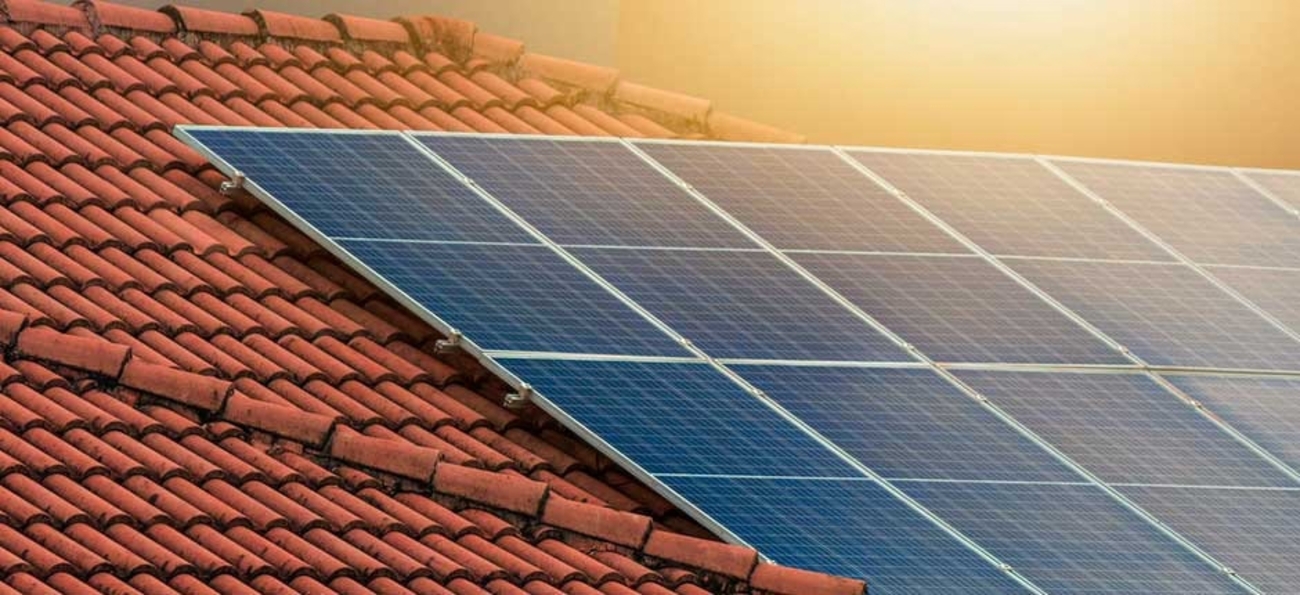
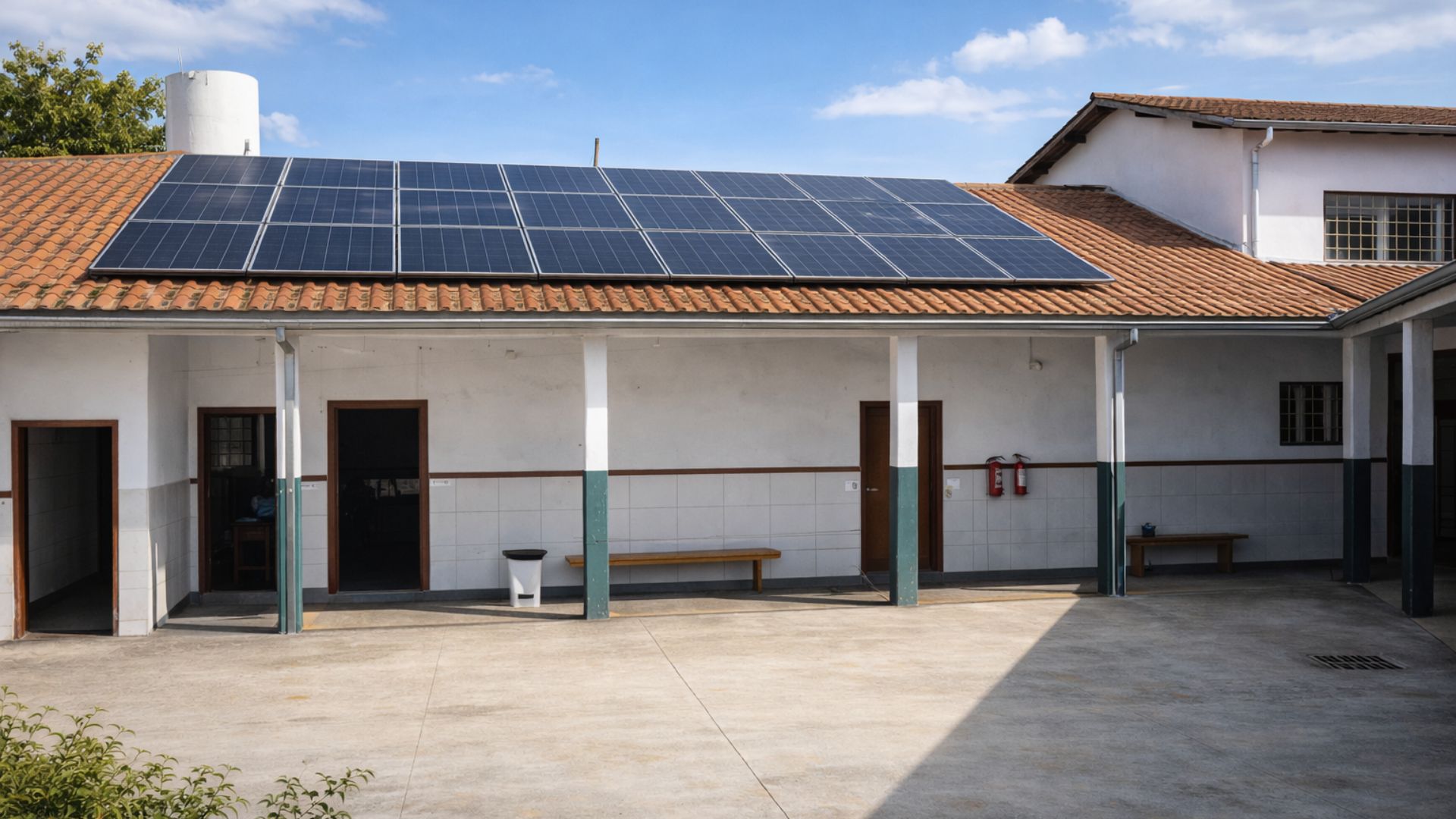
Copel boosts solar energy in Paraná and brings innovation to public schools, promoting savings on electricity bills, energy efficiency, and a direct impact on the quality of education.

As a consequence, the National System Operator (ONS) had to shut down almost all centralized wind and solar plants, maintaining only a minimal margin of maneuver. Thus, the episode served as a warning: while positive, the unordered expansion of solar energy in Brazil can put the stability of the electrical grid at risk.
A Historical Look at the Brazilian Energy Matrix
Throughout history, the Brazilian energy matrix has always sought to balance expansion and reliability. Since the 1970s, with the construction of large hydropower plants, Brazil has had a renewable source that met most of the internal demand.
Although this model had relevant environmental impacts, it ensured cheap and stable energy for decades.
However, from the 2000s onwards, water crises and the need for diversification opened the way for new energy sources. Among them, wind and solar began to gain prominence.
In this context, solar energy in Brazil, previously seen as expensive and inaccessible, became feasible due to the decrease in the price of photovoltaic panels, regulatory incentives, and easier access to financing.
However, this advancement also showed limits when it occurred without technical coordination. Since the electrical system needs to operate like a living organism, where each source balances with the others, excess distributed generation during low-demand periods causes overloads on the grid.
Thus, millions of small solar generators, by injecting energy at the same time, end up making the grid more vulnerable.
Infrastructure Challenges and Economic Impacts
While some argue that the solution lies in building more transmission lines, reality shows that simply reinforcing the infrastructure does not address the central issue.
This happens because distributed solar energy, unlike large plants, lacks sophisticated control mechanisms for frequency and stability. Therefore, even if new lines were built, the vulnerability of the system would remain.
Moreover, the cost of these projects would fall on all consumers, including those who do not have solar panels.
For this reason, the current model generates distortions, expanding inequalities, as those who cannot invest in their own generation end up indirectly paying for those who can.
Another relevant point involves the financial impact on energy distributors. The compensation model, which allows consumers to inject excess energy and receive credits, reduces the revenue of companies responsible for the maintenance of the electrical grid.
However, the fixed costs of operation and expansion continue to exist.
As a consequence, these costs fall on an increasingly smaller group of consumers who do not produce their own energy. Therefore, tariffs increase, primarily affecting Brazilians with lower purchasing power.
This imbalance also compromises the planning capacity of the sector.
If the expansion of solar energy in Brazil continues to accelerate without new regulatory mechanisms, distributors will face challenges in investing in modernization.
Without adequate resources, the electrical grid cannot adapt, and the stability of the system is at risk.
Lessons from the Past and Other Countries
If we look to the past, we will see that Brazil has already faced similar energy dilemmas in its trajectory.
In the 20th century, for example, the challenge involved bringing electricity to remote areas, which required large investments in transmission and hydropower plants.
Today, however, the question is how to integrate millions of small solar generators in a safe, fair, and sustainable manner.
In light of this scenario, experts argue that the country should not slow down the advancement of solar energy, but rather create modern rules.
For this, it is essential to establish technical criteria, such as limits for energy injection, requirements for battery storage, and incentives for the smart use of electricity.
With this approach, it becomes possible to prevent crises in the system similar to those already recorded.
International experiences help illustrate this path.
In Germany, for example, the rapid expansion of solar energy forced the government to reform regulations, creating differentiated subsidies and integration policies with the grid.
In the United States, some regions implemented specific tariffs for consumers with their own generation, balancing individual and collective benefits.
In these countries, the growth of solar energy was also supported by the advancement of storage batteries.
As a result, energy storage reduced overload risks and allowed for better utilization of generation during peak consumption times.
For this reason, Brazil needs to invest in this field, offering tax incentives and promoting research and technological innovation.
The Future of Solar Energy in Brazil
For a country of continental dimensions, discussing the future of solar energy in Brazil is urgent. This is because the source has the potential to establish itself as one of the world’s main energy sources.
However, reaching this level depends on consistent public policies.
The energy transition must ensure electric security while also promoting social justice.
The benefits of solar energy remain clear: it reduces dependence on polluting sources, creates jobs, boosts the national industry, and increases access to self-generation.
However, without adequate planning, the promising solution can turn into a structural problem.
The episode of the near blackout on Father’s Day serves, therefore, as a warning and also as an opportunity for change.
If Brazil learns from this experience, it can build a solid model, integrating solar energy in a responsible and safe way.
In this process, technological innovation, efficient regulation, and collective responsibility must move together.
This future also depends on the formation of qualified professionals.
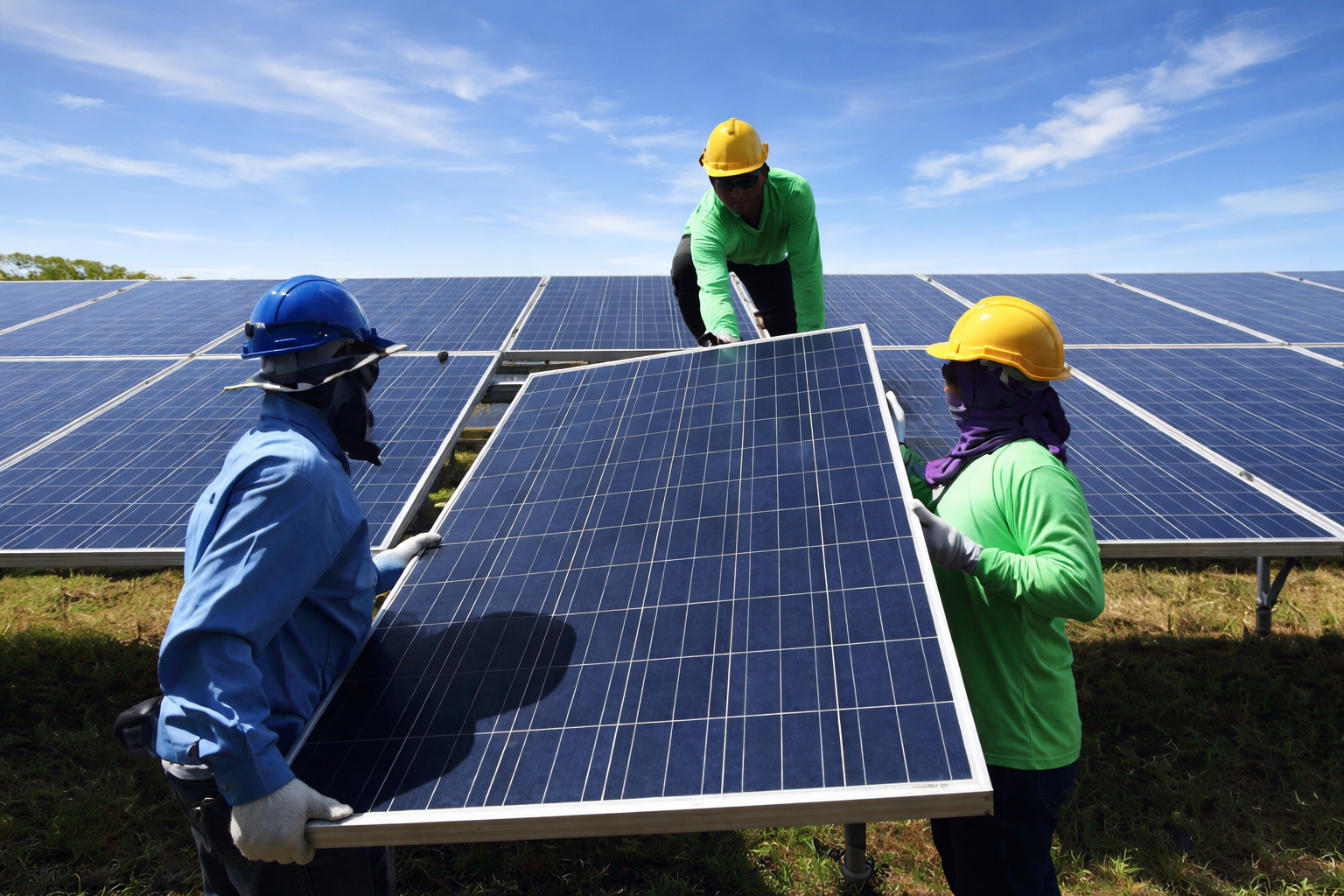
The solar energy sector in Brazil is already creating thousands of jobs, but it needs specialized labor for more complex installations and battery integration.
For this reason, investing in technical education and scientific research becomes essential.
With this effort, the country can not only keep pace with the solar revolution but also lead part of it.
Challenge or Opportunity?
Solar energy in Brazil should not be seen as a villain, but rather as a challenge that requires commitment.
After all, the energy transition is inevitable, but it cannot occur in a makeshift manner.
In this sense, the balance between technological advancement, grid stability, and social justice must guide the next decisions.
If this process is conducted well, Brazil will not only avoid future crises but can also become a world reference in clean energy.
Thus, it will be possible to transform the abundance of sunlight into shared prosperity, ensuring real and lasting benefits for all of society.









Seja o primeiro a reagir!