





 Portuguese
  English
  Spanish
  4 min of reading
  132 comments


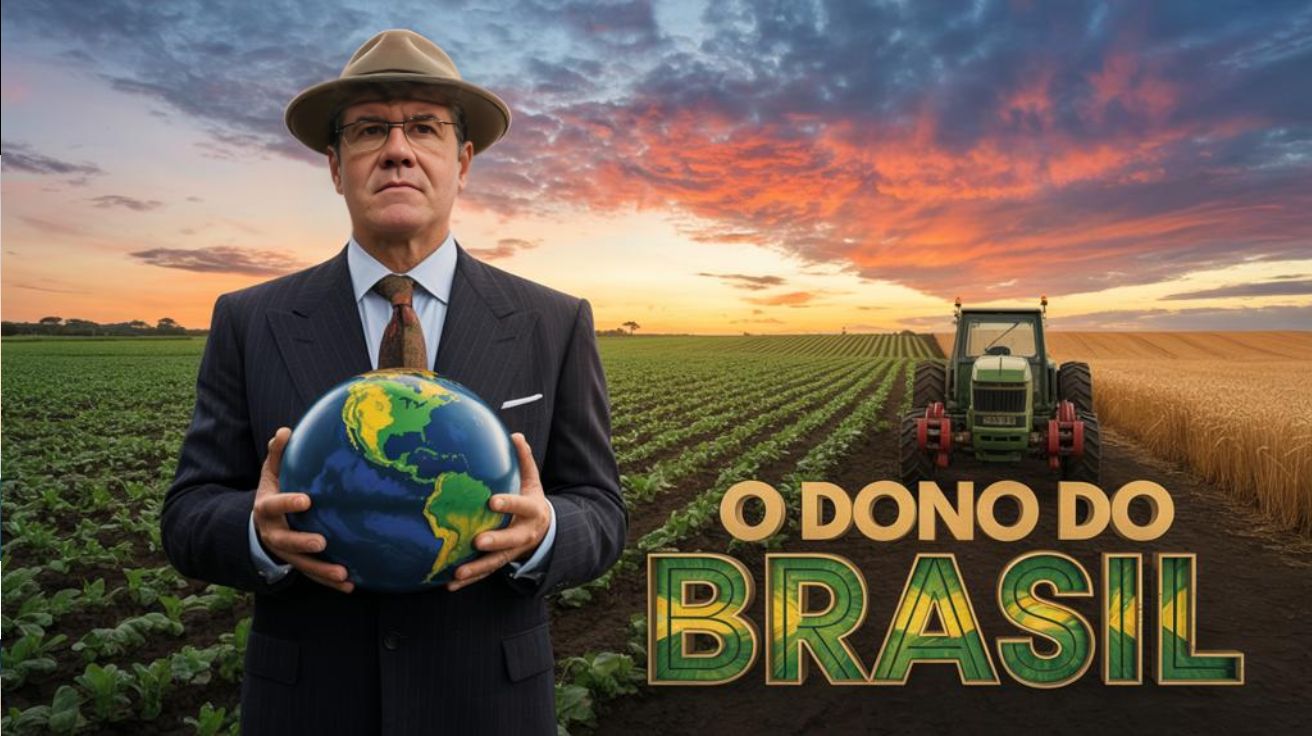


He Leads an Agricultural Empire of 1.3 Million Hectares, with Businesses That Impact Agribusiness, Energy, Logistics, and the Brazilian Economy in a Unique and Surprising Way.
Rubens Ometto Silveira Mello, 75 years old, is one of the most influential figures in Brazilian agribusiness.
Controller of Cosan, a conglomerate with a strong presence in strategic sectors such as energy, logistics, and fuels, Ometto manages a vast agricultural empire that spans approximately 1.3 million hectares across various regions of Brazil.
This area is equivalent to more than 12 cities the size of São Paulo and reflects not only the strength of his business but also the impact of Brazilian agribusiness on the national and global economy.
-
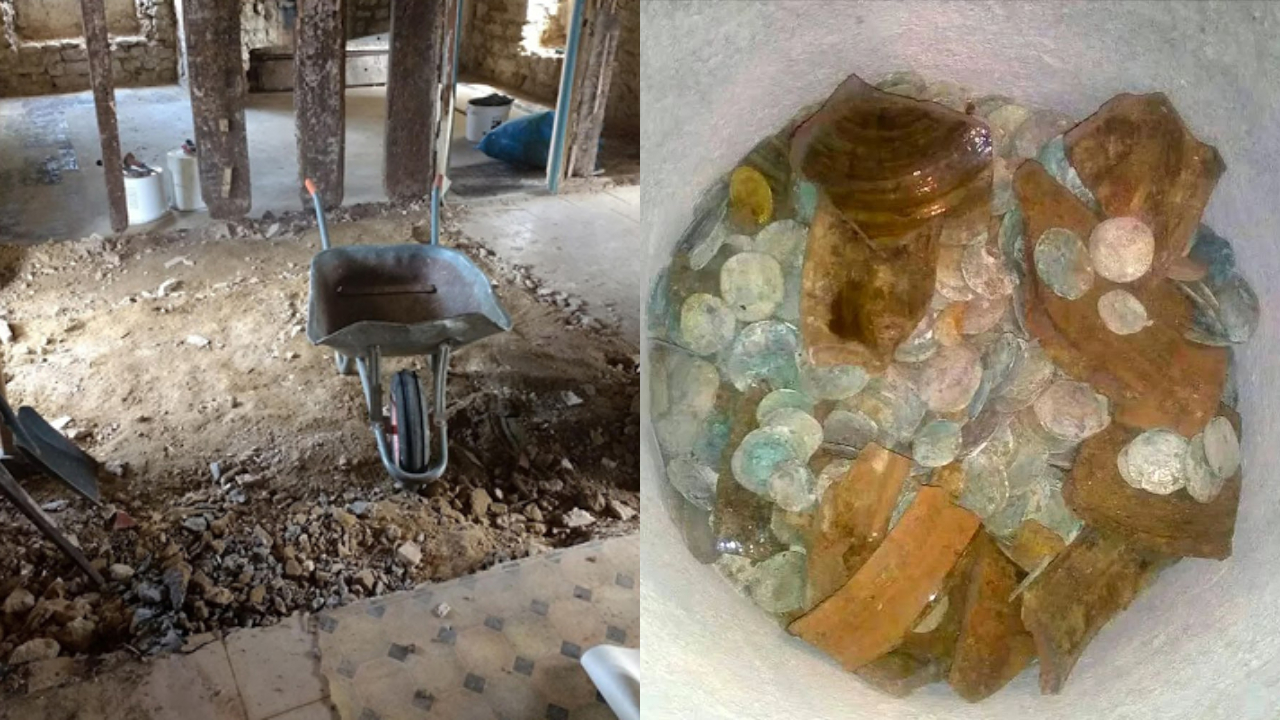
A couple buys an old chalet, breaks the kitchen floor for renovation, and finds over a thousand coins of gold and silver hidden since the English Civil War over 4 centuries ago.
-
Rigid bags with their days numbered: new trend prioritizes comfort in 2026.

-
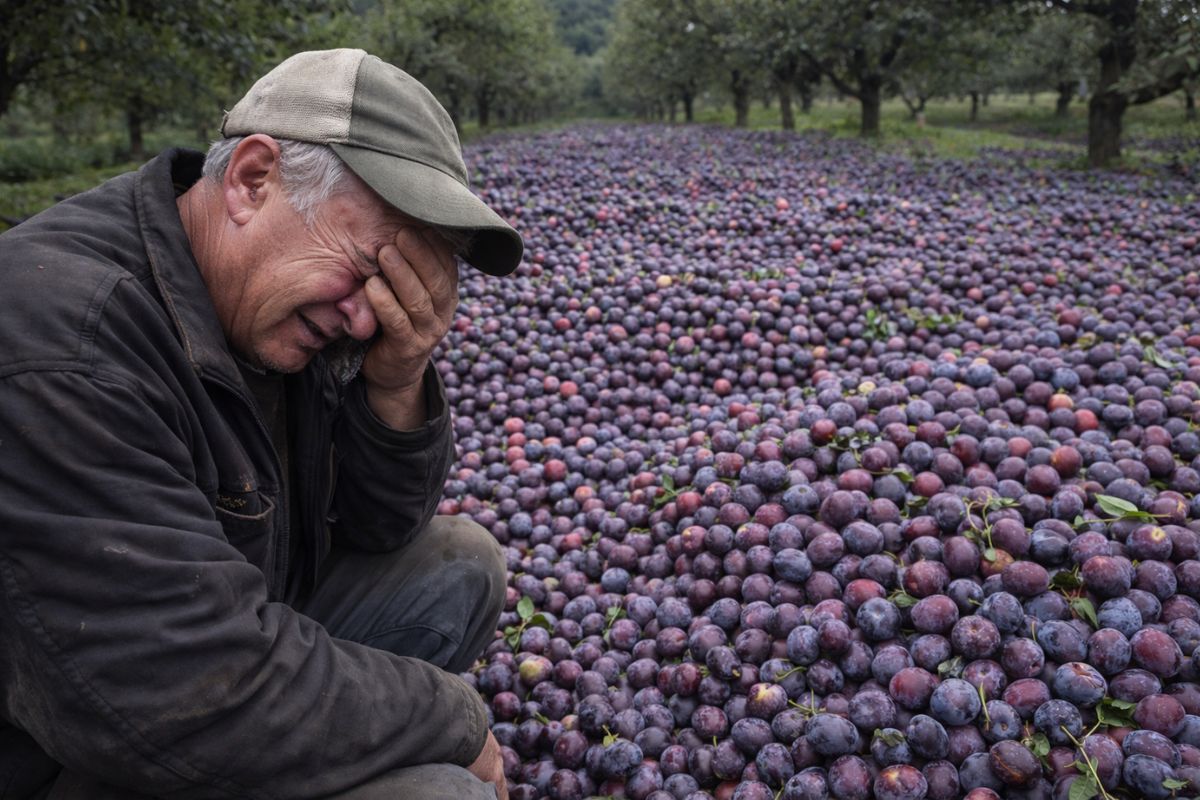
A rural producer from Urubici cries as he shows 50 tons of plums thrown on the ground because no one wanted to buy them, and in desperation, he records a video asking anyone to come to the property to pick the fruits before they rot.
-
YouTuber creates an excavator equipped with a giant 4.5-meter sword to challenge his brother to a rematch, and the invention quickly goes viral on social media.


Origins and Rise
Born in Piracicaba, in the interior of São Paulo, Rubens Ometto comes from a family with deep roots in agriculture.
He is the great-grandson of Italian immigrants who arrived in Brazil in the 19th century and began agricultural activities in the region, which is still marked by sugarcane and other crop production.
Graduated in Production Engineering from the University of São Paulo (USP), the businessman took his first steps in the financial market at Unibanco and then worked as financial director at Votorantim, where he gained valuable knowledge to manage large businesses.
In 1986, Rubens Ometto took the reins of the family business, transforming Cosan into one of the largest producers of sugar and ethanol in the country.
His visionary leadership led the company to achieve international recognition, placing it among the global leaders in the sugar-energy sector.

Expansion and Diversification
Under Rubens Ometto’s leadership, Cosan has broadened its horizons.
In 2008, the company acquired Esso’s assets in Brazil, entering the fuels distribution market.
Three years later, in 2011, it formed a joint venture with Shell, creating Raízen — now one of the largest energy companies in the country, responsible for the production of ethanol, sugar, and bioenergy.
Cosan also heavily invested in railway logistics.
The creation of Rumo Logística, now the largest railway operator in Brazil, was a milestone for expanding the flow of agricultural production and reducing costs, enhancing the competitiveness of Brazilian products in the international market.
The Empire of 1.3 Million Hectares
Rubens Ometto manages an impressive agricultural portfolio that covers approximately 1.3 million hectares across various regions of Brazil.
These lands are primarily used for sugarcane cultivation, but also host pastures, conservation areas, and, in some cases, other agricultural crops.
According to industry experts, managing this vast landholding requires negotiation skills and strategies that balance productivity and sustainability.
The businessman has sought to invest in cutting-edge agricultural technologies, such as efficient irrigation systems, the use of sustainable fertilizers, and the digitalization of operations, to ensure the competitiveness of the business in an increasingly demanding global environment.

Recent Challenges
Despite the strength of his empire, Cosan faces significant challenges.
In the fourth quarter of 2024, the company suffered a loss of R$ 9.3 billion.
This hole occurred partly due to the devaluation of Cosan’s stake in the mining company Vale and also due to weaker operational results at Raízen.
In January 2025, the company sold its 4.05% stake in Vale for about R$ 9 billion to reduce indebtedness, but Cosan’s net debt remains at high levels.
Investments in Renewable Energy
In an effort to further diversify, Cosan has heavily invested in second-generation ethanol (E2G) through Raízen, with investments totaling around R$ 9 billion.
This technology uses agricultural residues such as straw and sugarcane bagasse, but profitability has been challenging.
Ometto himself recently admitted that the company is “struggling and paying for it,” highlighting the difficulties in obtaining consistent financial returns in this sector.

Divestment and Adjustment Strategies
To balance the accounts and ensure long-term sustainability, Ometto announced a divestment plan.
He intends to sell some sugar and ethanol mills in Mato Grosso do Sul, in addition to evaluating the disposal of non-strategic assets, such as the refinery and fuel stations of Raízen in Argentina and the port of São Luís in Maranhão.
These adjustments aim to focus operations on more profitable assets that contribute to the company’s financial health.
Criticism of Economic Policy
The businessman has taken a critical stance towards the Brazilian macroeconomic environment.
For him, the high-interest rates, currently among the highest in the world, discourage productive investments.
He often states that in an environment of such high interest rates, many entrepreneurs prefer to allocate financial resources to safer investments rather than betting on expansion and innovation projects.


Recognition and Influence
Rubens Ometto also holds significant political and social influence.
In addition to his role in agribusiness, the owner of the agricultural empire has dedicated himself to philanthropic causes.
In 2022, he donated R$ 4 million to the NGO Gerando Falcões, which works to combat hunger and transform vulnerable communities.
In 2024, Rubens Ometto was awarded the Ciccillo Matarazzo Prize, granted in Italy, in recognition of his contribution to strengthening agribusiness and preserving his Italian roots.
The businessman continues to lead his agricultural empire and Cosan, seeking solutions that ensure the competitiveness of national agribusiness and the financial sustainability of the group.
And you, do you believe that Rubens Ometto’s decisions will further boost Brazilian agribusiness or do they pose a risk for Cosan’s future? Share your opinion in the comments!





Esse modelo está perto de acontecer. O Brasil é um país que respeita a Soberania dos demais em todos os continentes e não usa capital para financiar Guerras, não precimos disso. Somos auto Sustentável e com potencial Gigante . Com visão de Gestores e não administradores apenas com fins lucrativos a qualquer custo. Podemos crescer e desenvolver com parcerias e trocas de tecnologias com simples acordos Bilaterais. Materiais Raros e diversificado temos para nossa auto suficiência e o sobressalente na produtividade para alianças Comerciais Justas e de ganho real igualitário.
Vai sentir na sua balança comercial assim que os países aliados aos BRICs entrarem com o novo formato de comércio com moeda de valor 1 por 1. Não do modelo atual onde o Real vale 5,6por 1 Dólar.
Não podemos mais acertar ser reféns das moedas mais fortes e um insano que implanta um tarifação num momento econômico mundial instável.