





 Portuguese
  English
  Spanish
  4 min of reading
  77 comments





The Brazilian Agriculture Is Led by Giants. Beyond Producing Soy, Sugarcane, and Cotton, These Companies Transform the Sector with Innovation and Efficiency. Discover the Details of the Largest Farms in the Country and Be Surprised by Their Grandiosity.
Brazil is one of the largest food exporters in the world, and this prominent position is due to a select group of entrepreneurs who control extensive areas of land and move billions of reais.
These giants of agriculture not only produce on a large scale but also influence public policies and international markets.
In this ranking, based on data from the channel Mundo do Agro, we explore the stories, numbers, and curiosities about the largest farmers in Brazil.
-
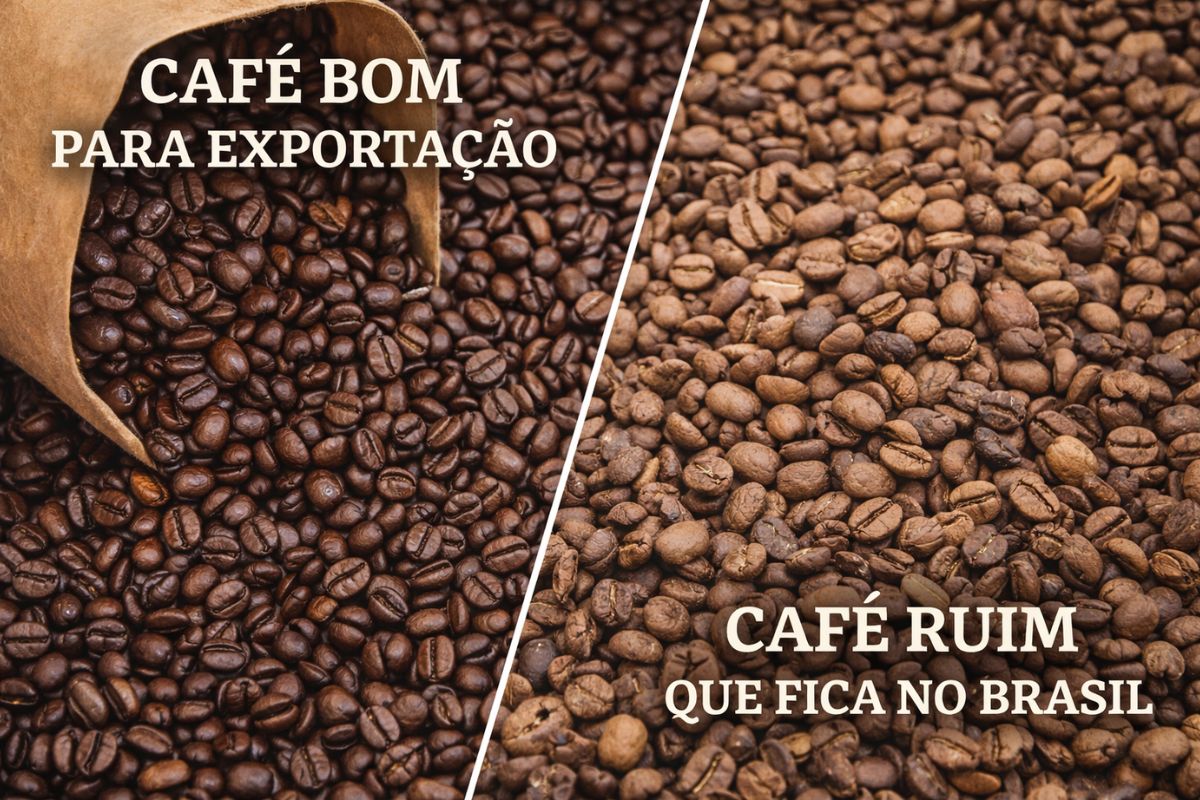
You grew up hearing that the good coffee from Brazil goes all abroad and the bad coffee stays for Brazilians, but this story has completely changed, and the numbers show that in the 1980s, thirty percent of the coffee sold here was adulterated with corn and barley.
-
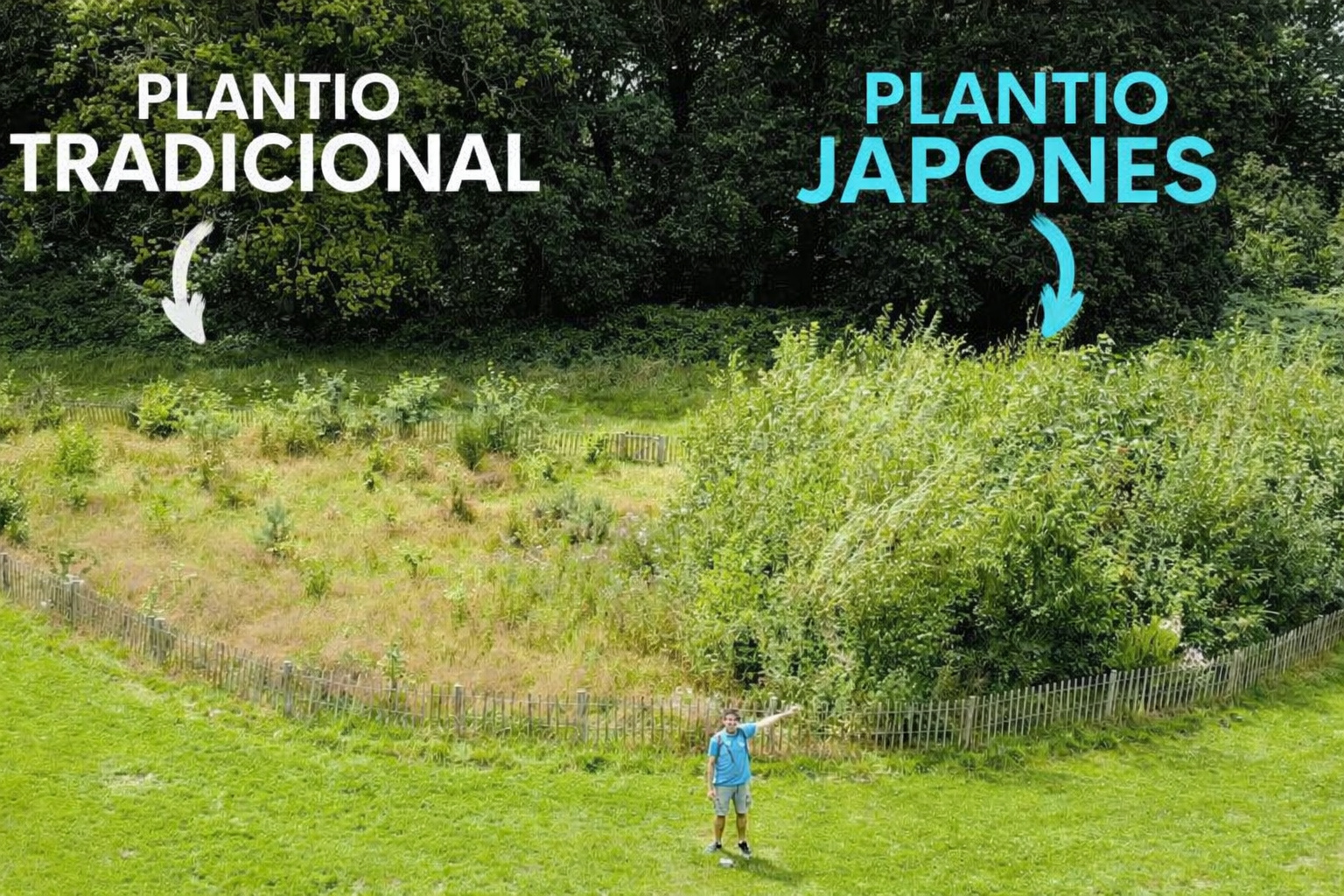
Engineer creates reforestation method that transforms small plots into dense forests in a few years using local biomass and can reduce environmental recovery costs.
-
Son of a seamstress from the rural area of Ceará who did not speak English wins a scholarship of over 2 million reais at Williams College, one of the top 10 universities in the United States, covering everything including dormitory, meals, and annual trips to Brazil.

-
Bill Gates revealed that the true secret behind every great achievement is not a brilliant leap but rather small improvements repeated over the years, and the data from his own career and the fight against climate change prove that he is right.


Each of them represents a key piece in the machinery of the Brazilian agricultural sector.
7th Place: Grupo Efer – 220,000 Hectares
Founded in 1986, Grupo Efer is one of the main grain producers in Mato Grosso, focusing on soy, corn, and cotton.
According to the Mundo do Agro channel, the group has distinguished itself by adopting modern farming practices and investing in technology, which has allowed its expansion over the decades.
With 220,000 hectares cultivated, the company maintains a strong presence in the Midwest region, being recognized for its efficiency in managing natural resources and high productivity.
6th Place: Grupo Bom Jesus – 374,000 Hectares
Grupo Bom Jesus, founded in 1960, is one of the pillars of agriculture in Mato Grosso and neighboring states.
With 374,000 hectares of land, the company specializes in soy and corn, also excelling in cotton production.
According to Mundo do Agro, the group has grown over the decades thanks to family management and investment in cutting-edge technologies, making it one of the leading rural employers in the region.
5th Place: Grupo Maggi – 380,000 Hectares
Grupo Maggi, founded by André Maggi in 1977, is an iconic name in Brazilian agriculture.
With 380,000 hectares cultivated, the company was a pioneer in expanding agriculture to new frontiers, reaching countries like Argentina and Paraguay.
According to the Mundo do Agro channel, the Maggi family not only expanded their operations but also invested in sustainability, with projects aimed at reducing the environmental impact of agricultural production.
4th Place: Agropecuária Santa Bárbara (Agrosb) – 480,000 Hectares
Controlled by banker Daniel Dantas, Agrosb owns 480,000 hectares of land in Pará, being a reference in beef production.
The group maintains an impressive herd of 170,000 head of cattle, but has also diversified its operations with the cultivation of grains such as soy and corn.
According to Mundo do Agro, Agrosb has become one of the largest agribusiness companies in Brazil thanks to the use of technology and strategic expansion in areas of great agricultural potential.


3rd Place: Grupo Bom Futuro – 600,000 Hectares
Founded by Eraí Maggi, Grupo Bom Futuro is one of the largest employers in agriculture in Mato Grosso.
With 600,000 hectares cultivated, the company is a global reference in the production of soy, cotton, and corn.
In addition, the group has a herd of 130,000 head of cattle and constantly invests in research and development, staying at the forefront of the sector.
According to the Mundo do Agro channel, Bom Futuro also stands out for social projects that benefit local communities, strengthening its image as a model of sustainable business.
2nd Place: SLC Agrícola – 684,000 Hectares
SLC Agrícola is controlled by the Logemann family and operates as one of the largest grain producers in Brazil.
With 684,000 hectares planted, the company leads in the production of soy, corn, and cotton, exporting to markets in Europe and Asia.
According to Mundo do Agro, SLC stands out for its operational efficiency and the use of cutting-edge technology, being an example of how Brazilian agriculture can compete globally.
1st Place: Raízen (Cosan) – 1.3 Million Hectares
At the top of the ranking is Raízen, a subsidiary of the Cosan group, led by Rubens Ometto.
With 1.3 million hectares cultivated, the company is the largest producer of sugarcane in Brazil and one of the largest suppliers of biofuels in the world.
According to the Mundo do Agro channel, Raízen leads the sector with innovation and efficiency, consolidating Brazil as a global reference in bioenergy and sustainability.
In addition to dominating the ethanol and sugar market, the company invests in technologies to improve productivity and reduce carbon emissions in its operations.

The Impact of Agribusiness Giants in Brazil
The Brazilian agribusiness is more than impressive numbers; it is one of the pillars of the national economy.
These giants not only produce food for millions of people but also generate jobs, boost exports, and invest in innovations that strengthen Brazil’s position as a global leader in the sector.
What did you think of this ranking? Which of these giants in the field impresses you the most? Leave your opinion in the comments!




Na minha humilde visão, O AGRO TEM QUE SER UM DOS MELHORES NEGOCIOS PARA A SOCIEDADE, SÓ PRODUZIR ESTES EMPREGOS NAO É O SUFICIENTE. esta terra concentrada nas mãos de 1 ou poucos produtores concentra poder, passam a ditar normas, para nao dizer do envolvimento deles EM CRIMES CONTRA O ESTADO DEMOCRATICO DE DIREITOS, E TEM PONTOS RELEVANTES QUE é PRECISO UMA INTERVENÇÃO GOVERNAMENTAL PARA ENCONTRAREM UMA SOLUÇÃO, O AGRO GASTA MENSALMENTE MAIS AGUA POTÁVEL DO QUE A INDUSTRIA. O BRASIL NAO DETEM ESTA AGUA , UMA HORA VAI FALTAR. O BRASIL TEM 13% DA AGUA MUNDIAL, 5% SUL SUDESTE, CENTRO OSESTE, O RESTANTE NORDESTE E NORTE, JUSTAMENTE ONDE NAO VIVEM MAIS DE 35% DA POPULAÇÃO, É PRECISO LEVAR O AGRO PARA LÁ, OU TRAZER A AGUA.
Negócio literalmente de gigantes.
Parabéns!
Se é tão gigante, porquê vive do dinheiro do governo? E porquê não revoga a lei Kandir?