





 Português
  Inglês
  Espanhol
  4 min de leitura
  394 comentários





The Brazilian Agriculture Is Led By Giants. Besides Producing Soy, Sugarcane, And Cotton, These Companies Transform The Sector With Innovation And Efficiency. Discover The Details Of The Largest Farms In The Country And Be Surprised By Their Grandiosity.
Brazil is one of the largest food exporters in the world, and this prominent position is due to a select group of entrepreneurs who control extensive areas of land and move billions of reais.
These giants of agriculture not only produce on a large scale but also influence public policies and international markets.
In this ranking, based on data from the channel Mundo do Agro, we explore the stories, numbers, and curiosities about the largest farmers in Brazil.
-
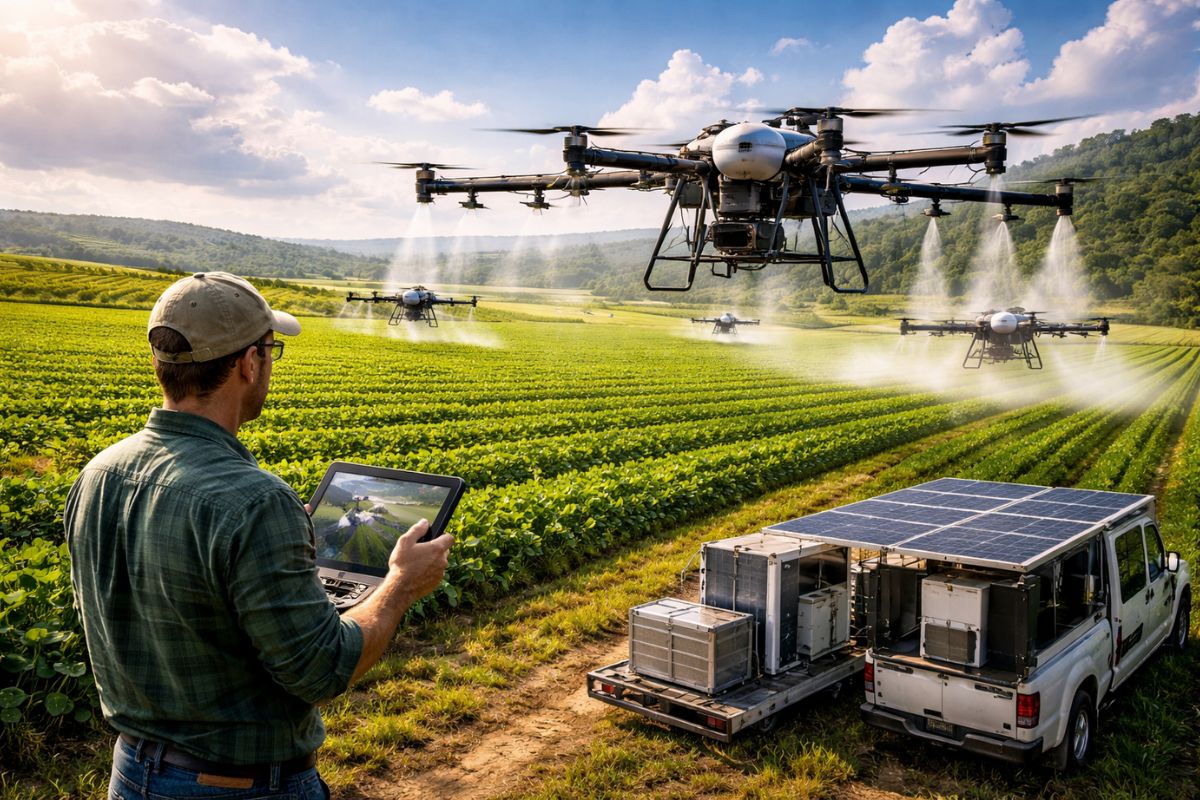
Alone, the producer applies 7,400 hectares with the T100 drone in an optimized structure, replaces the generator with a silent battery, and demonstrates how technology reduces costs, increases productivity, and even challenges the uniport in the field.
-
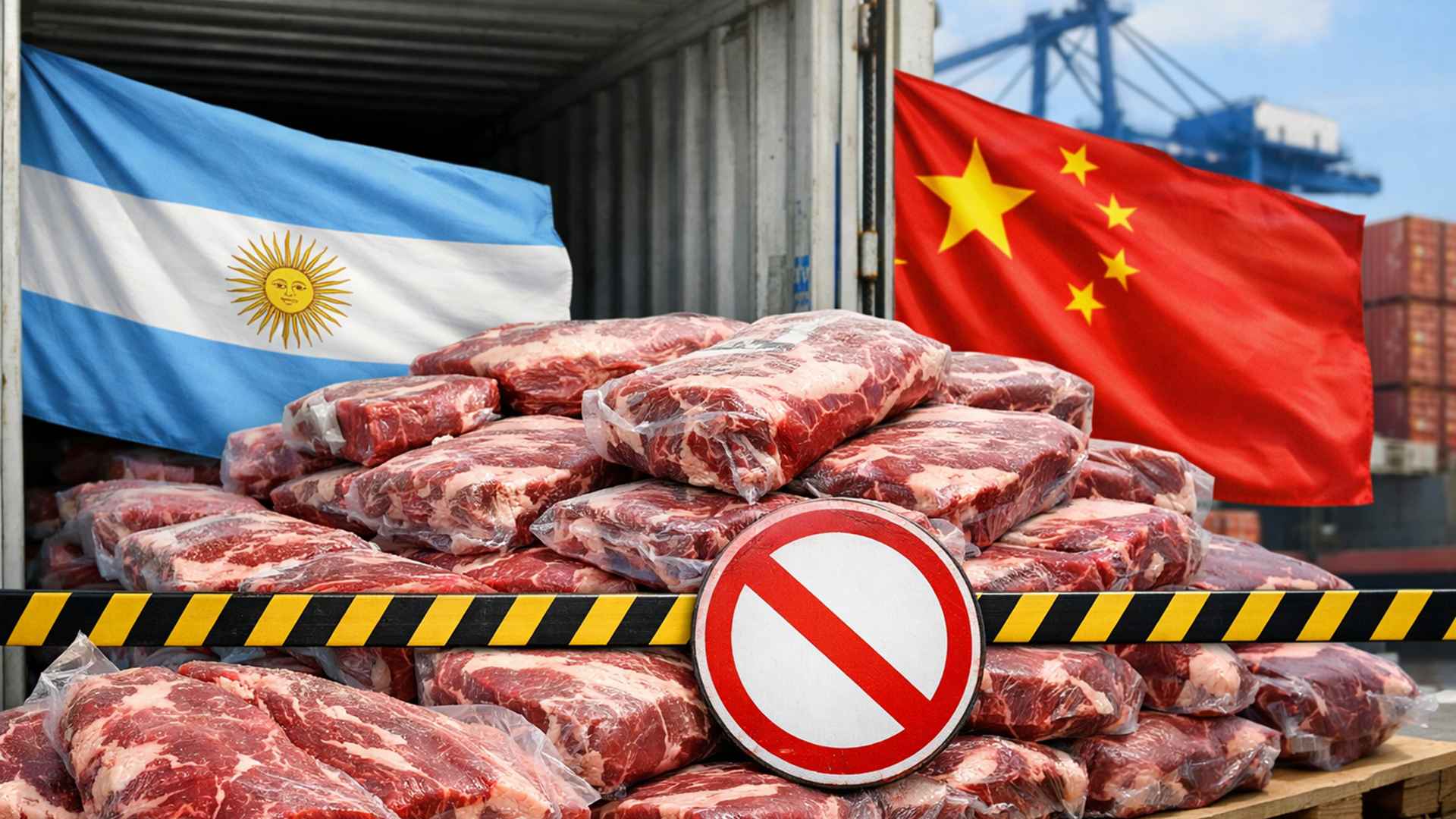
China banned the export of 22 tons of meat from Argentina.
-
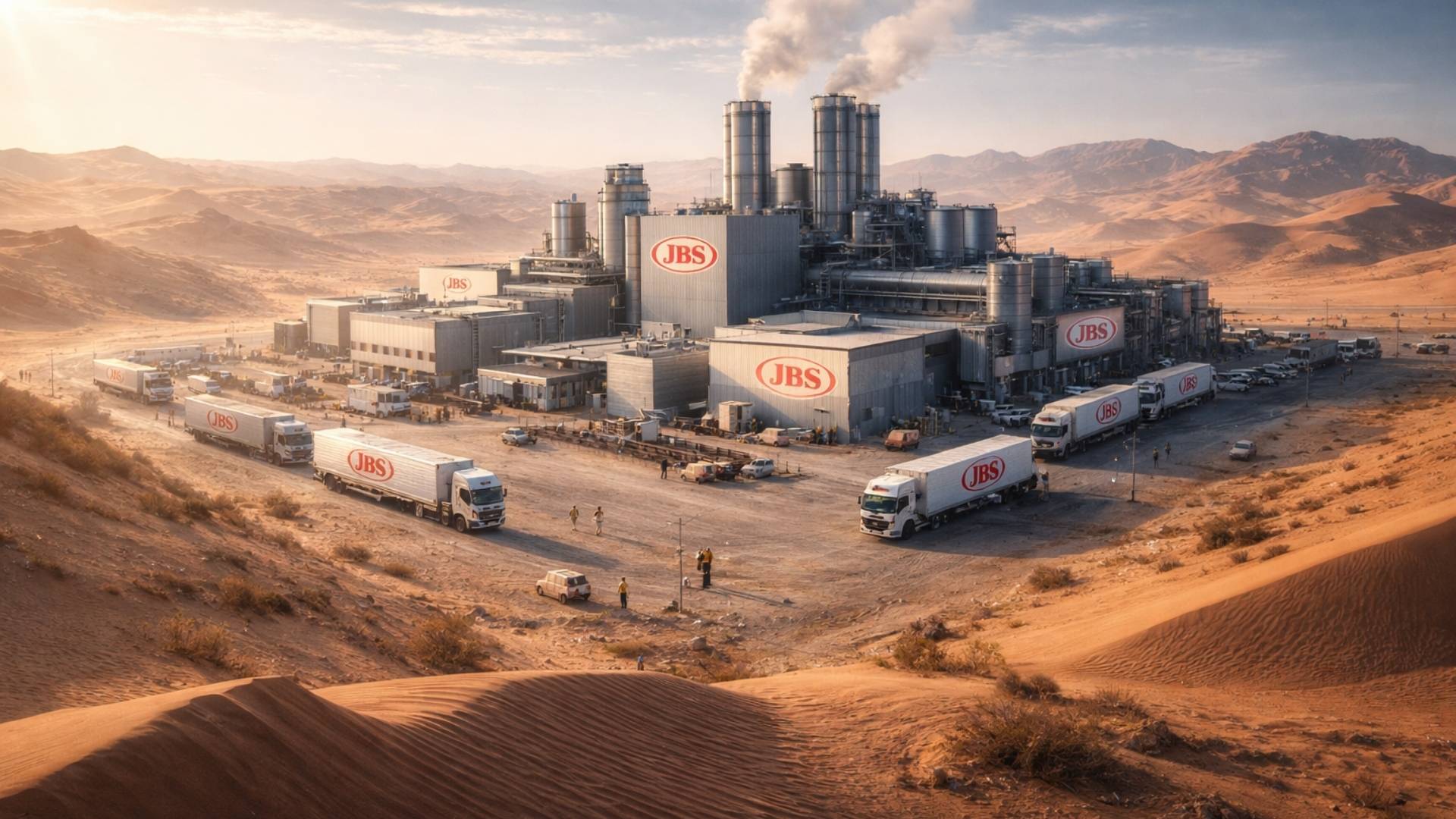
JBS, founded by the Batista brothers, continues to conquer the world: entrepreneurs built a ‘factory in the desert’ creating 3,000 jobs.
-
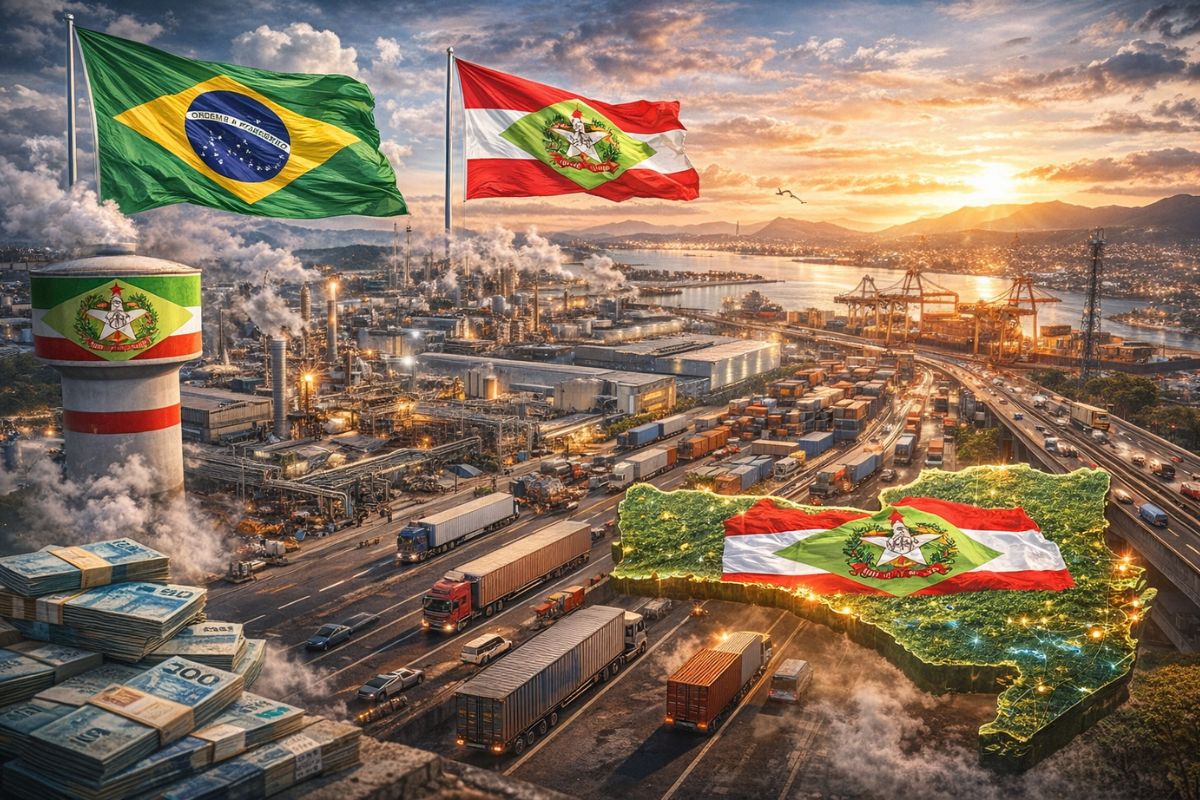
With only 1% of Brazil’s territory, Santa Catarina has built one of the most competitive industrial parks in the country, with 64,000 companies, nearly 1 million jobs, and a growth rate of 5.3% while the national industry is practically stagnant.

Each of them represents a fundamental piece in the machinery of the Brazilian agricultural sector.
7th Place: Grupo Efer – 220,000 Hectares
Founded in 1986, Grupo Efer is one of the main grain producers in Mato Grosso, focused on soy, corn, and cotton.
According to the Mundo do Agro channel, the group stood out for adopting modern farming practices and investing in technology, which allowed its expansion over the decades.
With 220,000 hectares cultivated, the company maintains a strong presence in the Central-West region, being recognized for its efficiency in managing natural resources and for high productivity.
6th Place: Grupo Bom Jesus – 374,000 Hectares
Grupo Bom Jesus, founded in 1960, is one of the pillars of agriculture in Mato Grosso and neighboring states.
With 374,000 hectares of land, the company specializes in soybean and corn, also standing out in cotton production.
According to Mundo do Agro, the group has grown over the decades thanks to family management and a bet on cutting-edge technologies, positioning it as one of the main rural employers in the region.
5th Place: Grupo Maggi – 380,000 Hectares
Grupo Maggi, founded by André Maggi in 1977, is an iconic name in Brazilian agriculture.
With 380,000 hectares cultivated, the company was a pioneer in agricultural expansion into new frontiers, reaching countries like Argentina and Paraguay.
According to the Mundo do Agro channel, the Maggi family not only expanded its operations but also invested in sustainability, with projects aimed at reducing the environmental impact of agricultural production.
4th Place: Agropecuária Santa Bárbara (Agrosb) – 480,000 Hectares
Controlled by banker Daniel Dantas, Agrosb has 480,000 hectares of land in Pará, being a reference in beef production.
The group maintains an impressive herd of 170,000 head of cattle, but has also diversified its operations with the cultivation of grains like soy and corn.
According to Mundo do Agro, Agrosb has become one of the largest agribusiness companies in Brazil thanks to the use of technology and strategic expansion in areas of high agricultural potential.


3rd Place: Grupo Bom Futuro – 600,000 Hectares
Founded by Eraí Maggi, Grupo Bom Futuro is one of the largest employers in agriculture in Mato Grosso.
With 600,000 hectares cultivated, the company is a global reference in soybean, cotton, and corn production.
In addition, the group has a herd of 130,000 head of cattle and constantly invests in research and development, keeping itself at the forefront of the sector.
According to the Mundo do Agro channel, Bom Futuro also stands out for social projects that benefit local communities, strengthening its image as a sustainable business model.
2nd Place: SLC Agrícola – 684,000 Hectares
SLC Agrícola is controlled by the Logemann family and operates as one of the largest grain producers in Brazil.
With 684,000 hectares planted, the company is a leader in soybean, corn, and cotton production, exporting to markets in Europe and Asia.
According to Mundo do Agro, SLC stands out for its operational efficiency and the use of cutting-edge technology, being an example of how Brazilian agriculture can compete globally.
1st Place: Raízen (Cosan) – 1.3 Million Hectares
At the top of the ranking is Raízen, a subsidiary of the Cosan group, led by Rubens Ometto.
With 1.3 million hectares cultivated, the company is the largest producer of sugarcane in Brazil and one of the largest suppliers of biofuels in the world.
According to the Mundo do Agro channel, Raízen leads the sector with innovation and efficiency, consolidating Brazil as a global reference in bioenergy and sustainability.
In addition to dominating the ethanol and sugar market, the company invests in technologies to improve productivity and reduce carbon emissions in its operations.

The Impact of Agribusiness Giants in Brazil
The Brazilian agribusiness is more than impressive numbers; it is one of the pillars of the national economy.
These giants not only produce food for millions of people but also generate jobs, boost exports, and invest in innovations that strengthen Brazil’s position as a global leader in the sector.
What do you think of this ranking? Which of these giants of the field impresses you the most? Leave your opinion in the comments!









Falam em sustentabilidade.
Que projetos são esses?
Queria saber quanto essa gente paga de impostos e quantos empregos geram?
Matéria sensacional…