





 Portuguese
  English
  Spanish
  4 min of reading
  0 comments


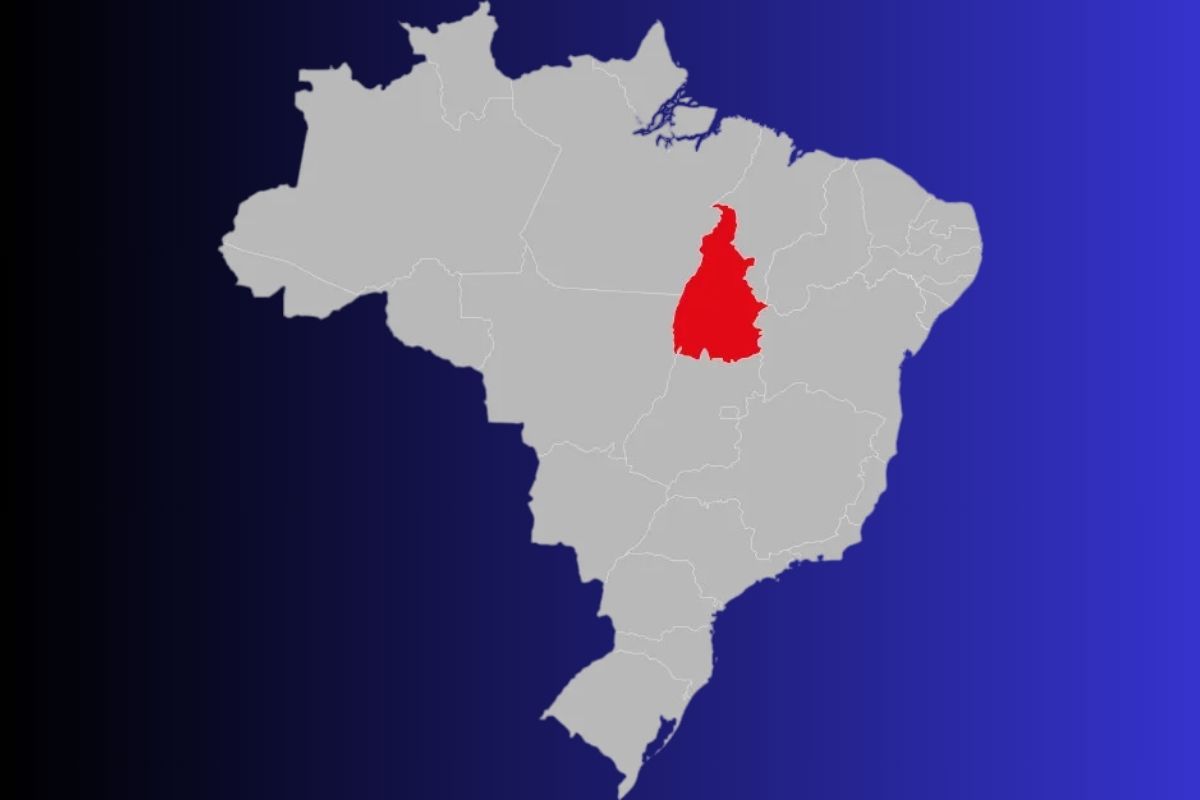
From Secular Separatist Sentiment to Creation in the 1988 Constitution, Discover the Trajectory of Tocantins, the Newest State in Brazil, Its Initial Challenges, and the Development Path Taken Since Then.
Tocantins, recognized as the newest state in Brazil, has a rich and unique founding history. Its official creation, sealed by the Citizen Constitution of 1988, was the climax of centuries of aspirations for autonomy and development by the population of the former northern Goiás.
This article details the fascinating journey of Tocantins. From the first separatist manifestations, through the intricate political process of its emancipation, to the challenges faced in implementation and the achievements accomplished, we will explore how this young unit of the Brazilian federation was born and developed.
The Historical Roots of Tocantins
The desire for autonomy in the territory that is now Tocantins dates back to the 18th century. The region of the former northern Goiás suffered from discriminatory fiscal policies and profound geopolitical isolation. The local gold mines, while rich, faced unequal taxation, leading to revolts and threats of disconnection. The subsequent exhaustion of gold intensified feelings of abandonment.
-
A couple buys an old chalet, breaks the kitchen floor for renovation, and finds over a thousand coins of gold and silver hidden since the English Civil War over 4 centuries ago.

-
Rigid bags with their days numbered: new trend prioritizes comfort in 2026.

-
YouTuber creates an excavator equipped with a giant 4.5-meter sword to challenge his brother to a rematch, and the invention quickly goes viral on social media.

-
The U.S. Army surprises the world by presenting the UH-60MX Black Hawk helicopter capable of flying without pilots, controlled by a tablet, featuring the MATRIX system, smart sensors, and full autonomy in real combat and rescue missions.


With the decline of mining, northern Goiás sank into stagnation. The release of river navigation on the Tocantins and Araguaia rivers, starting in 1782, allowed the beginning of trade links with Pará. The first significant autonomist movement occurred in 1821 when Joaquim Theotônio Segurado led a rebellion in the Comarca da Palma, proclaiming the Autonomous Government of Tocantins. Although brief, this uprising left a symbolic legacy. By the 20th century, the construction of the BR-153 Highway (Belém-Brasília) in the 1960s reduced isolation but also intensified social conflicts and perceptions of inequality, strengthening the separatist ideal.
The Conquest of Emancipation: The Official Birth of Tocantins
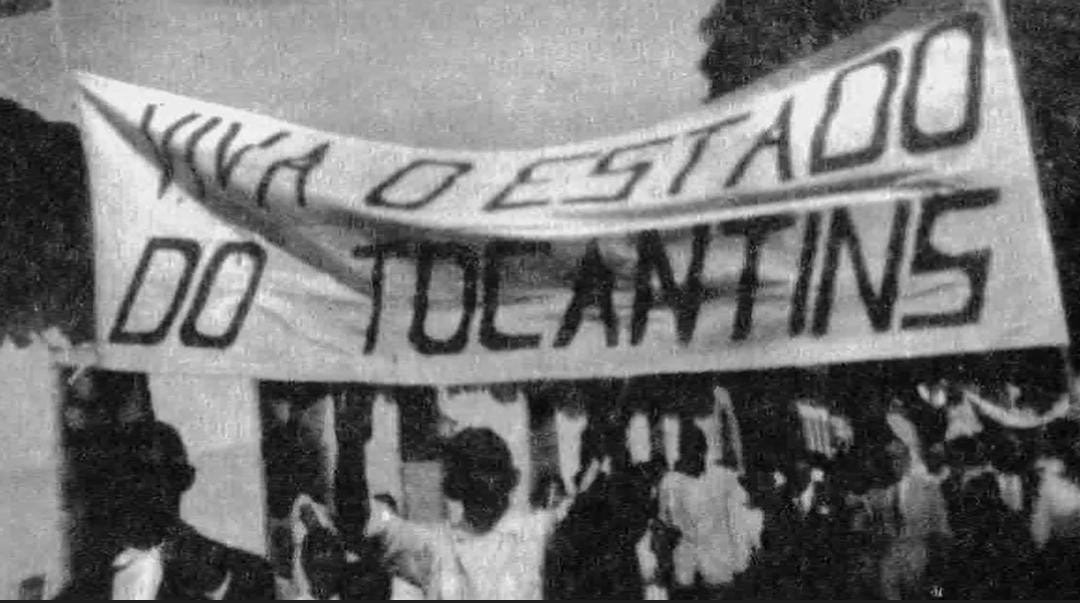
The struggle for autonomy gained momentum in the 20th century, inspired by the creation of other states. The then federal deputy Siqueira Campos was a central figure in this process, particularly during the National Constituents Assembly (1987-1988). Popular mobilization, with an amendment that gathered about 80,000 signatures, was also decisive.
The creation of the State of Tocantins was finally formalized by Article 13 of the Act of Transitional Constitutional Provisions (ADCT) of the Federal Constitution of 1988. Its installation took place on January 1, 1989, with Miracema do Tocantins as the provisional capital. The first elections were held in November 1988, and Siqueira Campos became the first governor. On October 5, 1989, Tocantins enacted its first State Constitution, consolidating its emancipation.
Why Was Tocantins Born?
The main motivation for the creation of Tocantins was the historical abandonment of the former northern Goiás. There was a widespread belief that only with political-administrative autonomy could the region manage its resources and promote equitable development. The construction of a distinct Tocantins identity was also fundamental, retrieving the memory of past struggles and emphasizing local particularities.
The geographical location of Tocantins, in the “Gateway to the Amazon,” aligned with the national project of interiorizing development. Furthermore, the creation of the new state opened space for the formation of new political elites and attracted economic interests, especially in agribusiness and real estate speculation around the future capital.
The Initial Challenges of the Newest State in Brazil
After the euphoria of emancipation, Tocantins faced immense challenges. It was necessary to build the entire administrative and institutional structure from scratch, including secretariats, public agencies, and the civil service. The construction of the new planned capital, Palmas, initiated in 1989, was an ambitious project but marked by rapid population growth, infrastructure problems, and deviations from the original master plan.
The newest state in Brazil inherited an extremely precarious socioeconomic situation. Indicators of access to basic services such as treated water, sewage, energy, and health were very low. The initial per capita GDP was among the lowest in the country, and education faced high illiteracy rates. The urgency for massive investments in infrastructure was evident.
Tocantins in Development: Trajectory, Advances, and Future Perspectives
Since its creation, Tocantins has been on a journey of development. The economy, initially based on extensive cattle ranching, diversified. The production of grains such as soybeans, corn, and rice gained prominence, as well as fruit cultivation (pineapple). The service and trade sector became the main component of GDP.
There have been notable progress in social and human development indicators, such as the HDI, and in the expansion of education, although regional inequalities persist. Infrastructure has also improved, with road paving, the passage of the North-South Railway, and the development of hydroelectric plants. However, the newest state in Brazil still faces contemporary challenges, such as environmental issues (deforestation), the need to strengthen governance and promote development that is economically dynamic, socially inclusive, and environmentally sustainable.







Seja o primeiro a reagir!