





 Portuguese
  English
  Spanish
  4 min of reading
  0 comments


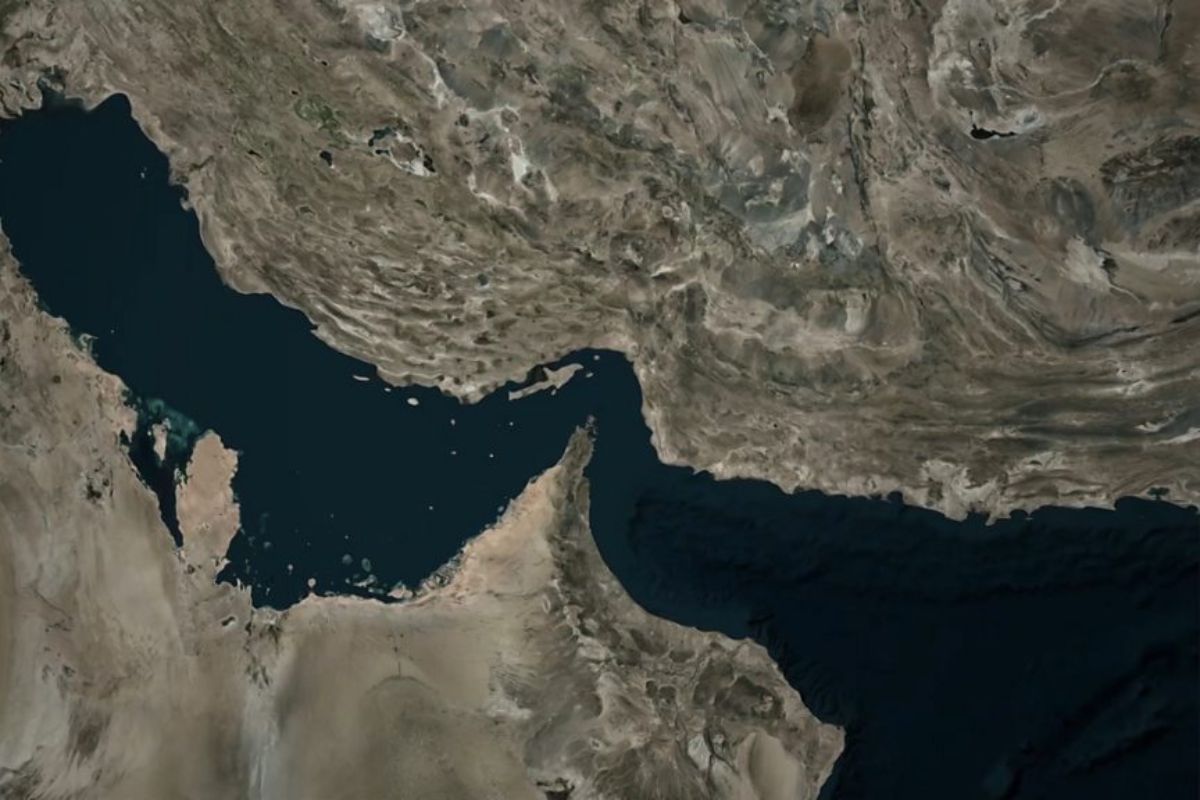


Located in the Middle East, the 39 km passage is the route for 20% of the world’s oil, and a conflict in the region could shut it down in minutes, with devastating consequences
The Strait of Hormuz is, in 2025, the most dangerous point for the global economy. This narrow body of water has become the epicenter of a geopolitical crisis that pits Iran’s military capabilities against the power of the United States. The tensions, which escalated into a direct conflict between Iran and Israel in 2024, threaten to close the most vital artery for the energy market.
Any disruption in the Strait of Hormuz is not a local issue. It is the immediate removal of one-fifth of the oil from the market, a trigger capable of provoking a global recession and an inflationary spiral across the planet. Global stability literally passes through this corridor.
The Geography of Danger, a Corridor of Just 39 km
The strategic power of the Strait of Hormuz comes from its geography. Located between Iran to the north and Oman to the south, it connects the Persian Gulf to the Gulf of Oman, and consequently, to the global market. At its narrowest point, the distance between the shores is only 39 kilometers.
-
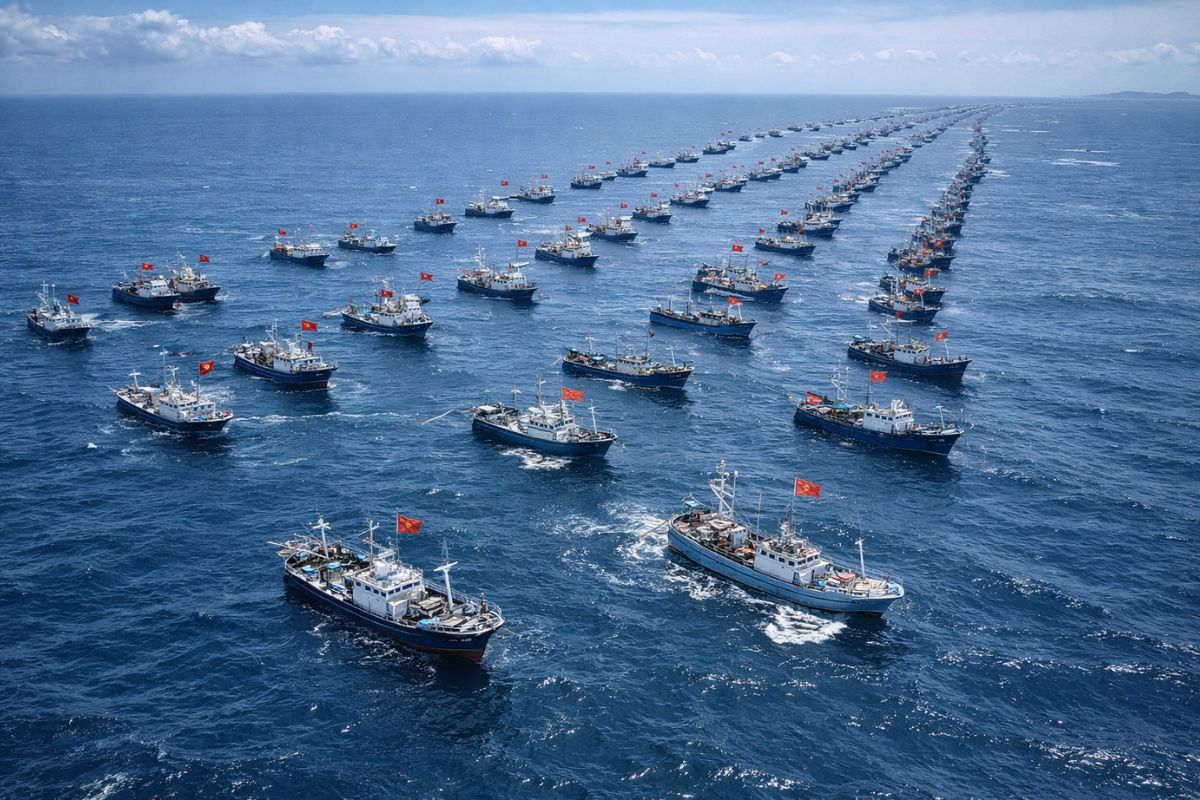
China has deployed over 1,400 fishing boats in formation, creating a barrier of 320 kilometers at sea, and the whole world wants to know if this is fishing, military exercise, or a message of war.
-
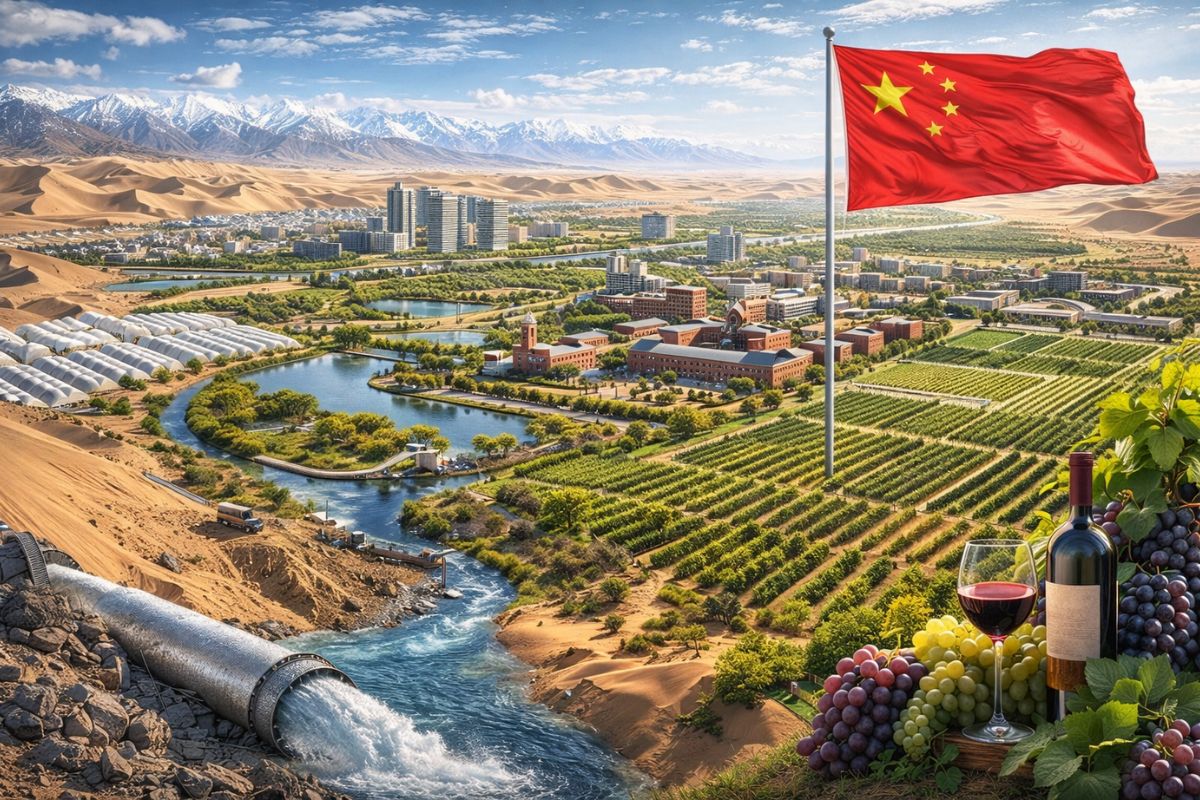
Where there was only sand and wind at 40 degrees, China built a megacity of 500,000 inhabitants with farms, wineries, and universities in the middle of the desert using melted glacier water from hundreds of kilometers away.
-
Theories about UFOs have resurfaced strongly after an aerospace scientist and a general linked to the Roswell case mysteriously disappeared in the United States within a few months, and even the FBI was called in to investigate.

-
Neither in the refrigerator nor in the fruit bowl: this is the correct way to store lemon.


For supertankers, the reality is even more restrictive. The safe navigation channel consists of two lanes, one for going and one for returning, with only 3 km wide each. This passage creates a funnel that forces ships to follow a predictable route, which makes them easy targets and drastically increases the risk of a successful attack. There are no viable alternative routes for most of the traffic.
The Artery of Oil, 20 Million Barrels per Day in 2024
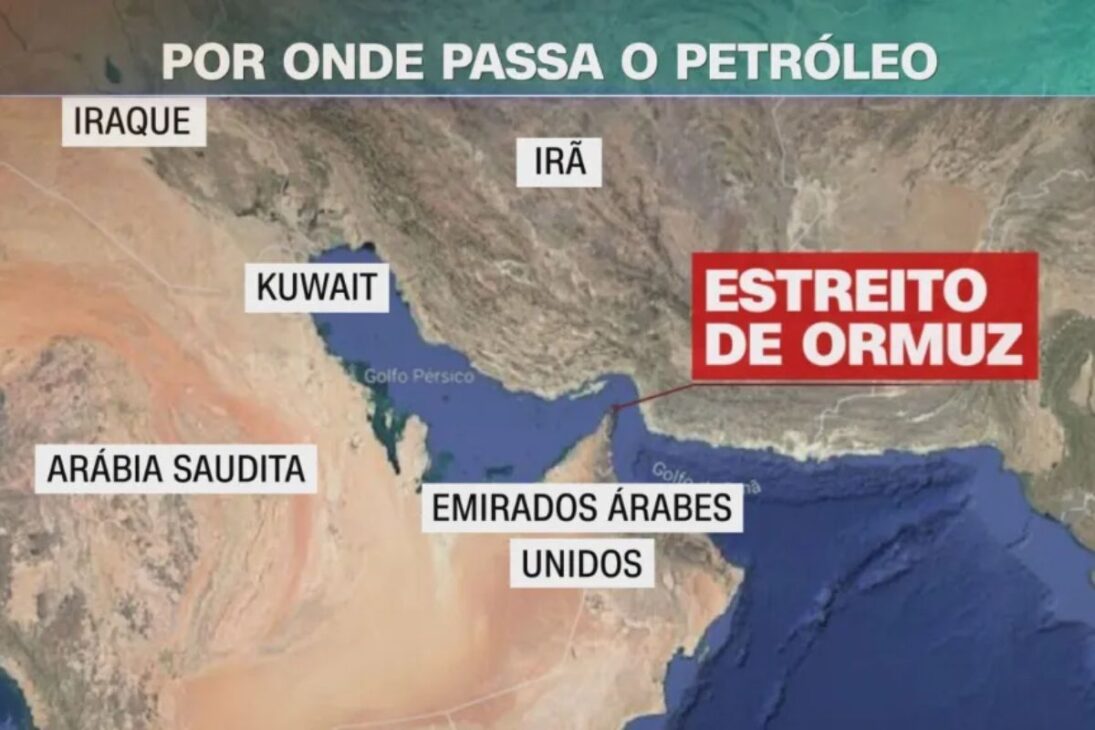
The numbers that flow through Hormuz show its irreplaceable importance. In 2024, an average of 20 million barrels of oil and derivatives crossed the strait every day. This volume represents about 20% of total global oil consumption.
The strait is also vital for gas. About one-fifth of all Liquefied Natural Gas (LNG) in the world, mainly from Qatar, passes through there. Major oil exporters such as Saudi Arabia, Iraq, United Arab Emirates, and Kuwait depend almost exclusively on this route. The destination of this energy is primarily Asia. Economies such as China, India, Japan, and South Korea are the largest clients and, therefore, the most vulnerable to disruption.
2025, The Year of Tension, The Iran-Israel Conflict and the Collapse of the Nuclear Deal
The situation in 2025 is especially dangerous due to an escalation of tensions that began years earlier. In April 2024, the “shadow war” between Iran and Israel became an open conflict, with Israel bombing an Iranian consulate in Syria and Iran responding with a massive attack of over 300 drones and missiles.
The scenario worsened in June 2025, with the definitive collapse of negotiations over the Iranian nuclear program. With the end of the diplomatic avenue and Iran enriching uranium to levels close to what is needed for a nuclear weapon, the risk of large-scale military action, with the Strait of Hormuz as the stage, reached its highest point.
The Iranian Arsenal, Missiles, Drones, and the Tactic of ‘Insurance’ Blocking
Iran knows it cannot defeat the American Navy in direct combat. Therefore, its military doctrine in the Strait of Hormuz is one of “sea denial”. The goal is not to control the waters but to make them so dangerous that no one dares to navigate them.
To achieve this, the country has an asymmetric arsenal, which includes:
Naval Mines: Easy to spread secretly, they create an invisible and persistent threat.
Anti-Ship Missiles: Iran possesses the largest and most diverse missile arsenal in the Middle East, including ballistic missiles that are extremely difficult to intercept. Islands in the strait have been transformed into launch bases.
Drones and Suicide Boats: Cost-effective unmanned systems can be used in “swarms” to overwhelm the defenses of warships.
Thus, the most likely strategy is not a complete closure, which would be economic suicide for Iran itself. The plan is an ‘insurance blockage’: a campaign of sporadic and dubious attacks designed to drive maritime insurance costs to prohibitive levels and thus paralyze commercial traffic without a formal declaration of war.
The Fifth Fleet of the USA and Its Allies on Standby
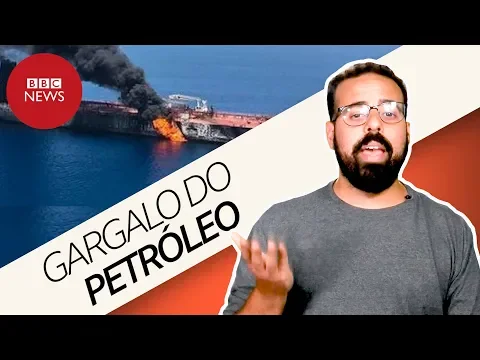

To counter the Iranian threat, the United States maintains a formidable military presence in the region. The main force is the U.S. Fifth Fleet, based in Bahrain. Its mission is to ensure freedom of navigation in the most critical points of the Middle East.
In response to the tensions of 2025, this presence has been reinforced with one or more aircraft carrier strike groups, which function as floating air bases. The greatest innovation in the American response, however, is Task Force 59. This pioneering unit integrates hundreds of unmanned systems — aerial, surface, and underwater — to create a network of constant surveillance. The objective is clear: to make it impossible for Iran to carry out an attack without its authorship being immediately identified, nullifying the strategy of ‘plausible deniability’ and changing the rules of engagement.






Obstruir a navegação no estreito é uma faca de 2 gumes ,pois estrangulá a exportacao de petróleo do própria Irã. Que, afinal, é a moeda de troca para ter um arsenal capaz de manter um conflito por muito tempo.