





 Portuguese
  English
  Spanish
  4 min of reading
  0 comments


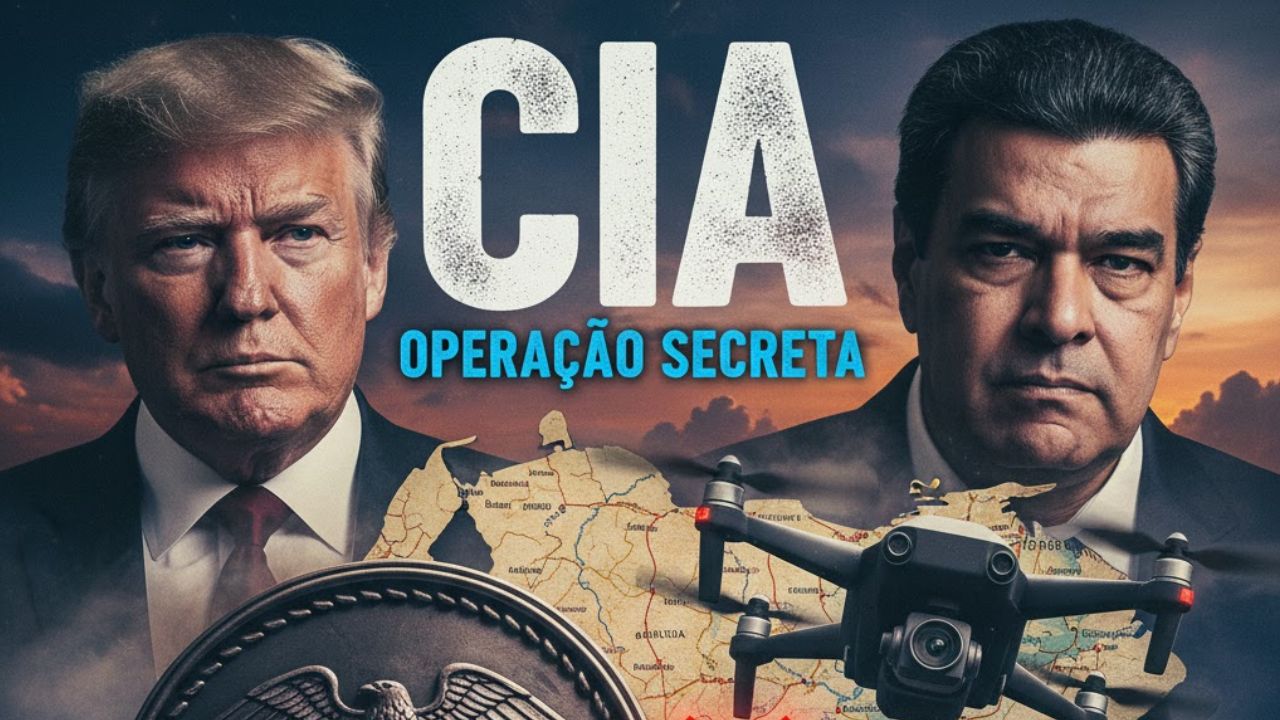
CIA And Trump In Venezuela: What’s Behind The Authorization Of Secret Operations By The U.S.? Understand The Risks For The Armed Forces.
The President of the U.S., Donald Trump, shook the geopolitical scene by admitting this week that he authorized secret operations by the Central Intelligence Agency (CIA) in Venezuela.
This recognition, rare at the upper echelons of the American government, opens up a range of possibilities regarding Washington’s intentions in Latin America and raises serious questions about the future of bilateral relations.
What does the authorization allow? It may give the CIA the capability to carry out actions ranging from lethal strikes against drug trafficking suspects to broader operations potentially aimed at regime change of Nicolás Maduro’s government.
-
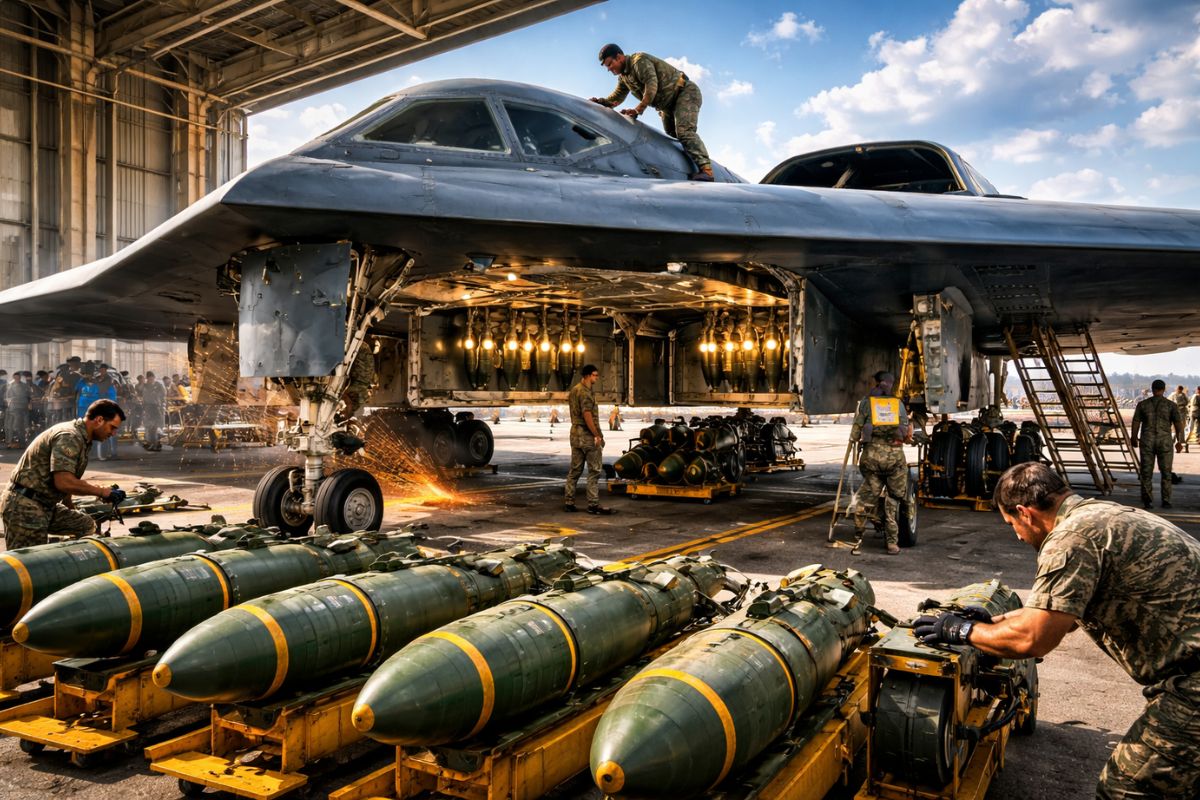
Valued at over $2 billion, the B-2 Spirit bomber requires meticulous inspection, bombs calibrated in a controlled environment, and extreme preparation to disappear from radar and launch attacks with lethal precision.
-
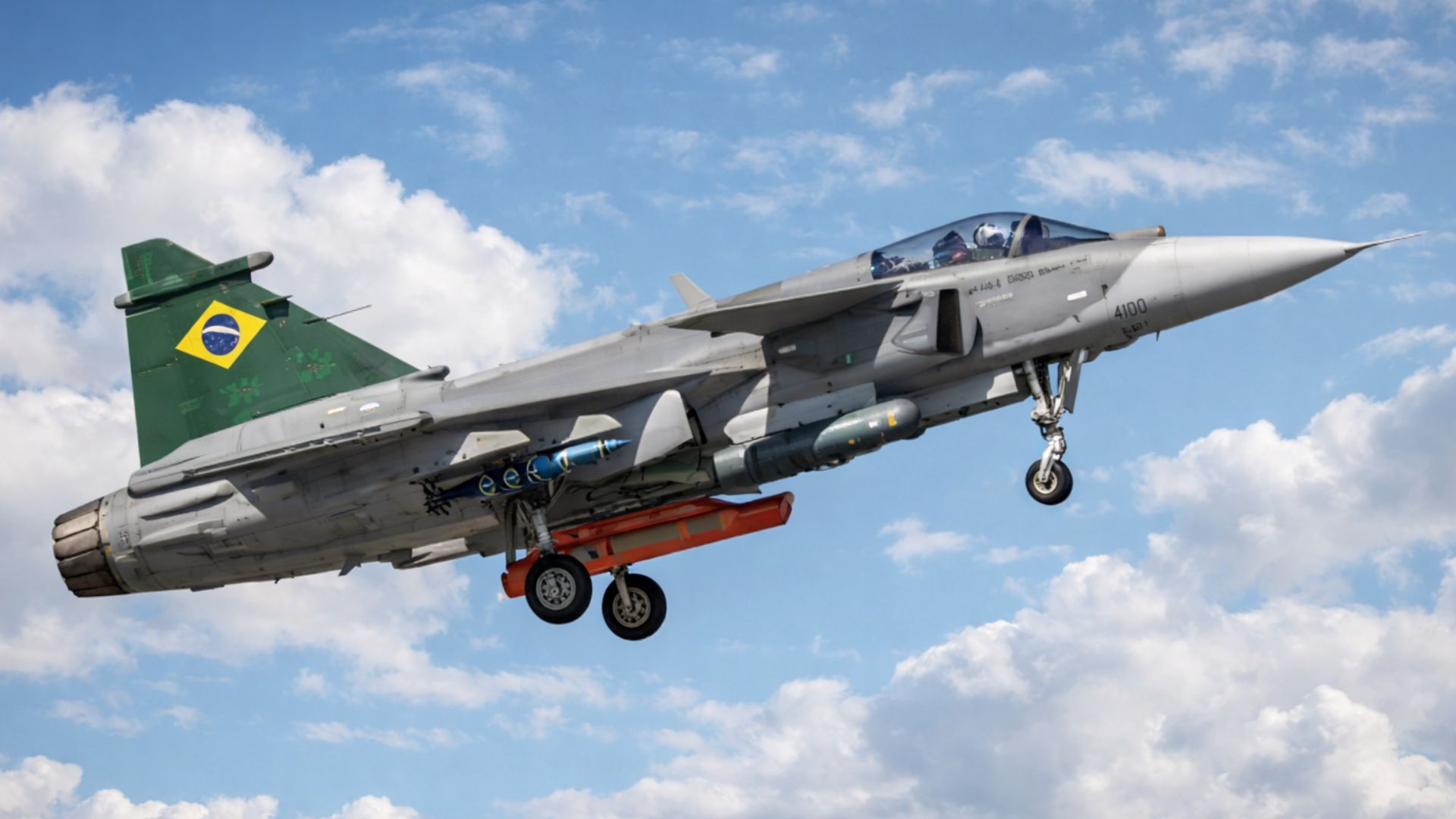
Brazil presents the first national F-39 Gripen fighter and redefines air defense with technological advancement, job creation, and strengthening of the defense industry on the global stage.
-
The construction of the Polar Ship Almirante Saldanha is progressing ahead of schedule and strengthens Brazil’s presence in Antarctica; the vessel will be 93 meters long, have a two-month autonomy, and technology to face ice.

-
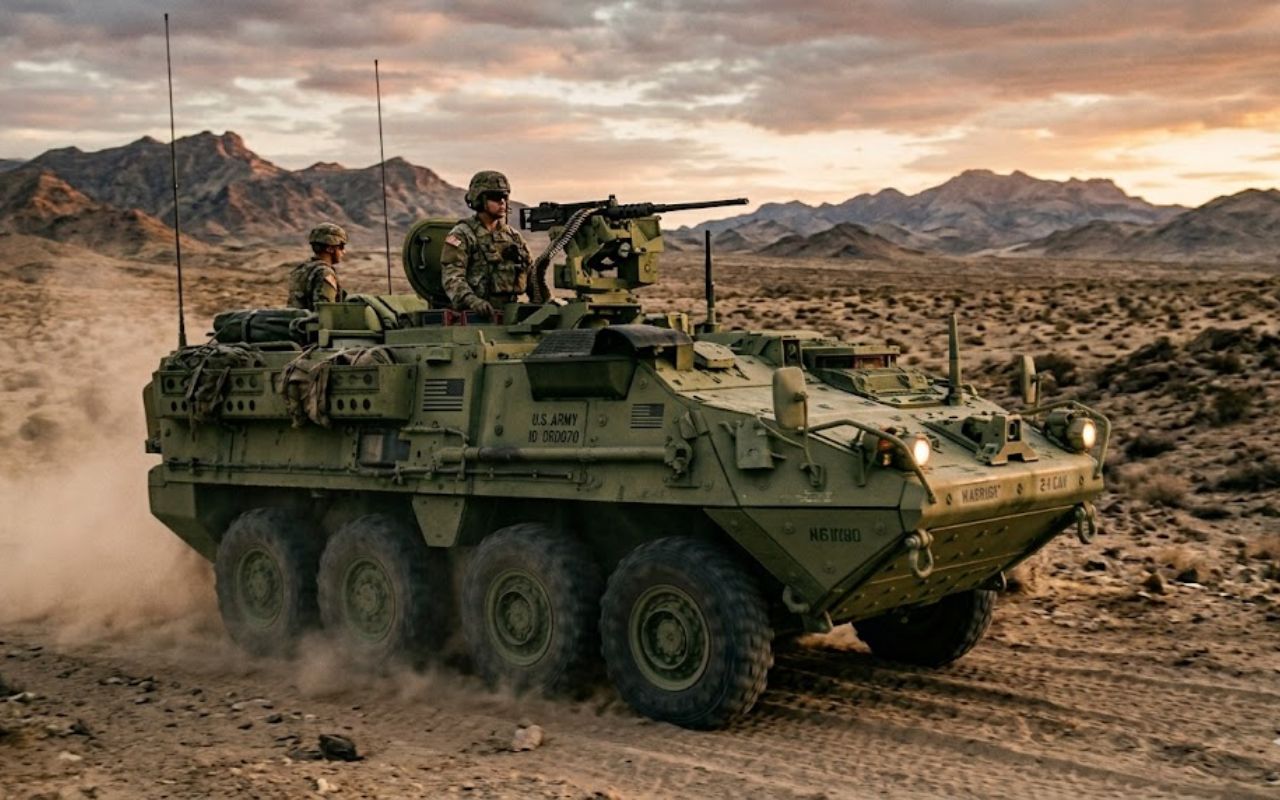
The United States Army has an armored vehicle that reaches speeds of up to 100 km/h, capable of operating normally on different types of terrain and also on asphalt without causing damage; equipped with a 350 hp engine, it can transport up to 9 soldiers — meet the Stryker.

Who authorized it? The President Trump himself.
Where would the operations take place? In Venezuela and possibly in the Caribbean region.
What are these authorizations called? Technically, they are known as “presidential findings.”
Why was the action justified? Trump pointed out that the circulation of “large quantities of drugs” from Venezuela to the U.S. would be the main reason.
This revelation raises a global alarm, particularly as it is an atypical acknowledgment of actions generally classified as secret.
The presidential authorization does not require congressional approval, but it has profound implications for the U.S. foreign policy and national security.
The Power Of “Presidential Findings” And The CIA’s Action
The so-called “presidential findings” are legal mechanisms in the U.S. that allow presidents to authorize secret actions.
According to American law, these operations must be deemed “necessary to support identifiable foreign policy objectives that are important to national security of the U.S..”
Historically, this authorization has led to drone strikes, funding and provision of weapons to insurgent groups, and efforts for regime change in various countries.
However, most of these details remain classified.
Mick Mulroy, a former CIA agent, explained that the parameters for action are defined in the findings themselves, but there are “really no limitations” nor any requirement for congressional approval.
Congress could only block such operations through new legislation or by limiting funding.
The president, on the other hand, can alter the restrictions through new executive orders.
A “Very Dangerous” Path: History Of U.S. Interventions
President Trump’s decision brings to light a complex and often controversial history of U.S. interventions in other nations, particularly in Latin America.
Once approved by the president, CIA actions can involve targeted killings, secret operations to influence local politics, or support to equip armed groups looking to overthrow governments.
There are notable precedents. In 1979, President Jimmy Carter authorized the CIA to fund Afghan guerrillas against the Soviet invasion.
Years later, Ronald Reagan allowed the agency to extend secret aid to the Contras, who were trying to overthrow the Sandinista government in Nicaragua.
More recently, Operation Timber Sycamore involved training and supporting Syrian rebels.
Dexter Ingram, former director of the State Department’s Office for Countering Violent Extremism, expressed concern, warning that the country does not have a “very admirable track record” of interventions.
“There’s a long history, and it’s not always positive. I think we need to look at our history: it’s a very dangerous path,” he remarked.
Venezuela Under The Lens Of American National Security
In the specific context of Venezuela, the authorization for the CIA to conduct secret operations does not detail whether the agency is, in fact, acting or merely planning contingency operations.
However, Trump justified the actions, including naval bombardments in the Caribbean Sea, citing a fight against drug trafficking that leaves the South American country heading to the U.S..
The operations would remain secret and could focus on various targets. Organizations like Tren de Aragua and Cartel de los Soles, designated as terrorists by the U.S., could be potential targets for paramilitary actions or drones.
Marc Polymeropoulos, a 26-year veteran of the CIA, highlighted that the methodology of “find, fix, and finish” – developed by the agency during the “global war on terror” – could easily be adapted and applied to these criminal networks in Venezuela.
The presence of the CIA and the involvement of the armed forces in the region, therefore, mark a new and tense chapter in President Trump’s foreign policy toward South America.
The world is closely watching Washington’s next moves.









Seja o primeiro a reagir!