





 Portuguese
  English
  Spanish
  3 min of reading
  0 comments


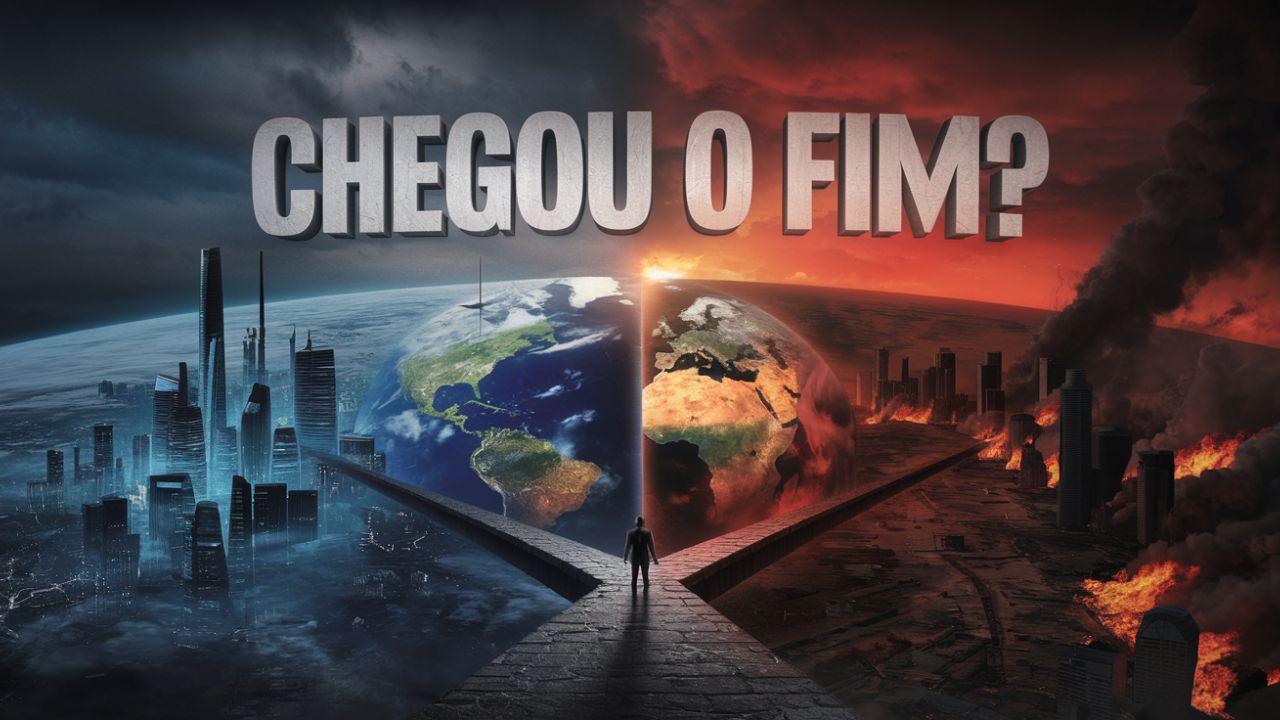
With 8.2 Billion People on the Planet, Industrial Civilization Faces an Alarming Decline. Experts Warn of Risks Such as Climate Change, Authoritarianism, and Global Crises, but Point Out that the Future May Hold a Revolutionary Leap — or the Definitive Collapse of the Planet.
Are We Walking Toward the End of Humanity? This Question Lingers Whenever Global Crises, Technological Advances, and Climate Change Come into Debate. With 8.2 Billion People on the Planet, Current Civilization Faces Challenges That Could Define Its Future. But Are We Doomed to Collapse, or on the Brink of an Evolutionary Leap?
According to theorist and author Dr. Nafeez Ahmed, we are at a crossroads. He believes that industrial civilization is in decline and may be replaced by a much more advanced model, based on clean and sustainable energy. The fate of humanity, however, depends on how we confront these challenges.
The Critical Crossroads of Modern Civilization
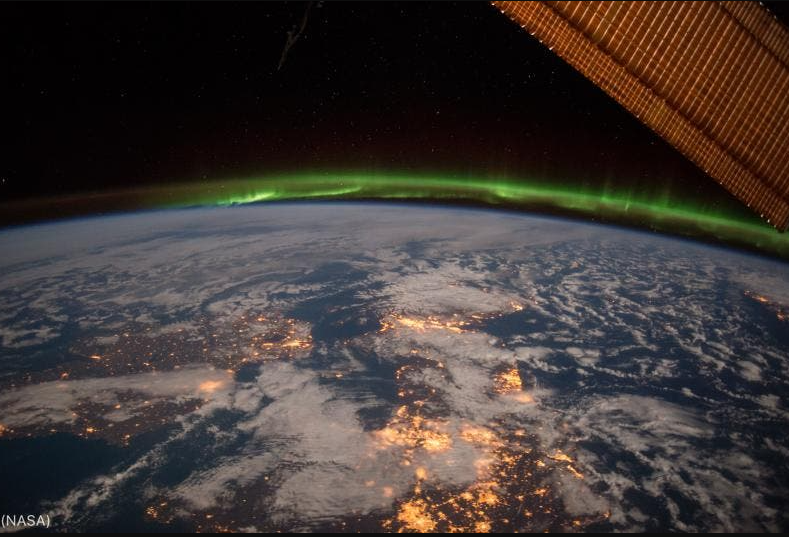
According to Ahmed, civilizations follow a cycle of four stages: growth, stability, decline, and transformation. Currently, we are in the decline stage, marked by political, environmental, and economic crises. The transition to the next phase, transformation, will only be possible if we abandon outdated practices and invest in innovative solutions.
-
Larger than entire cities in Brazil: BYD is building a 4.6 km² complex in Bahia with a capacity for 600,000 vehicles per year, but the discovery of 163 workers in conditions analogous to slavery has shaken the entire project.

-
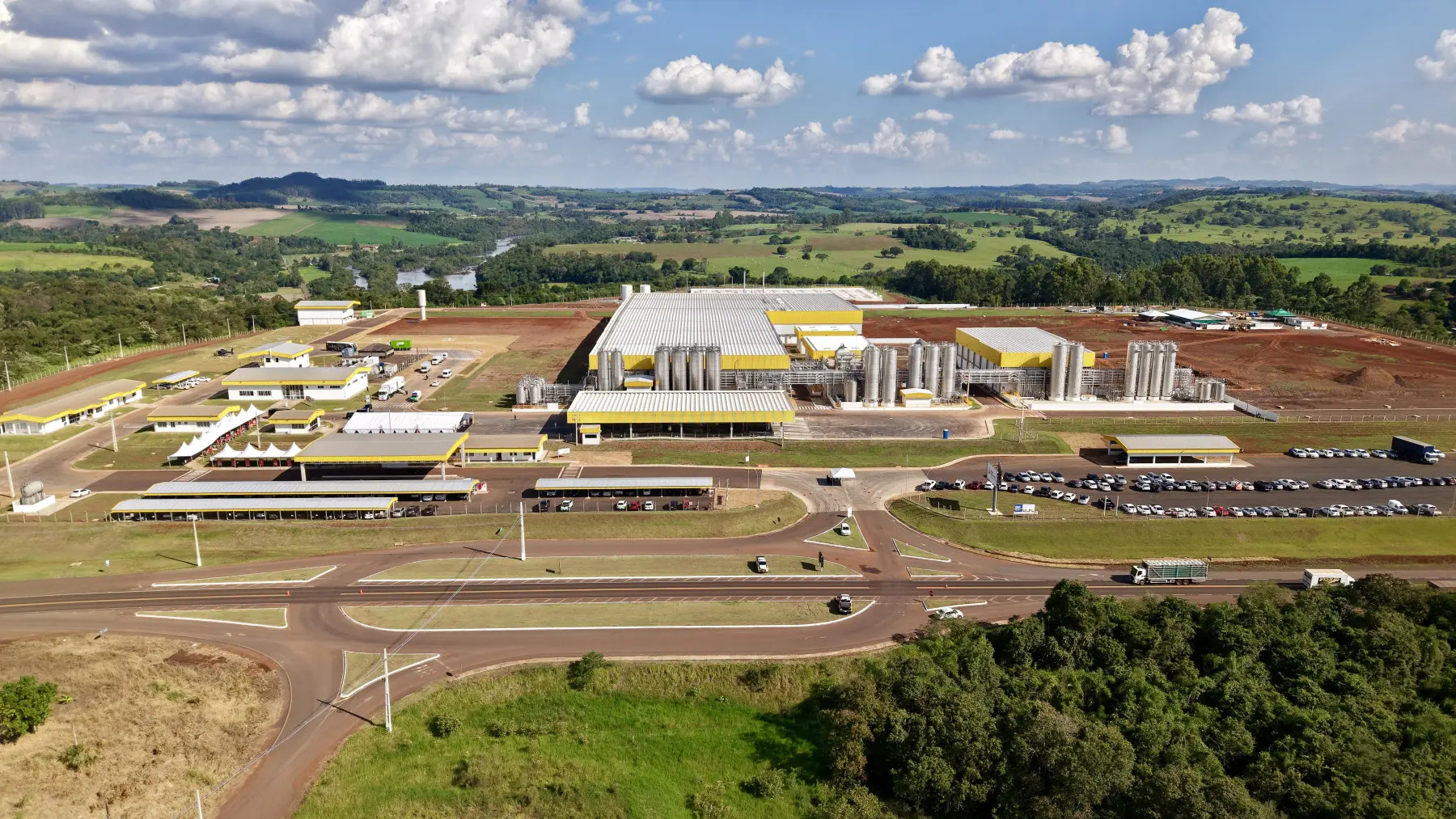
With an investment of R$ 612 million, a capacity to process 1.2 million liters of milk per day, Piracanjuba inaugurates a mega cheese factory that increases national production, reduces dependence on imports, and repositions Brazil on the global dairy map.
-
Brazilian city gains industrial hub for 85 companies that is equivalent to 55 football fields.

-
Peugeot and Citroën factory in Argentina cuts production by half and opens a layoff program for more than 2,000 employees after Brazil drastically reduced purchases of Argentine vehicles.


The Rise of Authoritarian Governments and the Protection of Polluting Industries, Such as Fossil Fuels, Intensify the Risks of Collapse. These Practices Not Only Delay the Adoption of Clean Technologies but Also Deepen Inequalities and Global Divisions.
Is a Future of Superabundance Possible?
Ahmed Foresees the Possibility of a Post-Materialist Civilization, Where Clean and Accessible Energy, Combined with Advanced Technologies, Could Ensure Abundant Resources Without Harming the Planet. This Future, However, Requires a Radical Change in How We Govern and Use These Technologies.
Artificial Intelligence, 3D Printing, Lab-Grown Agriculture, and Other Innovations Have the Potential to Transform Our Lives. However, Without Ethical and Sustainable Governance, These Very Technologies Can Be Tools of Destruction.
Global Challenges and the Clock Against Humanity
Recent Studies Show That Six of the Nine Planetary Boundaries Have Already Been Exceeded. This Means We Are Operating Outside a Safe Space for Humanity. Without Immediate Actions to Reduce Greenhouse Gas Emissions and Preserve Ecosystems, Environmental Collapse Is Inevitable.
As Much as Technologies Advance, Human Behavior Is the Key Factor. Changes in Political Choices, Consumption, and How We Interact with the Planet Are Essential. As Professor Daniel Brooks Stated, Our Survival Depends More on Responsible Behavior Than on Technological Advances.
The Role of Humanity in Choosing the Future
To Ensure the Future, We Need to Reconnect with Values That Prioritize Collective Well-Being and Environmental Preservation. This Means Replacing Centralized Hierarchies with More Collaborative and Inclusive Systems.
As Highlighted by the Secretary General of Amnesty International, Agnès Callamard, We Have a Moral Responsibility to Future Generations. What We Do Now Will Determine Whether They Inherit a Habitable Planet or a Devastated Land.







-

2 pessoas reagiram a isso.