





 Portuguese
  English
  Spanish
  4 min of reading
  0 comments


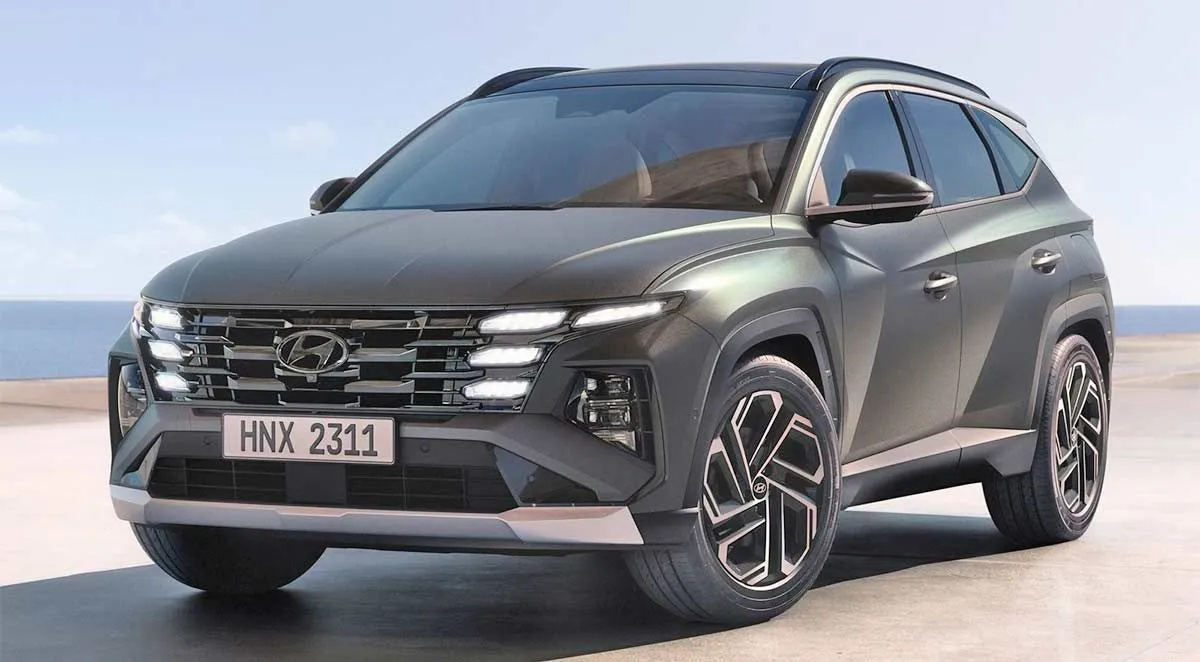
See 3 Items That Will Disappear From Cars in The Coming Years. Eliminating These Equipment Shows a Clear Migration to The Digital Age.
A silent revolution is underway in the automotive world, and Hyundai has just taken a step forward by announcing 3 items that will disappear from cars in the coming years.
This profound change in vehicle design and functionality, driven by new technologies and consumer demand, promises to transform the driving experience.
The South Korean manufacturer, one of the giants in the industry, reveals the trends that will render obsolete some of the equipment that has been considered essential in every car for decades.
-
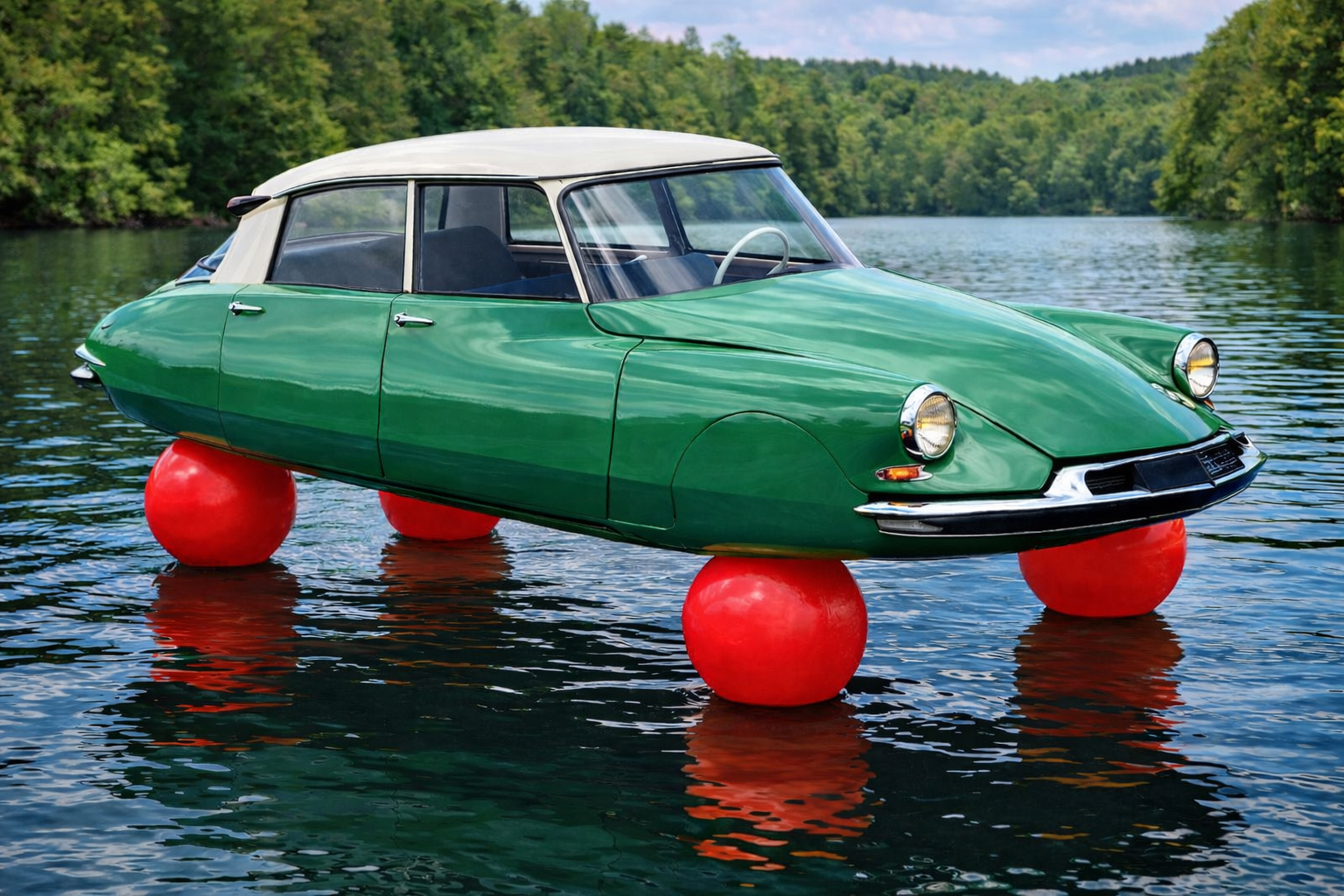
A French brand placed a car on four huge red balloons to prove that its suspension made the vehicle “float,” and the surreal scene became one of the most iconic and unusual images in automotive history.
-
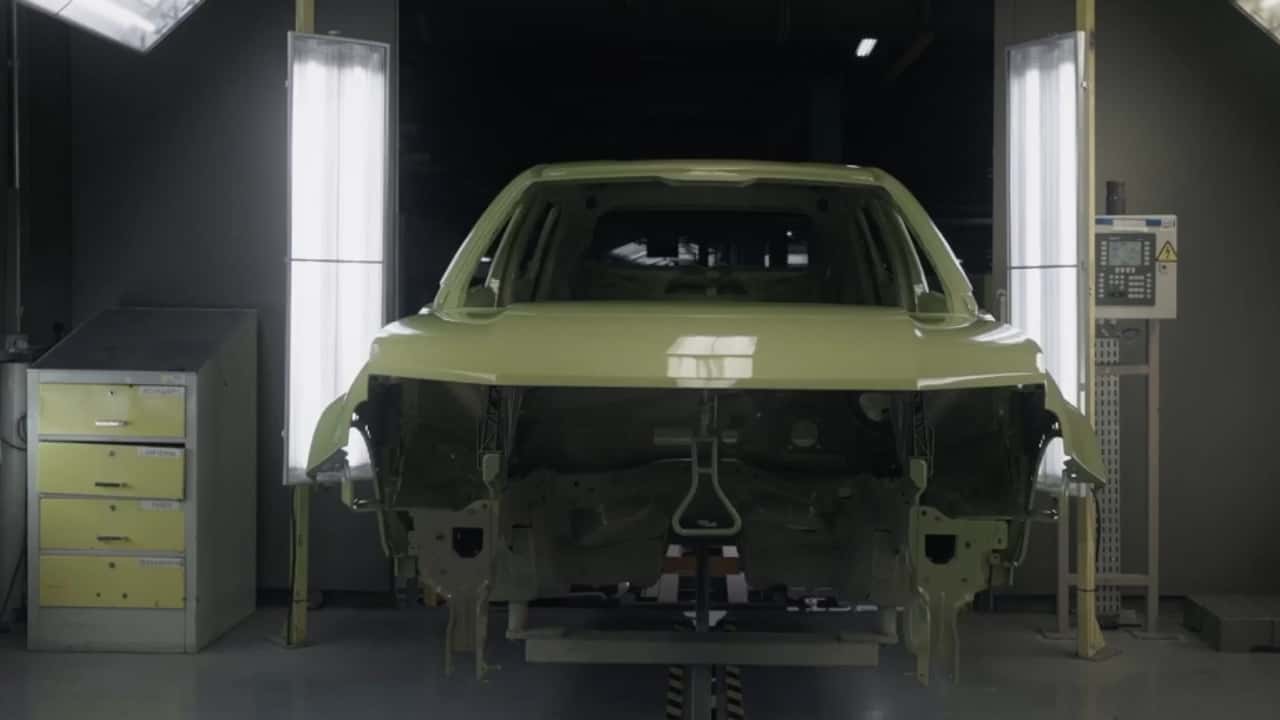
Jeep Avenger begins production in Brazil, debuting as the brand’s new entry-level SUV and inaugurating an unprecedented phase by becoming the first national Jeep manufactured outside of Goiana, as part of a R$ 3 billion plan.
-
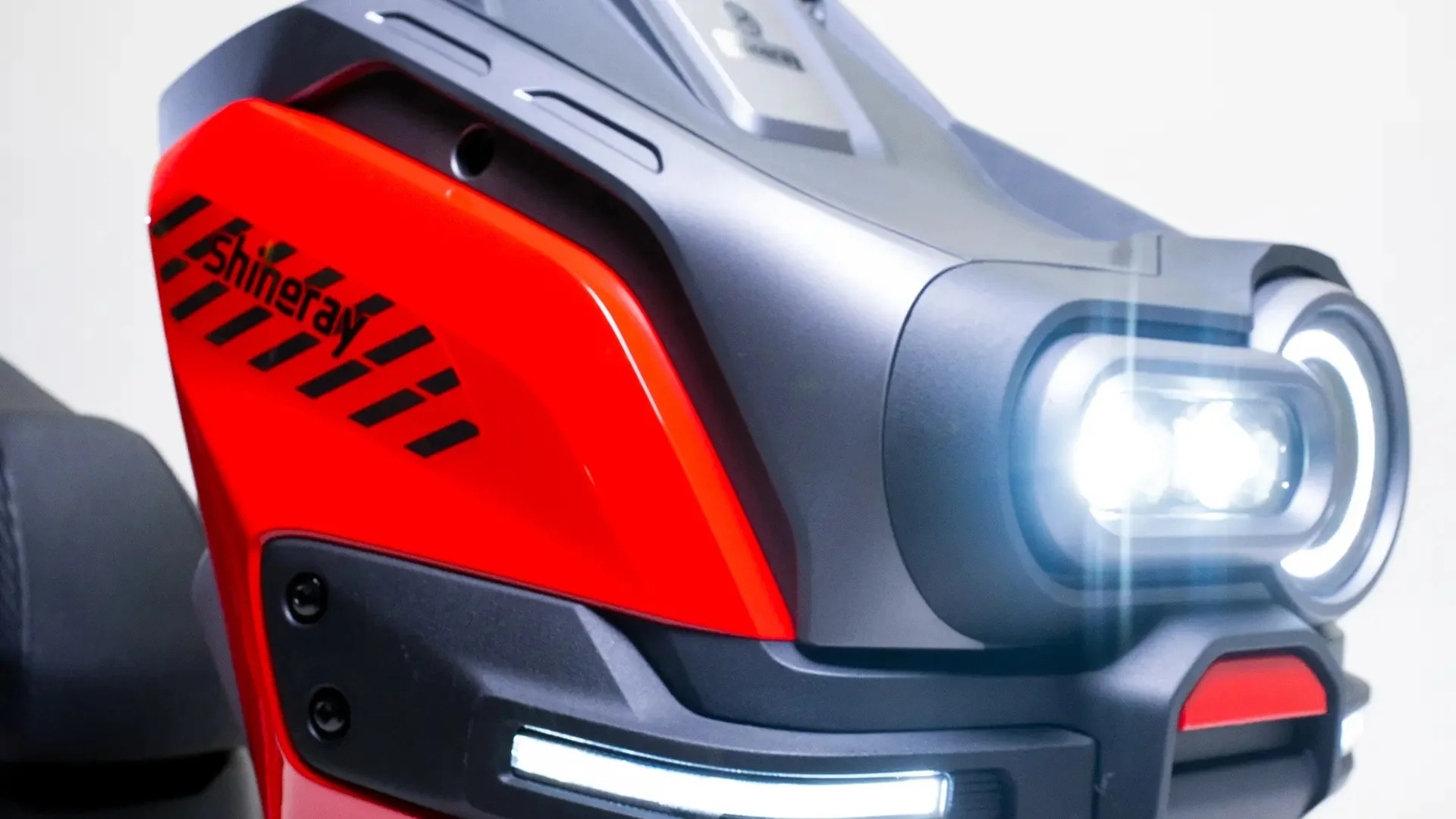
Costing R$ 12,490, the new Shineray Urban Lite 150 “cheap one” arrives in Brazil with a CVT transmission, digital dashboard, and LED lights, making it more affordable than the Biz and targeting those who want to abandon the bus.
-
Ducati brings to Brazil the Superleggera V4 Centenario: 228 hp that become 247 with a track kit, carbon fiber and carbon-ceramic brakes, estimated price between R$ 1.5 and 2 million, deliveries only in 2027.


Why Is Hyundai Eliminating Classic Equipment?
Hyundai’s decision to remove certain equipment from its vehicles is not arbitrary; it reflects a combination of technological advancements, safety concerns, sustainability, and the evolution of consumer behavior itself.
The global automotive market is in constant flux, and technological innovation enables functions that were once dependent on mechanical buttons and levers to be integrated into digital and intelligent systems.
What is behind this initiative? Mainly, the pursuit of:
- Minimalism and Clean Design: Fewer buttons and levers mean more intuitive and aesthetically pleasing panels;
- Enhanced Safety: Automation and intelligent assistance can reduce distractions and human errors;
- Efficiency and Sustainability: Fewer mechanical components can lead to lighter vehicles with lower fuel consumption;
- User Experience: The preference for digital interfaces controlled by voice or touch reflects the widespread use of smartphones and other smart devices.
This trend is not exclusive to Hyundai, but the brand positions itself at the forefront by openly citing the 3 items that will disappear from cars, showing a clear commitment to the future of mobility.
The 3 Items That Will Disappear From Cars: Details of The Transformation
Hyundai has detailed which traditional equipment are on their way out in future models. The list shows a clear migration from analog to digital and from physical to integrated.
1. Traditional Physical Key: The metal key that we have known for decades is on its way out. Hyundai plans to replace it with more advanced access technologies, such as smartphone-based digital keys or biometric recognition systems.
Imagine using your phone or even your fingerprint or facial recognition to unlock and start the car. Beyond convenience, this increases security, making key cloning or loss less problematic.
Remote start functionality and sharing vehicle access via apps will also become standard.
2. Prominent Door Handles: Those handles that stand out on the side of the car are also on the list of equipment to be eliminated. The trend is to adopt retractable or hidden handles that align perfectly with the vehicle’s body when not in use.
This change is not just aesthetic, contributing to a cleaner and more futuristic design. It also improves the car’s aerodynamics, potentially positively impacting fuel efficiency or range in electric vehicles.
Moreover, the integration of sensors for automatic opening via proximity or touch adds a touch of modernity and practicality.
3. Physical Side Mirrors: This is perhaps one of the most emblematic and discussed 3 items that will disappear from cars. Traditional external side mirrors will be replaced by high-definition cameras, whose images are displayed on screens inside the cabin.
This technology is already seen in some luxury and concept models. The main advantage is the significant improvement in aerodynamics, which reduces drag and, consequently, energy consumption.
Additionally, the cameras offer a wider field of view with fewer blind spots, potentially including features like enhanced night vision and proximity alerts, increasing safety.
The experience of driving a car without protruding mirrors will be visually different and, according to Hyundai, safer.
The Future of The Car: More Connected and Less Analog
Hyundai’s vision for the coming years points to a car increasingly integrated into the user’s digital life. The removal of these classic pieces signifies a transition to a vehicle where interaction is more fluid, intuitive, and connected.
These 3 items that will disappear from cars represent more than just simple absences; they signal an era of embedded intelligence and advanced digital functionality.
For the consumer, this evolution means a safer, more efficient car aligned with technologies that already dominate our daily lives, such as smartphones and virtual assistants.
Hyundai and other automakers are redefining what it means to own and drive a vehicle in the 21st century, prioritizing innovation and user experience. The automotive equipment market is thus undergoing a complete reinvention.
This transformation will not be instantaneous, but the foundations are already being laid. Gradually, we will see the dashboard of a car become a fully digital and customizable command center, and interaction with the vehicle will be as natural as with any other smart device.
The future of the automobile, according to Hyundai, is minimalist, safe, and highly technological.










-

Uma pessoa reagiu a isso.