





 Portuguese
  English
  Spanish
  4 min of reading
  3 comments





PIX Faced Turbulent Days After Rumors About Extra Taxation And Financial Monitoring Caused Panic In The Market. Scammers Exploited The Situation, Leading To The Suspension Of The System In Many Stores. With The Announcement Of The Repeal By The Government, Confidence Should Be Restored, Guaranteeing The Free And The Secrecy Of Transactions.
The Free And Convenience That Transformed PIX Into One Of The Most Loved Financial Tools By Brazilians Almost Suffered A Heavy Blow.
In Recent Days, A Series Of Rumors And Misinformation Called Into Question The Use Of This Instant Payment System, Scaring Merchants And Consumers Across The Country.
Would It Really Be The End Of PIX As We Know It? A Government Measure Generated So Much Panic That Many Establishments Suspended Transactions Via PIX, But The Scenario Changed Drastically With An Official Announcement.
-
Larger than entire cities in Brazil: BYD is building a 4.6 km² complex in Bahia with a capacity for 600,000 vehicles per year, but the discovery of 163 workers in conditions analogous to slavery has shaken the entire project.

-
With an investment of R$ 612 million, a capacity to process 1.2 million liters of milk per day, Piracanjuba inaugurates a mega cheese factory that increases national production, reduces dependence on imports, and repositions Brazil on the global dairy map.

-
Brazilian city gains industrial hub for 85 companies that is equivalent to 55 football fields.

-
Peugeot and Citroën factory in Argentina cuts production by half and opens a layoff program for more than 2,000 employees after Brazil drastically reduced purchases of Argentine vehicles.


What Happened?
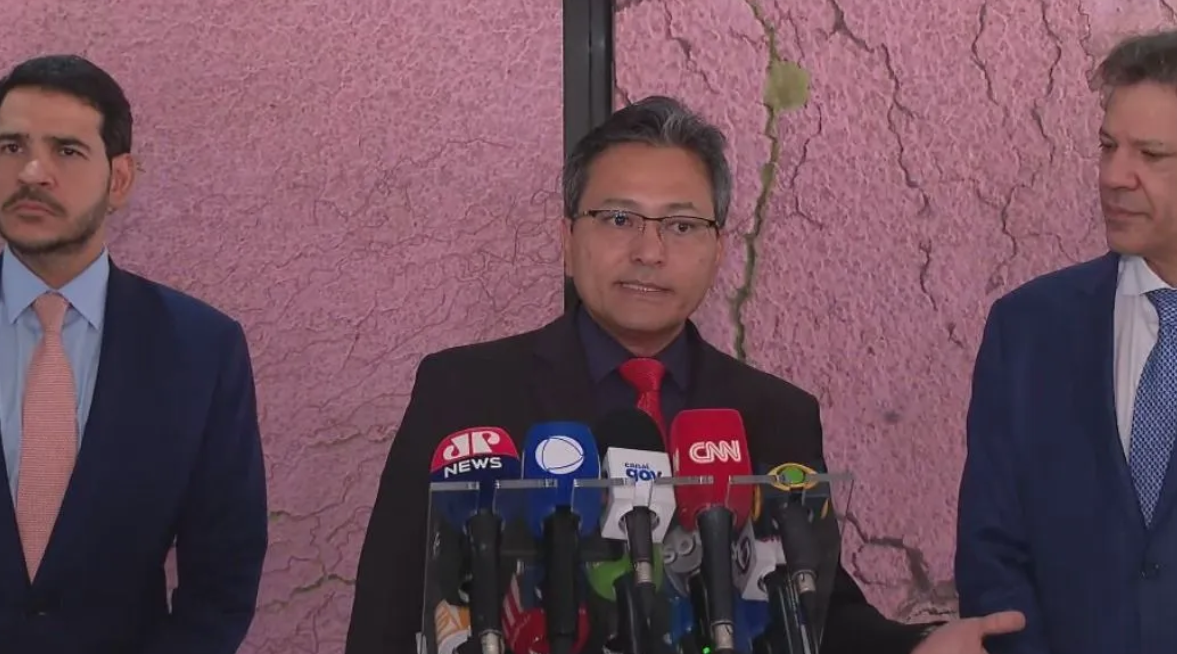
In A Press Conference Held This Wednesday (15), The Secretary Of The Federal Revenue, Robinson Barreirinhas, Confirmed The Repeal Of The Rule That Predicted The Expanded Monitoring Of Financial Transactions.
The Announcement Occurred Next To The Minister Of Finance, Fernando Haddad, Who Reinforced The Government’s Commitment To The Maintenance Of Free And Banking Secrecy In The Use Of PIX.
According To Barreirinhas, The Decision To Repeal The Rule Was Motivated By A Series Of Distortions And Manipulations Promoted By Malicious People.
These False Information Generated An Atmosphere Of Distrust That Primarily Harmed The Most Humble Population.
“We Will Repeal The Act Of The Revenue That Changed Values For Monitoring Financial Transactions. Unscrupulous People Distorted And Manipulated The Normative Act, Harming Millions Of People And Causing Panic”, Declared Barreirinhas.
The Announcement Of Repeal Also Aims To Protect The Processing Of A Provisional Measure (MP) That The Government Intends To Sign, As Highlighted By Fernando Haddad.
“We Want To Reinforce The Principles Of Free And Banking Secrecy Of PIX”, Affirmed The Minister.
The Origin Of The Confusion
At The Beginning Of This Year, The Federal Revenue Announced It Would Expand The Monitoring Of Financial Transactions.
According To The Original Rule, Financial Institutions Such As Card Operators, Payment Platforms, And Virtual Banks Would Be Required To Report Transactions Of:
- R$ 5 Thousand Or More Made By Individuals;
- R$ 15 Thousand Or More Made By Legal Entities.
This Measure, Although Technical And Aimed At Combating Tax Evasion, Ended Up Being Distorted By Rumors.
Scammers Took Advantage Of The Situation To Spread False News And Commit Frauds, Such As Sending Fake Invoices With The Logo Of The Federal Revenue.
According To Haddad, These Scams Included Unjust Charges To Taxpayers, Generating A Large-Scale Negative Impact.
Immediate Market Reaction
Merchants And Consumers Were The First To Feel The Impact Of The Distorted Information. Many Stores Decided To Suspend The Use Of PIX, Fearing Retaliation Or Additional Costs.
The Confusion Generated A Cascading Effect, Leading Social Media To An Avalanche Of Complaints And Questions About The Security Of The System.
However, With The Official Announcement Of The Repeal, It Is Expected That Confidence In PIX Will Be Rapidly Restored.
The Government Reiterated That The System Will Continue To Be Free For All Brazilians And That No Measure Will Violate The Secrecy Of Transactions.
Next Steps Of The Government
With The Repeal Of The Rule, The Federal Revenue Plans To Redesign The Financial Monitoring Model To Avoid New Waves Of Misinformation.
A New Provisional Measure Will Be Presented Soon, Bringing Greater Clarity And Legal Security To Users And Financial Institutions.
Haddad Also Highlighted That The Focus Will Be On Strengthening Tax Legislation Without Compromising Access To Innovative Digital Tools Like PIX.
“There Is No Intention To Create Barriers That Harm The Population,” Guaranteed The Minister.
A Warning For The Future
The Situation Highlighted The Importance Of Combating Misinformation, Especially On Issues Involving The Financial Security Of The Population.
Brazilians Should Stay Alert To Scams And Seek Information Only From Reliable Sources.
Even Though The Crisis Has Been Contained, It Exposes A Greater Challenge: How Can The Government And Financial Institutions Improve Communication With Society To Avoid Misinterpretations And Protect The End User?
The PIX At The Center Of Discussions
Since Its Launch, PIX Has Revolutionized Financial Transactions In Brazil.
Its Use Has Become So Widespread That Today The System Is An Essential Part Of The Routine Of Millions Of Brazilians.
Maintaining Its Free And Security Is A Commitment Of The Government, And Any Measure That Threatens These Premises Causes An Immediate Reaction In The Market And In Public Opinion.
The Question That Remains Is: How Will The Government Ensure That PIX Continues To Be A Model Of Success In The Financial Digitalization Of The Country?









O governo ainda insiste que é sobre o pix ser taxado que é fake,na verdade é tudo que entrar na conta seja pix,dinheiro,ted,doc,não importa passou do limite estipulado o leão vai querer a parte dele!
Se vc tem o seu salario e ja desconta IR na fonte e faz bico,o leão quer a diferença!
Cadê a neutralidade do jornalismo, parece até que você quer defender esse governo ****.
Se era tudo fake news, porque o governo revogou?