





 Portuguese
  English
  Spanish
  4 min of reading
  2 comments


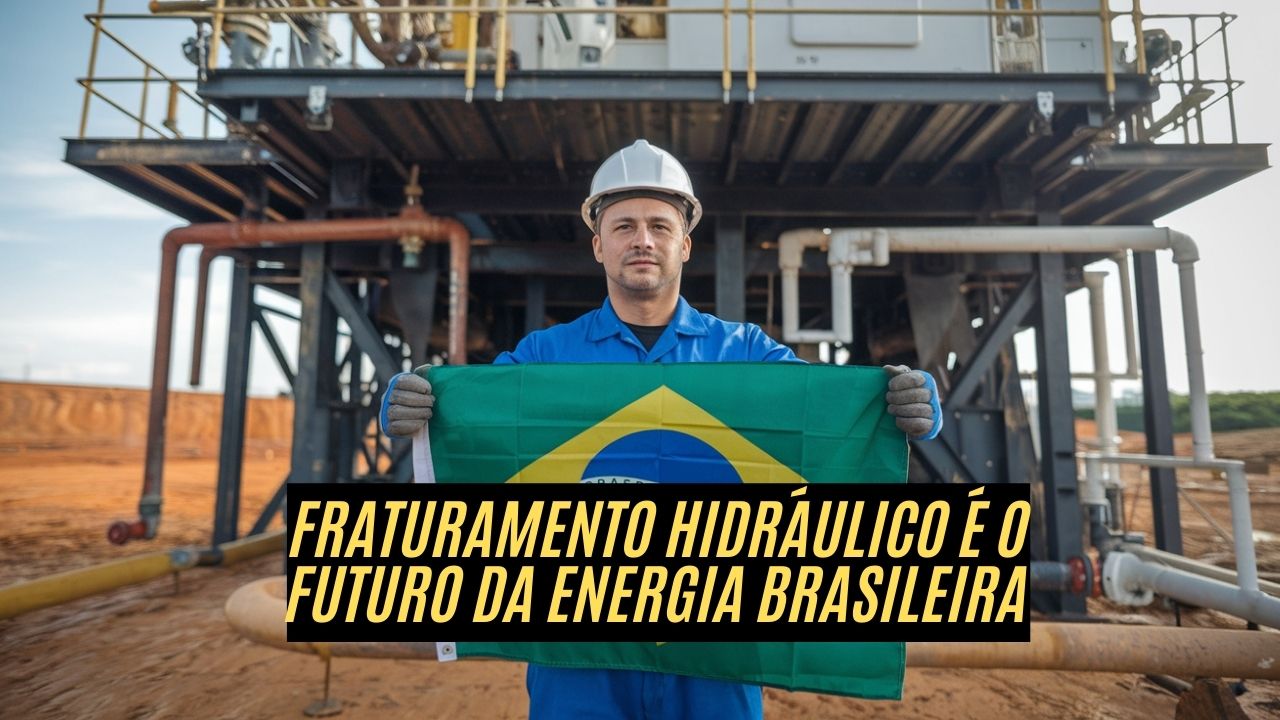

Hydraulic fracturing, also known as fracking, is at the center of the global energy debate. This technique has transformed the economy and geopolitics of the United States, which has moved from oil importer to leader in energy independence. This method has allowed the country to produce more than 70% of its oil and 80% of its natural gas. As a result, the United States has not only reduced the trade deficit but has also strengthened its strategic position in energy supply for allied countries, especially in times of crisis, such as during the war in Ukraine.
In Brazil, the debate about the future of Brazilian energy and the adoption of hydraulic fracturing is still limited, with some prohibitions in certain states and little science-based discussion. Even so, Brazil consumes fuels derived from this process, importing, for example, increasing volumes of diesel from the U.S. and natural gas from Argentina. For experts, it is essential for the country to invest in research and technology, aiming for domestic production that can reduce reliance on imports and generate jobs internally.
The Economic And Geopolitical Benefits Of Hydraulic Fracturing For Brazilian Energy
In the United States, hydraulic fracturing was a game-changer. According to expert Allan Kardec, former director of ANP and president of Gasmar, the technology allowed the country to stop being the world’s largest oil importer and become self-sufficient. As a result, the American economy strengthened, significantly reducing spending on oil imports.
Moreover, hydraulic fracturing has played an important geopolitical role. Liquefied natural gas (LNG) produced in the U.S. has become an essential resource for Europe, especially after the destruction of the Nord Stream pipeline, which interrupted Russian gas supply to Germany. In this context, fracturing has been essential to ensure energy security for European countries, highlighting the strategic importance of this technology.
-
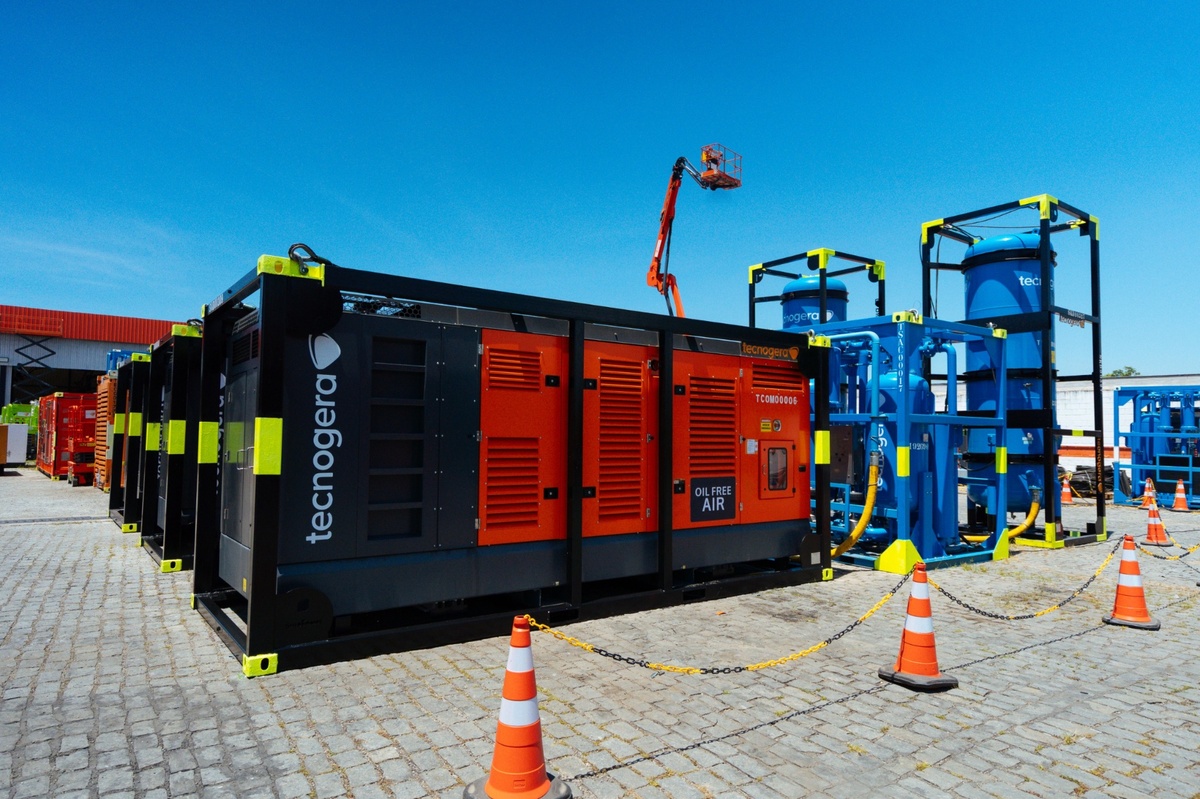
Offshore industrial demand in Macaé skyrockets with the recovery of oil and gas and could grow by up to 396% by 2026 in the Campos Basin.
-
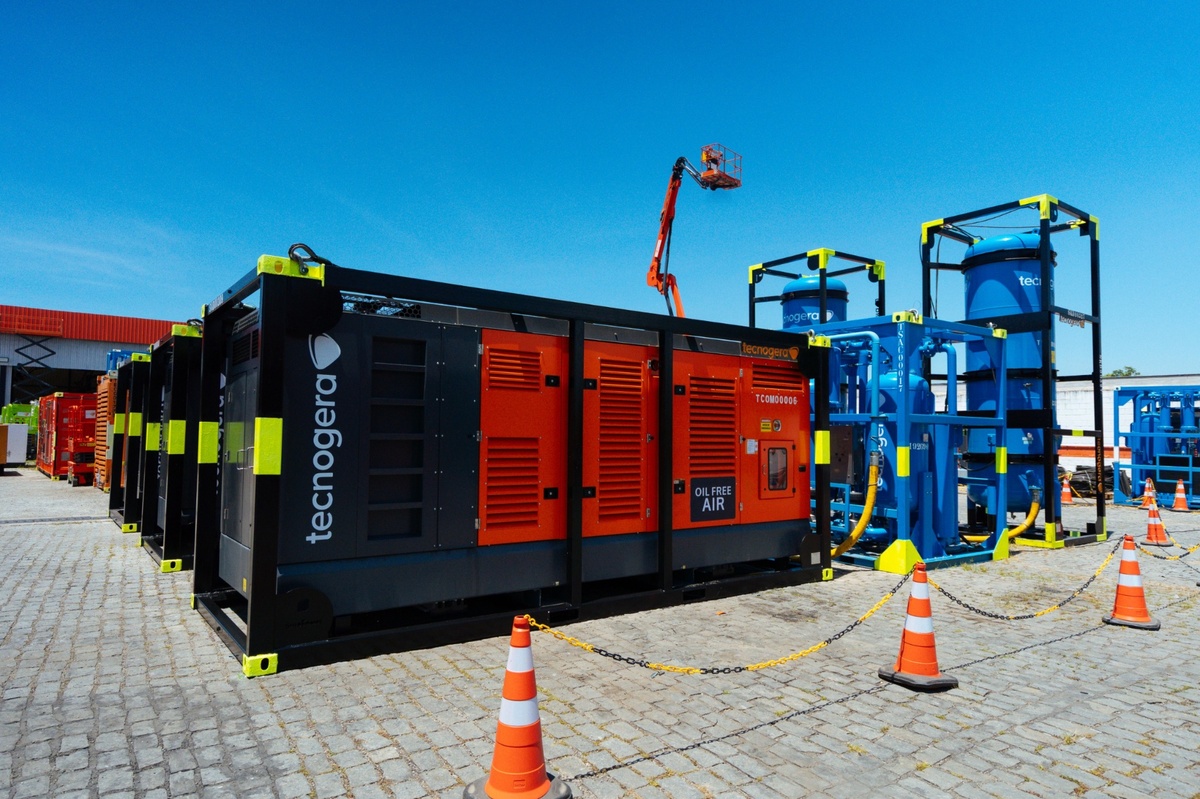
Offshore industrial demand in Macaé surges with the recovery of oil and gas and could grow by up to 396% by 2026 in the Campos Basin.
-
Brazilian giant expands borders in the Southeast: Petrobras confirms new oil discovery in ultra-deep waters in the pre-salt of the Campos Basin.

-
Alert in the global energy market: Severe tropical cyclone hits the coast and disrupts gas production at major plants in Australia, threatening global supply.


Brazilian Dependence On Imported Fuels
Although Brazil still does not widely utilize hydraulic fracturing in its production, the country is a major consumer of fuels from this technique. In 2022, diesel imports from the U.S. reached approximately 1 billion liters, accounting for about 17% of the country’s total diesel imports. This growth in imports highlights Brazil’s dependence on foreign fuel, even with restrictions on fracking practices in some regions of Brazil.
Another example is natural gas imported from Argentina, which also uses hydraulic fracturing for exploration. In 2020, Brazil imported about 12 billion cubic meters of Argentine gas, representing approximately 30% of its gas imports that year. These imports have been crucial, especially during the colder months when demand increases significantly.
Challenges And Prospects For The Future Of Brazilian Energy
Despite the benefits observed in other countries, hydraulic fracturing faces resistance in Brazil. The debate is often marked by ideological issues and a lack of scientific information. Some states have prohibited the technique’s use even as they consume fracking derivatives from other nations. This external dependence reinforces the need for a more comprehensive and technically grounded debate about the future of Brazilian energy.
Experts like Daniel Soeder, author of “Fracking and the Environment: A Scientific Assessment of the Environmental Risks from Hydraulic Fracturing and Fossil Fuels,” emphasize the importance of balanced analysis regarding hydraulic fracturing. Soeder addresses potential environmental risks, such as aquifer contamination and greenhouse gas emissions, and proposes the adoption of safe practices and regulations that balance energy development with environmental protection.
For Brazil, science and technology are fundamental for the country to responsibly explore its resources. Investing in research on hydraulic fracturing may be the way to achieve energy independence, generating jobs and strengthening the economy. Meanwhile, the country continues exporting income and jobs to the United States and Argentina by importing fuels that could be produced locally.
The Adoption Of Hydraulic Fracturing In Brazil Still Faces Political And Ideological Barriers
However, as other countries showcase the economic and geopolitical benefits of this technology, it is important for Brazil to seriously evaluate the future of Brazilian energy. Investing in scientific research, technology development, and responsible regulation could open pathways for the country to explore hydraulic fracturing sustainably.
Hydraulic fracturing, therefore, is not only a matter of energy independence but an opportunity for Brazil to take control of its energy future and promote internal economic development. In a competitive global landscape with rising geopolitical tensions, having domestic energy production becomes essential for the country’s sustainable growth.










https://arayara.org/por-que-voce-precisa-saber-o-que-e-fracking/
método tão danoso e que se soma à lista de ameaças ambientais e sociais que o nosso país coleciona”, ressalta o engenheiro Juliano Bueno de Araújo, fundador e diretor da Coalizão Não Fracking Brasil (COESUS).
Acreditamos que nossa campanha ganha muito mais força com a participação popular e com o entendimento do que é essa prática. Por isso, convidamos todos a participar, dialogar e se juntar às nossas ações contra essa prática predatória, devastadora e que ameaça a vida humana, as nossas terras e o nosso planeta.