





 Portuguese
  English
  Spanish
 5 min of reading


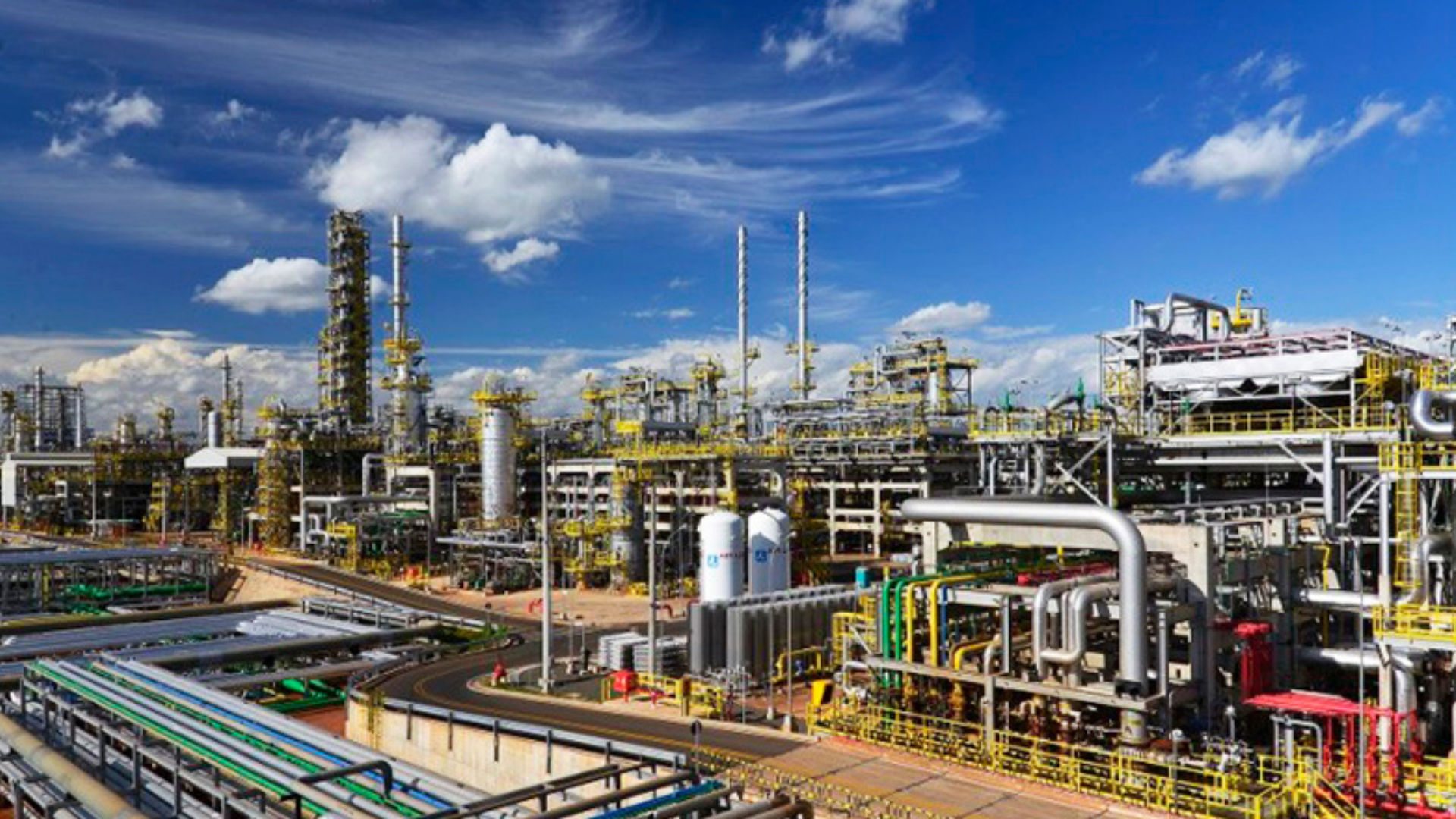
At Least 5 Investment Projects Adding Up to a Billion Dollar Amount Are Underway for the Production of High-Quality Petroleum Derivatives
Who hasn’t heard that Brazil is self-sufficient in oil? This status has been in place since 2015 when the country began to produce more of the product than it consumes. Nevertheless, gasoline in Brazil is one of the most expensive in the world. The two main reasons for the above-average prices of this fuel are: Petrobras’ policy of basing the value of oil on the international market and the need for imports since there is not enough refining capacity here.
It is through the refining of oil that the separation of its components occurs based on the difference in boiling point ranges of the fractions. It is in this process that a variety of derivatives such as gasoline and diesel fuel, among others, are obtained.
It is at refineries where oil undergoes this process until the creation of fuels. In Brazil, there are at least 14 units in operation, with 3 already sold, 5 awaiting sale, and 6 that will remain owned by Petrobras.
-
Unemployment rises again to 5.8% at the beginning of 2026, raising alarms about the end of temporary positions and its impact on the Brazilian job market.

-
Document organization can cut invisible costs in small businesses, a simple step that prevents waste, rework, and losses in daily operations.

-
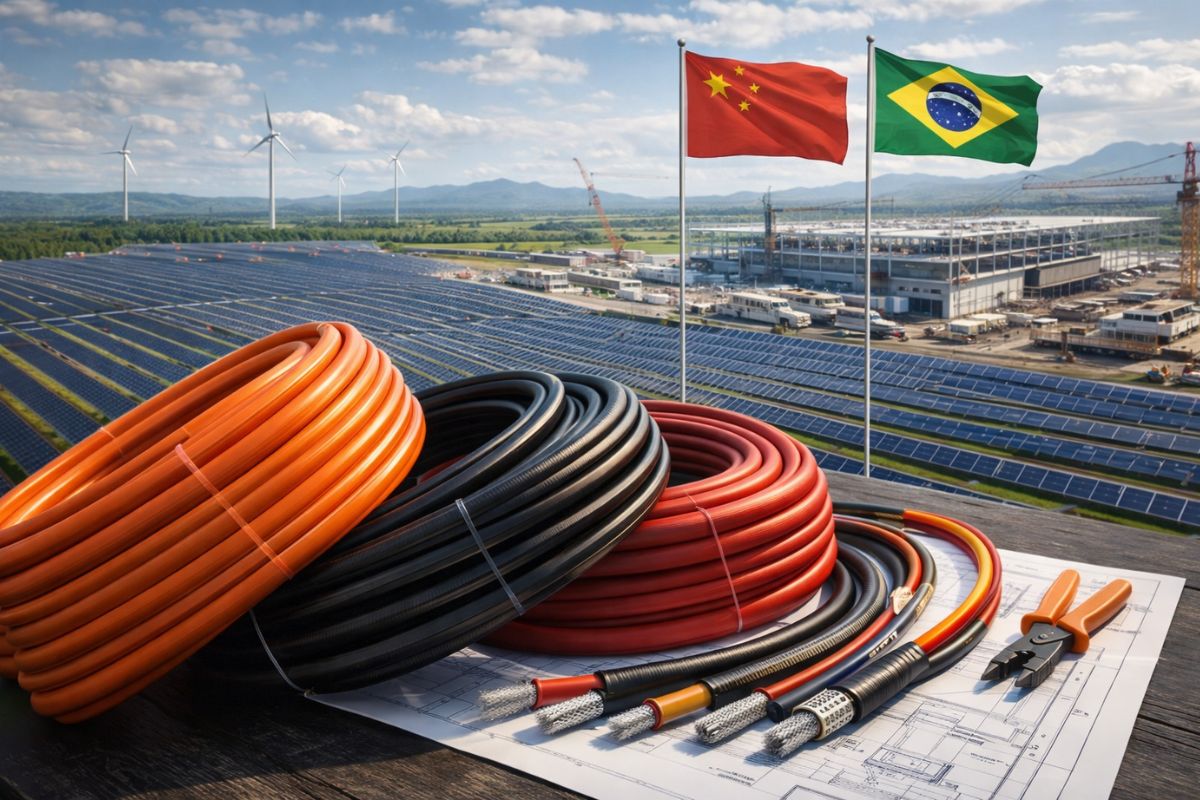
Chinese giant worth nearly R$ 4 billion that manufactures cables for electric cars, solar energy, and robotics wants to open a factory in SC.
-
Many employers do not know, but the law guarantees domestic workers a 25% increase in salary during trips, 50% for overtime, 20% for night shifts, and 17 additional benefits that can lead to labor lawsuits if not paid.


All of these are operating at their maximum capacity, considering the appropriate production conditions, safety, profitability, and logistics, but are unable to meet the fuel demand in the country, thus creating the necessity to buy from abroad.
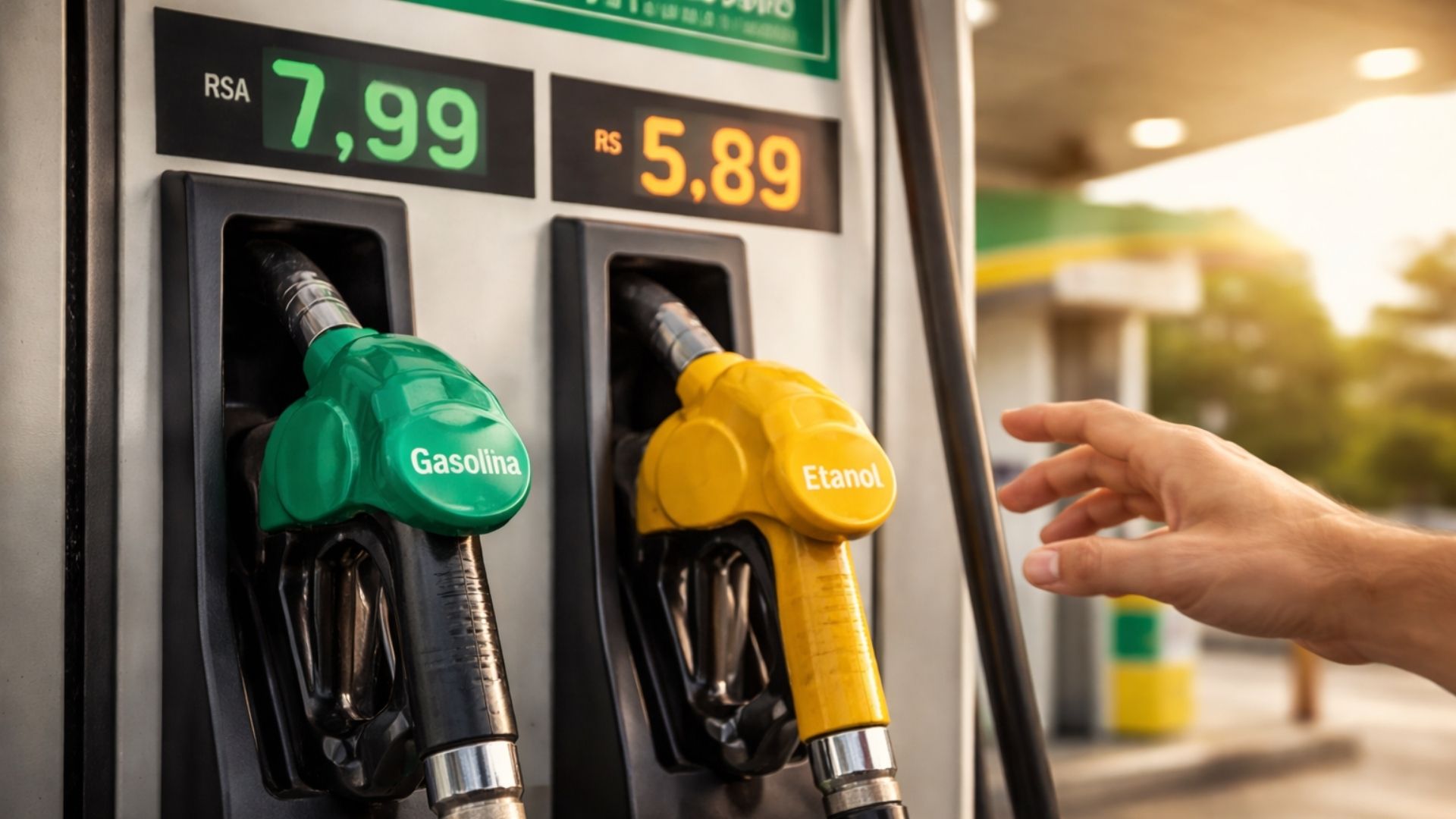
Currently, gasoline is sold in Brazil at prices 15% above the average practiced in 170 countries, according to a survey conducted on the website of the consulting firm Global Petrol Prices. Concerning diesel, the price will rise from R$ 4.51 to R$ 4.91 per liter this Tuesday (10).
But what could Brazil do to be less dependent on oil imports and consequently reduce the average prices of these fuels? According to experts, some of the alternatives would be new projects or more investments in existing refineries.
Currently, there are at least 5 investment projects in refining that total more than US$ 6.1 billion through Petrobras’ 2022-2026 Strategic Plan, including the expansion of the capacity for high-quality petroleum derivatives, such as low-sulfur diesel S-10. Below we will detail which projects are underway to boost refining in Brazil.
5 Projects to Boost Refining in Brazil
- Completion of the Second Unit (Train) of Abreu e Lima Refinery: The works are part of Petrobras’ 2022-2026 Strategic Plan. The project provides that after the expansion of the refinery’s processing capacity in Pernambuco from 115,000 to 260,000 barrels of oil per day by 2027, the capacity for producing S-10 diesel will increase by 95,000 barrels per day.
- Integration between Duque de Caxias Refinery (Reduc) and the GasLub (Former Comperj) in Itaboraí: The project has advanced to achieve the additional capacity of 93,000 bpd of S-10 diesel and QAV, in addition to 12,000 bpd of higher-quality lubricants.
- New Unit of Replan: The works of this unit located in Paulínia, São Paulo, are scheduled to begin in 2022 with completion by the end of 2025. The goal is to produce up to 10,000 cubic meters (m³) of S-10 diesel per day, increasing Replan’s capacity to 34,000 m³/day.
- Adaptations at Duque de Caxias Refinery (Reduc): The unit will undergo renovations to increase the production capacity and quality of the diesel manufactured on-site. The completion of the work is expected for the second half of 2023. The production capacity of S-10 diesel at Reduc is expected to increase from the current 5,000 m³/day to 9,500 m³/day.
- Modernization of Revap: At the Henrique Lage Refinery (Revap) located in São José dos Campos, São Paulo, there will also be works to adjust the diesel hydrotreatment unit. The project’s activities at the refinery are expected to be completed by December 2025.
Refining Units in Brazil: Which Have Been Sold and Which Are Waiting for Purchase
As mentioned above, of the 14 refineries currently operating, 3 have already been sold, 5 are awaiting sale, and 6 will continue to belong to Petrobras:
Refineries Already Sold:
- Isaaque Sabbá in Manaus (AM) for R$ 994.15 million to the Atem group
- Landulpho Alves in São Francisco do Conde (BA) for US$ 1.8 billion to Mubadala Capital
- Xisto Industrialization Unit in São Mateus do Sul (PR) for US$ 33 million to F&M Resources
- Clara Camarão Potiguar Refinery in Guamaré (RN) for US$ 1.38 billion to 3R Potiguar S.A., a subsidiary of 3R Petroleum Óleo e Gás S.A.
Units Waiting to Be Sold:
- Lubricants and Derivatives Refinery of the Northeast in Fortaleza (CE)
- Abreu e Lima Refinery in Cabo de Santo Agostinho (PE)
- Gabriel Passos Refinery between Betim and Ibirité (MG)
- Presidente Getúlio Vargas Refinery in Araucária (PR)
- Alberto Pasqualini Refinery in Canoas (RS)
Units That Will Be Maintained by Petrobras
- Paulínia Refinery (SP)
- Henrique Lage Refinery in São José dos Campos (SP)
- Presidente Bernardes Refinery in Cubatão (SP)
- Capuava Refinery in Mauá (SP)
- Duque de Caxias Refinery (RJ)
Difficulty of Refining Oil from the Pre-Salt vs. Structure of Refineries
A large part of Brazilian refineries was built in the 1970s. At that time, the oil used here in Brazil was imported, only of the light type. The discovery and extraction of oil in the Campos Basin occurred, requiring refineries to adapt to refine the heavier domestic product.
Starting in 2007, light oil also began to be obtained in Brazil due to the discovery of pre-salt reserves, but with different characteristics. Without the specific sets of machines in refineries for the production of fuel from light derivatives, Brazil began to export it. Therefore, refineries designed for refining heavy oil receiving light oil could be seen as a waste of resources.









Seja o primeiro a reagir!