





 Portuguese
  English
  Spanish
  3 min of reading
  0 comments


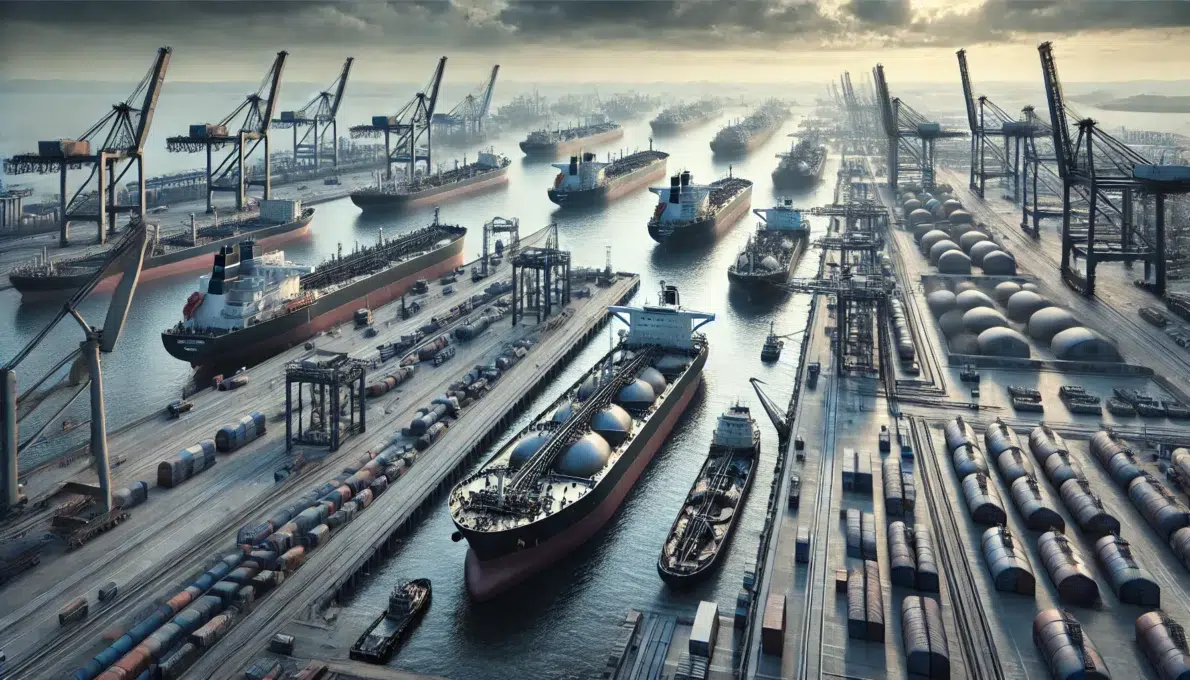
The Maritime Sector Needs To Adapt. Discover The Alternatives And Challenges For Ships Carrying Fossil Fuels In A World With Reduced Emissions
The climate emergency is an issue of extreme importance. The Paris Agreement of 2015 sets a goal to limit global warming to 1.5 ºC, requiring an unprecedented international effort. One of the questions that need to be resolved along the way is the fate of ships that carry fossil fuels.
One Third Of The Deep-Sea Fleet Is Dedicated To Fossil Fuels
More than one third of commercial shipping is dedicated to fossil fuels. There are approximately:
- 13,000 oil tankers transporting crude oil and derivatives
- 3,000 LNG carriers transporting natural gas and liquefied petroleum gas
- 2,500 bulk carriers transporting coal
These vessels, combined with the new ones yet to be delivered, represent an economy of US$ 596 billion.
-
Offshore industrial demand in Macaé surges with the recovery of oil and gas and could grow by up to 396% by 2026 in the Campos Basin.
-
Brazilian giant expands borders in the Southeast: Petrobras confirms new oil discovery in ultra-deep waters in the pre-salt of the Campos Basin.

-
Alert in the global energy market: Severe tropical cyclone hits the coast and disrupts gas production at major plants in Australia, threatening global supply.

-
Petrobras finds high-quality oil in the pre-salt at 113 km from RJ and reignites expectations about strategic reserves in the Campos Basin.


The Threat Of Ghost Ships
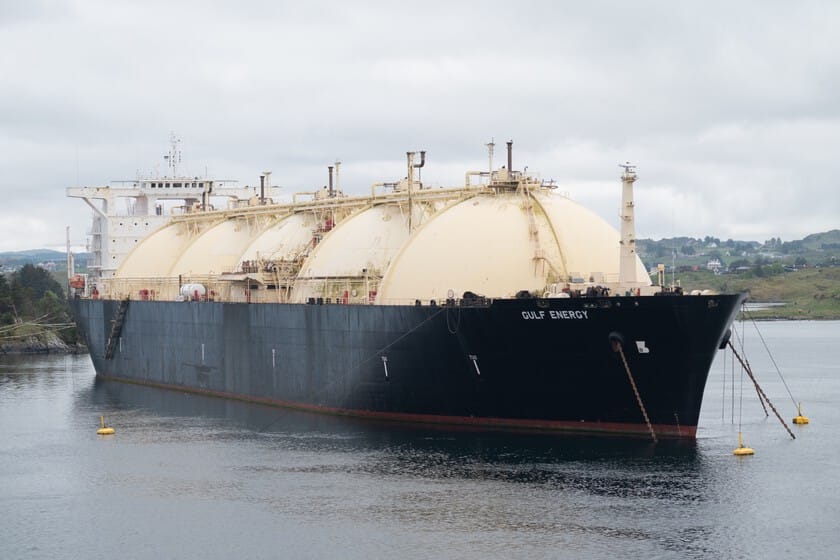
According to a study by University College London and the Kühne Foundation of Switzerland, up to US$ 286 billion of the total value of operational ships is at risk of disappearing as the world reduces its carbon emissions. This amounts to a 37% reduction in the benefits of shipping for the next 25 years. A tangible consequence of this is the enormous portion of the fleet that may become inactive.
Origins Of The Numbers
The study is based on a scenario from the International Energy Agency (IEA) that predicts global carbon emissions will reach net zero by 2050. This scenario, to which the European Union and the United States have committed, as well as the energy sector of China with a target of net zero emissions by 2055, would result in a significant drop in demand for fossil fuels.
Limited Reconversion Opportunities
The maritime sector will have some opportunities to mitigate the impact of the energy transition. Bulk carriers transporting coal can be adapted to carry other bulk materials, such as the minerals needed for solar panels, whose demand will increase in the coming decades. Similarly, oil tankers could be adapted to transport methanol and other biofuels, although this depends on demand. However, reconversion opportunities will be much more limited in the case of natural gas ships, specifically designed to transport LNG at extremely low temperatures.
Adapt Or Die
The reality is that oil companies continue to extract fossil fuels and countries continue to buy floating oil as if the climate emergency did not exist. With no reason to panic, shipping companies like the Norwegian Frontline have increased their operations over the past two years, favored by the war in Ukraine. However, adapting, diversifying their activities in time, and moderating investment in new vessels may be what keeps shipping companies afloat, the authors of the study say.

The Impact Of Climate Policies On Maritime Transport
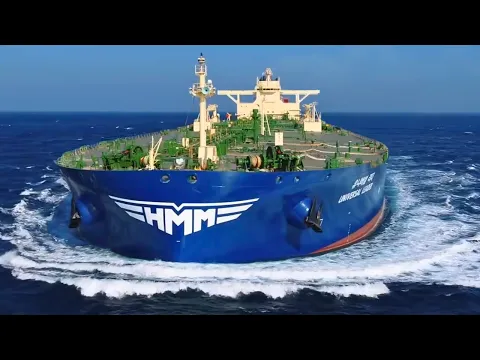
Global climate policies are becoming increasingly stringent, directly affecting the transport of fossil fuels. In 2020, the International Maritime Organization (IMO) implemented new regulations to reduce the sulfur content in marine fuels as part of an effort to decrease air pollution. Such measures show a clear path toward a continued reduction in the demand for fossil fuels in the maritime sector.
Transition Initiatives
Some companies are already investing in alternative technologies and cleaner fuels. Maersk, one of the largest shipping companies in the world, announced plans to operate its first carbon-neutral ship by 2023, using green methanol. These initiatives are crucial for the industry, which needs to find viable ways to transition to a low-carbon economy.
The future of ships carrying fossil fuels is uncertain. As the world moves toward a low-carbon economy, the maritime sector faces significant challenges. Adaptation, diversification, and innovation are essential for these companies to remain competitive and relevant. The energy transition is inevitable, and the maritime industry must prepare for a future where fossil fuels will play a much smaller role.










Seja o primeiro a reagir!