





 English
  Francês
  Alemão
  Italiano
  Japonês
  Norueguês
  Portuguese
  Spanish
  4 min of reading


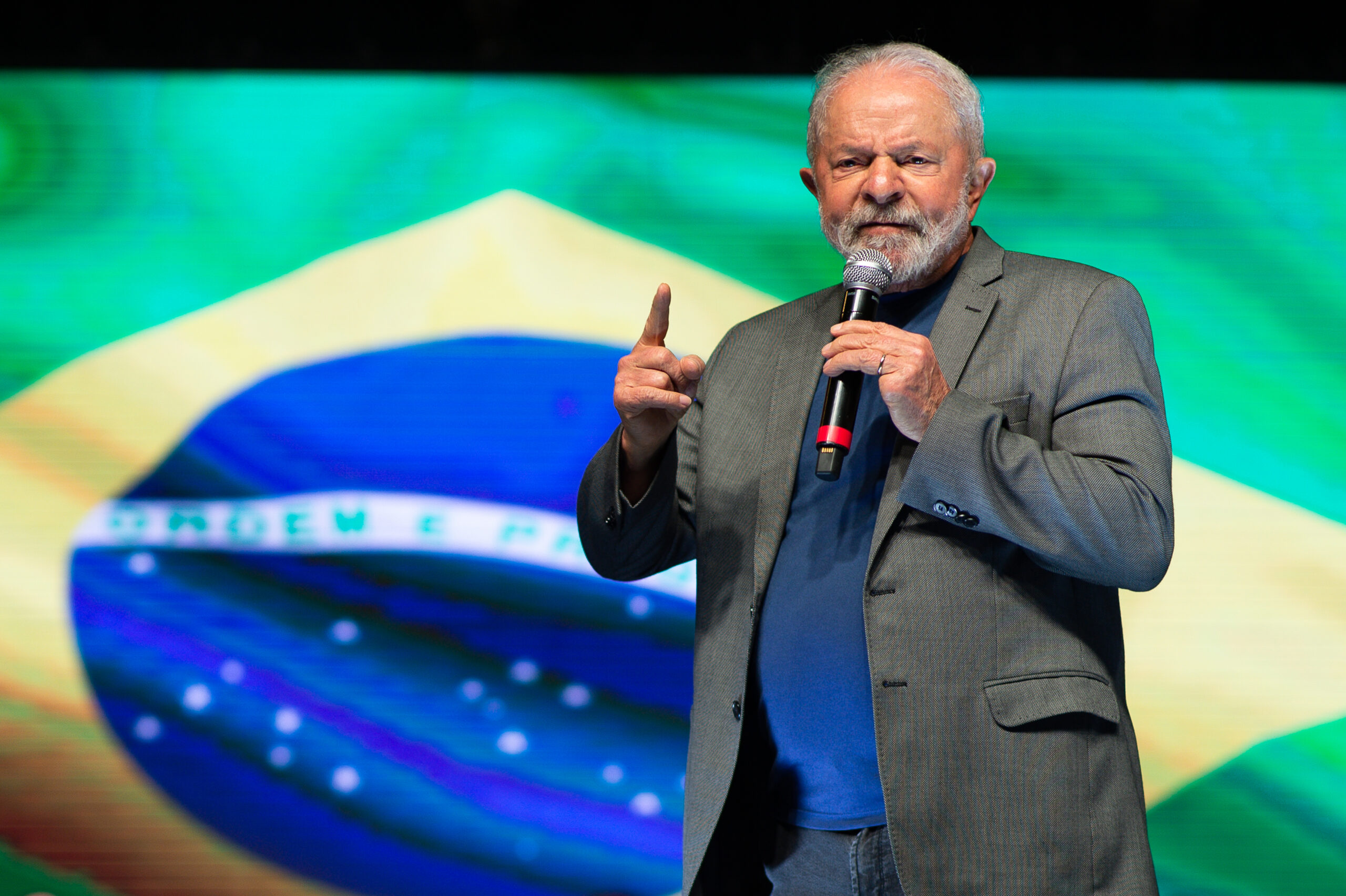
Energy Transition With Expansion of the Grid With Clean Sources and Change in the International Parity Price of Petrobras Were Commitments Assumed by the Elected President
With just over 50% of the valid votes, the candidate of the Workers’ Party (PT), Luís Inácio Lula da Silva, was elected president of the Republic against his opponent Jair Bolsonaro (PL). Definitely, the closest election in the history of Brazil. Now, what is expected are the advances and changes promised by the petista during the pre-electoral period and assumed in his government program. Regarding the energy sector, the promises concern the expansion of the grid with renewable sources with Petrobras’ participation, making the state-owned company an integrated energy company.
According to Lula, the state-owned company should increase its capacity to generate clean energy with the expansion and development of new projects in natural gas and biofuels. The elected president’s promise is to “guarantee the sovereignty and energy security of the country, with an increase in the energy supply, deepening the diversification of the grid, with the expansion of clean and renewable sources at prices compatible with the Brazilian reality.”
With a profile completely opposite to the current administration in several aspects, Lula has already made it clear that he is against the privatization of Petrobras. According to the elected president’s campaign, the state-owned company will have its strategic and investment plan oriented towards energy security, national self-sufficiency in oil and derivatives, and ensuring the supply of fuels in the country. “(Petrobras) will return to being an integrated energy company, investing in exploration, production, refining, and distribution, but also acting in segments that connect to ecological and energy transition, such as gas, fertilizers, biofuels, and renewable energies. It is necessary to preserve the sharing regime, and the social fund of the pre-salt must be, again, at the service of the future,” he says.
-
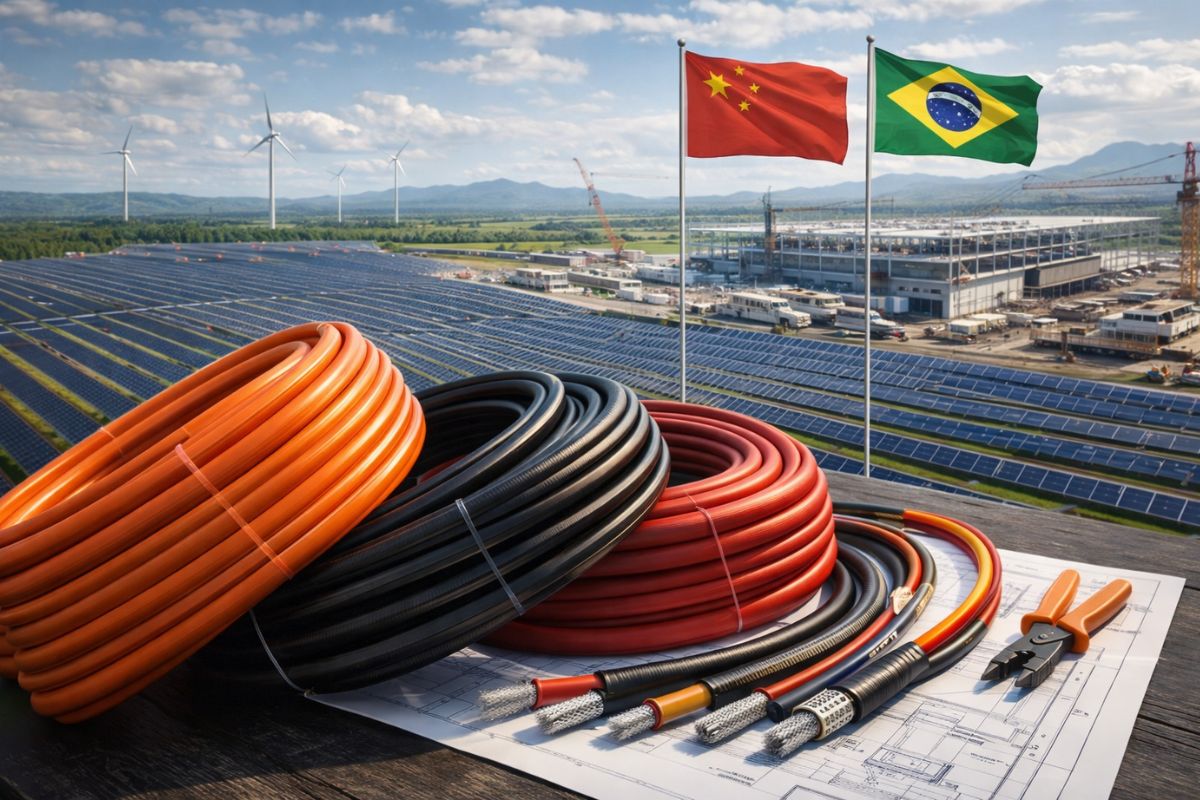
Chinese giant worth nearly R$ 4 billion that manufactures cables for electric cars, solar energy, and robotics wants to open a factory in SC.
-
Many employers do not know, but the law guarantees domestic workers a 25% increase in salary during trips, 50% for overtime, 20% for night shifts, and 17 additional benefits that can lead to labor lawsuits if not paid.

-
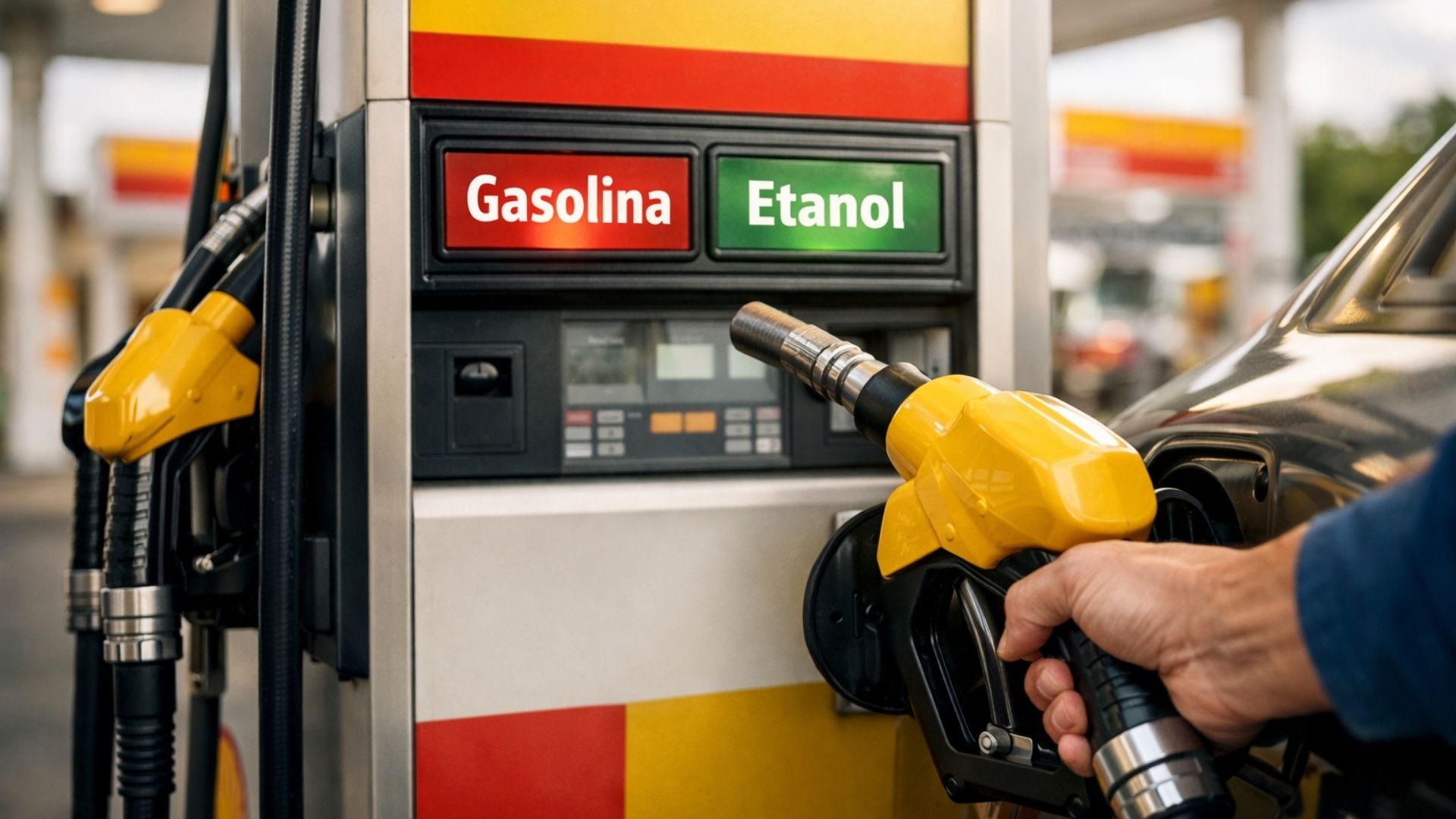
Gasoline prices soar and the question arises: is ethanol more advantageous? The 70% rule reveals the limit with gasoline.

-
The government has made a decision and is starting a test with more ethanol in gasoline, anticipating a mixture of up to 35%, diesel with 25% biodiesel, and a study to assess the impacts on engines.

The privatization of Petrobras would be one of the triumphs of Jair Bolsonaro’s government, which has always been strongly criticized by the opposition that saw the maneuver as dismantling.
Eletrobras: Lula Is Against Privatization, But Process Is Not Expected to Be Reversed
Lula is also against the privatization of Eletrobras, the largest electricity generation company in South America, responsible for half of Brazil’s transmission lines. However, financial market analysts believe that the process is well protected due to the clause that limits any shareholder’s voting power to 10% and that there is what they call a poison pill, which is a mechanism against acquisition attempts by another investor. Furthermore, any action to reverse the privatization would need Congress approval, which is now composed mostly of center-right parliamentarians.
Eletrobras is important for Brazil’s energy sovereignty and enables programs like Light for All, which will continue under Lula’s government.
New Fuel Price Policy on the Horizon
Back in July, then-presidential candidate Lula said he intended to change Petrobras’ policy to end the Import Parity Price (IPP). For the now-elected president, this model only serves to please shareholders, even though the Union is the largest shareholder.
In the government plan, the petista’s campaign states that “the country needs a transition to a new fuel and gas pricing policy that considers national costs and is suitable for increasing investments in refining and distribution and reducing the cost of living. The gains of the pre-salt cannot dissipate due to an internationalized and dollarized pricing policy: it is necessary to Brazilianize fuel prices and increase national production of derivatives, with the expansion of the refining capacity.”
Who Are the Possible Future Presidents of Petrobras?
The market is already closely monitoring the moves to choose the future president of Petrobras. Lula is expected to talk with allied parties to reach a consensus on the name that will lead the state-owned company’s business strategies. The following are considered:
- Jean Paul Prates: PT senator and the main advisor on energy policy during Lula’s campaign. He was Petrobras’ legal consultant in the 1980s. In 1997, he helped draft the Oil Law.
- José Sérgio Gabrielli: He previously presided over Petrobras when it began exploring the pre-salt. The economist was in charge of the state-owned company when corruption schemes were uncovered by Operation Lava Jato, but he was not convicted.
- Maurício Tolmasquim: Engineer and academic at UFRJ, he was head of the Energy Research Company (EPE) from 2005 to 2016, when the PT was in power. He was responsible for conducting studies on the energy sector that would help shape government policy for the sector.
- William Nozaki: Political scientist and economist, he is also the coordinator of the Institute of Strategic Studies of Oil, Natural Gas, and Biofuels (Ineep), associated with the Unified Federation of Oil Workers (FUP). He supports increasing investments in Petrobras’ refining network and slowing down the sale of assets.










Seja o primeiro a reagir!