





 Portuguese
  English
  Spanish
  4 min of reading
  0 comments


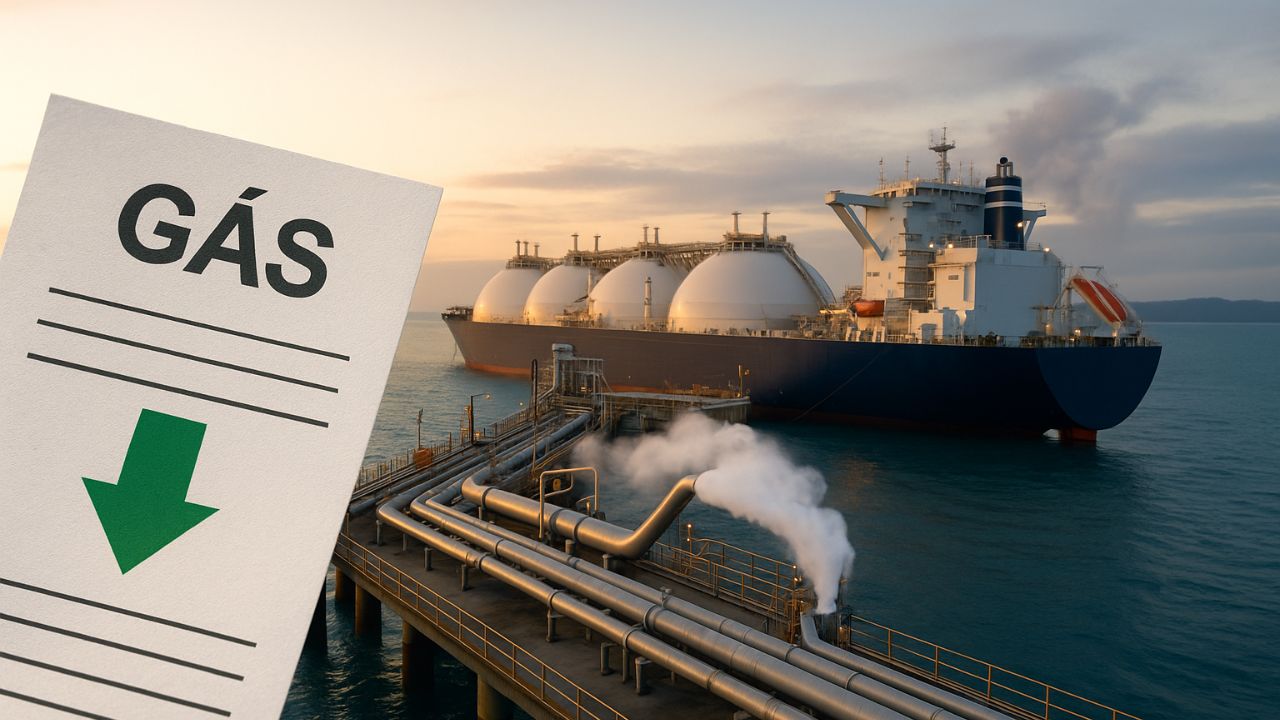
With the break of the Petrobras monopoly and the arrival of new players, the natural gas market is reconfiguring, promising lower prices and greater energy security for the country.
The natural gas market in Brazil is undergoing its most profound transformation. After decades of Petrobras dominance over the entire production and import chain, the sector is moving towards a new competitive model. This change is driven by the New Gas Law and, primarily, by the expansion of private Liquefied Natural Gas (LNG) terminals. These new projects are breaking the monopoly at the entry point for imported gas, creating a new dynamic for LNG in Brazil.
How The New Gas Law Transformed The Sector
For many years, the gas market was synonymous with Petrobras. The state-owned company controlled essential infrastructure, such as transportation pipelines and, crucially, LNG import terminals. This structure made competition virtually unfeasible. Any competitor depended on Petrobras to access the market.
Previous attempts at liberalization, such as the Gas Law of 2009, failed. They defined third-party access to infrastructure as "voluntary", which in practice kept the doors closed. The real change came with Law No. 14,134/2021, the New Gas Law. Its central pillar is the guarantee of “non-discriminatory” access to essential infrastructures. This clause required the opening of terminals, drainage pipelines, and processing units, creating the conditions for real competition.
-
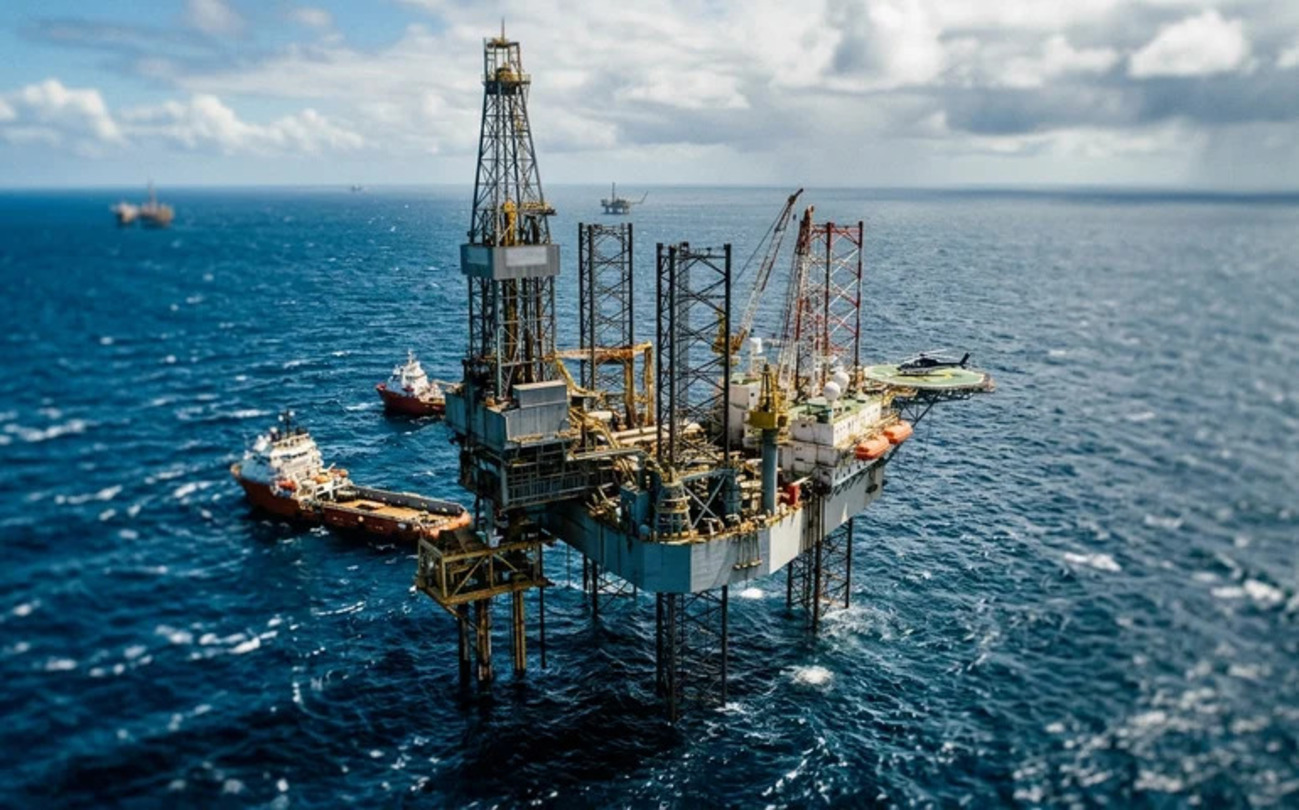
Brazilian giant expands borders in the Southeast: Petrobras confirms new oil discovery in ultra-deep waters in the pre-salt of the Campos Basin.
-
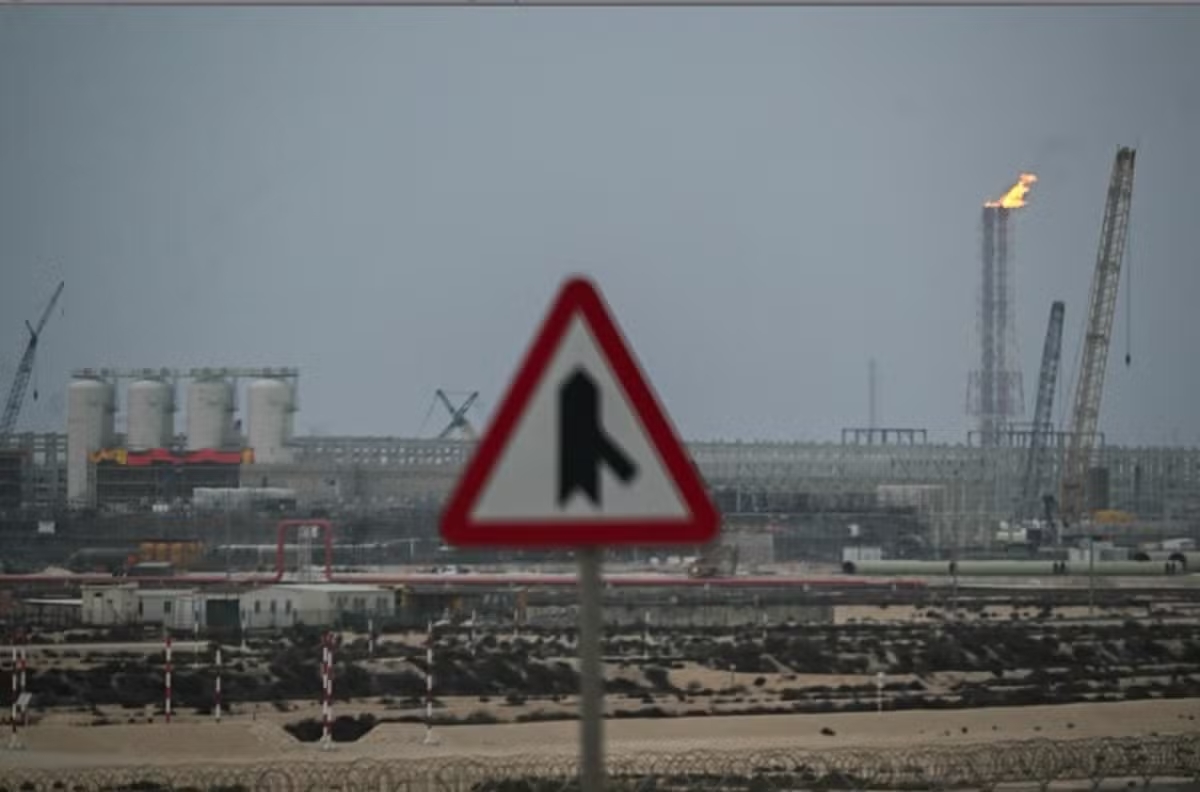
Alert in the global energy market: Severe tropical cyclone hits the coast and disrupts gas production at major plants in Australia, threatening global supply.
-
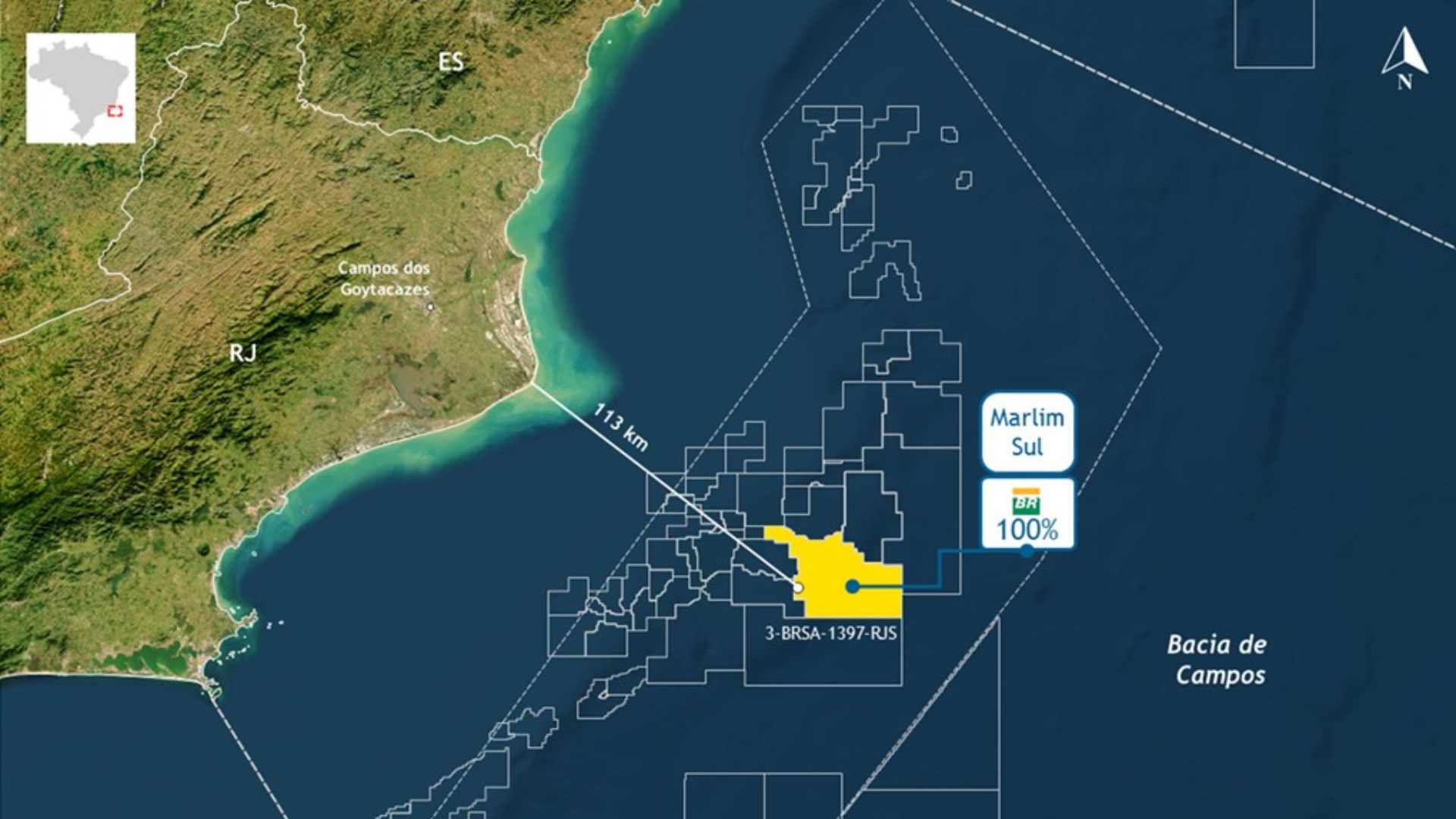
Petrobras finds high-quality oil in the pre-salt at 113 km from RJ and reignites expectations about strategic reserves in the Campos Basin.

-
Ocyan opens registrations for startups focused on innovation in the oil and gas sector and will select projects for Innovation Day with the support of Nexio.


The New Map Of LNG In Brazil
Previously, Brazil had only three LNG terminals, all operated by Petrobras. Today, the scenario is different. A wave of private projects is reshaping the gas supply geography along the coast. New terminals are already operating at strategic points across the country, such as Porto de Sergipe (SE), operated by Eneva; Porto do Açu (RJ), from GNA (Gás Natural Açu); Gás Sul Terminal (SC) and Barcarena Terminal (PA), both from New Fortress Energy; and TRSP in São Paulo, from Compass.
The majority of these projects are anchored in the “Gas-to-Power” model. A large thermal power plant ensures the necessary demand to make the billion-dollar investment in the LNG terminal viable. The surplus gas is sold to industry, creating a new source of revenue. This expansion decentralizes supply, bringing gas to regions like the North, which previously had no access to the network.
The Strategies Of GNA, New Fortress, Compass, And Eneva
Four major private players have emerged with distinct strategies to compete in the new LNG market in Brazil. GNA (Gás Natural Açu) focuses on creating a giant gas and energy hub at Porto do Açu (RJ), leveraging economies of scale. Meanwhile, New Fortress Energy (NFE) adopts an aggressive entry strategy, swiftly deploying terminals in markets such as North (PA) and South (SC). Compass, part of the Cosan Group, is concentrating on São Paulo and aims to pioneer the interiorization of gas through small-scale LNG logistics. Finally, Eneva stands out for its unique and integrated model, delivering gas from its own fields by road to large customers.
Price Reduction And Greater Energy Security
Historically, Brazilian natural gas is one of the most expensive in the world, with prices reaching ten times higher than in the US. This “Custo Brasil” has always been an obstacle to the competitiveness of the national industry.
The entry of new suppliers is already showing results. In regions with greater competition, such as the Northeast, gas prices have recorded drops of almost 15%. Petrobras itself, faced with competition, was forced to adapt its pricing policy to avoid losing customers. In addition to price, the new geography of terminals increases energy security. Regions that depended on a single source, such as gas from Bolivia in the South, now have direct access to the global LNG market.
The Future Of LNG In Brazil
Despite the advances, the path to a fully competitive market still has challenges. The main bottleneck is the pipeline network, which is underdeveloped and concentrated along the coast. To overcome this, companies like Compass and Eneva are investing in small-scale logistics, creating “virtual pipelines” to transport LNG by truck to the interior of the country.
The opportunities are immense. There is a huge repressed industrial demand from industries that currently use more expensive and polluting fuels. Natural gas is also seen as the main fuel for the energy transition, as it is cleaner than coal and oil and ensures stability in the electricity system for the expansion of solar and wind sources. The outlook for 2030 indicates robust investments, increased supply, and the consolidation of LNG in Brazil as a pillar of the national energy matrix.








-

-

3 pessoas reagiram a isso.