





 Português
  Inglês
  Espanhol
  3 min de leitura
  1 comentário





Intelligent SUS Hospital in São Paulo Receives R$ 1 Billion to Reduce Wait Times, Integrate Systems, and Modernize Diagnostics with Technology
The Intelligent SUS Hospital, inaugurated in São Paulo, is the first in Brazil to receive an investment of R$ 1 billion focused on technological innovation and automation. The proposal is to transform the public network by reducing wait times, accelerating diagnostics, and improving hospital bed management.
According to the announcement made on August 31, 2025, part of the funds will be allocated to purchasing state-of-the-art equipment, and another portion will go towards training professionals. The goal is to create a new standard of care based on technology and efficiency, capable of directly impacting millions of patients who depend on the Unified Health System.
How the Intelligent SUS Hospital Will Function
The project’s differential lies in the digital integration of services. Advanced systems will cross-reference patient data, provide real-time access to exams, and unify medical records. This centralization will enable more accurate diagnoses and faster clinical decisions.
-
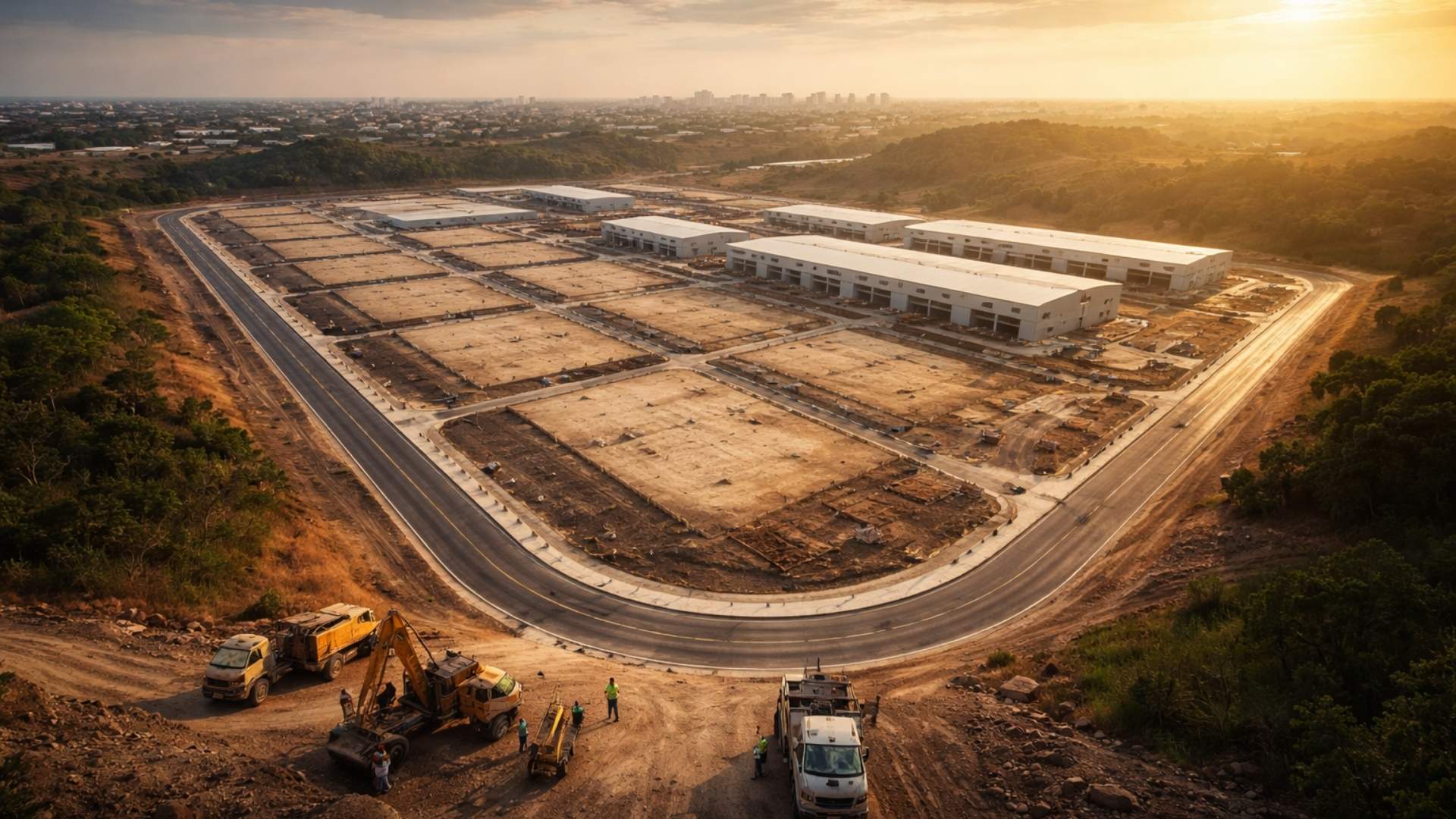
Brazilian city gains industrial hub for 85 companies that is equivalent to 55 football fields.
-
Peugeot and Citroën factory in Argentina cuts production by half and opens a layoff program for more than 2,000 employees after Brazil drastically reduced purchases of Argentine vehicles.

-
A Brazilian city gains a factory worth R$ 300 million with the capacity to process 200 thousand tons of wheat per year, a mill of 660 tons/day, silos for 42 thousand tons, and an industrial area of 276 thousand m².

-
Havan will leave the shopping mall in Blumenau to inaugurate something that the chain has never done before: a megastore in half-timbered style in the Historic Center of the city, which is expected to be completed in May and change the landscape of local retail.


Furthermore, the automation of internal processes is expected to reduce historical bottlenecks of the SUS, such as queues in emergency departments and delays in scheduling exams. The expectation is that the time between consultation, diagnosis, and treatment will be significantly shortened.
Where the Investment Will Be Applied
According to the government, the R$ 1 billion will be divided into three main areas: modernization of hospital infrastructure, acquisition of cutting-edge equipment, and training of medical and administrative teams.
Among the anticipated technologies are remote patient monitoring systems, artificial intelligence platforms for diagnostic support, and hospital management software that will integrate all stages of care.
Impact on Patients and Professionals
In practice, SUS users will have access to quicker consultations, exams released in less time, and greater predictability in the use of hospital beds. Doctors and nurses will rely on digital tools that reduce bureaucracy and enhance response capacity in emergencies.
Experts suggest that the model could become a national reference, serving as a laboratory of innovation for other public hospitals. If results are positive, the trend is for the concept to spread to other Brazilian capitals in the coming years.
The Intelligent SUS Hospital symbolizes an attempt to reposition the public system in the face of growing population demand. With a focus on efficiency, technology, and integration, the project aims to overcome historical limitations and provide higher quality care.
And you, do you believe that the Intelligent SUS Hospital can really reduce wait times and transform public health care in Brazil? Have you experienced difficulties in the system that could be resolved with technology? Share your opinion in the comments — we want to hear your experience.









Espero realmente que funcione. Estou tentando marcar uma simples consulta, no posto de saúde, com um clínico geral a 2 meses e nunca tem vaga disponível.