





 Portuguese
  English
  Spanish
  3 min of reading
  0 comments



The Liziba Station in Chongqing Is One of the Most Unusual Projects in the World, Where the Train Passes Literally Through the Interior of a 19-Story Building. Designed to Integrate with the Building Without Interfering with Residents’ Lives, the Line Attracts Tourists Fascinated by the Innovative Engineering of the Chinese City.
When it Comes to Innovation in Urban Transport, China Is Always Ahead. But Few Solutions Are As Surprising As the Liziba Station in Chongqing. Part of the Chongqing Rail Transit Line 2, the station Was Built Directly Inside a 19-Story Residential Building, Allowing the Train to Pass Between the Sixth and Eighth Floors Without Compromising the Structure of the Building.
With an Ingenious Design That Minimizes Impacts on Residents, This Station Has Become an Unexpected Attraction, Drawing Tourists and Engineers Fascinated by the Boldness of the Construction.
How the Liziba Station Was Integrated into the Building
The Liziba Station Was Not an Improvised Idea, but a Planned Solution from the Start. When Urban Architects in Chongqing Faced the Challenge of Creating a Railway Line in a Mountainous and Densely Populated City, They Decided to Integrate the Station Directly into the Building.
-
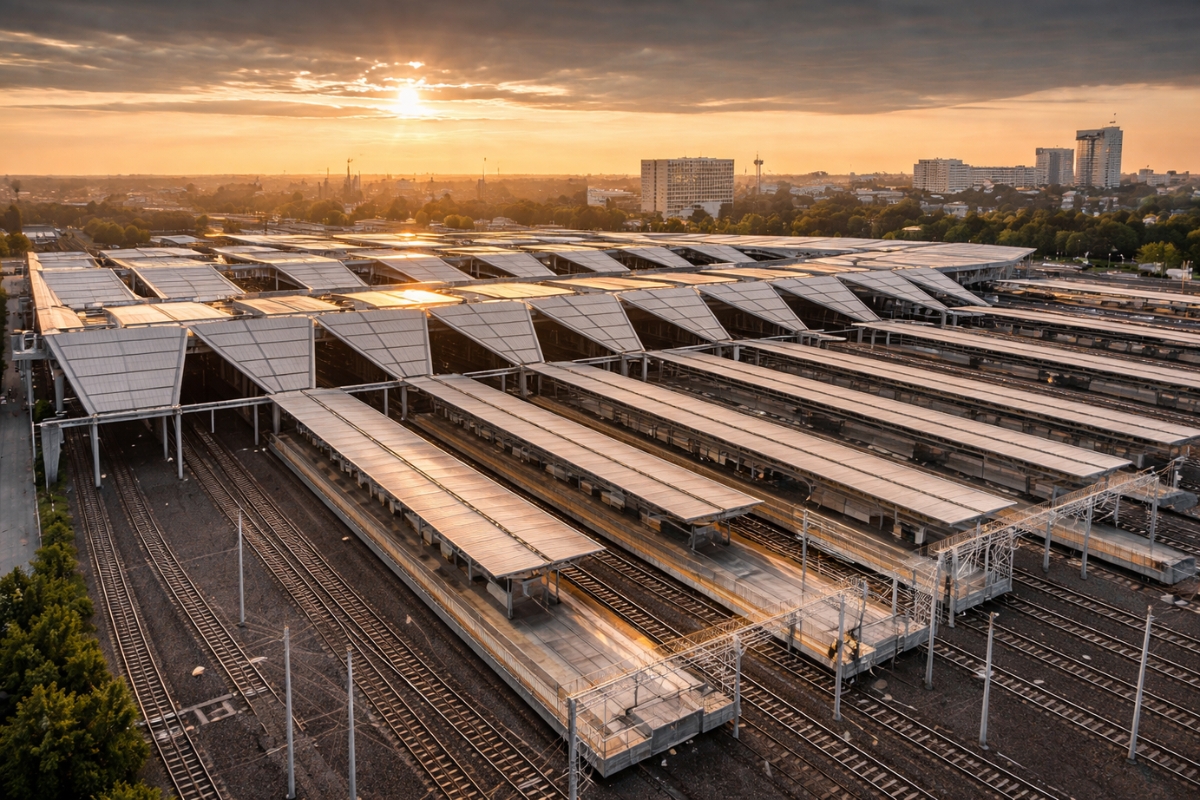
In A European City, The Country’s Largest Railway Junction Was Modernized Without Closing Its Doors, Kept Trains Running During Years Of Construction, Now Serves Up To 60,000 Passengers Per Day, And Installed Solar Panels That Generate About 30% Of Its Energy
-
Famous Brazilian Railway May Become a Parking Lot

-
The Country of “Punctual As a Train” Admits It Has Lost Control: High-Speed Trains Delay, Stop, Disappear from the Map and Turn 6-Hour Trips into 10, While Deutsche Bahn Promises Restructuring in 2026 But Faces 19th Century Infrastructure, Staff Shortages and Sections Closed for Months

-
With an Investment of R$ 700 Million in One of the Country’s Main Rail Networks, VLI Reinforces Infrastructure, Receives 8 New Locomotives, and Expands the Corridor Connecting 7 States, Boosting Jobs and the Transportation of Grains, Ore, and Oil Products to the Port of Santos


The Lower Part of the Building Was Designed to Accommodate the Train’s Passage, While the Upper Floors Remain as Residential Apartments. The Structure Includes a Railway Tourism Center and a Themed Museum That Details the History of Public Transport in the City.
How Residents Coexist with the Train Passing Through the Building
Living in a Building Where a Train Passes May Seem Like a Nightmare for Many, but Residents of the Liziba Station Assure That the Noise Is Not a Problem. This Is Because Advanced Acoustic Insulation Systems Have Been Installed to Reduce Noise Impact.
With This Technology, the Train Noise Remains Below the Level of a Household Blender, Ensuring a Peaceful Routine for Residents. The Building Has the Unique Advantage of Offering Direct Access to Public Transport, Making Daily Commuting Much More Convenient.
The Tourist Impact of the Liziba Station
Although It Was Built Exclusively to Solve an Urban Mobility Problem, the Liziba Station Has Ultimately Become a Tourist Attraction. Visitors from Around the World Travel to Chongqing to See the Train Passing Through the Building Up Close.
In Response to This Growing Interest, the City Opened an Observation Deck for Tourists in 2018, Making It Easier to Access the Panoramic View of the Station and the Train in Motion.
Visitors Passing Through Liziba Often Share Their Experiences Online. A User on TripAdvisor Described the Visit as “One of the Most Impressive Experiences in Modern China.”
Chongqing – The City That Challenges Urban Engineering


Chongqing Is One of the Largest and Most Populous Cities in China, with an Urban Population of Over 22 Million Inhabitants. Built on Mountainous Terrain, the City Has One of the Most Challenging Public Transport Systems in the World.
The Need to Integrate Modern Infrastructure Without Compromising Urban Spaces Has Led to Projects Like the Liziba Station, Which Show How Engineering Can Adapt to Extreme Geographical Challenges.
Chongqing Has Significant Historical Importance. During World War II, from 1937 to 1945, It Was the Provisional Capital of China, Playing a Key Role in the Resistance Against the Japanese Invasion.










-

3 pessoas reagiram a isso.