





 Portuguese
  English
  Spanish
  3 min of reading
  0 comments



The 5th Pre-Salt Auction, held in June 2025, did not sell new fields, but rather government oil, in a bidding that raised a record amount and reshaped the forces of the market.
The Brazilian energy market was shaken in June 2025 by a pre-salt auction that generated a potential record collection of R$ 28 billion for the Union. The event, which sold millions of barrels of oil from the country’s most productive fields, was a success, attracting competition from global giants like Equinor, ExxonMobil, and Chinese state-owned companies.
However, it is crucial to understand what was really at stake. Unlike other auctions, this one did not negotiate the right to explore or stakes in fields. The bidding was for the purchase of physical oil that already belongs to the government, an operation that, although less famous, reveals the new and heated dynamics of the oil sector in Brazil.
Understanding the Auction: The Sale of Oil by PPSA, Not Blocks by ANP
The confusion surrounding the pre-salt auction is common, as there are different types of bids. The auction on June 26, 2025, was organized by PPSA, the state-owned company that manages the government’s share of oil in production sharing contracts. The goal was simply to sell this production.
-
Brazilian giant expands borders in the Southeast: Petrobras confirms new oil discovery in ultra-deep waters in the pre-salt of the Campos Basin.

-
Alert in the global energy market: Severe tropical cyclone hits the coast and disrupts gas production at major plants in Australia, threatening global supply.

-
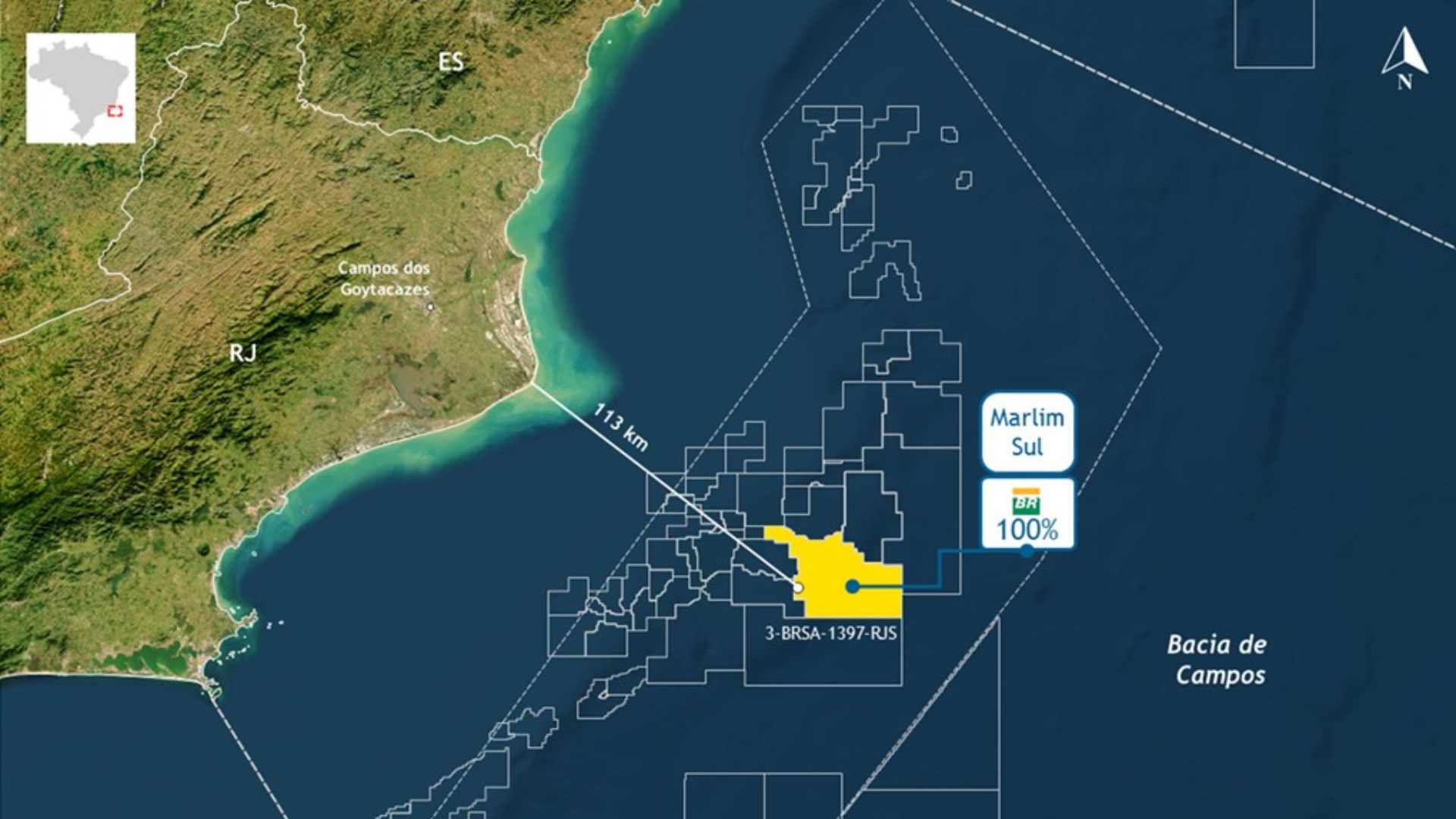
Petrobras finds high-quality oil in the pre-salt at 113 km from RJ and reignites expectations about strategic reserves in the Campos Basin.

-
Ocyan opens registrations for startups focused on innovation in the oil and gas sector and will select projects for Innovation Day with the support of Nexio.


This is different from ANP auctions, which sell the right for companies to explore new blocks. The proximity of the dates, since ANP held another auction on June 17, contributed to the mix-up of information.
The Numbers of Success: A Record Collection for the Government
| Company/Consortium | Volume Auctioned (Million Barrels) | Percentage of Total (%) |
| Petrobras | 36.5 | 49.0% |
| Equinor | 14.0 | 18.8% |
| Galp / ExxonMobil | 14.0 | 18.8% |
| Petrochina / Acelen | 10.0 | 13.4% |
| TOTAL | 74.5 | 100.0% |
Source: Consolidated data from the 5th Union Oil Auction, held by PPSA on June 26, 2025.
The 5th Union Oil Auction was a milestone. 74.5 million barrels of oil were sold from the superfields of Mero, Búzios, Itapu, and Sépia, in the pre-salt of the Santos Basin.
The potential collection of R$ 28 billion surpassed all expectations from the government and the market, which anticipated an amount around R$ 25 billion. This revenue is an important boost for the Union’s coffers, helping the government meet its fiscal targets.
Who Were the Winners? The Battle Among Giants for Pre-Salt Oil
The competition was fierce and involved ten major companies. Petrobras was the largest buyer, acquiring three of the seven lots and securing nearly half of all the offered oil.
However, the competition was strong. Norwegian Equinor won a competitive bidding for one of the lots. The consortium between Portuguese Galp and American ExxonMobil also emerged victorious. But the big surprise was the partnership between Chinese Petrochina and Mataripe Refinery (Acelen), which won two lots with aggressive bids.
The Strategy Behind the Bids
The participation of each company reveals a clear strategy. Petrobras, by purchasing a large part of the oil, secures high-quality raw material for its own refineries, maintaining its competitiveness in the fuel market.
The alliance between Petrochina and Acelen, in turn, represents the emergence of a new and powerful competitor. Acelen, owner of the former Petrobras refinery in Bahia, ensures a supply of oil for its operation, while Petrochina secures a market for the oil it sells globally. This move creates, for the first time, a rival integrated with Petrobras in the national refining sector.
The Future of the Pre-Salt Auction: The Bet on Predictability
The success of the auction solidified the PPSA sales model. The government has already announced plans to hold an even larger auction in 2026, with the offer of around 100 million barrels. The idea is to create a predictable auction calendar, which gives companies more security to plan.
However, the strategy creates a paradox. While maximizing revenue from fossil fuels, Brazil prepares to host COP30, the UN climate conference, seeking to position itself as an environmental leader. Balancing these two objectives will be the great challenge of Brazilian energy policy for the coming years.









Seja o primeiro a reagir!