





 Portuguese
  English
  Spanish
  4 min of reading
  0 comments


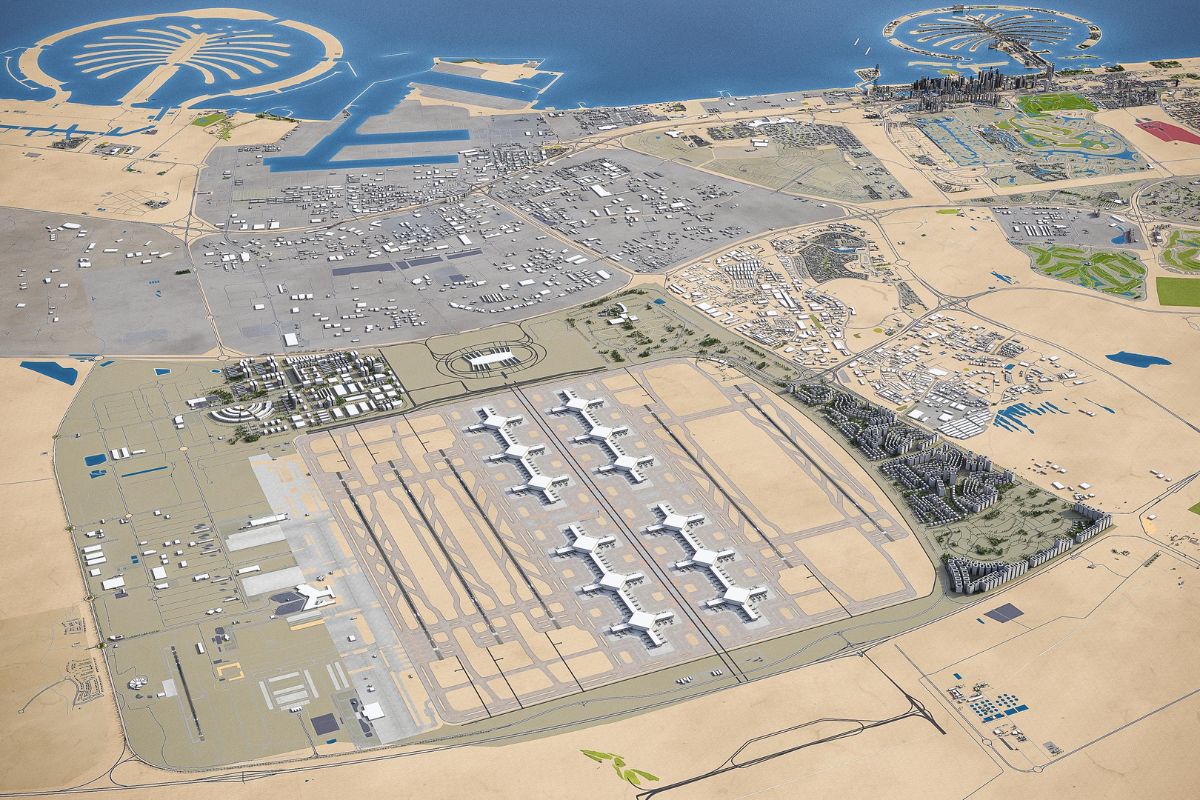
With a colossal investment of US$ 35 billion, Al Maktoum International Airport (DWC) in Dubai is in an ambitious expansion process to become the largest airport in the world. Discover the details of this mega project and its futuristic technologies.
Dubai is redefining the future of global aviation with a project of historical proportions. Al Maktoum International Airport (DWC), also known as Dubai World Central, is undergoing a massive expansion. The bold objective is to transform it into the largest airport in the world by capacity and scale.
We will address the grandeur of the planned expansion, the passenger and cargo capacity goals, the phased development schedule extending into the 2050s, and the innovative technologies that promise to revolutionize the airport experience at DWC.
Why Does Dubai Need the Largest Airport in the World?
The decision to massively expand Al Maktoum International Airport (DWC) is a strategic response to the capacity limitations of Dubai’s current hub, Dubai International Airport (DXB). Official sources indicate that DXB, consistently the busiest in the world for international passengers, is nearing its operational limit due to its location in a densely populated urban area.
-
Made from recycled plastic, plastic wood is gaining space in the construction industry because it does not rot, resists moisture, and reduces maintenance costs over the years.

-
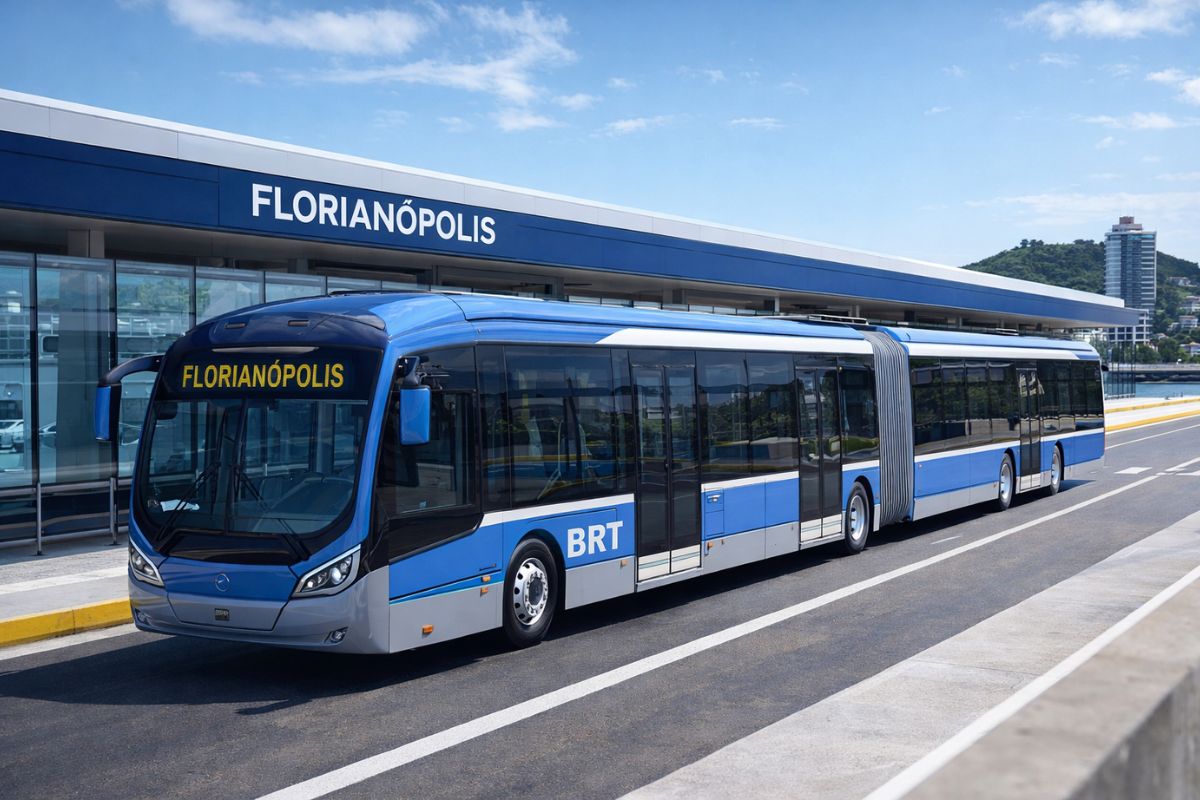
Florianópolis will receive a million-dollar BRT that will begin construction in 2026 with nearly 400 million in funding from the federal government and the Inter-American Development Bank, and the map already shows the routes for the exclusive bus corridors.
-
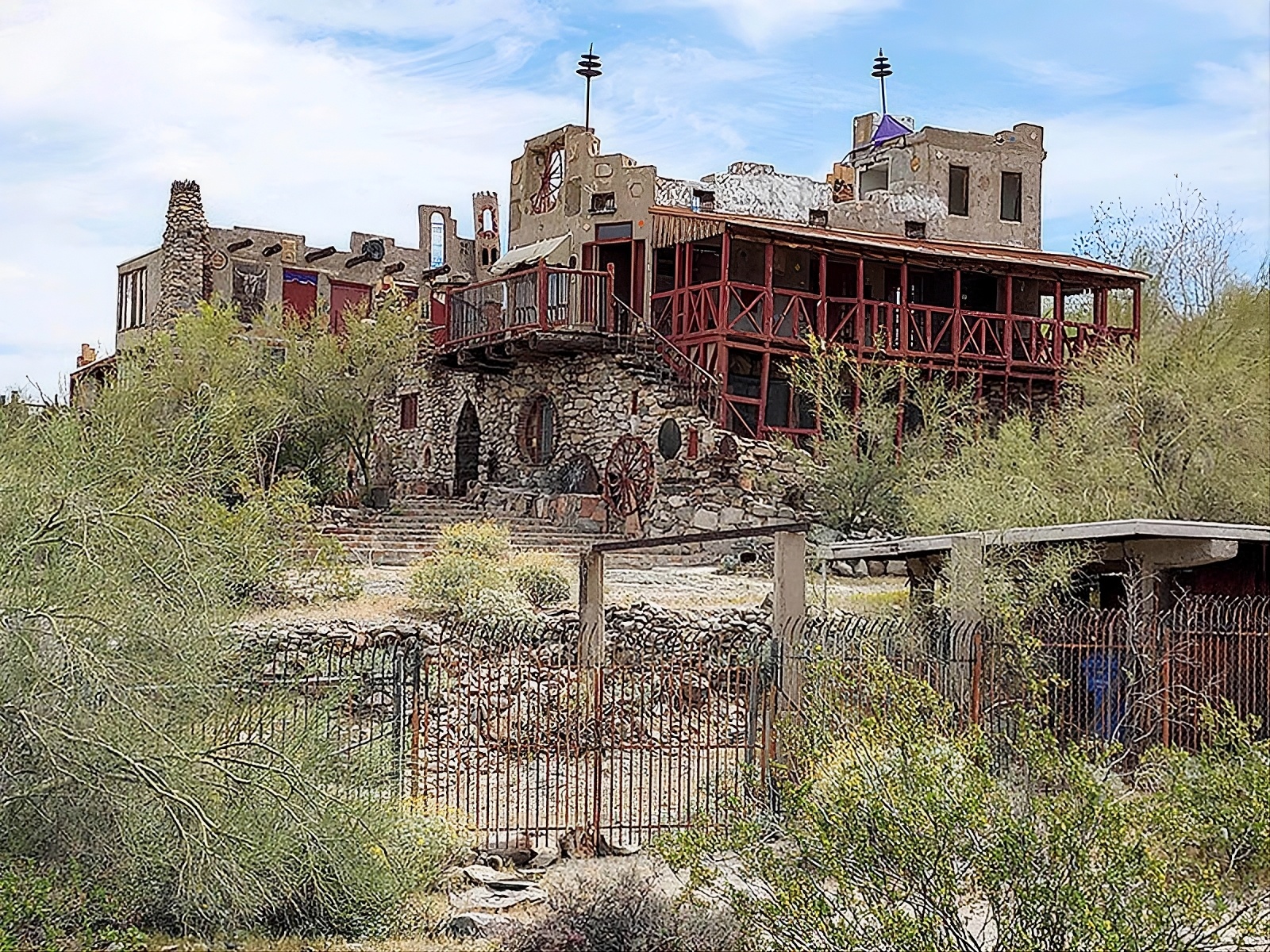
Without a blueprint, without an engineer, and using scrap from the dump, a father spends 15 years building an 18-room castle for his daughter, featuring tram tracks, 13 fireplaces, and over 700 m², which may now be demolished.
-
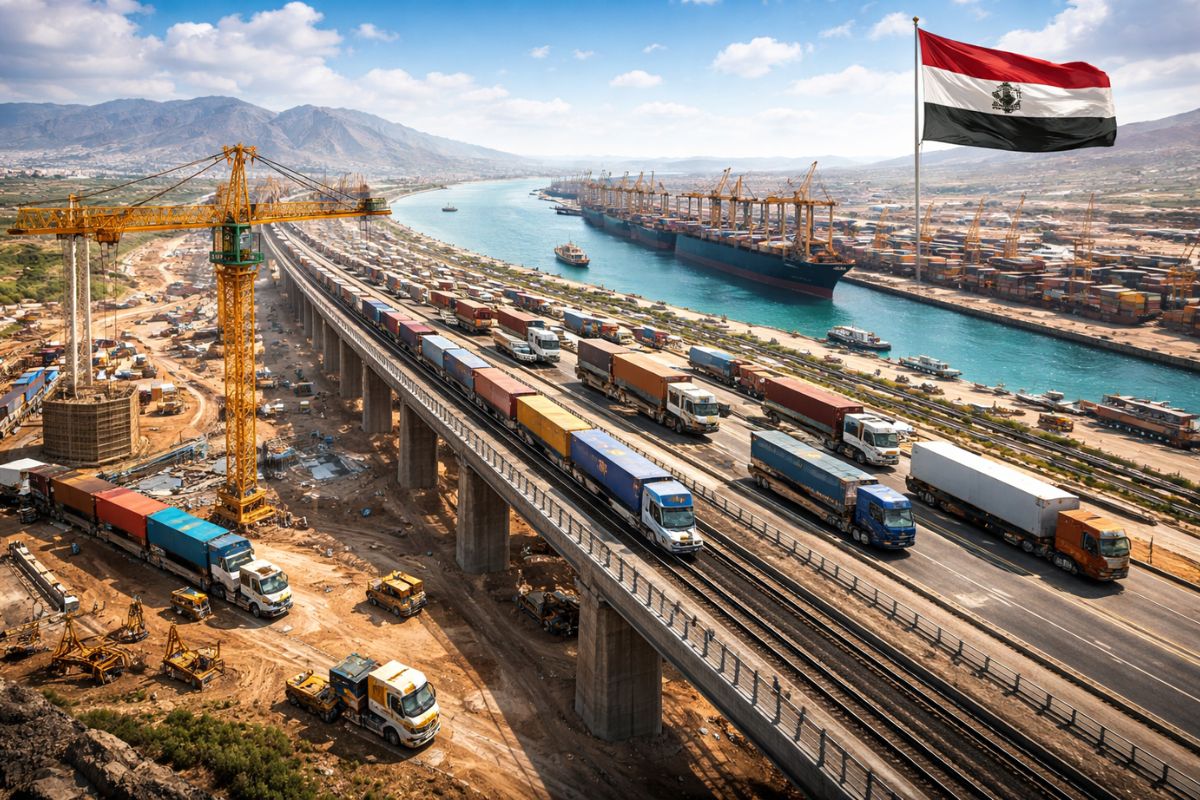
A megaproject worth R$ 89 billion is advancing in Iraq and promises to change the game in global trade by creating a new corridor between Asia and Europe, reducing traditional routes and repositioning the country as a logistics powerhouse.

Al Maktoum International Airport (DWC) is a cornerstone of Dubai’s Economic Agenda (D33), a strategy aimed at doubling the emirate’s economy size and consolidating it among the top three global cities, according to statements from the Executive Chairman of Dubai Aviation City Corporation, His Excellency Khalifa Al Zaffin.
The new airport will be the engine of development for the vast “aerotropolis” Dubai South, a planned city of 145 square kilometers that will integrate logistics, commercial, and residential zones. This expansion is vital for Dubai to maintain and reinforce its role as a prominent global aviation hub, ensuring capacity for future air traffic growth.
The Impressive Numbers of the New Al Maktoum
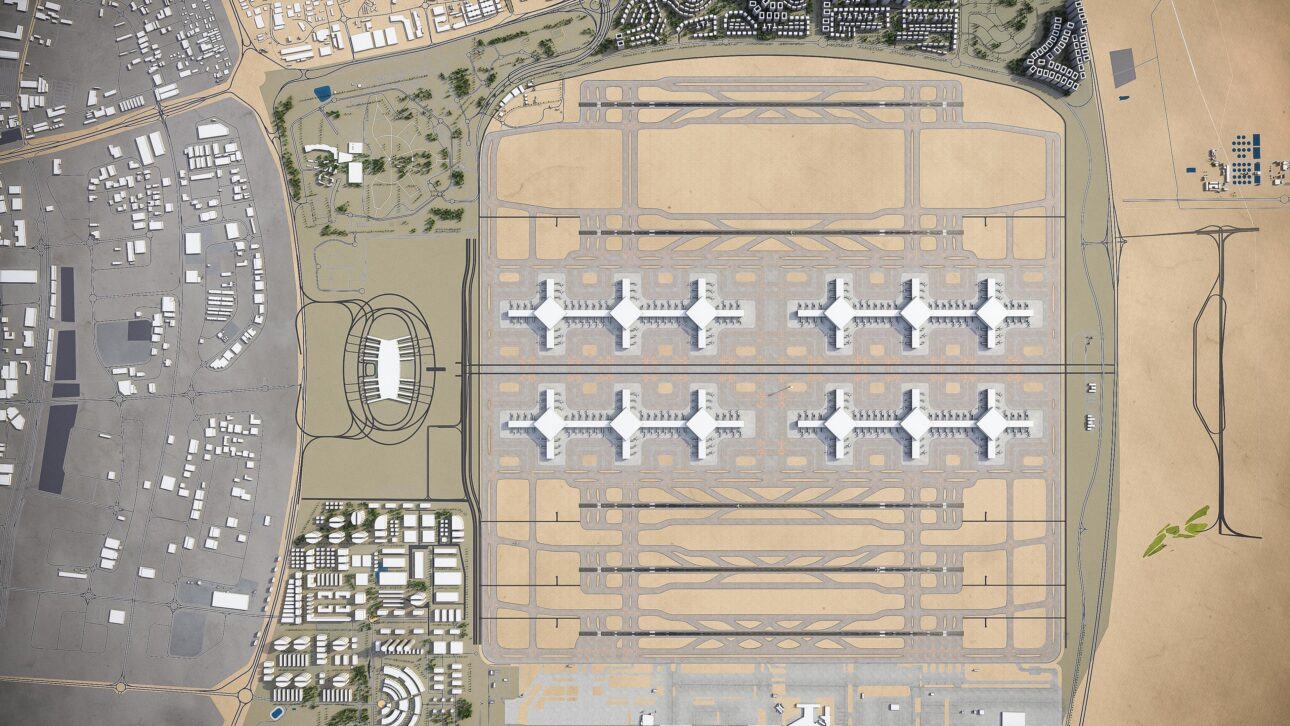
The ambition of making DWC the largest airport in the world is supported by numbers that outline an unprecedented project magnitude. The total planned area for DWC is 70 square kilometers, which is five times the size of the current Dubai International Airport (DXB), according to official information.
The projected final capacity is an impressive 260 million passengers per year (MPPA) and 12 million tons of annual cargo, significantly surpassing any existing airport currently. The planned infrastructure is equally grandiose, including five parallel runways of high operational specification and over 400 boarding gates for aircraft in the final phase of development. The total estimated cost of the project is approximately US$ 35 billion (equivalent to 128 billion Emirati Dirhams), with authorities acknowledging that there may be variations in this value.
Phased Construction: The Timeline for Dubai’s Mega Hub Until 2050
The transformation of DWC into the largest airport in the world will be implemented through a phased development that will extend over several decades. Phase 1 of the project aims to achieve a capacity of 130 million passengers per year by 2030, with the total completion of this phase, raising capacity to 150 MPPA, expected by 2032. This initial stage includes the construction of the West Terminal Building, Concourse 1, and runways 2 and 3.
Phase 2 will follow with the construction of a second concourse (Concourse 2), progressively increasing capacity and the number of boarding gates. The Final Phase, which will culminate in the complete project conclusion, is projected to occur “well into the 2050s,” according to official sources. This phase will include the development of the East Terminal, Concourses 3 and 4, and runways four and five, as well as the expansion of internal transport systems and connections with Etihad Rail and the Dubai Metro. The phased approach allows for flexibility and gradual incorporation of new technologies.
Technology, Innovation, and Sustainability at the Largest Airport in the World
Al Maktoum International Airport does not aspire only to be the largest in size, but also a paradigm of innovation, being referred to as the “airport of the future”. One of the central concepts is that of a “borderless airport,” where Artificial Intelligence (AI) and advanced technologies, such as biometrics in “smart tunnels” for immigration, will enable passengers to move quickly through checkpoints, as highlighted by Khalifa Al Zaffin. Robotics will also play a significant role in baggage handling, security, maintenance, and various passenger services.
Automated People Movers (APM) and a state-of-the-art baggage handling system (BHS) will ensure efficient movement within the vast complex. The project also has a strong commitment to sustainability, aiming for LEED Gold certification. Initiatives include the use of solar energy (with a goal of 42% of operations powered by this source), a drastic reduction in water consumption (goal of 57%), and a future objective of zero waste sent to landfill, according to the vision of Dubai Aviation Engineering Projects (DAEP), the entity responsible for the airport’s development.








Seja o primeiro a reagir!