





 Portuguese
  English
  Spanish
  3 min of reading
  0 comments



With Almost 600 Meters Tall, the Goldin Finance 117 Became a Symbol of Paralyzed Ambition and Crisis in the Chinese Real Estate Sector
In Tianjin, one of the most important cities in China, there stands a giant of concrete and glass that impresses both with its size and its silence: the Goldin Finance 117. This skyscraper, with its 597 meters tall and 128 floors, was designed to be an icon of luxury and modern engineering, but has ended up in the records as the tallest building in the world to remain abandoned. According to Casa e Jardim magazine and information from the Guinness World Records, the construction, which began in 2008, was never completed, reflecting the impacts of the real estate bubble and the economic crisis in the country.
The Skyscraper That Promised to Be a Symbol of Power and Innovation
Envisioned as the heart of the ambitious Goldin Metropolitan project, the Goldin Finance 117 skyscraper was supposed to house high-end corporate offices, luxury hotels, and sophisticated commercial areas. The work began in 2008 with an expected delivery in 2014, but faced various obstacles along the way. In 2010, the global crisis slowed down the construction sector in China, directly impacting the pace of works. Although work resumed in 2011, the project was halted again in 2015, shortly after the building reached its final height. The structure was completed in terms of shape but was never internally equipped for operation.
The Financial Impact of the World’s Largest Abandoned Skyscraper
The project was solely financed by Goldin Properties Holdings, with no direct involvement from the Chinese government. With million-dollar investments, the skyscraper became a financial nightmare after the decline in demand for high-end properties and government pressure to curb excesses in the real estate sector. The building never received tenants and, to this day, remains with cranes on top, as if waiting for a restart that never comes. The Guinness World Records officially recognized the Goldin Finance 117 as the tallest vacant skyscraper on the planet, cementing its global fame not for glory but for abandonment.
-
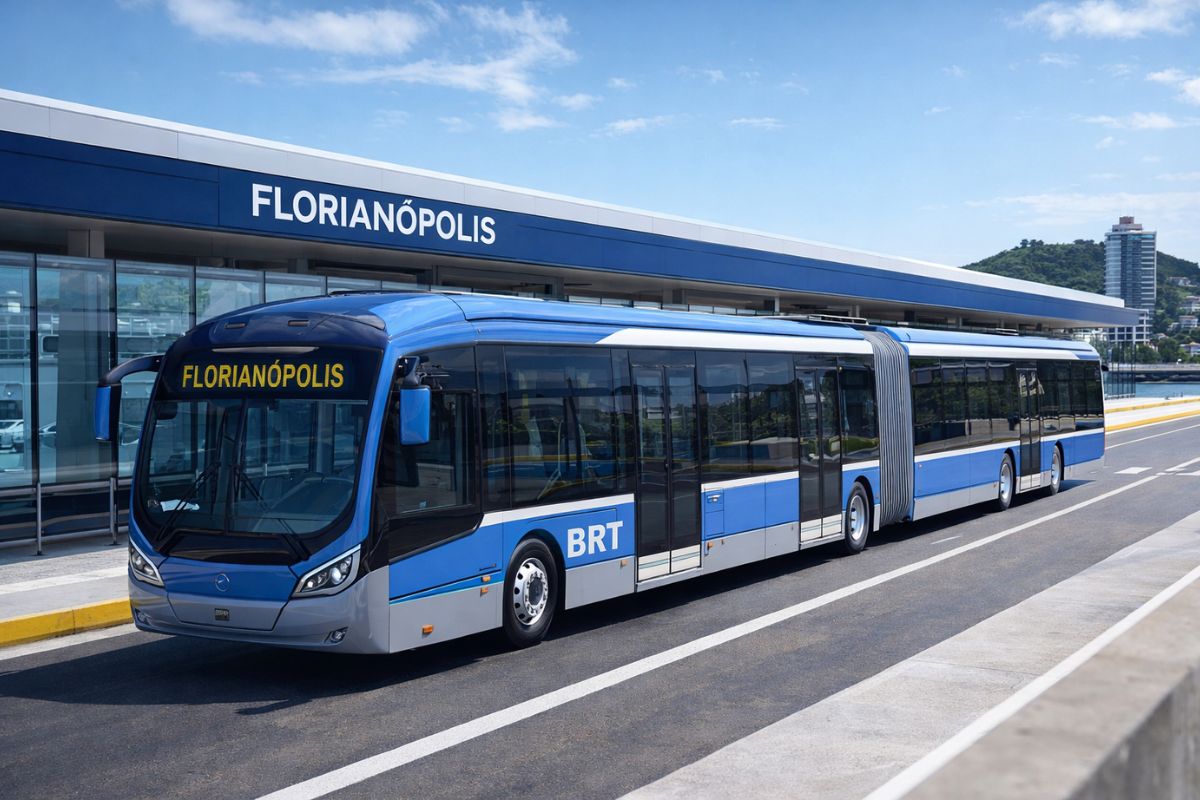
Florianópolis will receive a million-dollar BRT that will begin construction in 2026 with nearly 400 million in funding from the federal government and the Inter-American Development Bank, and the map already shows the routes for the exclusive bus corridors.
-
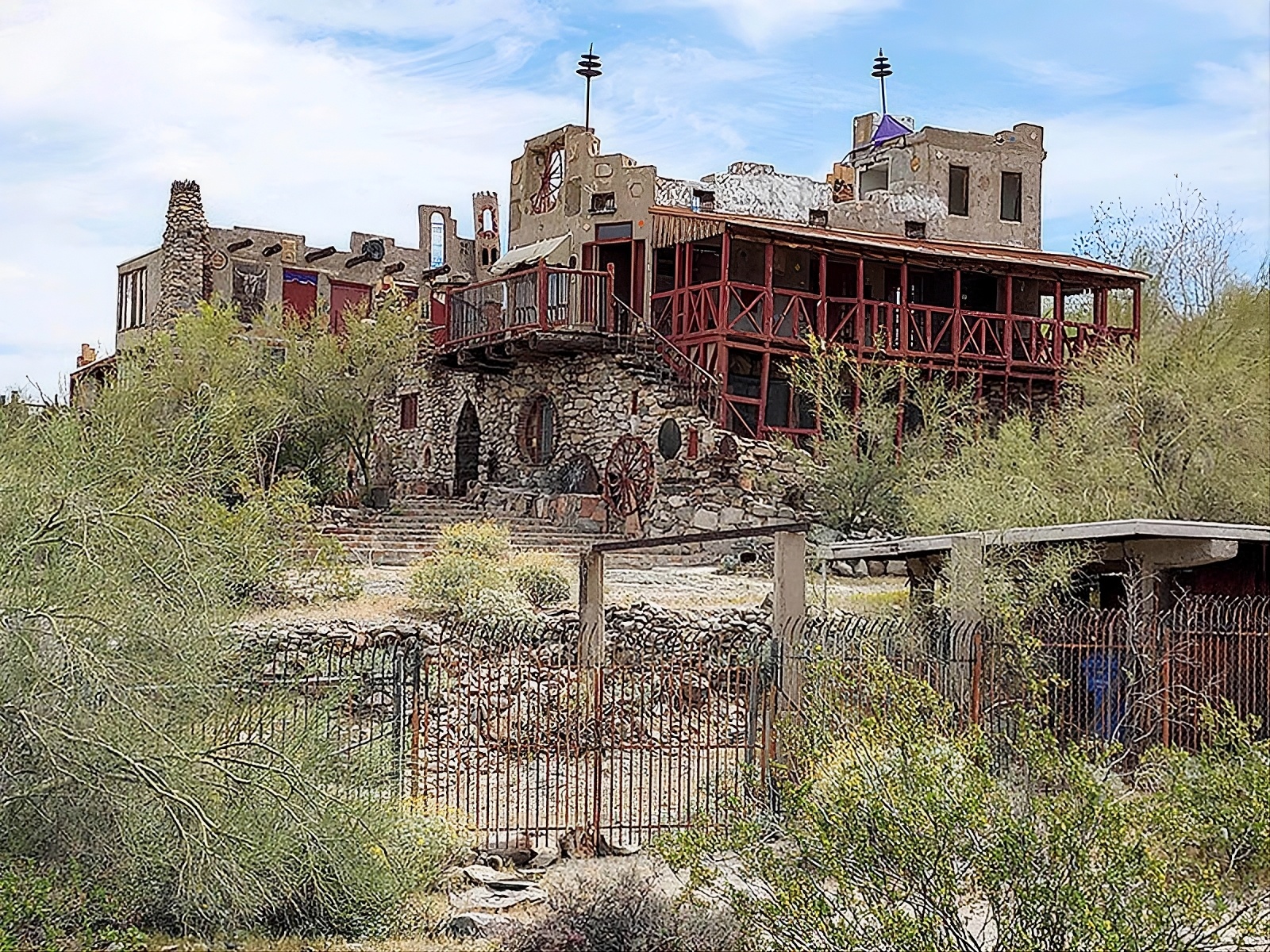
Without a blueprint, without an engineer, and using scrap from the dump, a father spends 15 years building an 18-room castle for his daughter, featuring tram tracks, 13 fireplaces, and over 700 m², which may now be demolished.
-
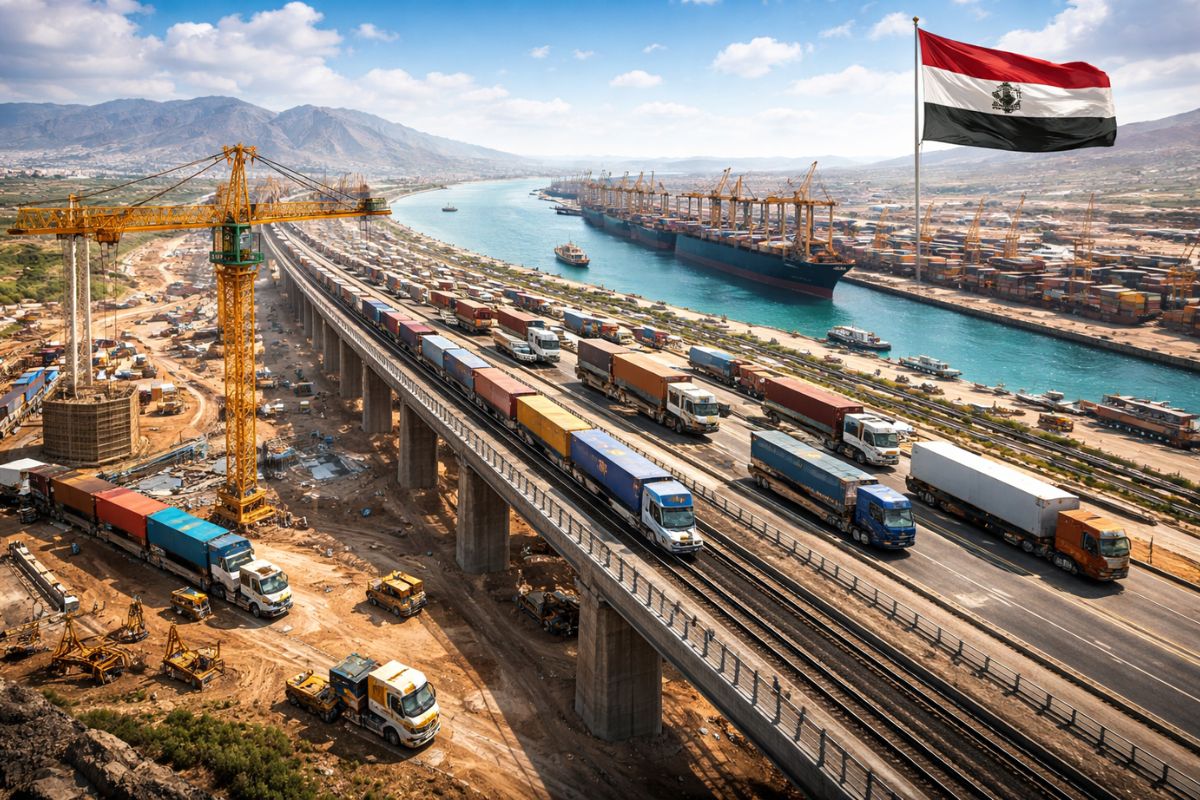
A megaproject worth R$ 89 billion is advancing in Iraq and promises to change the game in global trade by creating a new corridor between Asia and Europe, reducing traditional routes and repositioning the country as a logistics powerhouse.
-
Goodbye bedside table: floating shelves become a trend in 2026 by freeing up space in the bedroom, improving circulation, bringing visual lightness, and integrating technology without taking up floor space.


Chinese Government Measures and the End of the Super Skyscraper Era
With the unchecked growth of skyscrapers across the country, the Chinese government implemented strict measures to curb extravagant constructions. According to reports from Casa e Jardim magazine, buildings over 500 meters tall are currently prohibited, and those above 250 meters undergo rigorous scrutiny before receiving approval. The goal is to restore the architectural identity of cities and ensure that constructions meet realistic standards of safety, functionality, and sustainability. The case of the Goldin Finance 117 has become a cited example of urban waste and planning failures.
Uncertain Future for the Ghost Skyscraper of Tianjin
Despite its impressive size and strategic location, the Goldin Finance 117 remains a monolith without purpose. No company has expressed firm interest in completing the work or adapting the space for alternative use. The structure continues to occupy an imposing place on the Tianjin skyline, but without activity, life, or clear destiny. The building has become an informal tourist attraction, drawing attention from curious onlookers and architecture enthusiasts, but remains closed to the public. The building could even be demolished in the future if it is not monetized, turning one of the largest skyscrapers in the world into ruins.








Seja o primeiro a reagir!