





 Portuguese
  English
  Spanish
  4 min of reading
  0 comments


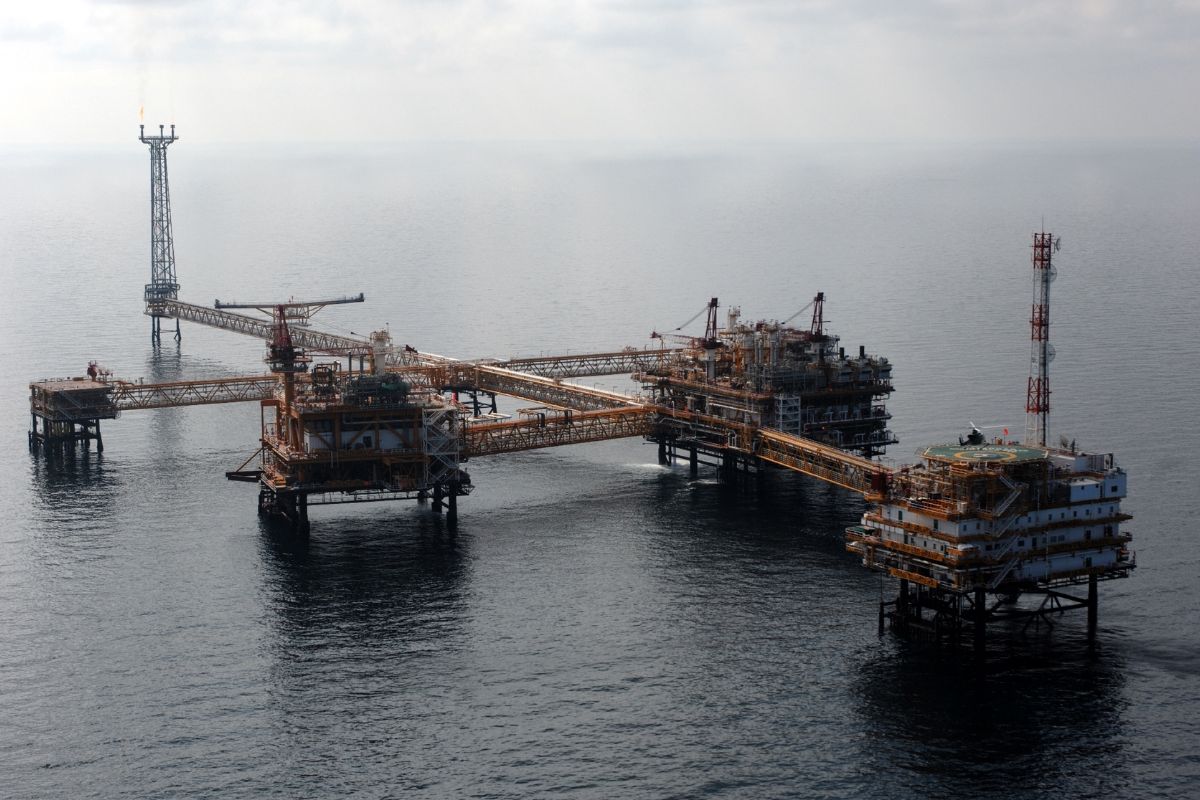
While Qatar Prepares to Dominate 85% of the Liquefied Natural Gas Market with Billion-Dollar Projects, Iran, Its Neighbor and Partner in the Same Field, Fights Against Sanctions, Delays, and the Loss of Its Own Gas.
In the Persian Gulf, divided by a maritime border between Iran and Qatar, there exists an almost unimaginable wealth. The South Pars/North Field is by far the largest gas field in the world, a colossal reserve that holds about 19% of all recoverable gas on the planet. However, how each country explores its half tells a story of two opposing destinies.
On one side, Qatar, in partnership with international energy giants, is moving forward with a multi-billion expansion plan to establish itself as the world leader in liquefied natural gas (LNG) exports. On the other side, Iran, isolated by sanctions, is racing against time to prevent its gas from being literally sucked away by its neighbor, in a geological and geopolitical drama with global consequences.
The Divided Colossus: The 51 Trillion Cubic Meters of Gas at the Border Between Iran and Qatar
The South Pars/North Field is a single, continuous geological formation of 9,700 km² that extends beneath the sea. Discovered by Qatar in 1971 (named North Field) and by Iran only in 1990 (South Pars), the reservoir contains an estimated volume of 51 trillion cubic meters of gas and 50 billion barrels of condensate.
-
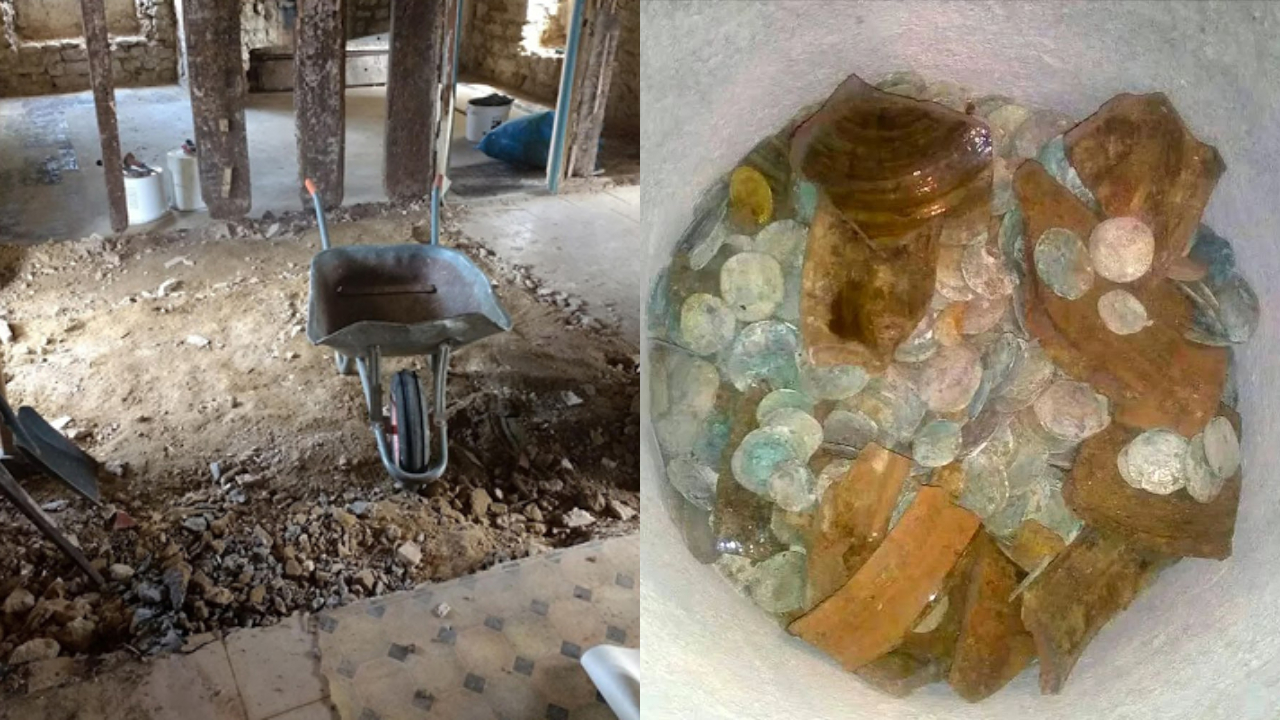
A couple buys an old chalet, breaks the kitchen floor for renovation, and finds over a thousand coins of gold and silver hidden since the English Civil War over 4 centuries ago.
-
Rigid bags with their days numbered: new trend prioritizes comfort in 2026.

-
YouTuber creates an excavator equipped with a giant 4.5-meter sword to challenge his brother to a rematch, and the invention quickly goes viral on social media.
-
The U.S. Army surprises the world by presenting the UH-60MX Black Hawk helicopter capable of flying without pilots, controlled by a tablet, featuring the MATRIX system, smart sensors, and full autonomy in real combat and rescue missions.

The division of wealth is unequal. Qatar holds most of it, with about 6,000 km² and over 900 trillion cubic feet (Tcf) of recoverable gas. Iran has 3,700 km² and about 360 Tcf. This difference, combined with the late discovery, gave Qatar an advantage that Iran has never managed to recover.
Qatar’s Strategy: The $8.4 Billion Expansion to Produce 142 Million Tons of LNG Per Year by 2030
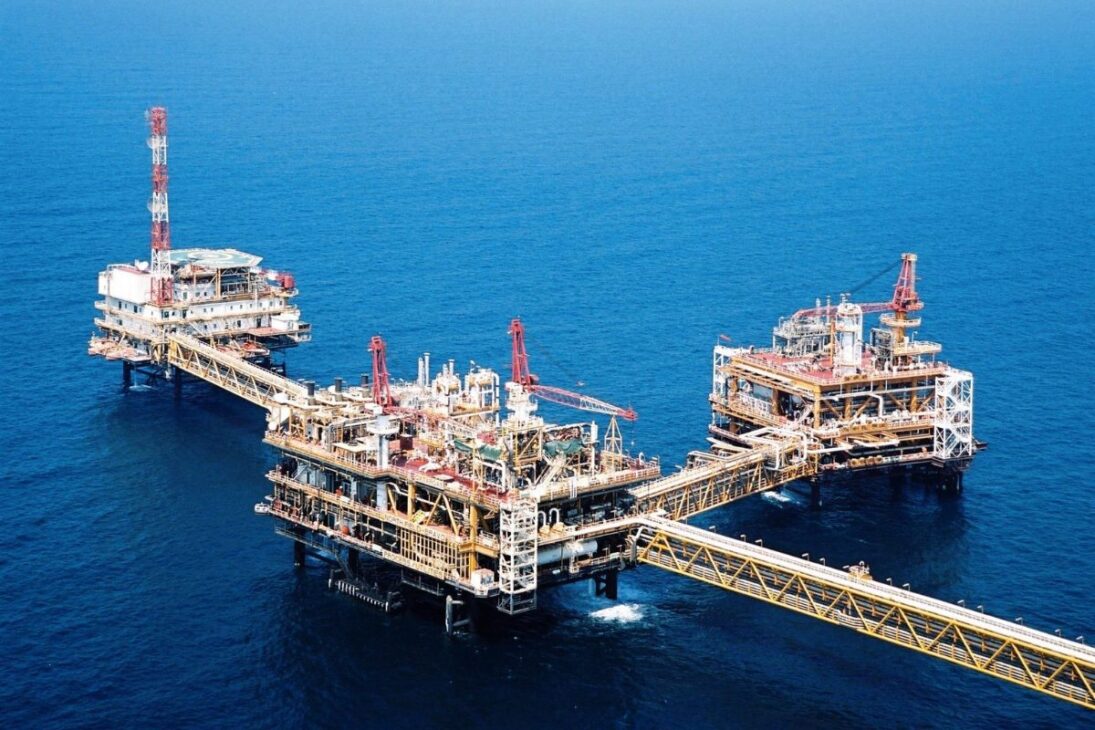
Qatar’s strategy has always been clear: to use the North Field to dominate the global LNG market. After a pause of more than a decade to study the reservoir, the country lifted the moratorium in 2017 and began an aggressive expansion plan.
North Field East (NFE) and South (NFS): These two projects, expected to come online between 2026 and 2028, will elevate Qatar’s production capacity from 77 to 126 million tons per year (MTPA).
North Field West (NFW): Announced in February 2024, this new project will add another 16 MTPA, bringing the total capacity to 142 MTPA by 2030, an 85% increase over 2024 levels.
To facilitate the expansion, Qatar partnered with giants like TotalEnergies, Shell, ExxonMobil, and Chinese companies Sinopec and CNPC, which not only provide capital and technology but also guarantee the purchase of gas through contracts of up to 27 years.
Iran’s Struggle: How International Sanctions Delayed Exploration and Focused Production for Domestic Consumption
On the other side of the border, the story is one of survival. Troubled by decades of international sanctions, Iran has been forced to develop South Pars with a total focus on the domestic market. Today, the largest gas field in the world in its Iranian portion is the lifeline of the country’s economy, supplying more than 75% of all the gas that Iran consumes.
Sanctions prevented Iran from accessing investments and cutting-edge technology. The development of the field has been carried out in phases, fragmented, and with chronic delays. Projects like Phase 11, at the border with Qatar, have suffered for years from technical difficulties, while the country was forced to rely on local companies and technology, often insufficient for the complexity of the operation.
How Qatar Is, In Practice, “Sucking” The Gas from the Iranian Side of The Reservoir
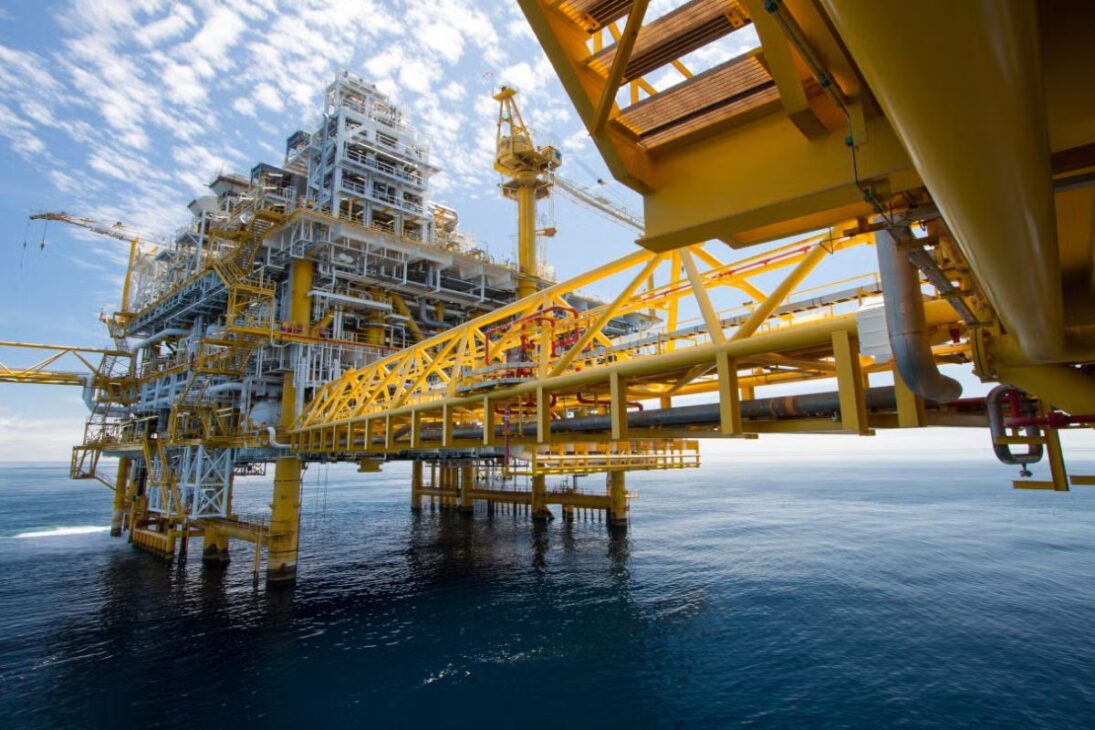
The biggest problem for Iran today is physical. As the reservoir is geologically connected, Qatar’s faster and technologically superior extraction is causing a pressure drop in the field. In practice, this creates an imbalance that causes gas from the Iranian side to naturally migrate to the Qatari side, where it is captured by Qatari wells.
The situation is critical. Since 2023, pressure in South Pars has been declining at an alarming rate, resulting in a loss of production of 10 billion cubic meters per year. To combat this loss, Iran announced in March 2025 a $17 billion project to install compression platforms and attempt to “push” its gas back, but the necessary technology is under sanctions, and the project is not expected to begin operations before 2030.
From the Israeli Drone Attack in June 2025 to the “Disaster Zone” Environmental Crisis in Iran
The dispute over the largest gas field in the world also has a military and environmental dimension. On June 14, 2025, a drone attack, attributed to Israel, allegedly struck Phase 14 of South Pars in Iran, causing a fire and exposing the vulnerability of Iranian infrastructure. Meanwhile, Qatar’s partnerships with Western and Asian powers create a “geopolitical shield” that protects it from threats.
On the environmental side, the contrast is equally stark. The city of Assaluyeh, the industrial center of South Pars in Iran, is described as a “social and ecological disaster zone“, with high pollution and respiratory disease rates. In contrast, Qatar is investing billions of dollars in Carbon Capture and Storage (CCS) technology to position its LNG as a “green” and low-carbon product, creating a competitive edge and ESG advantage that Iran cannot keep up with.





-

-

6 pessoas reagiram a isso.