





 English
  Francês
  Alemão
  Italiano
  Japonês
  Norueguês
  Portuguese
  Spanish
  4 min of reading
  0 comments


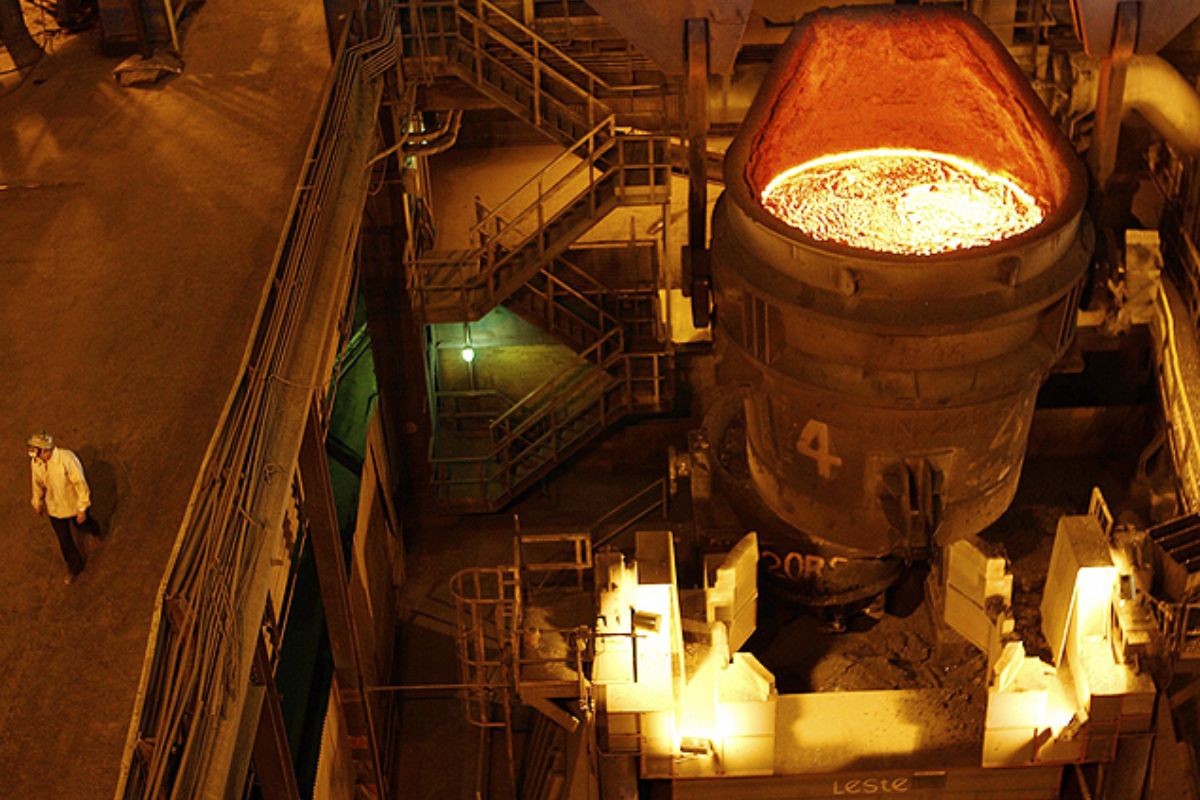
A detailed analysis reveals a technical tie for the title of largest steelmaking blast furnace in Brazil between ArcelorMittal and CSN, in a sector that faces Chinese competition and bets on technology to modernize.
The competition for the title of largest steelmaking blast furnace in Brazil is a battle between true titans of the national industry. On one side, the iconic Blast Furnace 1 of ArcelorMittal in Espírito Santo, with a history of world records. On the other, the powerful Blast Furnace 3 of CSN in Volta Redonda (RJ), with a similar production capacity.
According to an article published based on data from the industry itself, the competition between these steel giants is fierce. The analysis of their capacities reveals a technical tie at the top, but also a sector that, as a whole, faces immense challenges, such as the “avalanche” of imported steel, and is now betting on a billion-dollar race for modernization and the production of “green steel.”
A Technical Tie at the Top
Defining which is the largest steelmaking blast furnace in Brazil is not a simple task, but an analysis of capacity data places two facilities in a technical tie at the forefront.
-
Recent Studies on Ancient Metallurgy Reveal That Various Tools Made Over Three Thousand Years Ago Used Iron from Rare Material That Fell from the Sky Long Before Humanity Mastered Iron Production

-
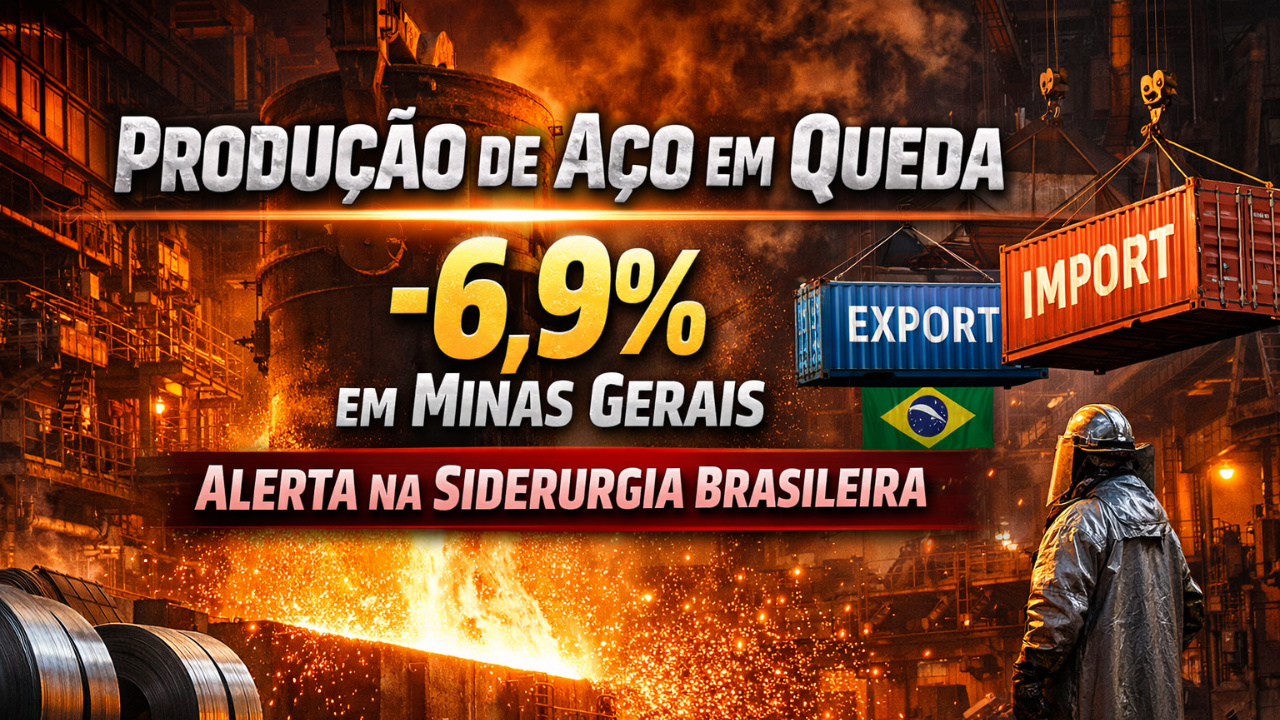
Steel Production Falls 6.9% in Minas Gerais, Raising Alert in Brazilian Steel Industry
-
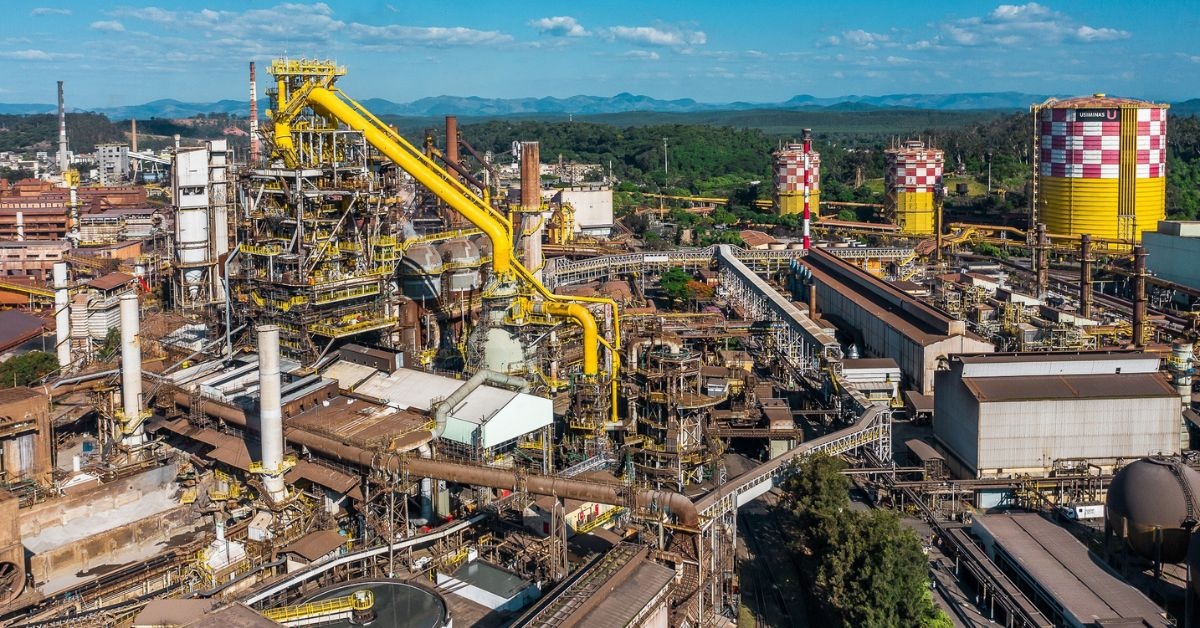
Brazilian Steel Industry Grows in Third Quarter of 2025, Maintains Margins, Reduces Costs, and Faces Imported Steel Surge Amid Commercial Uncertainties
-
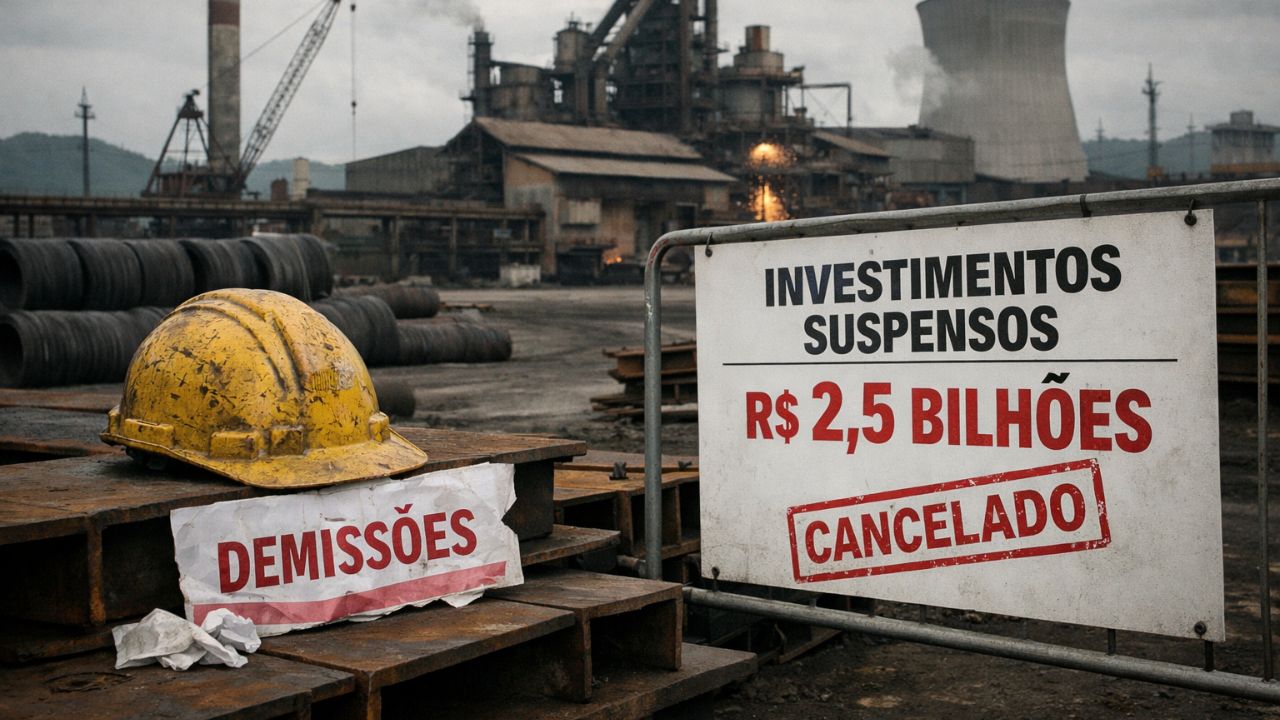
Brazil’s Steel Industry Records Cut of 5,100 Jobs and Suspension of R$ 2.5 Billion in Investments

Blast Furnace 1 of ArcelorMittal Tubarão (ES): It is the industry reference, with a nominal capacity to produce 3.5 million tons of pig iron per year.
Blast Furnace 3 of CSN (RJ): Although with slightly varying numbers, its effective capacity is also in the range of 3.4 to 3.5 million tons per year, putting it on par with its rival.
Next, in a second tier of giants, we have Blast Furnace 3 of Usiminas in Ipatinga (MG), and Blast Furnace 1 of Gerdau in Ouro Branco (MG), both with a capacity for 3 million tons per year.
The Story Behind the Largest Steelmaking Blast Furnace in Brazil: Records and Modernizations
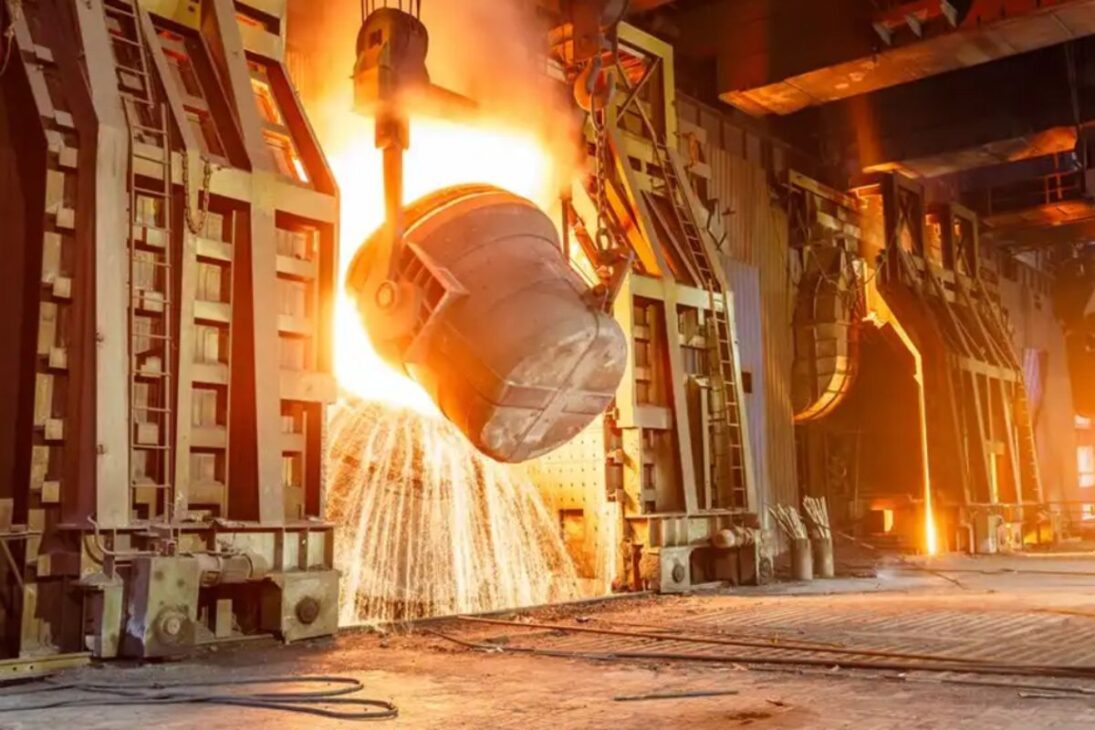
These furnaces are not only large, but they also carry a long history of records and investments. The Blast Furnace 1 of ArcelorMittal, inaugurated on November 30, 1983, operated uninterruptedly for an impressive 28 years, a world record. In April 2012, it underwent its first major refurbishment, a project costing US$ 170 million.
More recently, Usiminas completed, at the end of 2023, a complete modernization of its Blast Furnace 3, a project worth R$ 2.7 billion that ensured the equipment an additional 20 years of useful life and equipped it with the latest automation and environmental control technologies.
The Crisis of Chinese Steel: The “Avalanche” That Paralyzed Furnaces in 2024
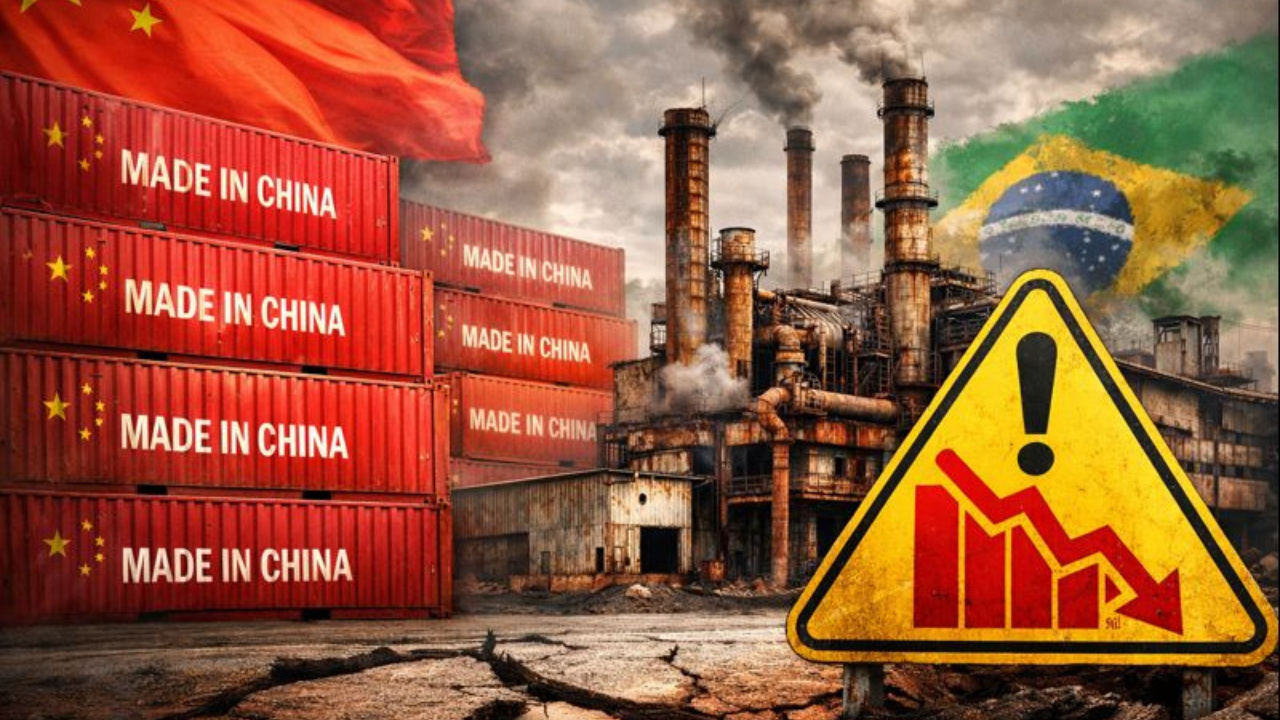
Despite the strength of these giants, the Brazilian steel sector faced a severe crisis in 2023 and 2024. The reason was a record increase in steel imports, mainly from China, that flooded the market with products at very low prices.
The pressure was so great that Brazilian companies were forced to take drastic measures. Usiminas even temporarily halted its Blast Furnace 1, and ArcelorMittal also announced production cuts to adjust to lower demand and unfair competition.
The Industry and Government’s Response: Protection and the Promise of “Green Steel”
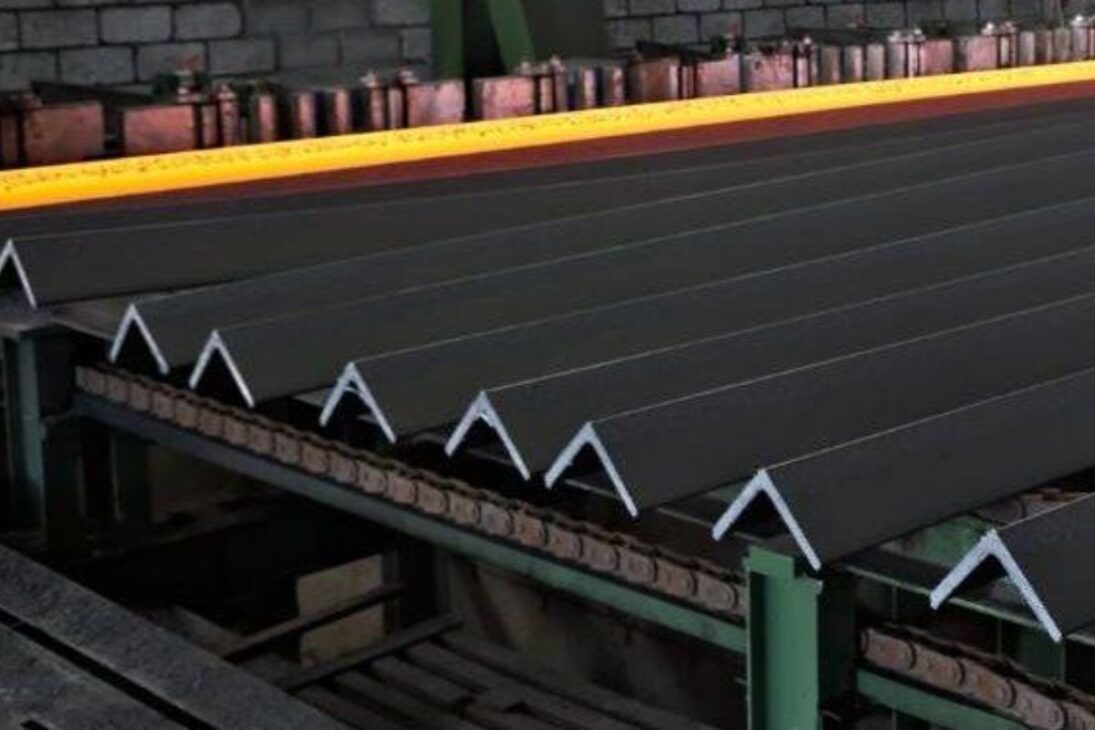
In the face of the crisis, the industry, represented by the Instituto Aço Brasil, mobilized. In May 2024, the Brazilian government responded to requests by implementing a system of quotas and tariffs, applying a 25% tax on the volume of steel imports that exceeds the historical average.
Immediately following the protective measure, the industry announced an investment plan of R$ 100.2 billion by 2028. The focus, besides increasing competitiveness, is decarbonization. Companies like ArcelorMittal, CSN, and Gerdau already have projects to use green hydrogen in their processes, betting on “green steel” as the future of the sector.
The Disputed Leadership and the Future of Steelmaking in Brazil
The competition for the title of largest steelmaking blast furnace in Brazil is fierce, with a technical tie between ArcelorMittal and CSN. More than a competition of size, what will determine the leadership of the sector in the future will be the ability to innovate.
The race for the production of “green steel,” leveraging Brazil’s potential in renewable energies, will be the major battleground. The companies that can master this new technology will not only ensure their competitiveness but will also lead the Brazilian steel industry into the new era of a low-carbon economy.









-

-

3 pessoas reagiram a isso.