





 Portuguese
  English
  Spanish
  3 min of reading
  0 comments


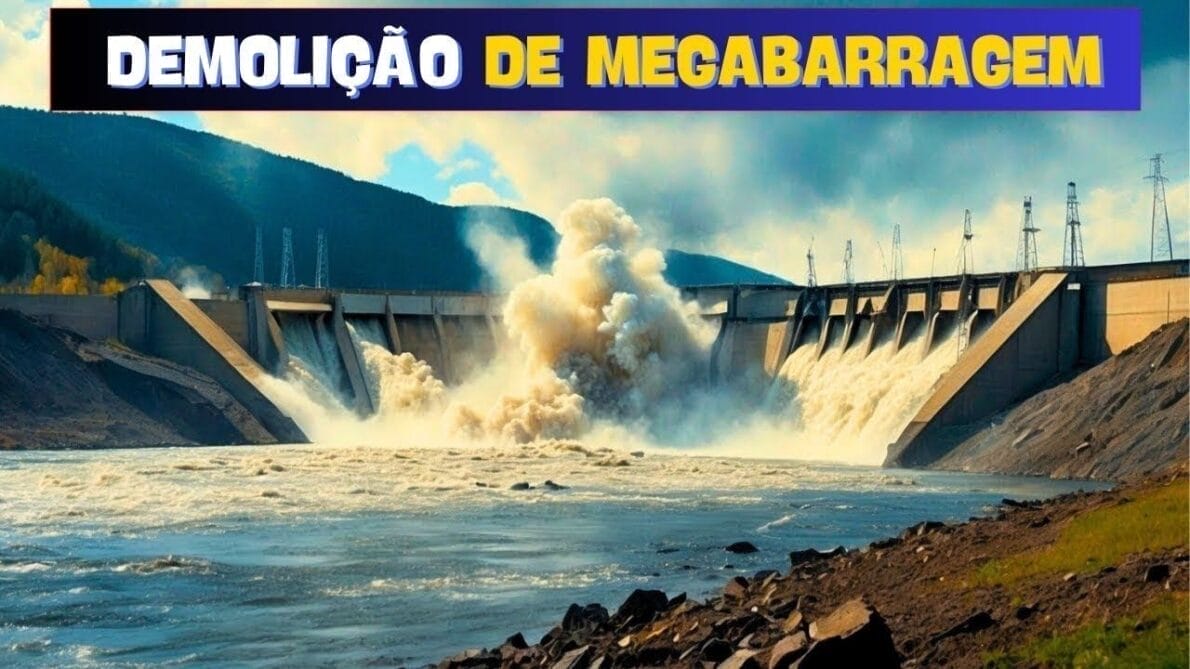
It’s Time for California to Make History with the Largest Dam Removal Project in the World! After More Than a Decade of Debates, U.S. Authorities Have Finally Decided to Remove Four Iconic Dams on the Klamath River.
With the removal of four dams on the Klamath River, California embarks on the largest dam removal project in the world. The goal is to restore the local ecosystem, improve water quality, and allow the return of salmon, positively impacting biodiversity and Indigenous communities.
The dams are true engineering feats, but they also have their problems. In the United States, there are over 990,000 dams that produce electricity, control flooding, and supply water. However, these structures also harm fish populations and water quality in rivers. After much debate about money, ecology, and salmon, the decision was made to dismantle four dams on the Klamath River, in a move considered the largest dam removal project in the world.
The Dam Removal Project: Why and How?
The Klamath River, which runs through Oregon and California, is home to a series of hydroelectric dams built along 250 miles. These dams generated electricity for about 70,000 homes and provided water for irrigation to local farmers. However, instead of expanding these dams, local authorities decided to remove them to restore the natural flow of the river and benefit the ecosystem.
-
Florianópolis will receive a million-dollar BRT that will begin construction in 2026 with nearly 400 million in funding from the federal government and the Inter-American Development Bank, and the map already shows the routes for the exclusive bus corridors.

-
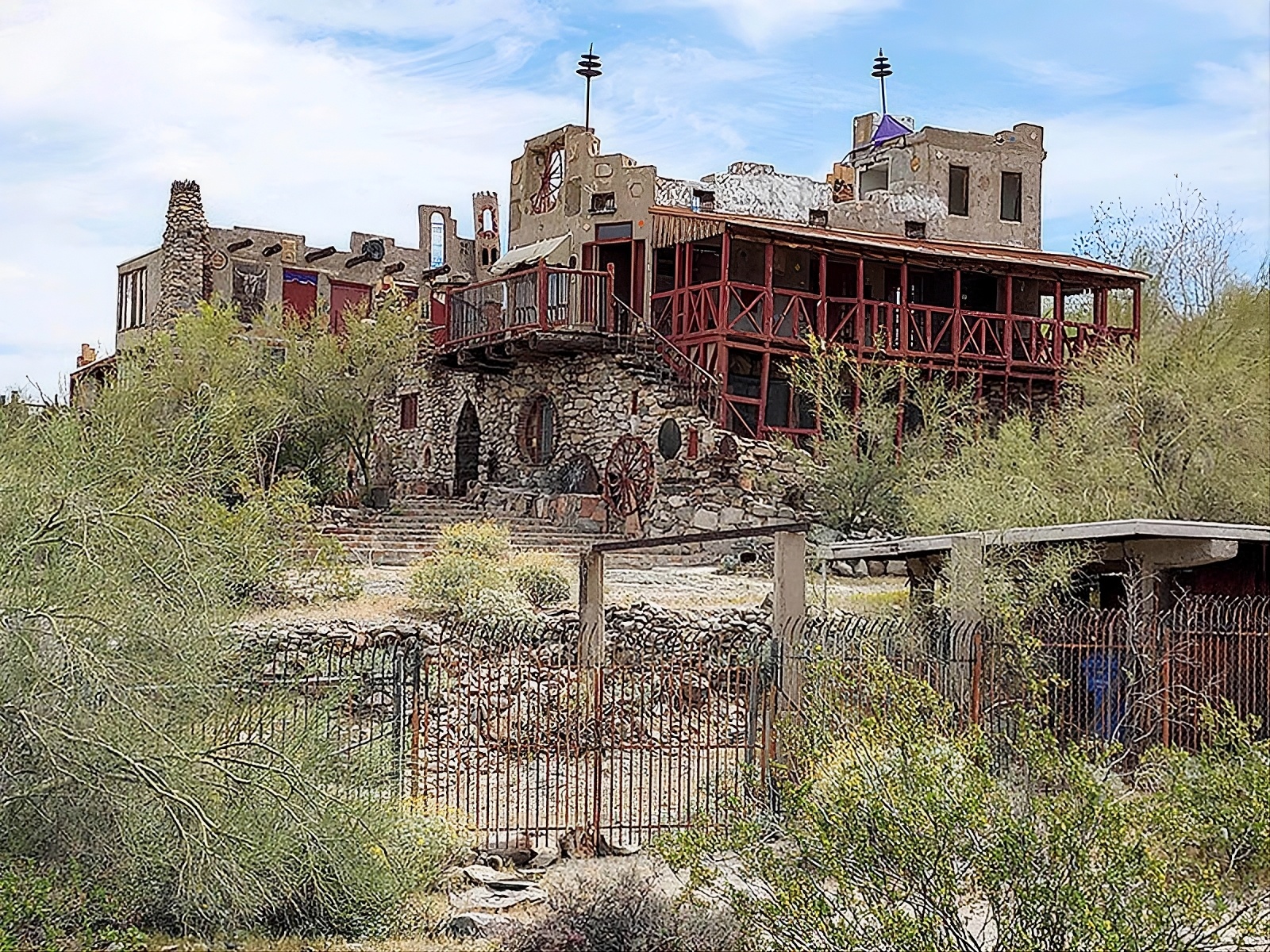
Without a blueprint, without an engineer, and using scrap from the dump, a father spends 15 years building an 18-room castle for his daughter, featuring tram tracks, 13 fireplaces, and over 700 m², which may now be demolished.
-
A megaproject worth R$ 89 billion is advancing in Iraq and promises to change the game in global trade by creating a new corridor between Asia and Europe, reducing traditional routes and repositioning the country as a logistics powerhouse.

-
Goodbye bedside table: floating shelves become a trend in 2026 by freeing up space in the bedroom, improving circulation, bringing visual lightness, and integrating technology without taking up floor space.


Built between 1918 and 1967, the four dams — Eastside, West Side, JC Boyle, Copco 1, Copco 2, Fall Creek, and Iron Gate — were erected to generate electricity and support agricultural ventures. The Iron Gate Dam, the tallest, played a crucial role in energy generation but also had negative environmental impacts.
Consequences of Dam Construction
Before the construction of these dams, the Klamath River was rich in biodiversity. However, the dams raised water temperatures and introduced fertilizers into stagnant waters, causing toxic algae blooms that killed salmon populations. In 2002, about 68,000 salmon died due to poor river conditions, also affecting the Indigenous communities that depended on the Klamath for their livelihoods.
The demolition of these dams is not a simple task. There are two main methods: instant removal and phased removal. For the Klamath dams, the phased removal method will be used, which occurs over months or years. This involves the gradual release of water and accumulated sediments, diverting the river and using explosives and heavy machinery to demolish the structures.
Positive Impacts
The removal of these dams will allow the Klamath River to return to its natural state, with cleaner and cooler water, favoring the return of salmon. It is expected that, in the next three decades, the number of salmon in the river basin will increase by up to 80%. Additionally, restoring native vegetation will be a priority, with over 17 billion seeds and shrubs being planted to revitalize the ecosystem.
California is about to witness a historic transformation with the largest dam removal project in the world. The dismantling of the dams on the Klamath River will not only benefit the local ecosystem, but will also serve as a powerful reminder of the impact that infrastructure can have on nature and communities. Stay tuned for more updates on this monumental project and the changes it will bring to California and the world!









Seja o primeiro a reagir!