





 Portuguese
  English
  Spanish
  2 min of reading
  1 comment


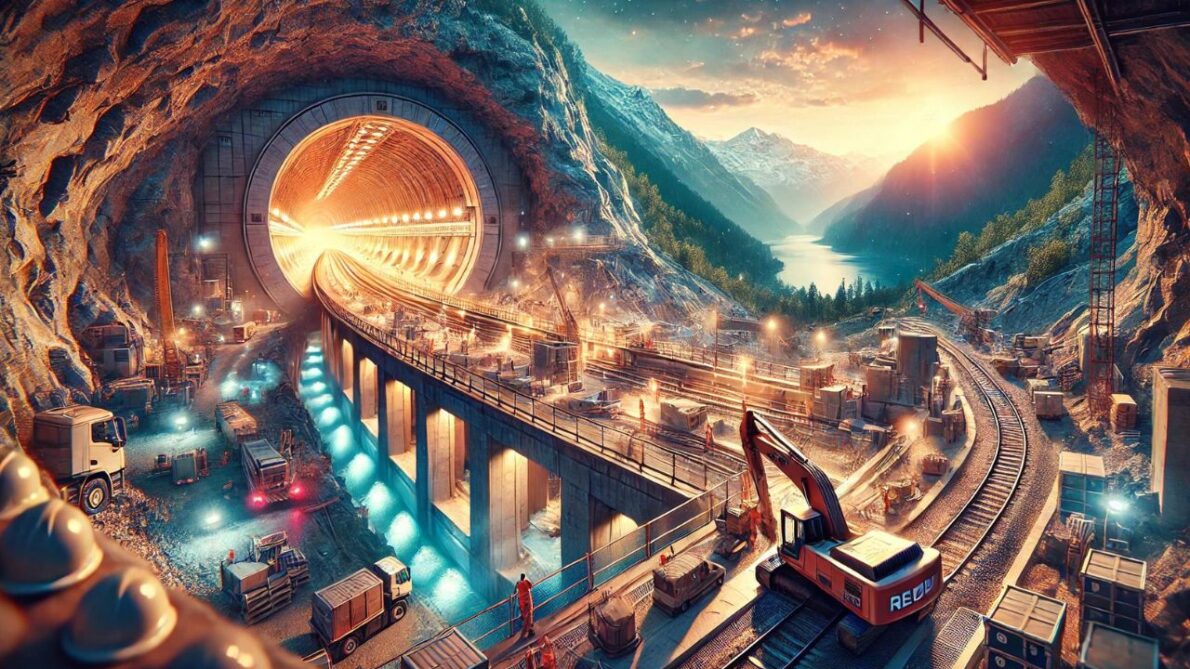

The Largest Railway Tunnel in the World, Located in Switzerland, Is Undergoing Historic Reconstruction After Derailment.
Have you heard of the Gotthard? If you’ve been to Switzerland, you must be familiar with the largest railway tunnel in the world. After a derailment, this iconic tunnel is undergoing impressive reconstruction.
The Gotthard, the largest railway tunnel in the world, located in Switzerland, is a marvel of engineering and construction that was conceived in 1947 by engineer Edward Gruner. With a length of 57 km, it connects the north and south of the Alps, serving as a vital route for European passenger and freight traffic.
In recent weeks, the tunnel has faced significant challenges. In September 2023, a freight train derailed inside the tunnel, causing extensive damage to the tracks over a stretch of 7 km. The incident was so severe that 16 cars derailed, leading to the partial closure of the tunnel and triggering a series of urgent repairs.
-
Florianópolis will receive a million-dollar BRT that will begin construction in 2026 with nearly 400 million in funding from the federal government and the Inter-American Development Bank, and the map already shows the routes for the exclusive bus corridors.

-
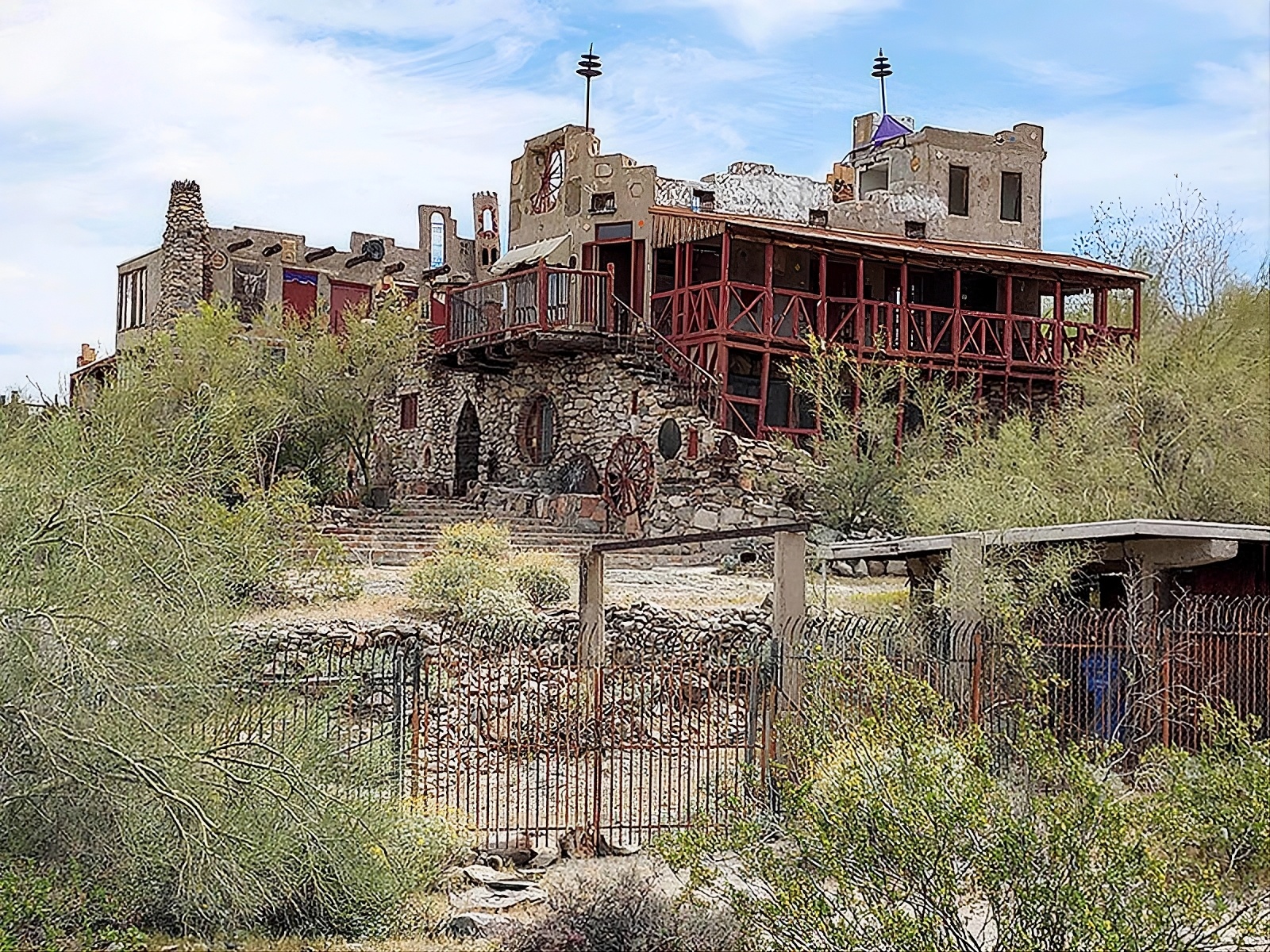
Without a blueprint, without an engineer, and using scrap from the dump, a father spends 15 years building an 18-room castle for his daughter, featuring tram tracks, 13 fireplaces, and over 700 m², which may now be demolished.
-
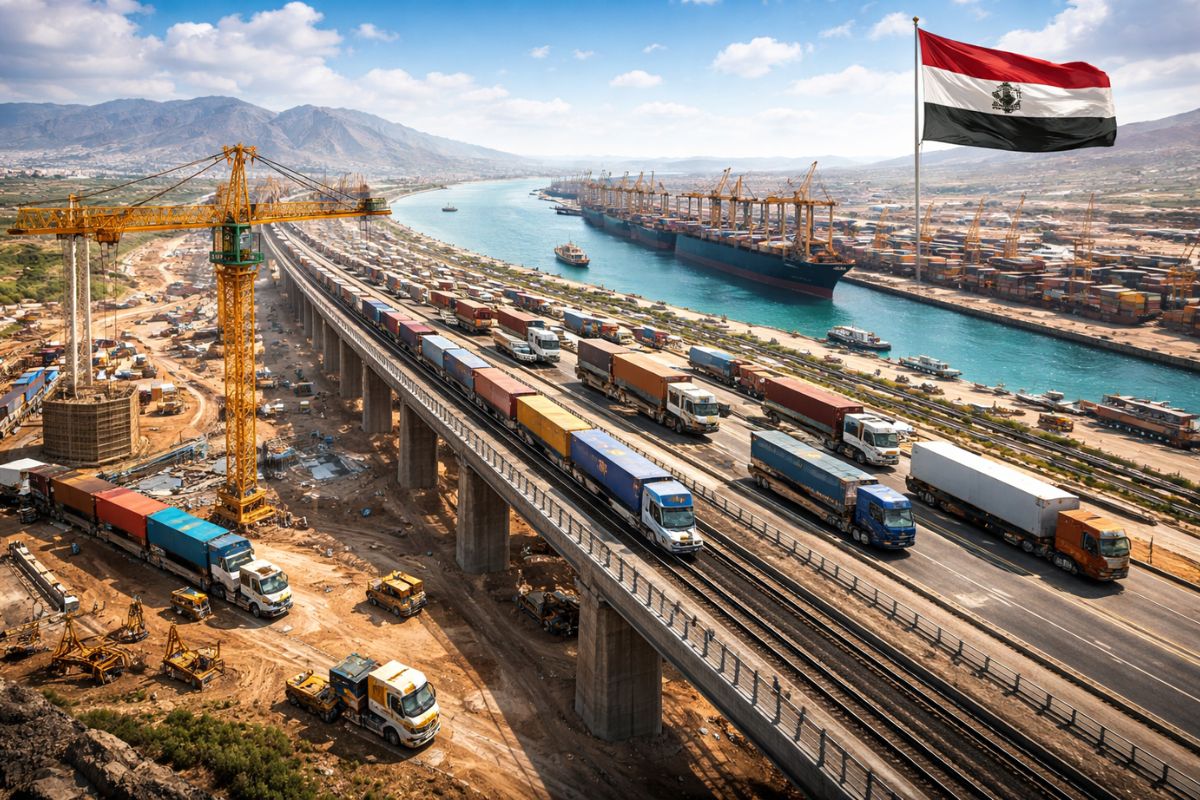
A megaproject worth R$ 89 billion is advancing in Iraq and promises to change the game in global trade by creating a new corridor between Asia and Europe, reducing traditional routes and repositioning the country as a logistics powerhouse.
-
Goodbye bedside table: floating shelves become a trend in 2026 by freeing up space in the bedroom, improving circulation, bringing visual lightness, and integrating technology without taking up floor space.


Repairs and Challenges of the Largest Railway Tunnel in the World


Repair work is already underway, but not without difficulties. Engineers need to replace damaged tracks and ensure the safety of the tunnel. The new construction involves adverse conditions: temperatures exceeding 40°C and a huge amount of dust, requiring workers to take frequent breaks in cooling containers.
The estimated cost for repairs is 130 million Swiss francs. In the meantime, temporary solutions are being implemented to minimize the impact on rail and road traffic. Full reopening is expected in September, but until then, only a few passenger and freight trains can use the route.
History and Impact
The history of the Gotthard is filled with remarkable moments. Since its inauguration, the tunnel has significantly reduced travel time between Zurich and Milan, as well as alleviating congestion on European roads. It is a massive project, the result of 17 years of work and an investment of 10 billion Swiss francs.
Switzerland, known for its efficiency and precision, has faced this challenge with determination. The new construction of the largest railway tunnel in the world is a testament to the country’s commitment to maintaining its vital transport infrastructure.
However, despite all these challenges, the Gotthard remains a key piece in the European transport network, connecting people and goods across the Alps. And with repairs underway, it is expected to continue playing this crucial role for many years to come.










Na verdade os maiores túneis ferroviários do mundo pertencem ao país que mais tem trilhos ferroviários, isso é óbvio, a China, a fábrica do mundo 👏