





 Portuguese
  English
  Spanish
  3 min of reading
  0 comments



An Analysis of the Visionary Transglobal Highway, the Audacious Project of a Road Connecting All Continents, Its Monumental Challenges, and Its Real Viability.
The idea of connecting all parts of the world by land is an ancient dream of humanity. In this context, the Transglobal Highway (AETG) emerges. It is an audacious proposal to create a road that connects all inhabited continents. This visionary project involves a vast network of roads, bridges, and tunnels.
We will analyze its main proposed connections, the necessary technological advancements, the potential impact, and, crucially, the challenges that question its viability. The analysis is based on specialized information about this megaproject.
What Is the Transglobal Highway, the Dreamed Road Connecting All Continents?
The Transglobal Highway is a visionary concept. Its goal is to connect Asia, Africa, Europe, North America, South America, and Australia. This would be achieved through an integrated network of land infrastructure. The ambition is to allow the continuous transport of passengers and goods globally.
-
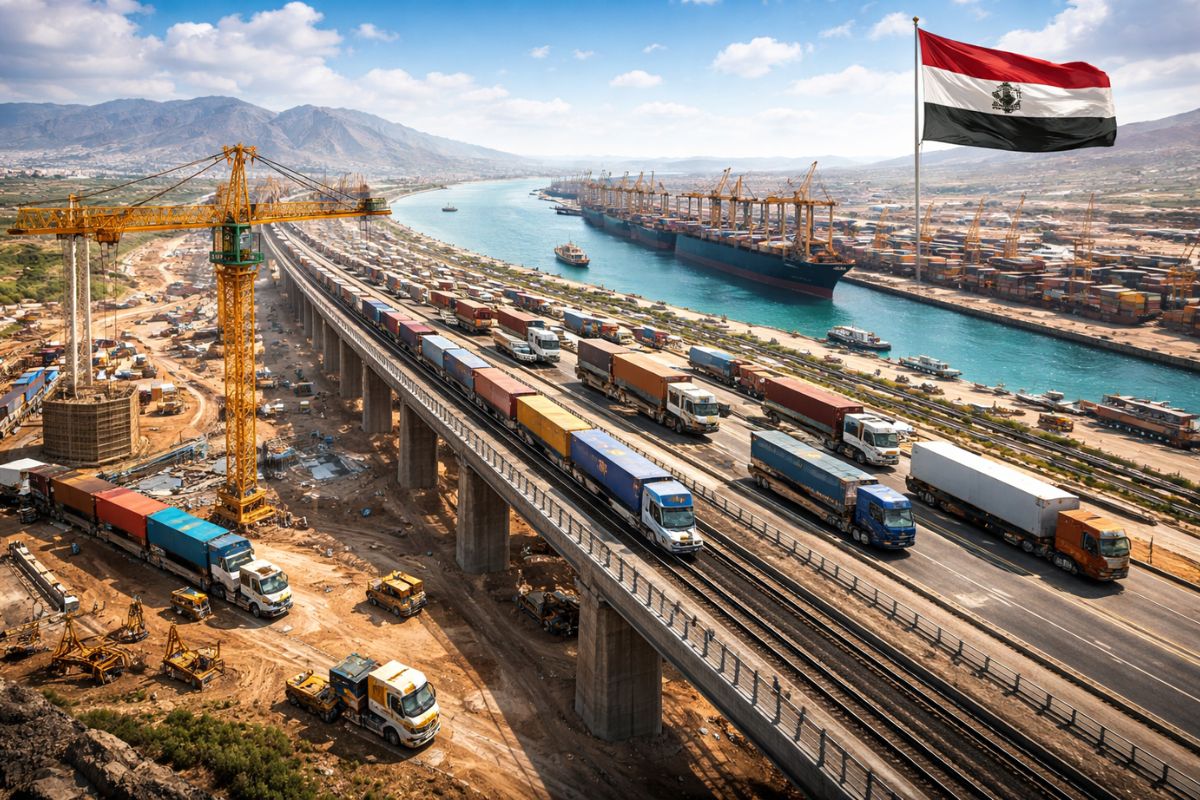
A megaproject worth R$ 89 billion is advancing in Iraq and promises to change the game in global trade by creating a new corridor between Asia and Europe, reducing traditional routes and repositioning the country as a logistics powerhouse.
-
Goodbye bedside table: floating shelves become a trend in 2026 by freeing up space in the bedroom, improving circulation, bringing visual lightness, and integrating technology without taking up floor space.

-
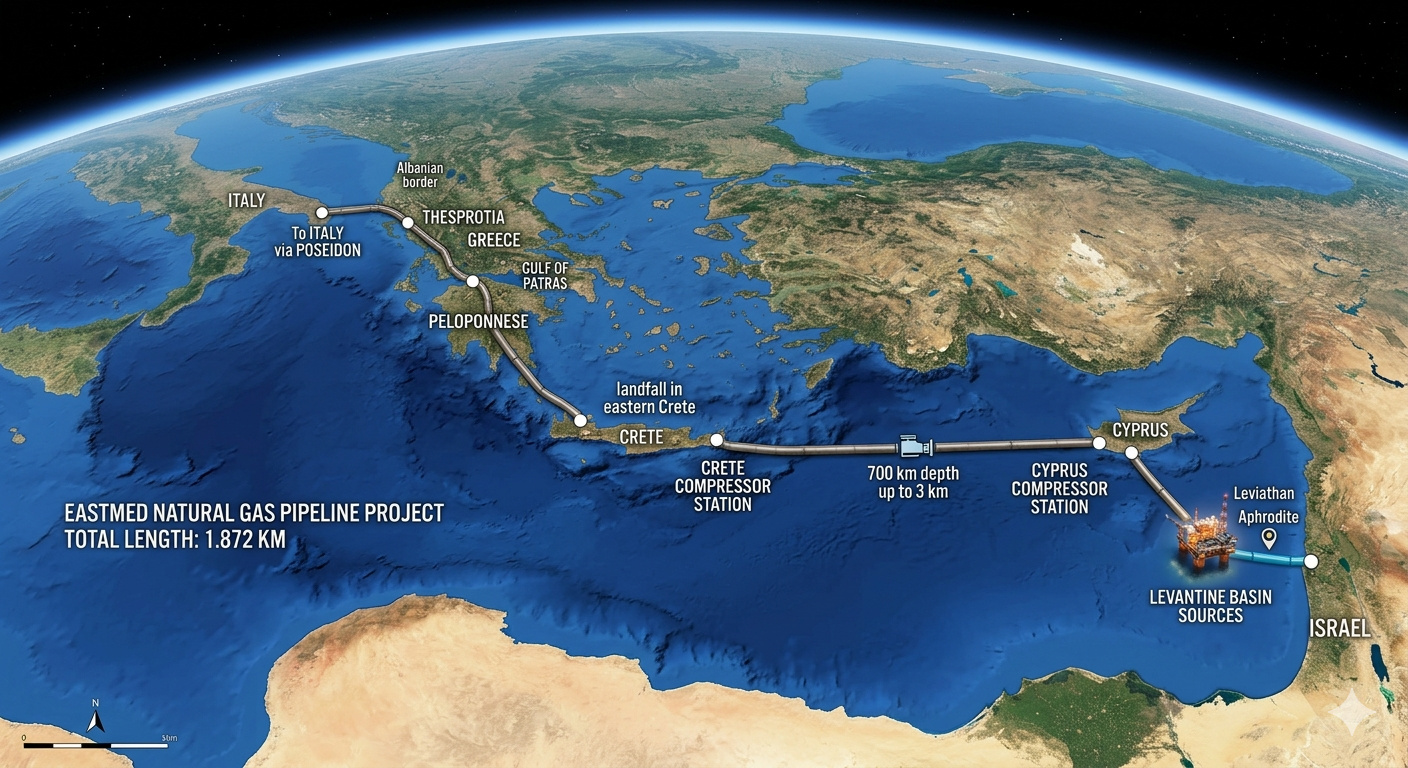
Israel, Greece, and Cyprus signed an agreement in 2020 to transport gas from the Mediterranean to Europe via a 1,872 km pipeline, but Turkey claimed sovereignty over part of the maritime route, and the project never materialized.
-
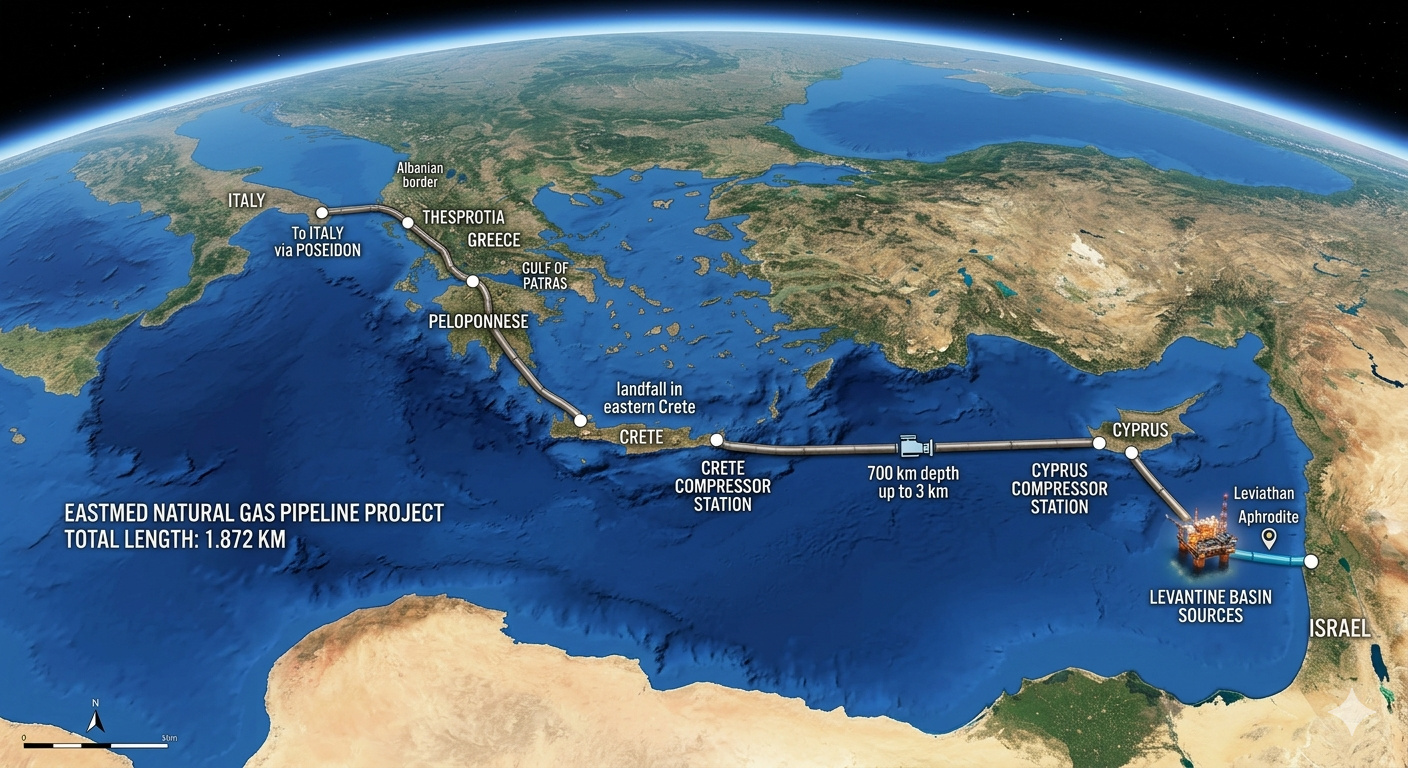
Israel, Greece, and Cyprus signed an agreement in 2020 to transport gas from the Mediterranean to Europe via a 1,872 km pipeline, but Turkey claimed sovereignty over part of the maritime route, and the project never materialized.

The main proposed intercontinental links are the pillars of this network. They include crossings in the Bering Strait (Asia to North America). A connection in the Strait of Gibraltar (Europe to Africa) is also anticipated. Connections between Japan and Korea, Australia and Papua New Guinea, and through Indonesia complete the plan. The AETG is seen by some as a catalyst for development and world peace.
The Challenges and Proposals to Unite the World by Land
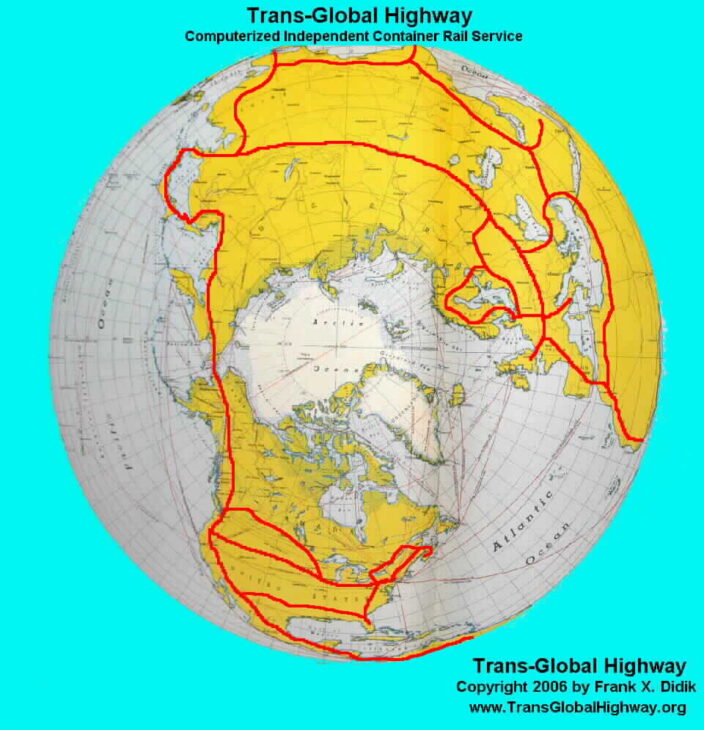
The realization of the road connecting all continents depends on various key connections. Each presents unique challenges.
Bering Strait: Would connect Russia (Asia) to Alaska (North America). Proposals include railroad and road tunnels. The challenges are extreme Arctic conditions, permafrost, and the need for thousands of kilometers of new railways in remote areas.
Strait of Gibraltar: Would unite Spain (Europe) to Morocco (Africa). The proposal focuses on a railway tunnel. Challenges include complex geology, seismicity, and strong sea currents.
Other Important Links: A Japan-Korea tunnel faces astronomical costs and high seismicity. An Australia-Papua New Guinea link through the Torres Strait would impact extremely sensitive ecosystems. Connections through Indonesia are crucial, but the country already faces connectivity challenges due to seismic risks.
The Technology Behind a Global Highway
The technical feasibility of a road connecting all continents depends on continuous advancements in engineering. Innovations in long-span bridge construction are crucial. This includes the use of composite materials, such as fiber-reinforced polymers, and ultra-high performance concrete. Segmental construction techniques and the use of CAD/BIM are also fundamental.
Subsea tunnel technology has also progressed significantly. New excavation methodologies and advanced materials increase safety. The integration of Artificial Intelligence (AI), Internet of Things (IoT), and robotics in tunnel construction, like the Shimizu Smart Tunnel system, improves efficiency and risk management in hostile environments.
Experts’ Opinion: Is It Feasible to Have a Road Connecting All Continents?
Experts examine the Transglobal Highway with caution. From a technical perspective, many links are theoretically possible. Advances in bridge and tunnel engineering have expanded the limits of what is feasible. However, the specific challenges of each location, such as the Arctic climate or seismicity, require solutions at the edge of current knowledge.
Economically, the estimated costs are astronomical, in the trillions of dollars. The profitability of many links is questionable compared to already established maritime and air transport networks. Geopolitically, the AETG would require unprecedented international cooperation. Issues of sovereignty and security would be formidable obstacles. Environmentally, the impacts would be profound and, in many cases, irreversible. The conclusion of experts is that, while inspiring, the full realization of the AETG faces obstacles that seem insurmountable in the foreseeable future.










Seja o primeiro a reagir!