





 Portuguese
  English
  Spanish
  4 min of reading
  0 comments


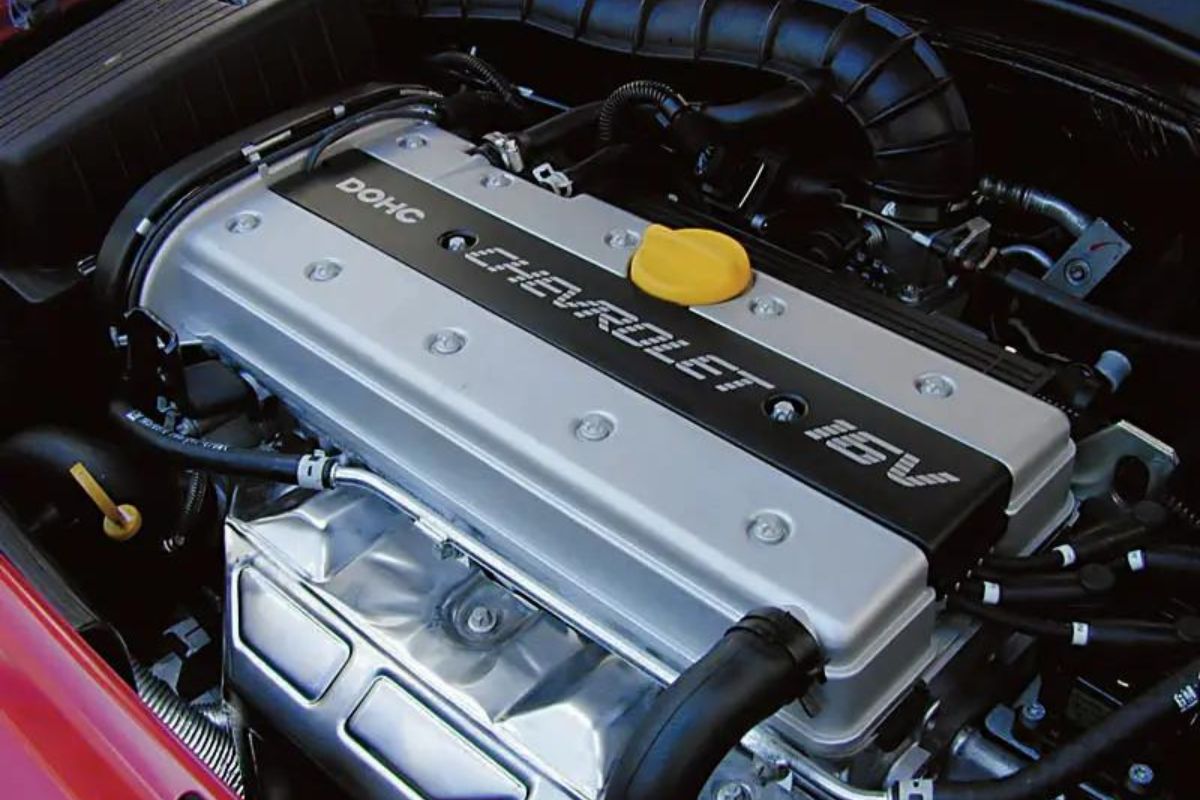
Powerful Engines Of GM And Volkswagen That Equipped The Most Desired Cars Of The 90s Hid A Fragility That Could Lead To Catastrophic Loss: The Breakage Of The Timing Belt.
In the 90s, having a car with a 16V engine was a status and performance symbol. Models like the Chevrolet Vectra GSI and the Volkswagen Gol GTI 16V were consumer dreams, promising a sports and technologically advanced driving experience. However, behind the power hid a mechanical nightmare that became the terror of many owners.
These engines, designed for high performance, had a critical flaw in their design: a total dependence on the timing belt. If this seemingly simple part was not replaced with precision and rigor, the result was almost always the same: engine destruction and an absurdly expensive repair, turning the dream into a financial and emotional frustration.
The Promise Of 16V: Why Were These Engines The Consumer Dream In The 90s?
The 16-valve technology (four per cylinder) was a revolution for national cars. It allowed the engine to “breathe” better, taking in more air and fuel and expelling combustion gases more efficiently. The result was a significant power gain and the ability to reach higher RPMs.
-
Son of a seamstress from the rural area of Ceará who did not speak English wins a scholarship of over 2 million reais at Williams College, one of the top 10 universities in the United States, covering everything including dormitory, meals, and annual trips to Brazil.

-
Bill Gates revealed that the true secret behind every great achievement is not a brilliant leap but rather small improvements repeated over the years, and the data from his own career and the fight against climate change prove that he is right.

-
With 22 thousand tons of steel, a height nearly three times greater than the Eiffel Tower, and a cost of R$ 1.6 billion, China is building the highest bridge on the planet over a colossal canyon, reducing a crossing time of over 2 hours to just over 2 minutes.

-
With more than 635,000 doctors, Brazil sees competition increasing in large cities, and recent graduates are competing for shifts at an accelerated pace while the countryside still faces shortages.


For enthusiasts, a 16V engine meant more sportiness and superior performance. Cars equipped with this technology were seen as the most modern in automotive engineering available in Brazil, justifying their higher price and status as desired objects.
The Engines In Focus: The Powerful But Problematic 16V Of GM And Volkswagen
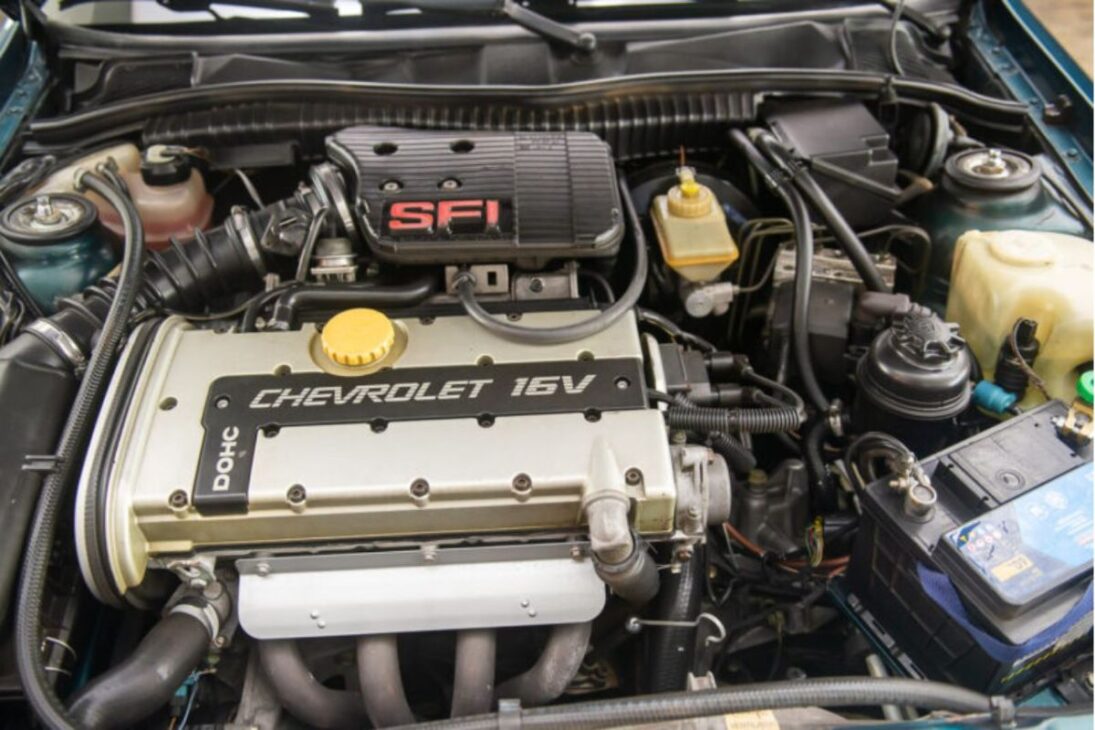
Two engines became famous for their performance and, unfortunately, for their fragility.
GM Family II 16V (C20XE): This 2.0-liter, 150 hp German engine equipped the coveted Chevrolet Vectra GSI and Astra GSI. With a cylinder head developed by the renowned Cosworth in some versions, it was a masterpiece of engineering that delivered high performance.
VW EA111/EA113 16V (AP 16V): In the Volkswagen Gol GTI 16V and Parati GTI 16V, this 2.0-liter, 141 hp engine became a national icon. With a block imported from Germany and modifications to withstand high RPMs, it was the heart of the brand’s most popular sports cars.
Despite their different origins, both shared the same “Achilles heel”: they were “interference” designs driven by a timing belt.
What Happens When The Timing Belt Of A 16V Engine Breaks?
In an interference engine, the physical space inside the cylinder is shared, at different times, by the pistons and the valves.
The timing belt is the part that ensures the perfect synchronization of this mechanical ballet. It ensures that the valves close in time for the piston to rise and open for the intake of air and exhaust of gases.
When the belt breaks, that synchronization ends instantly. The result is a violent collision: the pistons, moving at high speed, crash into the valves that remained open. This is what mechanics call the “instant death” of the engine.
Valve Collision
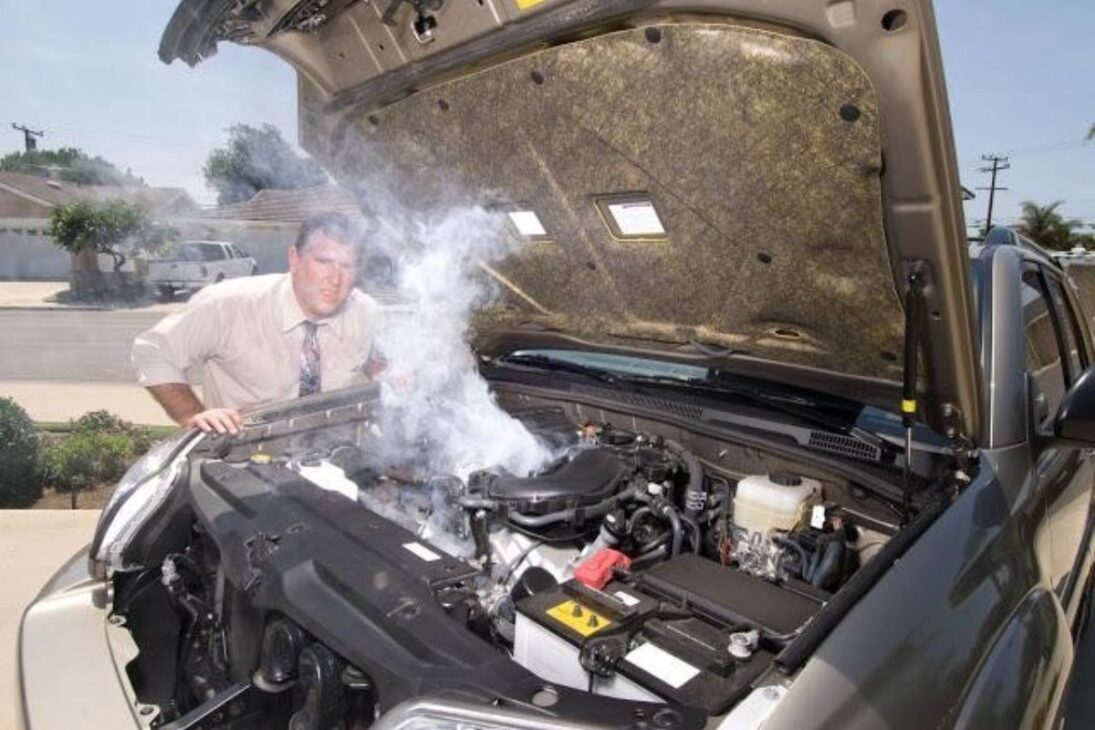
The term “valve collision” describes the cascade of destruction that follows the breakage of the belt. The initial collision causes a series of serious damages:
Bent or Broken Valves: This is the most certain and immediate damage.
Damaged Pistons: The heads of the pistons become marked, may crack or even have pieces torn off.
Damage to the Cylinder Head: The guides and seats of the valves may be destroyed, and the cylinder head itself may warp or crack.
The repair was very expensive because it required complete engine disassembly. The bill included the replacement of all 16 valves, pistons, gaskets, and in many cases, a complete cylinder head resurfacing.
The repair cost could easily reach a considerable fraction of the car’s value, making negligence regarding the timing belt a fatal mistake for the wallet.
The Only Way To Avoid Disaster
The only way to avoid becoming a victim of this chronic problem was strict and preventive maintenance. For these engines, replacing the timing belt was not a recommendation, but an absolute and urgent necessity.
Timely Replacement: The replacement should be done strictly within the mileage or time recommended by the manufacturer. Many owners, out of precaution, replaced it even earlier.
Complete Kit Replacement: It was not enough to just replace the belt. It was crucial to also replace the tensioner and pulleys, as the failure of any of these components could cause the same damage.
Specialized Labor: The replacement procedure required precision. An error in the synchronization of the 16V engine, even by a tooth, could lead to the same catastrophic outcome.
The saga of these engines left a lasting legacy, teaching an entire generation of drivers and mechanics the most important lesson about high-performance engines: power demands precision.








-

-

6 pessoas reagiram a isso.