





 Portuguese
  English
  Spanish
  4 min of reading
  0 comments


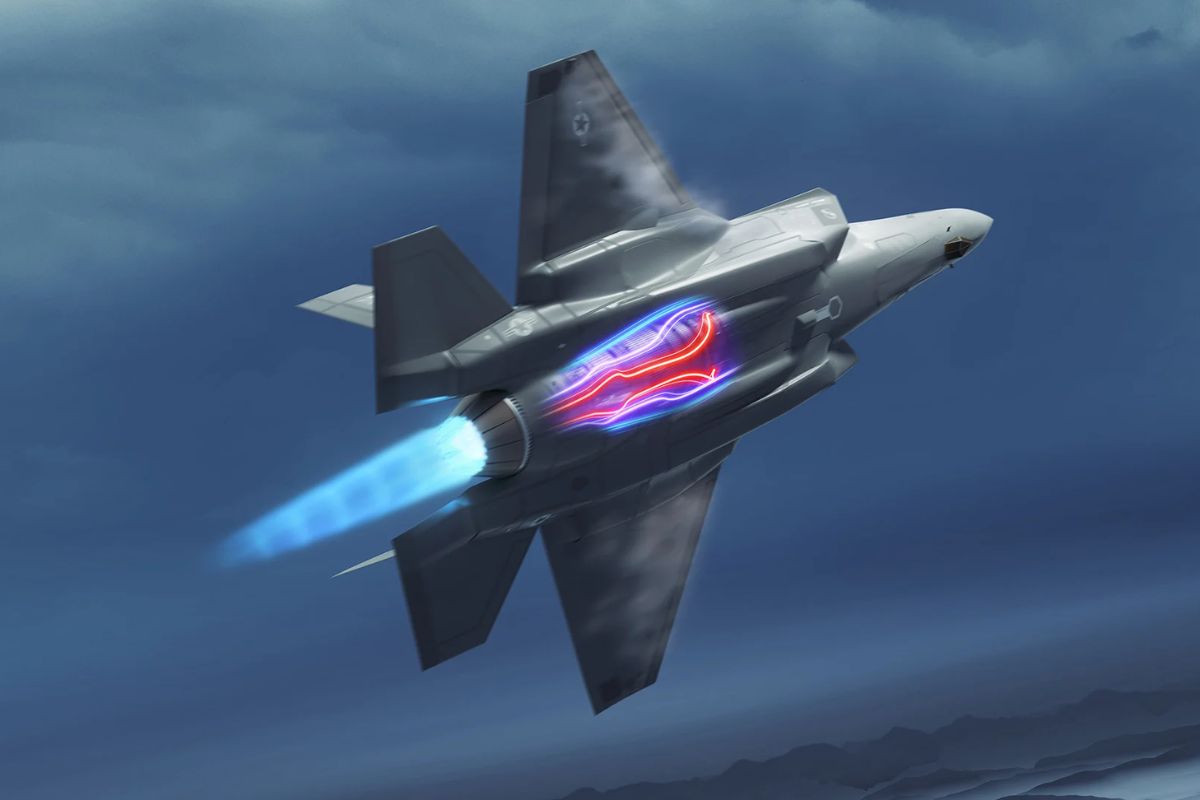
With a 25% Increase in Fuel Economy and 20% More Thrust, the New Engine of the US Air Force’s 6th Generation Adaptive Fighter Jet Is the Biggest Revolution in Fighter Jet Propulsion Since the Invention of the Turbofan.
The future of air warfare is being decided inside an engine. The NGAD (Next Generation Air Dominance) program, which will create the 6th generation fighter to replace the F-22 Raptor, centers around a revolutionary technology: an engine that “thinks for itself,” capable of adapting its performance in real-time to prioritize fuel economy during long flights or maximum power during combat. The 6th generation fighter jet engine is a multi-billion dollar bet to ensure US air superiority in the coming decades.
This advance, however, is not for tomorrow. Contrary to speculation, the prototypes are not expected to undergo ground testing until the end of the 2020s. The competition to build this engineering marvel is between two giants: GE Aerospace and Pratt & Whitney, in a contest that will define the future of combat aviation.
How the Three-Stream Engine Works That Changes Its Performance in Real-Time
The current fighter engines, like those in the F-35, operate on a “fixed cycle,” meaning they are a compromise between power and efficiency. The 6th generation fighter jet engine breaks this limitation with an adaptive cycle architecture (ACE), featuring an innovative third airflow.
-
A couple buys an old chalet, breaks the kitchen floor for renovation, and finds over a thousand coins of gold and silver hidden since the English Civil War over 4 centuries ago.

-
Millions of people have been eating yam for centuries without knowing that this humble tuber contains a compound called diosgenin, which scientists have now discovered can improve memory and help control blood sugar levels.

-
Rigid bags with their days numbered: new trend prioritizes comfort in 2026.

-
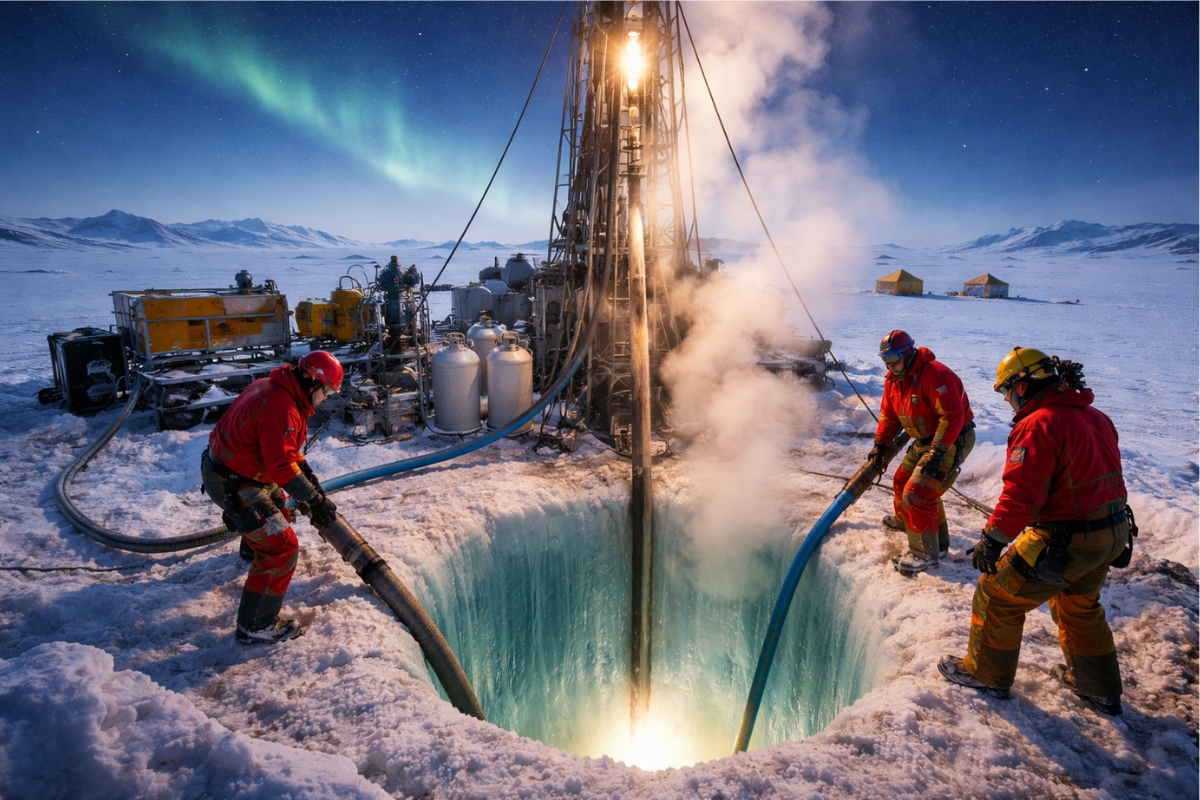
Scientists from an international project drill 1,800 meters of ice in Antarctica using hot water and discover details about one of the most intriguing places on planet Earth.

This extra flow allows the engine to change its operating mode during flight:
Economy Mode: for long distances, the system directs more air to this third stream, making the engine operate similarly to a commercial aircraft, which results in a drastic reduction in fuel consumption.
Combat Mode: when the pilot needs maximum power, the third stream closes, and all the air is forced into the engine core, transforming it into a high-performance turbine.
This adaptation is controlled by an onboard computer called FADEC, which analyzes flight data 70 times per second and adjusts the engine automatically, without the pilot needing to intervene.
The AETP Program: The Tests That Proved a 25% Gain in Fuel Efficiency and 20% in Thrust
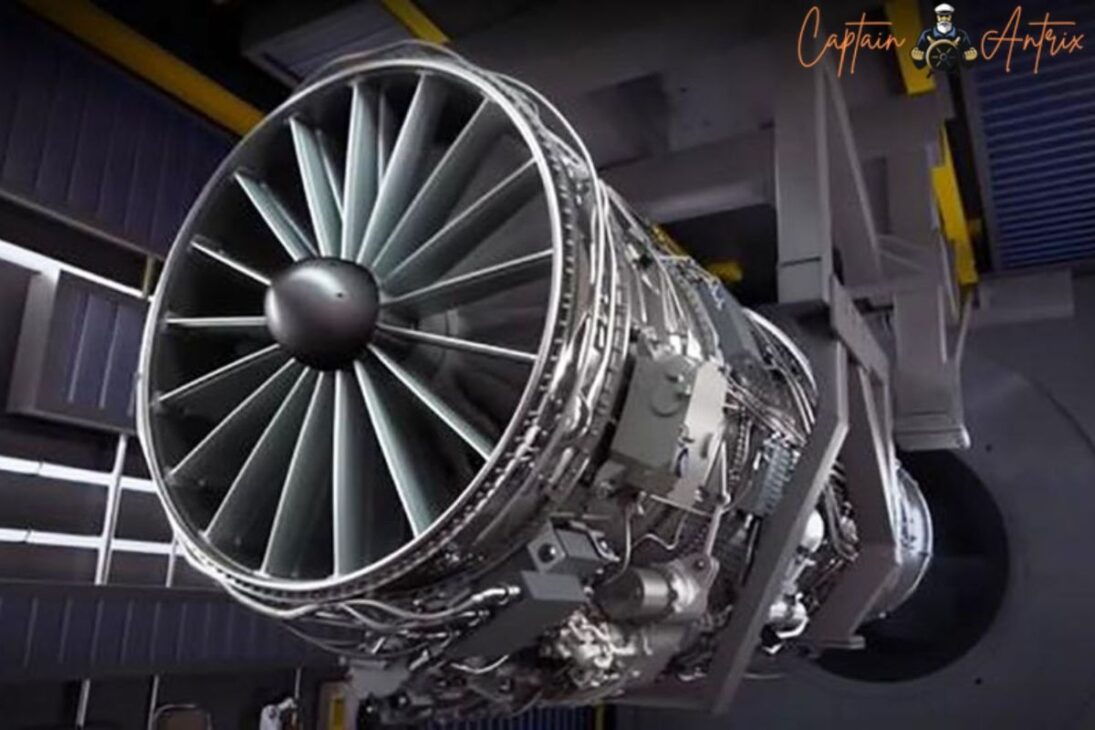
The adaptive engine technology is not a theory; it has already been proven. In 2016, the US Air Force launched the Adaptive Engine Transition Program (AETP). The goal was to build and test prototypes that could, in the future, equip the F-35 fighter.
The results, validated in extensive tests at the Arnold Engineering Development Complex (AEDC) in Tennessee, were impressive. The prototypes from GE (XA100) and Pratt & Whitney (XA101) met the established targets:
- 25% improvement in fuel efficiency.
- 10% to 20% increase in thrust.
- 30% increase in aircraft range.
These successful tests were the foundation that gave the Air Force confidence to launch the subsequent program, specifically focused on the 6th generation fighter.
The Dispute Between GE Aerospace (XA102) and Pratt & Whitney (XA103) for the US Air Force Contract
The race to build the 6th generation fighter jet engine is now within the NGAP (Next Generation Adaptive Propulsion) program. In August 2022, the Air Force awarded the initial contracts to the two largest military engine manufacturers in the world.
GE Aerospace: is developing the prototype XA102, a direct descendant of its engine tested in the AETP program. In February 2025, the company completed the Detailed Design Review (DDR), a crucial step before manufacturing begins.
Pratt & Whitney (RTX): is developing the prototype XA103, based on its AETP engine experience and its long history with the F-22 and F-35 fighters. The company also completed its DDR in February 2025.
In January 2025, the Air Force raised the contract ceiling, which can now reach US$ 3.5 billion for each company, with work extending until 2032.
Why Will the 6th Generation Fighter Engine Prototypes Only Be Tested at the End of the 2020s?
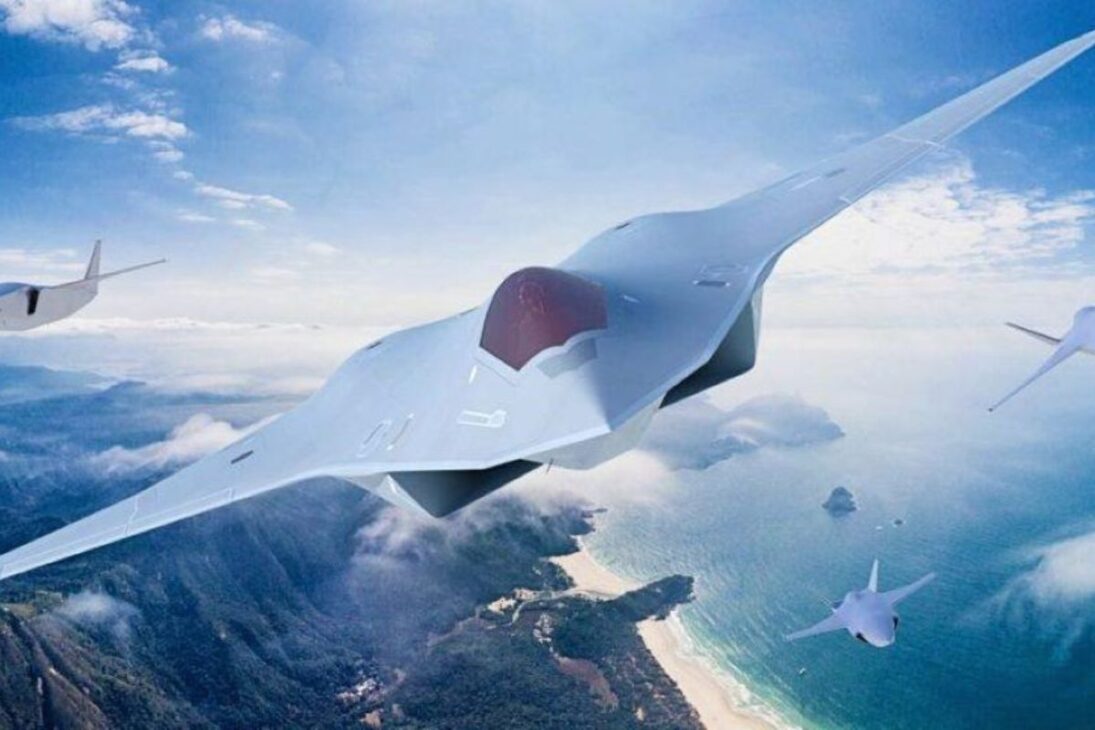
Despite the advancement in the design, the ground testing phase of the NGAP prototypes is not expected to occur until the end of the 2020s. The US Air Force’s strategy is to “test before buying.” Both engines, XA102 and XA103, will be manufactured and thoroughly tested. Only after this “ground contest” will a single winner be chosen for mass production.
This methodical approach aims to avoid the problems of previous programs, ensuring that the technology is mature and functional before being integrated into the new fighter, which is already being referred to as the F-47.
How the New Engine Was Designed to Operate Long Distances and Reduce Dependence on Tankers
The performance of the 6th generation fighter jet engine is a direct response to the challenges of the Indo-Pacific geopolitical landscape. The region is marked by immense distances and the vulnerability of air bases and refueling aircraft.
The 30% increase in range that the adaptive engine provides is a game changer. It allows fighters to operate from more distant and secure bases, out of reach of most enemy missiles. The greater efficiency reduces critical dependency on tankers, which are valuable targets in a conflict. The new engine is not just about speed but about persistence and autonomy, essential qualities for maintaining air dominance in the future.






-

-

-

-

-

29 pessoas reagiram a isso.