





 Portuguese
  English
  Spanish
  4 min of reading
  13 comments


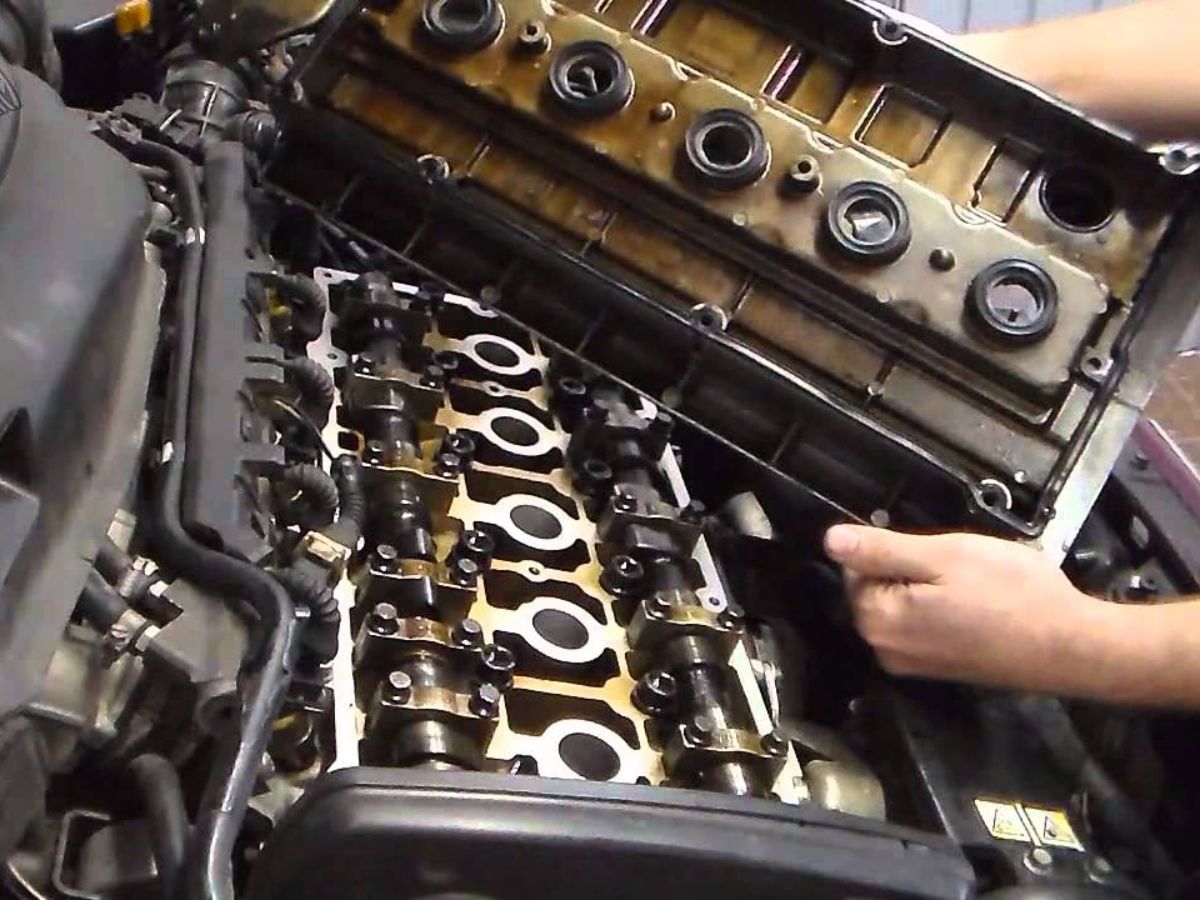


Discover The History Of The Fiat Fivetech 2.0 20V Engine From The Marea: Its Sophisticated Engineering, The Potential For Icon Status, And The Mistakes That Turned It Into A Synonym For Problems.
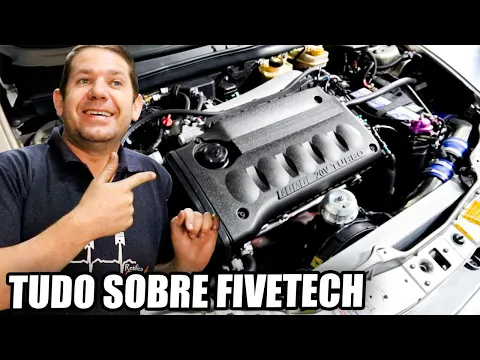
The Fiat Fivetech 2.0 20V engine, which powered the Fiat Marea in Brazil, is one of the biggest paradoxes in our automotive industry. Launched with promises of sophistication and sporty performance, especially in the Turbo version, it had everything to be an icon. However, an infamous reputation for being a “lemon” haunts it to this day.
This article unveils the complex web of factors that turned a technological forefront into a maintenance nightmare. We will analyze the engineering of the Fivetech, the mistakes that led to its bad reputation, and the controversial legacy it left in the Brazilian market.
What Was The Fiat Fivetech 2.0 20V Engine And Its Potential?
The Fiat Fivetech 2.0 20V represented a technological leap in Brazil in the late 1990s. Its architecture of five inline cylinders, 20 valves, and dual overhead camshafts (DOHC) was advanced. The naturally aspirated version produced 142 hp, but the Turbo, with 182 hp and 27 kgfm of torque, was the star, making the Marea the fastest national car of its time.
-
A couple buys an old chalet, breaks the kitchen floor for renovation, and finds over a thousand coins of gold and silver hidden since the English Civil War over 4 centuries ago.
-
Rigid bags with their days numbered: new trend prioritizes comfort in 2026.

-
YouTuber creates an excavator equipped with a giant 4.5-meter sword to challenge his brother to a rematch, and the invention quickly goes viral on social media.
-
The U.S. Army surprises the world by presenting the UH-60MX Black Hawk helicopter capable of flying without pilots, controlled by a tablet, featuring the MATRIX system, smart sensors, and full autonomy in real combat and rescue missions.


Originating from the European “Pratola Serra” lineage, used in Fiat Coupe and Lancia models, the Fivetech gave the Marea a touch of exclusivity. Its distinctive roar and vigorous performance promised a sophisticated and sporty driving experience, delighting enthusiasts.
Why Did The Fiat Fivetech 2.0 20V Become A “Lemon”?
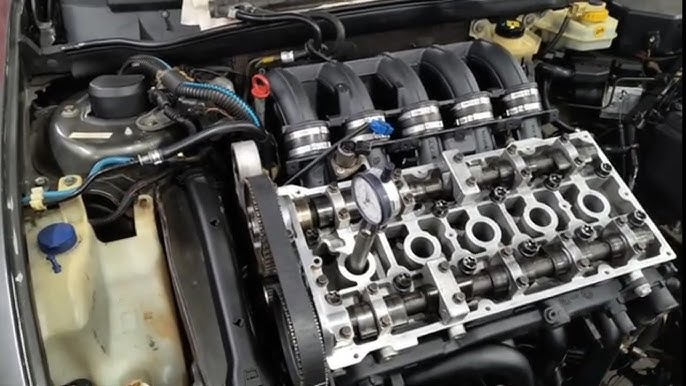
The transformation of the promising Fiat Fivetech 2.0 20V into a “lemon” was the result of a “perfect storm.” The complex timing belt replacement, requiring specific tools and knowledge, was a challenge. However, the most critical error was Fiat’s initial recommendation of an oil change interval of 20,000 km.
This interval, unsuitable for Brazilian conditions (fuel, lubricants of the time), led to rapid oil degradation and sludge formation, obstructing internal galleries and causing premature wear or engine seizure. The situation was exacerbated by the shortage of qualified mechanics and proper tools outside the network and the lack of a complete “tropicalization” of the engine. Negligence in maintenance by some owners, who used inappropriate mineral oil, also contributed to the vicious cycle of problems.
The Fiat Fivetech 2.0 20V In Europe: A Different Story Of Reliability?
In Europe, the Fiat Fivetech 2.0 20V powered models like the Fiat Coupe 20VT and Lancia Kappa. Although it required diligent maintenance, it did not suffer the same collapse of reputation seen in Brazil. Issues such as cracks in the exhaust manifold of the Coupe were known but manageable.
The fundamental difference seems to lie in the automotive “ecosystem.” Europe had better-trained mechanics, easier access to parts and tools, and a maintenance culture more aligned with the sophistication of the engine. The failure in Brazil was less about the engine’s engineering and more about the inability of the local environment to support its advanced technology, including the manufacturer’s misguided initial guidelines.
Legacy Of The Marea Fivetech: From Infamous Depreciation To Surprising “Cult Car” Status
The immediate consequence of the Marea Fivetech’s bad reputation was its catastrophic depreciation in the used market. The stigma of being a “lemon” made it difficult to sell units, even well-maintained ones. Paradoxically, over time and with the spread of knowledge through the internet, a niche of enthusiasts and collectors emerged.
The unique roar, the performance potential (especially from the Turbo), and the rarity of units in good condition contribute to this cult status. Experts today assert that most of the problems (80% to 90%) resulted from improper maintenance, not design flaws. Owning a Marea today still involves challenges with parts and workshops, but for many, it’s a reward.
What Does The Case Of The Fiat Fivetech 2.0 20V Teach?

The trajectory of the Fiat Fivetech 2.0 20V in Brazil is a lesson about the importance of “tropicalizing” projects and having robust after-sales support. It highlights the impact of the manufacturer’s misguided technical recommendations and the need to prepare the market for new technologies.
Evaluating the Marea Fivetech solely as a “lemon” is simplistic. With proper maintenance, the engine shows its qualities. The legacy is twofold: the distrust that affected Fiat’s image and the appreciation from a niche that rediscovers an engine that, under other circumstances, could have been a success icon.






My father once owned a Fiat Marea. Unfortunately, he ended up spending more on engine maintenance than the car’s original value. In the end, he sold it for just 25% of the standard market price. In my view, the manufacturer should have taken responsibility for such issues. I’m aware that Fiat is now part of Stellantis, and I hope things have improved since then.
However, based on that experience, I’ve decided I’ll never buy a Fiat vehicle.
Excelente matéria, porém a maior culpada podemos dizer assim pelo prorpio fracasso foi a fiat Brasil, tiveram tempo para mitigar os erros grotescos, mas não o fizeram, porque será? Porque não um recall , os problemas eram conhecidos mas a falta de ação deixou queimado, marea, tipo e tempra.
Como disse a matéria está bem escrita, mas a quantidade de pop-ups é propagandas na página é péssimo, dificultando leitura pelo celular.
A reportagem está de parabéns! Tive o indescritível prazer de ter um Marea Weekend Turbo. Um carro único. Além de uma carroceria muito equilibrada, estabilidade fantástica, o motor era só alegria. Ronco vigoroso, torque de sobra, retomadas que deixavam muitos importados com inveja.
De fato, lembro ter estranhado o prazo de troca de óleo tão longo. No meu costumava trocar entre 10 e 12 mil. O óleo era caríssimo na época e manutenção era só em concessionária. Cada vez que vinha a conta eu pensava em vender o carro, mas era sair na rua e esquecer a ideia – o prazer compensava.
Para mim, o que era uma falha no carro era ausência de computador de bordo (O Tempra tinha e era perfeito) e embreagem muito dura. De resto foi um baita casamento!