





 Portuguese
  English
  Spanish
  4 min of reading
  0 comments


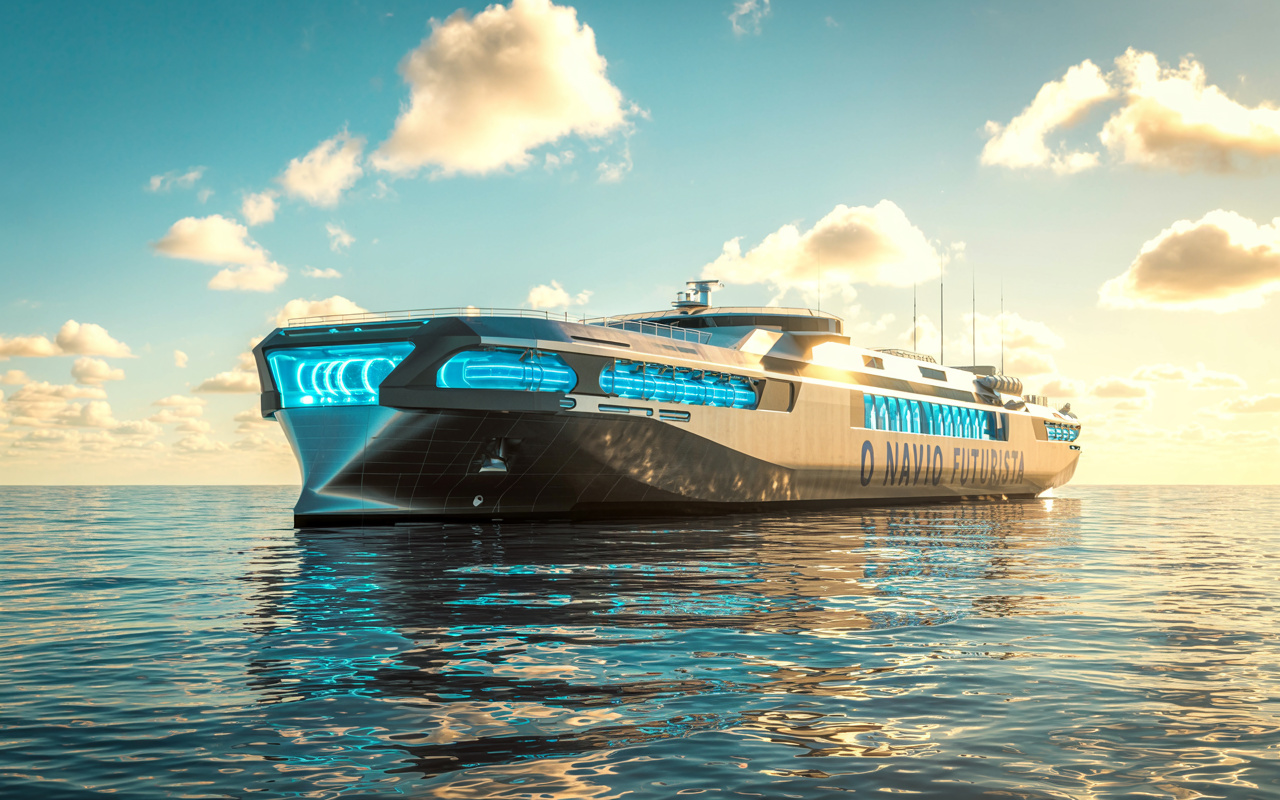
Energy Observer 2, 200-Meter Hydrogen-Powered Ship, Promises to Cross Oceans Without Polluting and Inaugurate a New Era in Maritime Transportation.
Imagine a ship nearly the length of two football fields, cutting across the Atlantic in silence, emitting no black smoke on the horizon or spilling oil into the sea. This is not a scene from science fiction, but the concept of Energy Observer 2, a European project that promises to be the first large cargo ship powered by liquid hydrogen. With a length of 200 meters and an estimated investment of US$ 500 million, it represents one of the boldest bets to transform shipping into something truly sustainable.
The Problem: Ships Are the Invisible Giants of Pollution
Over 90% of global trade depends on maritime transport. Each ship carries everything from containers with electronics and clothing to oil, gas, and grains. But while connecting the planet, these vessels emit an absurd amount of pollutants.
The majority of cargo ships use heavy fuel oil (bunker oil), a dense and toxic residue from oil refining. In addition to releasing tons of CO₂ into the atmosphere, this fuel emits sulfur oxides, ultrafine particles, and other pollutants that harm the air and oceans.
-
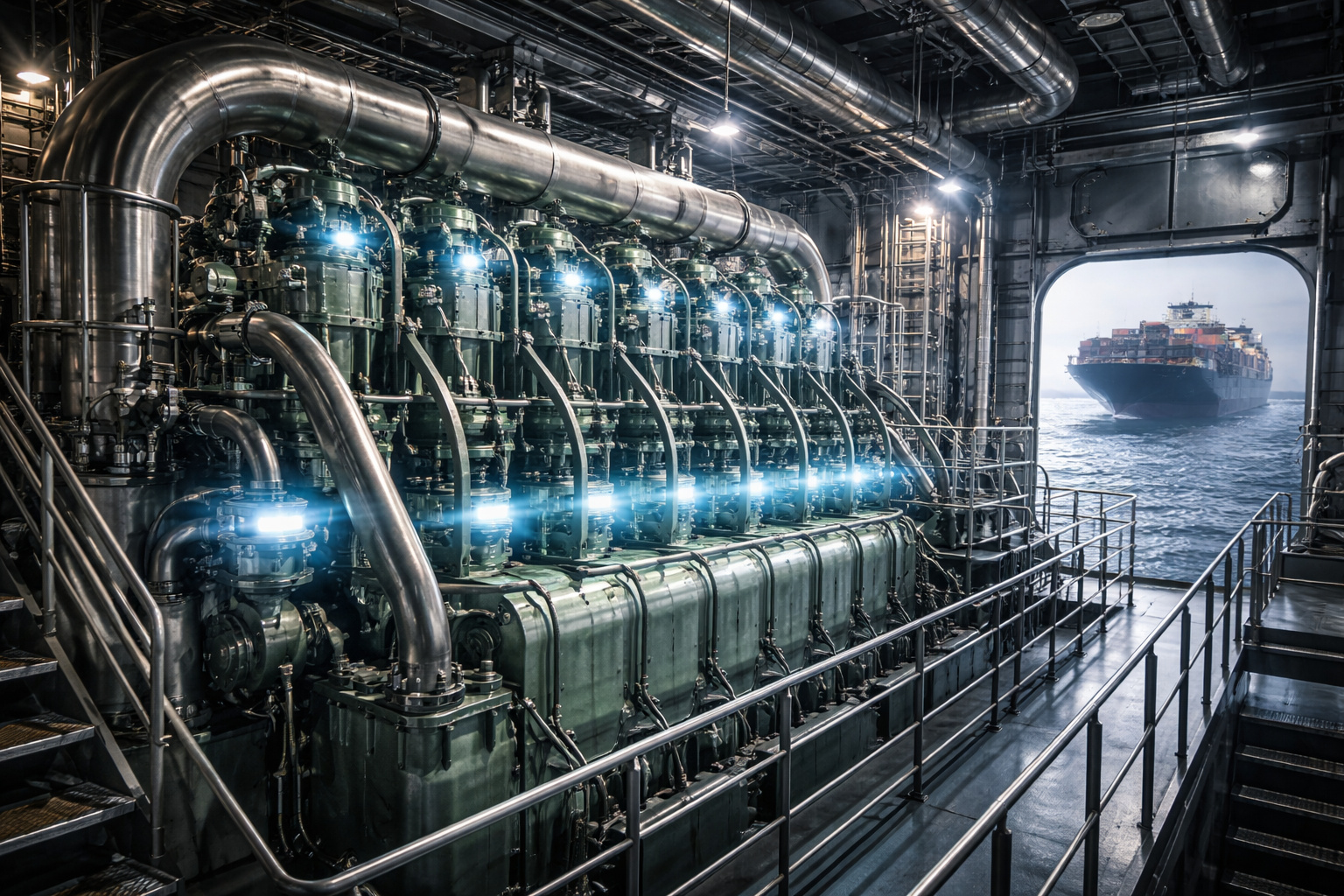
Europe is trying to create an ammonia-powered marine engine without auxiliary fuel, which could unlock the race for giant emission-free ships. The technology aims to eliminate one of the biggest obstacles to clean maritime propulsion.
-
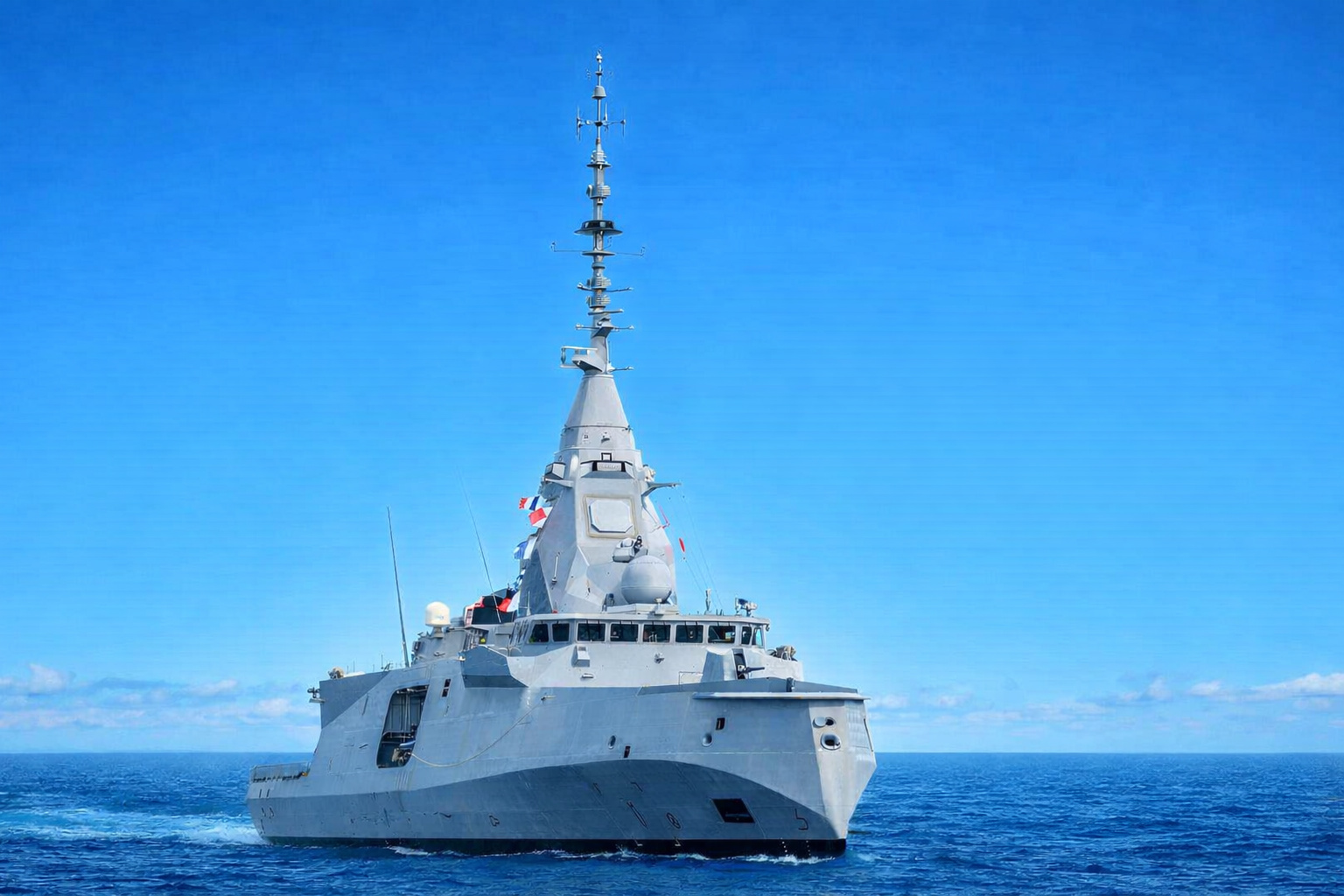
A 4,500-ton frigate with just over 100 crew members, state-of-the-art radar, and cruise missiles is being touted as the new standard of naval warfare in the 21st century.
-
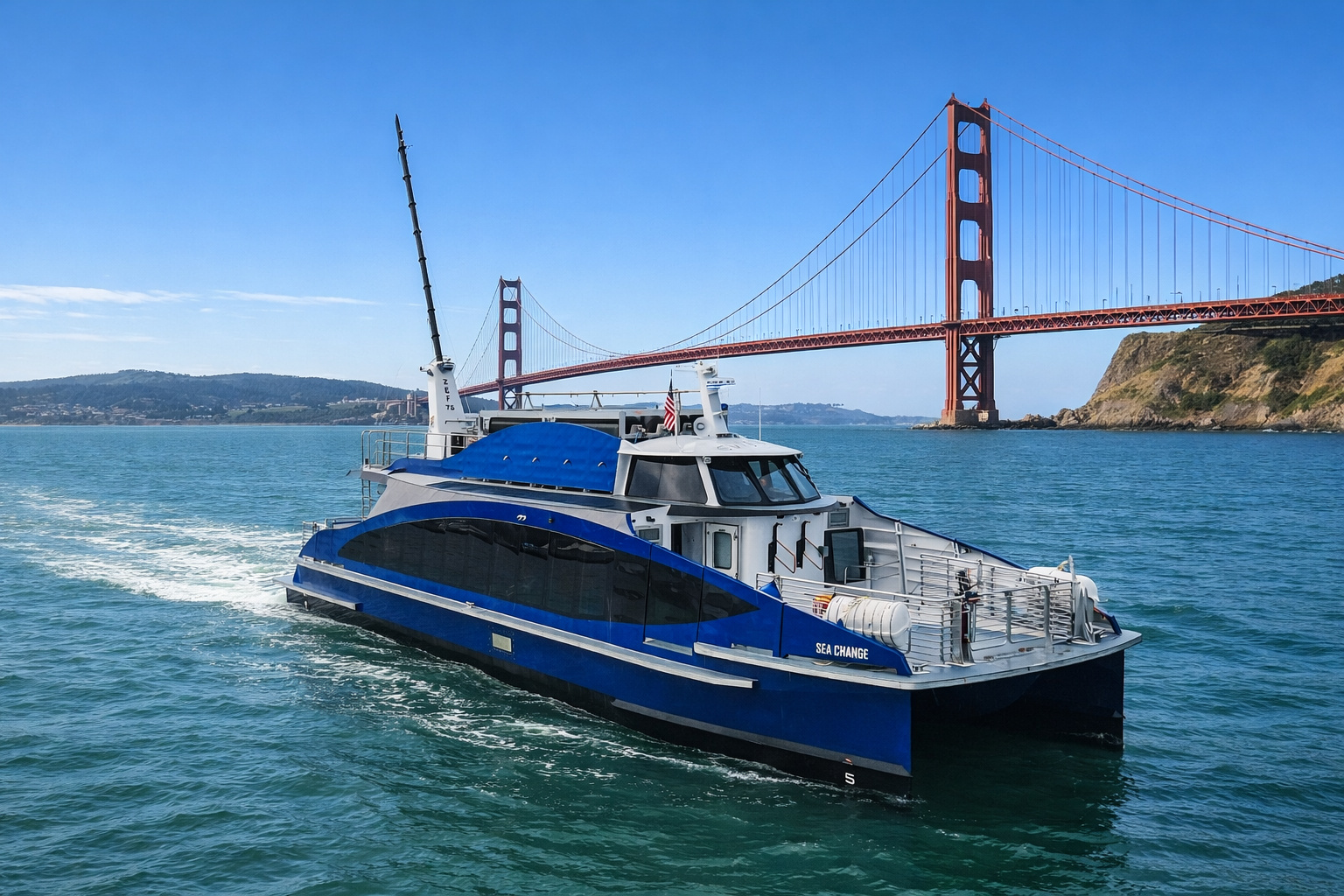
The first commercial hydrogen-powered ferry enters operation in the U.S., eliminates the use of diesel, uses fuel cells to generate clean energy on board, and transforms San Francisco Bay into a landmark of the new era of emission-free navigation.
-
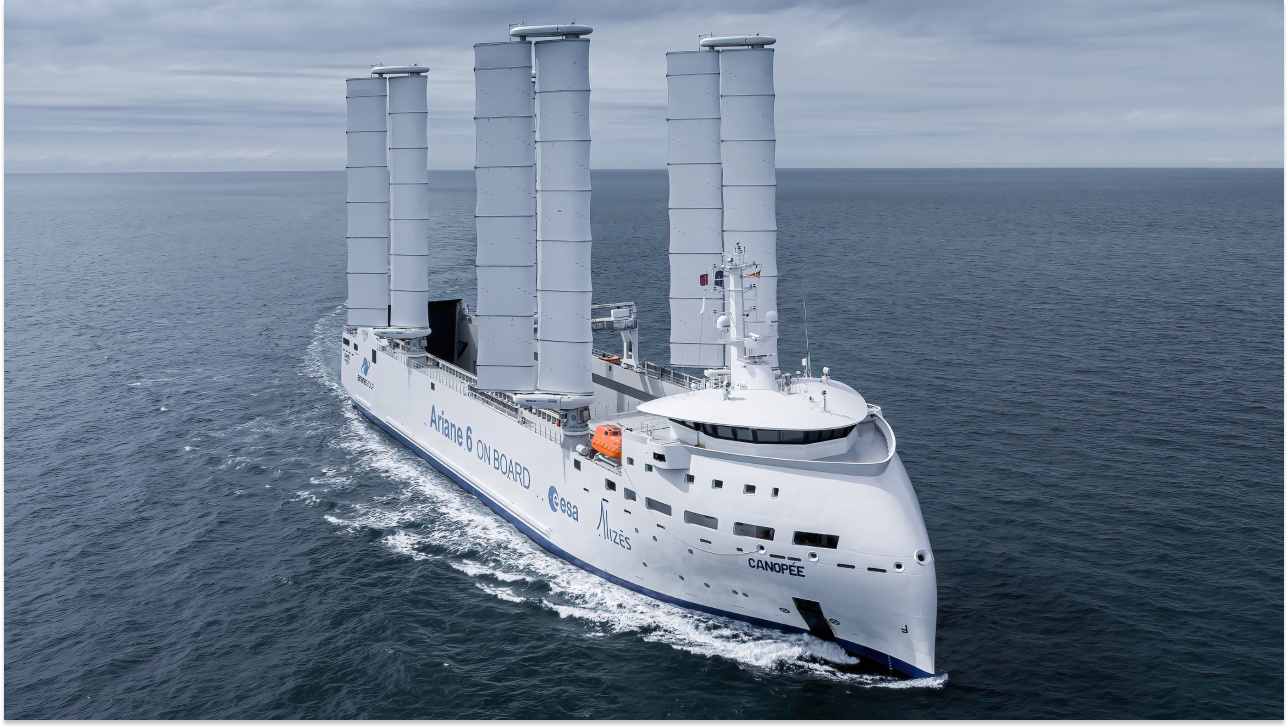
With a length of 121 meters and four rigid sails of 36 meters that automatically rotate to capture the wind, Canopée is the world’s first hybrid industrial cargo ship powered by wind, used to transport rockets and reduce fuel consumption by up to 30% on transoceanic routes.


To give you an idea, only 15 of the largest ships in the world emit more sulfur than all the cars on the planet combined. This prompted the International Maritime Organization (IMO) to impose stricter emission limits starting in 2020 – and forced the industry to seek alternatives.
The Answer: A Cargo Ship That Does Not Use a Drop of Oil
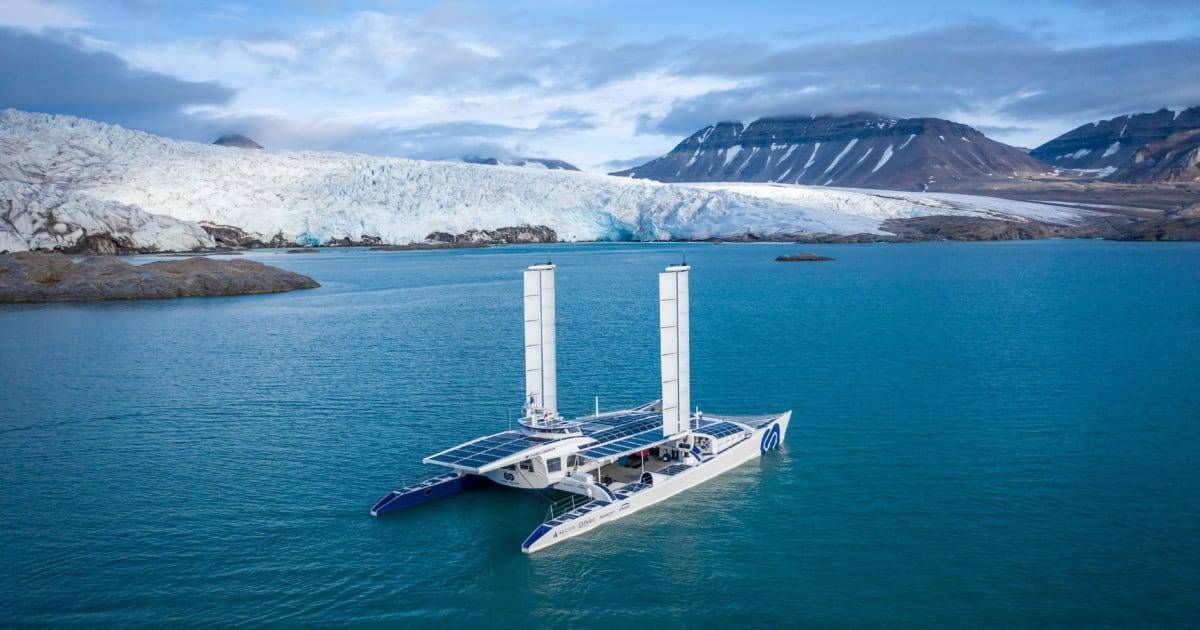
It is in this scenario that Energy Observer 2 emerges, an evolution of the catamaran Energy Observer, launched in 2017 as a floating laboratory. The new project, announced by the French team Energy Observer Developments, aims to apply the lessons learned to create a zero-emission cargo ship.
The plan is bold: to build a 200-meter-long ship capable of carrying 5,000 tons of cargo, powered exclusively by liquid hydrogen.
No bunker oil, marine diesel, or methanol – only hydrogen stored at cryogenic temperatures, which fuels fuel cells to generate electricity and power the engines.
How Will Hydrogen Power a Ship of This Size?
The technology is complex, but the idea is simple: hydrogen is stored in cryogenic tanks at -253 °C. When needed, it is converted into electricity by fuel cells – a system that combines hydrogen and oxygen to generate energy, releasing only water vapor as a byproduct.
This energy powers high-power electric motors, which rotate the ship’s propellers. Energy Observer 2 will also have batteries to store energy and ensure stability, as well as solar panels to assist with small demands, such as lighting and onboard systems.
An Engineering Feat – And a Logistical Challenge
Designing a 200-meter cargo ship powered by hydrogen is an impressive engineering feat. The fuel is light but takes up a lot of space, requiring enormous tanks. Moreover, it must be kept at extremely low temperatures to remain liquid – which necessitates state-of-the-art thermal insulation.
Another challenge is refueling. Currently, there are very few ports in the world with infrastructure to handle liquid hydrogen. For Energy Observer 2 to truly operate, it will be necessary to create a network of maritime refueling stations – something that will require billions in additional investments.
How Much Will It Cost and Who Will Pay the Bill?
The estimated price of Energy Observer 2 is around US$ 500 million – significantly more expensive than a conventional cargo ship of the same size. But the creators believe this cost will be diluted as technology becomes more popular.
Major players in the maritime industry are already paying attention. Companies such as Maersk, CMA CGM, and MSC are investing in alternatives, from green methanol to ammonia, and may see hydrogen as a long-term solution. Additionally, government subsidies and stricter environmental regulations may accelerate adoption.
What Could This Ship Carry?
Although it is a conceptual prototype, Energy Observer 2 is designed to be functional as a medium-sized cargo ship. The expectation is that it will transport:
- containers of manufactured goods;
- heavy equipment;
- sensitive cargo, such as food and medicine.
The idea is not to directly compete with 400-meter super bulkers, but to prove that hydrogen can power real commercial ships, not just experimental vessels.
The Environmental Impact: A Turning Point for the Seas
If Energy Observer 2 delivers on its promises, it will be the world’s first zero-emission cargo ship on a large scale. This means:
- Zero CO₂ released into the atmosphere;
- Zero heavy fuel oil dumped into the ocean;
- Less underwater noise, helping to protect marine ecosystems.
And the impact could go far beyond a single ship. The project could pave the way for a new generation of clean vessels, forcing governments and companies to rethink maritime transport.
What Could Delay This Dream
Despite the optimism, there are obstacles. Hydrogen is expensive to produce on a large scale, especially the so-called green hydrogen, made from renewable energy. In addition, accidents involving hydrogen (flammable and highly energetic) require complex safety systems.
Another point is the scale: for the technology to make a difference, hundreds, perhaps thousands, of ships will need to adopt alternative fuels. Energy Observer 2 will only be the first piece of a gigantic puzzle.
Even with all the challenges, Energy Observer 2 symbolizes a new mindset: that the seas of the future can be clean. It also shows how traditionally slow-to-innovate sectors – such as maritime transport – are being pressured by climate goals and a new generation of engineers willing to reinvent the impossible.
If all goes well, the launch of Energy Observer 2 could be seen, in retrospect, as the moment when maritime transport truly began to change.









-

Uma pessoa reagiu a isso.