





 Português
  Inglês
  Espanhol
  3 min de leitura
  0 comentários


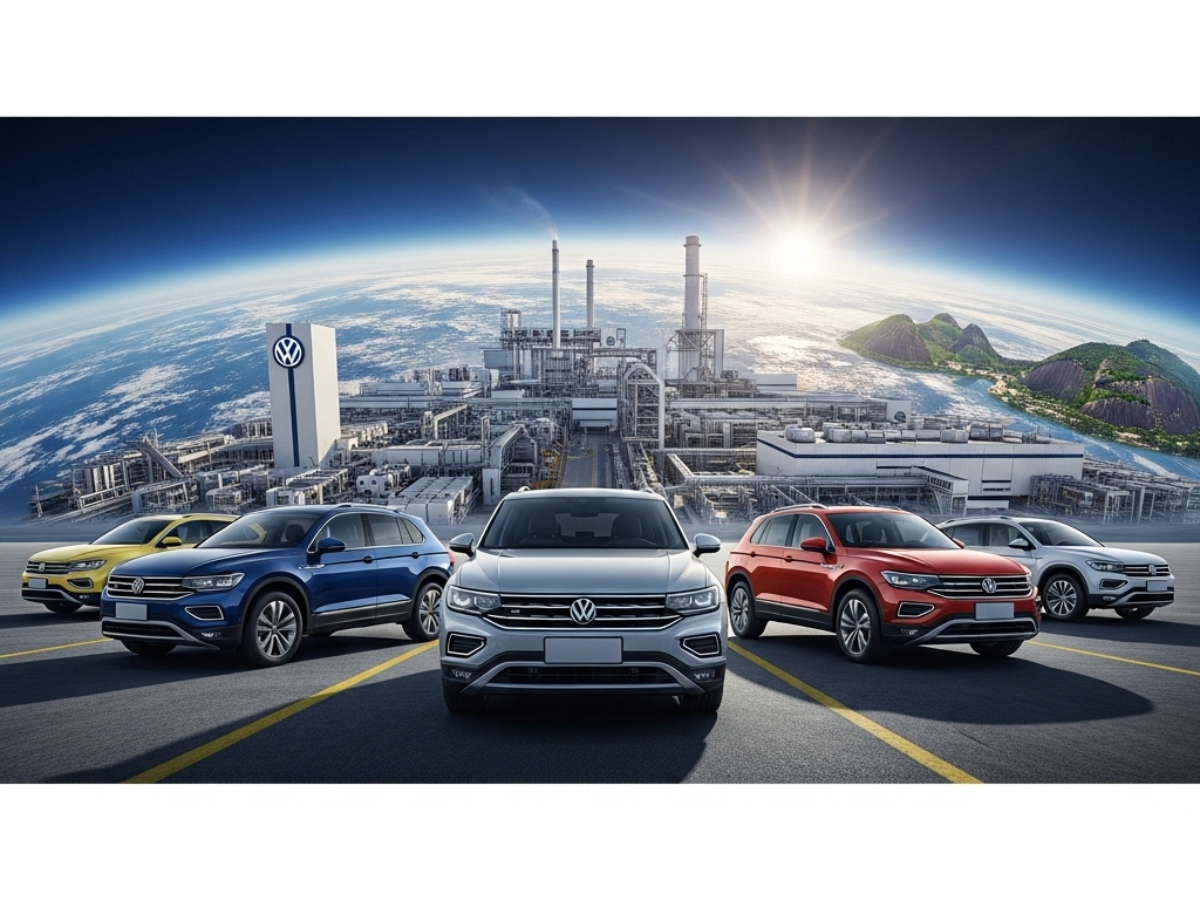
With a Total Investment of R$16 Billion, the Volkswagen Billion-Dollar Investment in Brazil Boosts Decarbonization Technologies, New Flex Hybrid Engines, and a Revamped Product Line
The focus of this Volkswagen Billion-Dollar Investment is on flex hybrid vehicles, 100% electric models, and Total Flex, in addition to the launch of 16 new vehicles. The strategy aims to enhance the brand’s competitiveness and align its operations with the new consumer demands and sustainability goals.
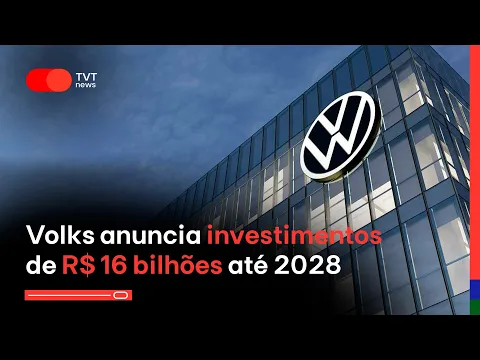
Volkswagen do Brasil announced a substantial investment plan of R$16 billion by 2028, signaling a strong commitment to the national market. This amount, the largest by an automaker in the country after the pandemic, will be directed toward modernizing factories, developing decarbonization technologies, and a new product offensive.
The Milestone of the Volkswagen Billion-Dollar Investment, Strategy, and Commitment to Brazil
The robust Volkswagen Billion-Dollar Investment in Brazil totals R$16 billion. This amount combines a previous cycle of R$7 billion (2022-2026) with an additional investment of R$9 billion, extending planning until 2028. This figure solidifies Volkswagen as the automaker with the largest announced investment in the country post-pandemic.
-
Brazilian city gains industrial hub for 85 companies that is equivalent to 55 football fields.

-
Peugeot and Citroën factory in Argentina cuts production by half and opens a layoff program for more than 2,000 employees after Brazil drastically reduced purchases of Argentine vehicles.

-
A Brazilian city gains a factory worth R$ 300 million with the capacity to process 200 thousand tons of wheat per year, a mill of 660 tons/day, silos for 42 thousand tons, and an industrial area of 276 thousand m².
-
Havan will leave the shopping mall in Blumenau to inaugurate something that the chain has never done before: a megastore in half-timbered style in the Historic Center of the city, which is expected to be completed in May and change the landscape of local retail.

This commitment reflects a long-term vision, aiming to “build another 70 years of history in the country,” according to CEO Ciro Possobom. The strategy aims to consolidate the brand’s leadership, adapt to competition (including new Chinese automakers), and align with public policies such as the MOVER program, which encourages decarbonization.
Focus on Hybrids, Decarbonization, and the MQB Hybrid Platform
Volkswagen’s strategy is anchored in decarbonization and electrification technologies. The company adheres to the global goal of “Way to Zero” (carbon neutrality by 2050) and implements initiatives such as the use of biomethane and 100% renewable energy (I-REC certified) in its Brazilian factories.
A central focus is hybrid technology. The MQB Hybrid platform will be introduced, and the engine factory in São Carlos (SP) will produce a new 1.5 eTSI flex hybrid engine. 100% electric vehicles will initially be imported, while Total Flex models will remain relevant in the portfolio.
16 New Vehicles Driven by the Volkswagen Billion-Dollar Investment
By 2028, Volkswagen will launch 16 new vehicles in the Brazilian market. This offensive includes hybrid models, imported electric vehicles, and Total Flex, using the new MQB Hybrid platform.
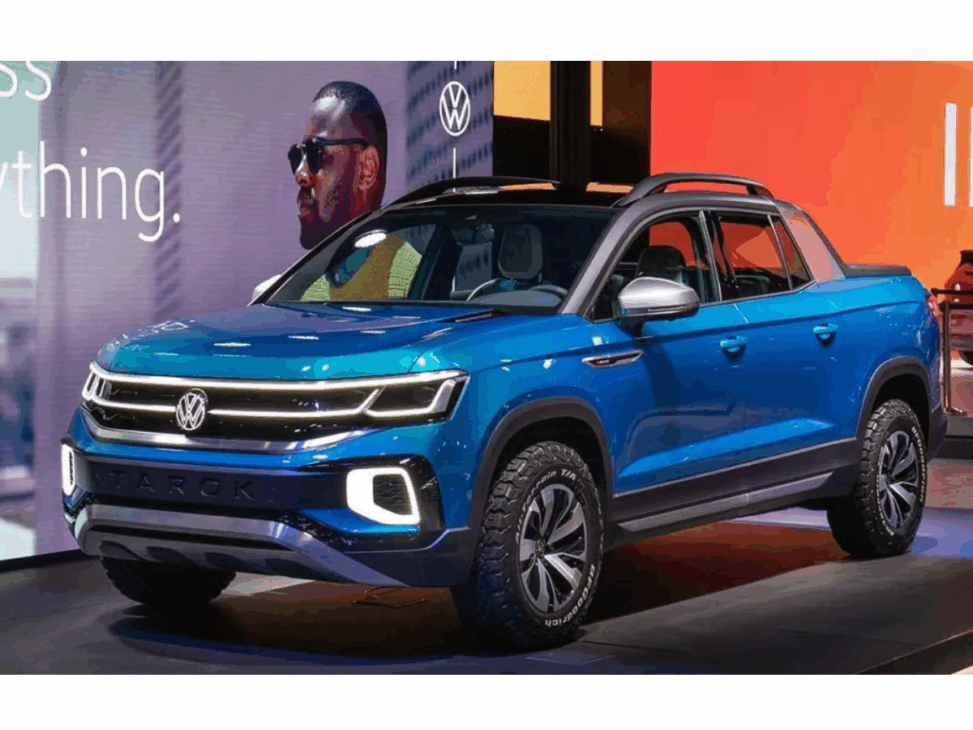
Notably, there are four entirely new domestic models: a popular compact SUV known as “SUV do Gol” (to be produced in Taubaté), a new pickup (in São José dos Pinhais), and two other new vehicles at the Anchieta factory. Other launches include updates and new versions such as the Polo Track and the Nivus GTS.
Industrial Modernization and the Impact on the Brazilian Automotive Supply Chain
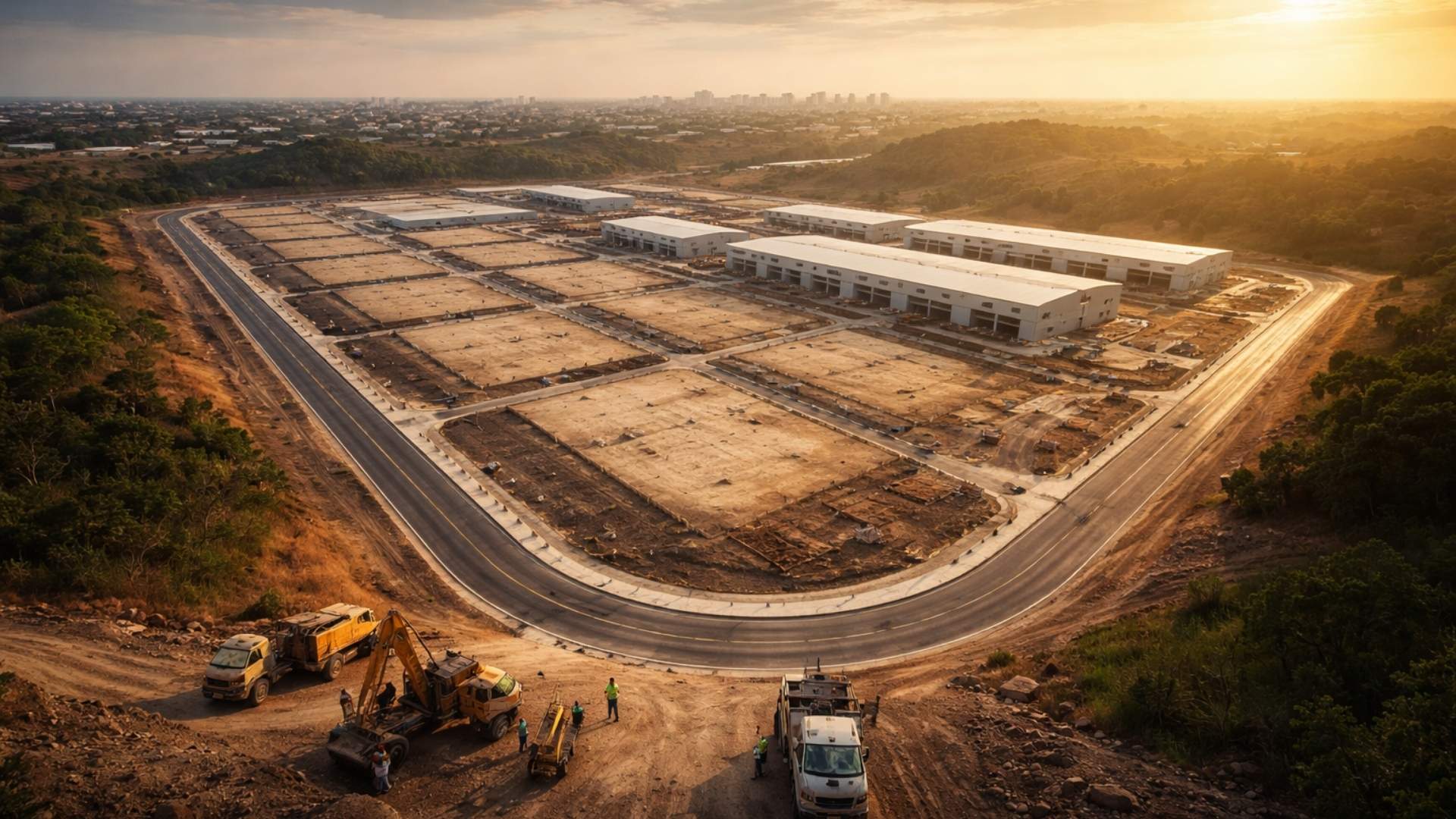
The Volkswagen Billion-Dollar Investment encompasses a deep modernization of the plants. Of the R$16 billion, R$13 billion will be for the factories in São Paulo (Anchieta, Taubaté, São Carlos) and R$3 billion for the Paraná unit (São José dos Pinhais).
The Taubaté factory, for example, has been modernized to produce the SUV Tera, with the addition of 347 new robots and adaptations for Bi-tone painting. This model, with 80% localization, has generated 260 direct jobs and is expected to drive R$3.23 billion in parts purchases in 2025, strengthening the local supplier chain.
The Future of Volkswagen in Brazil, Competitiveness, and Sustainable Leadership

With this new investment cycle, Volkswagen aims to increase its market share and solidify its leadership in key segments. The strategy is based on advanced technology, a modern portfolio, and the global strength of the brand.
The focus on flex hybrids, aligned with the MOVER program, and decarbonization initiatives position the company for a more sustainable future. The Volkswagen Billion-Dollar Investment not only modernizes its operation but aims to consolidate Brazil as a center of excellence in engineering and production for South America, paving the way for leadership in a transforming automotive market.









Seja o primeiro a reagir!