





 English
  Francês
  Alemão
  Italiano
  Japonês
  Norueguês
  Portuguese
  Spanish
  3 min of reading
  0 comments


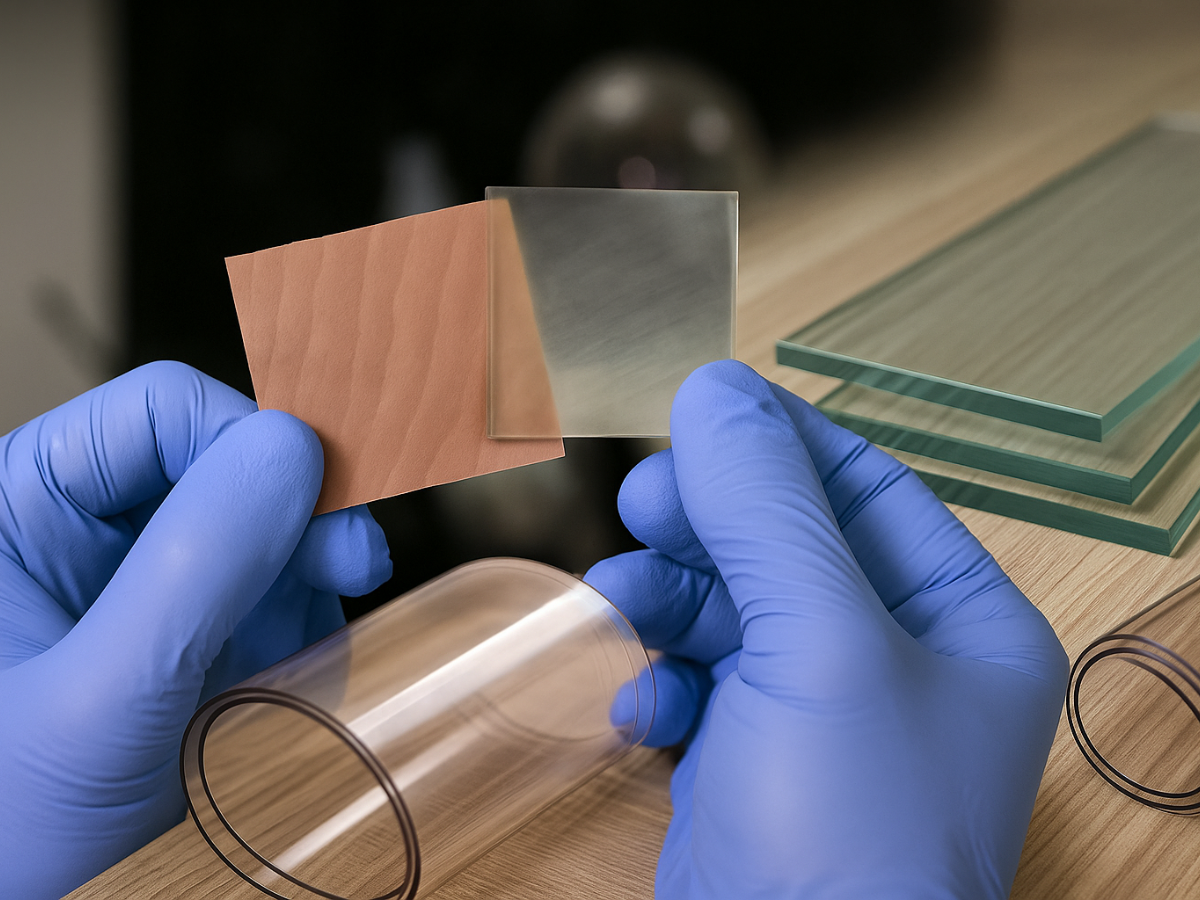
Discover Transparent Wood, A New Innovative Material, Stronger and More Insulating Than Glass, Developed From A Renewable Resource With The Potential To Transform Industries
In an era searching for more sustainable and efficient solutions, transparent wood emerges as a new material with the potential to redefine what we know. Derived from natural wood, this technology promises to combine the beauty of a renewable resource with properties that surpass those of glass and plastic.
From windows that better insulate heat to nearly unbreakable smartphone screens, the applications are vast. Understand how this new material is made, its incredible properties, and the impact it may have on our future.
What Is Transparent Wood and How Is This New Material Manufactured?
Transparent wood is an innovative composite created from natural wood. The process involves two main steps:
-
A “silent skill” is allowing Brazilians to earn up to R$ 22,000 per month without a degree and become indispensable for companies that rely on millions of data to survive.

-
Researchers at the Toyota Research Institute found that if a human uses robotic arms to flip a pancake 300 times in an afternoon, the robot learns to do it on its own the next morning, and this is currently the most promising method to solve the biggest bottleneck in modern robotics.

-
Goodbye iron: a common item in households is starting to lose space to technology that smooths clothes in minutes without an ironing board and with less energy consumption.

-
Antarctica reveals an unusual clue high in the Hudson Mountains, and what appeared to be just an isolated rock began to expose a secret hidden under the ice for ages.


Delignification: Lignin, the component that gives wood its color and absorbs light, is removed or chemically modified. More modern and sustainable processes, such as the one developed by the University of Maryland, modify lignin with hydrogen peroxide and UV light, preserving the strength of the wood.
Polymer Impregnation: The remaining porous cellulose structure is filled with a transparent polymer. The choice of polymer is crucial and can range from conventional PMMA (acrylic) to sustainable biopolymers, such as limonene acrylate, derived from citrus waste and developed by the KTH Royal Institute of Technology in Sweden.
Why Is Transparent Wood Superior To Glass And Plastic?
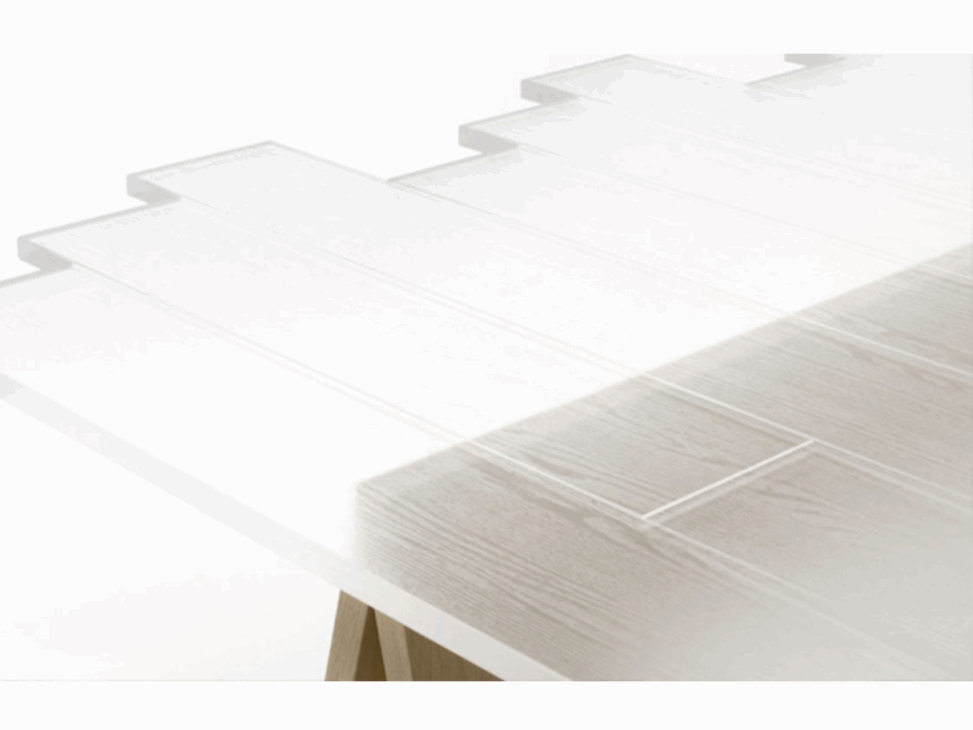
This new material is not just an aesthetic curiosity; its properties are remarkable.
Mechanical Strength: Transparent wood is significantly stronger and tougher. It can be three times stronger than acrylic and up to ten times tougher than glass. Unlike glass, which shatters, transparent wood tends to bend or chip, making it much safer.
Thermal Insulation: It is a much more effective insulator, being reported as approximately five times more thermally efficient than glass. This could lead to significant energy savings in buildings.
Optical Properties: Although it may have a certain level of opacity (haze), its light transmittance is high (80-90%). This “haze” is actually an advantage for many applications, as it creates a diffused and uniform lighting, ideal for indoor environments and for enhancing solar cell efficiency.
Where Can The New Material Be Used?
The versatility of transparent wood opens a range of innovative applications:
Civil Construction: It is a promising alternative for windows, facades, and skylights, offering greater energy efficiency and safety. It can even be used in structural elements that allow light to pass through.
Electronic Devices: Its high impact resistance makes it ideal for smartphone and tablet screens, promising a solution to the problem of broken screens. Companies like the French Woodoo are already developing this technology.
Other Applications: The potential extends to solar cells (where the haze improves light capture), sustainable packaging, components for the automotive industry, and even innovative furniture.
Is Transparent Wood A Really Green Material?
Transparent wood has strong sustainability credentials, being based on a renewable resource that sequesters carbon. Its production can have a smaller carbon footprint than glass. However, the use of petroleum-derived polymers and the difficulty of recycling the composite are challenges.
The solution lies in advancing more “green” processes. The use of biopolymers, such as limonene acrylate, and manufacturing methods that utilize fewer chemicals and energy, like the one developed by the University of Maryland, are crucial steps for this new material to be fully sustainable throughout its lifecycle.
Commercialization And The Prospects For The New Material


Transparent wood is still a new material in the development phase, but with a promising emerging market. Companies like Woodoo, which has already raised US$ 31 million in funding, are at the forefront of commercialization.
Market forecasts indicate a strong growth potential in the coming years, driven by the demand for sustainable and efficient building materials. Although challenges such as production costs and scalability need to be overcome, transparent wood has everything to be a key component in smart buildings, more durable electronics, and a more circular biobased economy.







-

Uma pessoa reagiu a isso.