





 Portuguese
  English
  Spanish
  4 min of reading
  0 comments


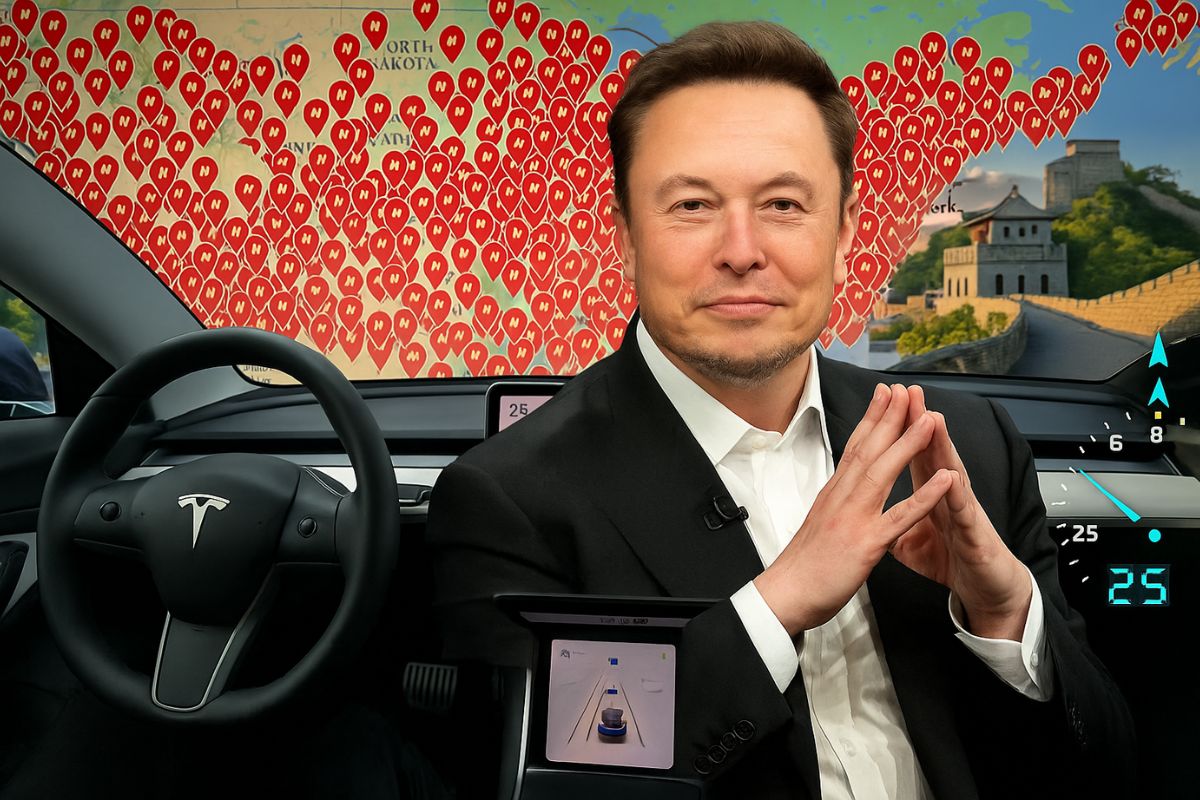
The Promise of a Tesla That Acts as an Autonomous Taxi and Generates Income for the Owner Is the New Business of Elon Musk, but the Reality of the Technology and a Recent Test in the U.S. Show That This Future Is Still Distant.
The vision is enticing: imagine buying a car that, instead of sitting idle in the garage, goes to work on its own as a driverless taxi, generating extra income for you while you sleep. This is the new business of Elon Musk, a promise that could revolutionize mobility and turn the car into a self-sustaining asset.
However, an in-depth analysis of Tesla’s current technology and a recent pilot program for robotaxis, launched in June 2025, reveals a much more complex reality. The truth is that while the vision is powerful, the gap between promise and practice is still enormous.
The Promise: A 100% Autonomous Car That Generates Income
The idea of the “Tesla Network” was presented by Elon Musk in 2019. The proposal is that any owner of a Tesla with autonomous driving software (Full Self-Driving – FSD) could add their car to a ride-hailing network, competing directly with Uber and Lyft.
-
Son of a seamstress from the rural area of Ceará who did not speak English wins a scholarship of over 2 million reais at Williams College, one of the top 10 universities in the United States, covering everything including dormitory, meals, and annual trips to Brazil.

-
Bill Gates revealed that the true secret behind every great achievement is not a brilliant leap but rather small improvements repeated over the years, and the data from his own career and the fight against climate change prove that he is right.
-
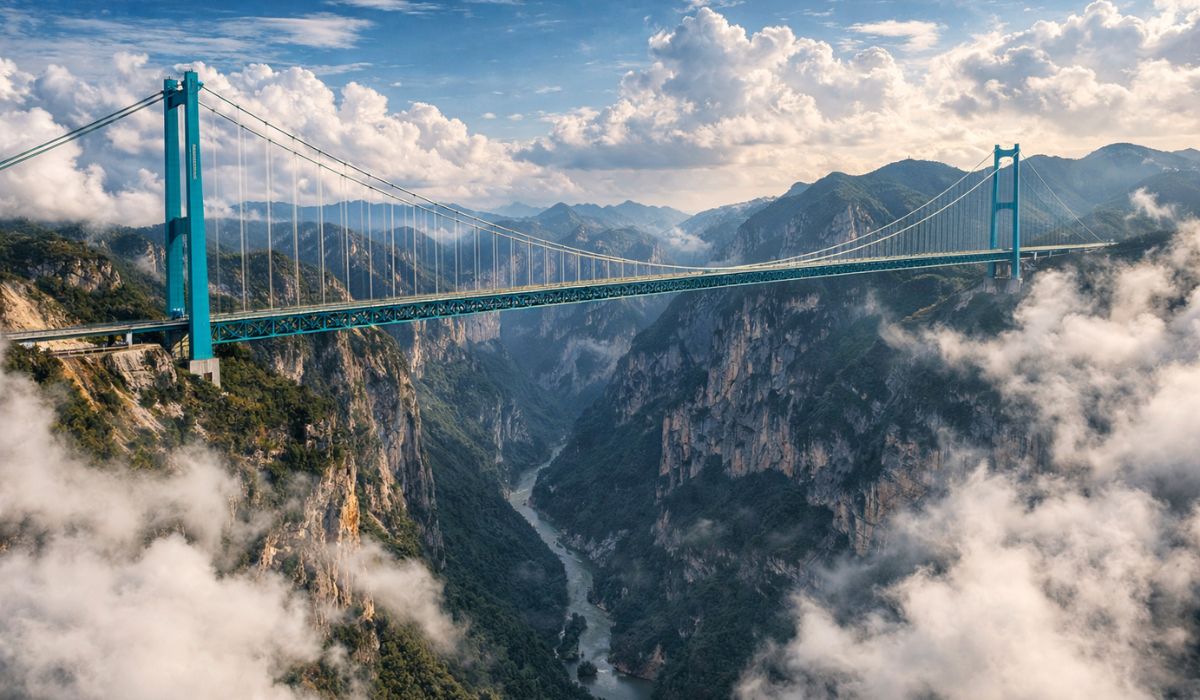
With 22 thousand tons of steel, a height nearly three times greater than the Eiffel Tower, and a cost of R$ 1.6 billion, China is building the highest bridge on the planet over a colossal canyon, reducing a crossing time of over 2 hours to just over 2 minutes.
-
With more than 635,000 doctors, Brazil sees competition increasing in large cities, and recent graduates are competing for shifts at an accelerated pace while the countryside still faces shortages.

Musk even claimed that this capability would transform Tesla cars into “assets that appreciate in value,” capable of generating up to US$ 30,000 in profit per year for their owners. It is this narrative that helps justify the valuation of Tesla as a technology company, rather than just an automaker.
What Is “Full Self-Driving” (FSD) Today?
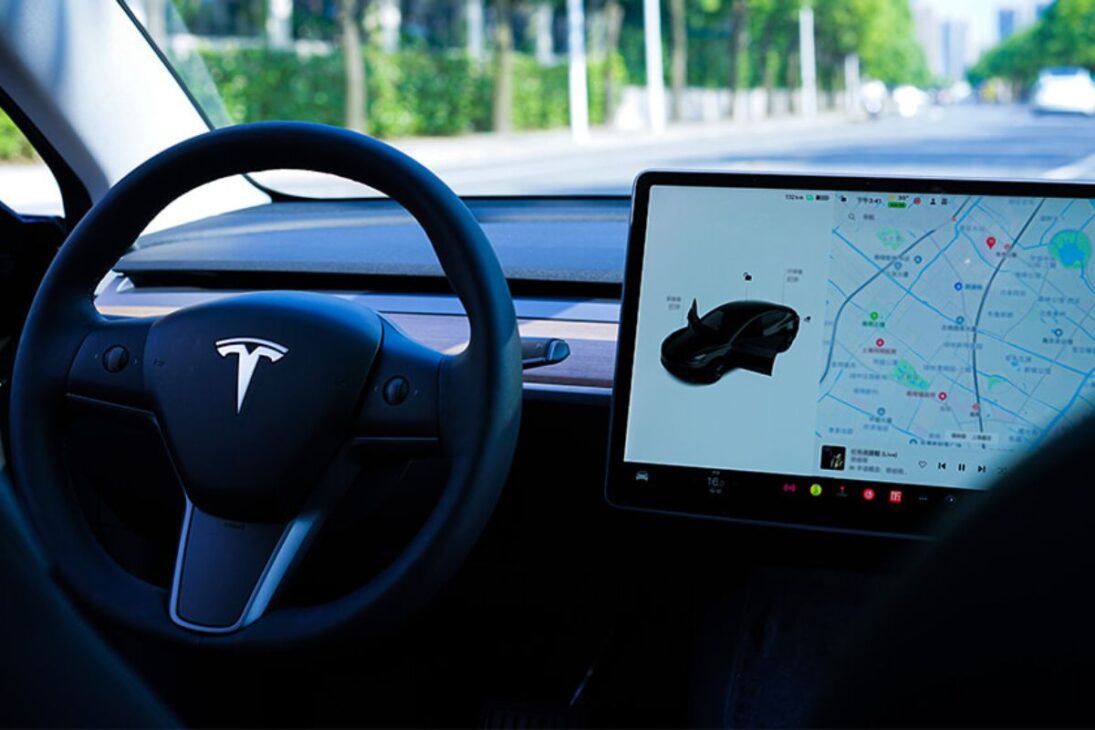
The first obstacle to Musk’s vision is the technology itself. The “Full Self-Driving (Supervised)” system that Tesla customers can purchase today is classified as a Level 2 Driver Assistance System.
This means that despite the name, the car is not 100% autonomous. The driver needs to keep their hands on the wheel and full attention on the road, ready to take control at any moment. Tesla’s bet on using only cameras to achieve full autonomy is also controversial and differentiates it from all its competitors, who use multiple sensors like LiDAR and radar.
The Test in Austin (June 2025): A Limited and Faulty Pilot
The first public demonstration of the new business of Elon Musk took place on June 22, 2025, with the launch of a pilot program for robotaxis in Austin, Texas. The operation, however, was very limited.
The fleet consisted of only 10 to 20 cars, which could only operate in a restricted area of the city, during limited hours and avoiding highways. Most importantly: each car had a human safety monitor on board, ready to intervene in case of emergency.
Even with all this supervision, the test had serious failures. Videos that went viral showed a robotaxi driving the wrong way and another driving onto a sidewalk. The incidents led the U.S. traffic safety agency (NHTSA) to open an investigation into the program.
The Bill That (Still) Doesn’t Add Up: The Costs of Turning Your Car Into a Taxi
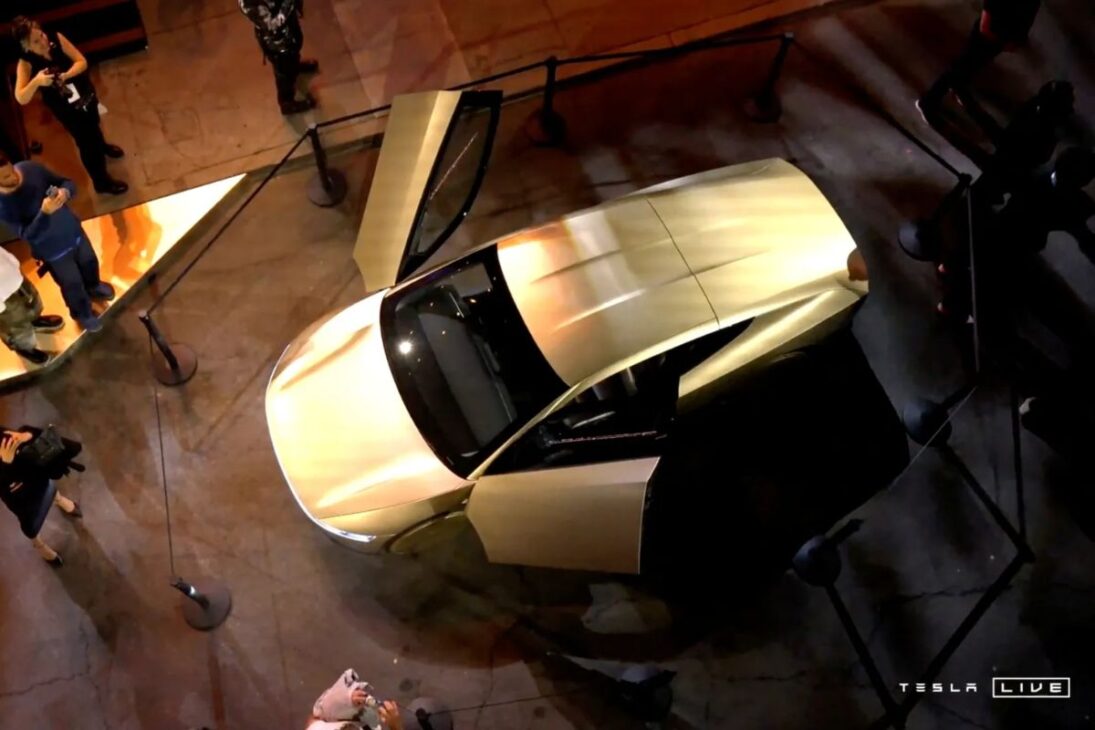
The idea of generating income from the car also encounters a series of costs and uncertainties. The business model for the owner, for now, is purely theoretical.
Insurance: A personal insurance policy does not cover commercial use. The owner would need a commercial policy, which is much more expensive and for which the cost for an autonomous car is still unknown.
Maintenance: A car driving 160,000 km per year as a taxi would require much more frequent and costly maintenance for tires, brakes, and other components.
Tesla Fee: The company will take a cut of the revenue from each ride, estimated to be between 20% and 30%.
Cleaning and Logistics: Who cleans the car after a passenger dirties it? Who manages it in case of problems? The logistics for an individual owner is extremely complex.
Why Is the Robotaxi Promise So Important for Tesla?
Despite all the challenges, the robotaxi promise remains a pillar for Tesla. It is essential for justifying its high valuation in the stock market as a technology and artificial intelligence company.
However, the reality is that the new business of Elon Musk is still in its infancy. The technology is not ready, the business model is not economically viable for the average owner, and the regulatory environment, especially in Brazil, is still a major obstacle. The vision is revolutionary, but the path to making it a reality will be long and full of challenges.







-

-

-

5 pessoas reagiram a isso.