





 Portuguese
  English
  Spanish
  3 min of reading
  0 comments


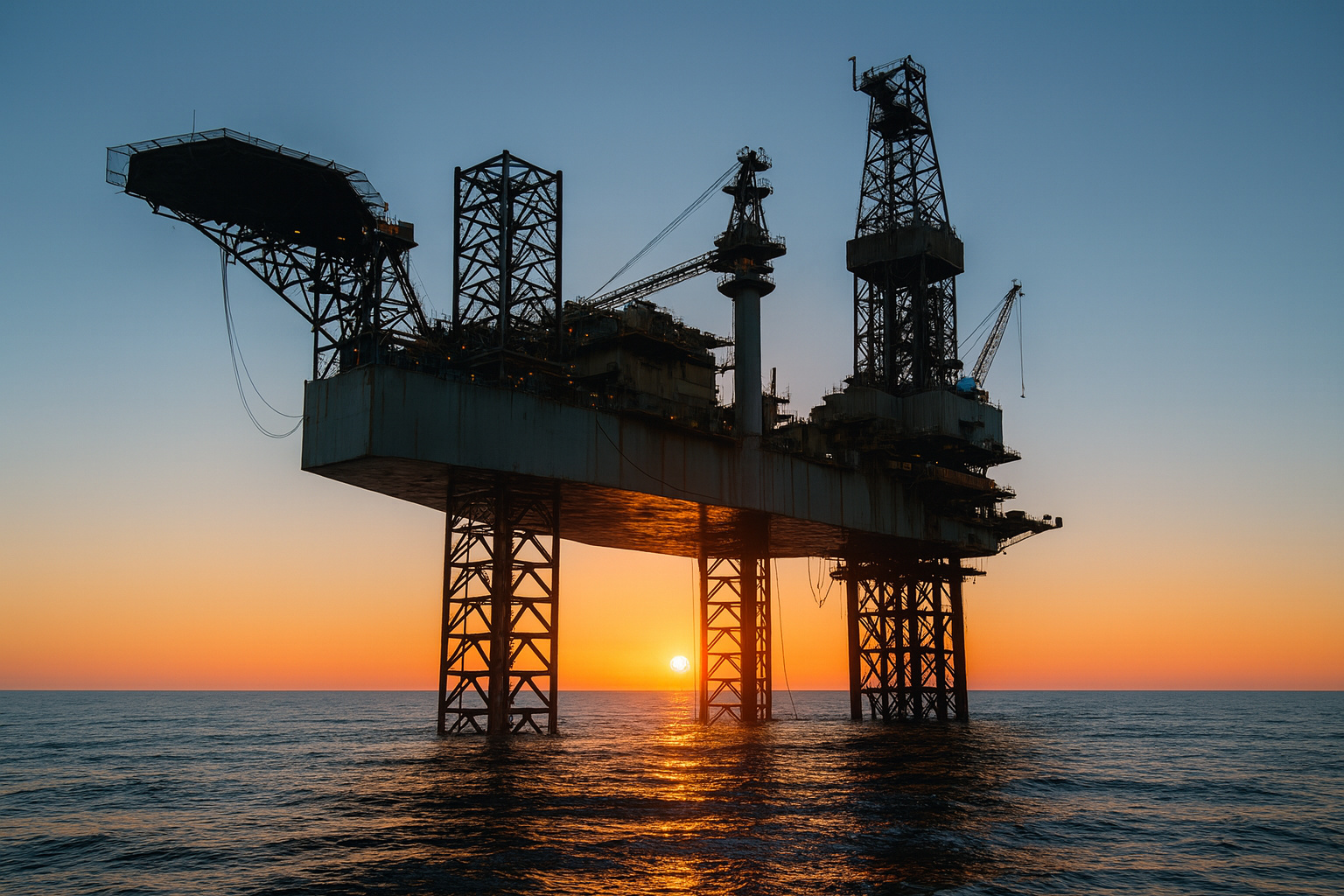
Supply Grows in the Americas as India Surpasses China in Demand
The chronic volatility of oil has become the new reality of global markets. According to Argus, in September 2025, the Americas will account for 85% of the increase in supply outside OPEC by 2030.
Structural Change in Production and Consumption
The International Energy Agency (IEA) confirmed in 2025 that it will review its peak demand estimates. This is because recent trends show permanent changes.
According to Clyde Russell from Reuters (September 2025), countries like Canada, Guyana, Brazil, Argentina, and Suriname are currently the engines of new production. The United States has already reached maturity, but the other nations continue to maintain consistent growth.
-
Petrobras evaluates suspension of sales to distributors and considers canceling the cooking gas auction following guidelines from the Federal Government.
-
Lula reveals a masterstroke by Petrobras to undo a deal made by Bolsonaro, which involves the return of an important refinery that currently produces less than half of what was expected and makes Brazil dependent on international diesel.
-
A study confirms that the natural gas sector will reduce greenhouse gas emissions in Brazil by 0.5% and accelerate the energy transition by 2026.

-
Petrobras implements a severe adjustment and confirms a 55% increase in the price of aviation kerosene with a proposal for installment payments for the companies.

Even so, OPEC and OPEC+ continue to control nearly two-thirds of global supply, meaning that their influence in the market remains decisive.
India Takes Center Stage in Global Demand
According to Trafigura (2025), India will exceed China in demand growth this year, disregarding the strategic stockpiles accumulated by Beijing since the beginning of 2025.
Projections indicate that India could increase its consumption by up to 2 million barrels per day by 2030. Meanwhile, the rest of Asia will see an increase of only 600,000 barrels per day.
In contrast, the Middle East will grow by 1 million bpd, while Africa will see an increase of 600,000 and Latin America by 500,000 bpd.
Thus, India is becoming the new epicenter of global oil demand.
International Politics Redirects Oil Flow
The interconnection between politics and oil became clear after 2022. In that year, the European Union announced a gradual reduction of Russian energy imports.
Russia responded by redirecting its exports eastward. In 2025, it signed an agreement for the Power of Siberia 2 pipeline, which will allow sending volumes equivalent to those previously destined for Germany to China.
Russian oil also found a destination in India. This shift, however, generated tensions with the United States, which advocates for stricter restrictions to accelerate the end of the war in Ukraine.
Trade Tensions Increase Volatility
According to the Financial Times (September 2025), the U.S. President Donald Trump is expected to pressure the G7 to impose tariffs on India and China.
The aim is to limit the purchase of Russian oil, as the European Union prefers to avoid tariffs for fear of negative economic impacts.
However, Brussels is discussing sanctions against China for the increase in Russian oil and gas imports. This scenario demonstrates that trade disputes enhance instability in the sector.
Impacts and Outlook for the Future
The combination of growing production in the Americas, expansion of Asian demand, and international political tensions consolidates volatility as a permanent feature of the oil market.
This “new normal” requires attention from investors and governments, as political decisions shape energy flows as much as economic fundamentals.
What to Expect in the Coming Years?
Experts suggest that volatility will not be the exception, but the rule until 2030. The market will depend on geopolitical decisions, strategic investments, and reconfiguration of energy alliances.
In light of this scenario, an inevitable question arises: will oil continue to sustain the global economy, or will it lose ground amid energy transitions?









Seja o primeiro a reagir!