





 Português
  Inglês
  Espanhol
  4 min de leitura
  4 comentários





An Ancestral Agricultural Technology Used in Peru Allows for Potato Cultivation Without Tractors, Poison, or Irrigation — Even at Freezing Altitudes. The Method, Which Withstands Time and Weather, Could Be an Answer to Drought in Brazil.
Brazil faces increasingly severe droughts, with farmers losing entire crops due to lack of rain, expensive inputs, and technologies ill-suited to the new climate. But the solution may be nearby, in the mountains of Peru, where for centuries Indigenous communities have cultivated potatoes without tractors, pesticides, or irrigation — at altitudes of up to 4,000 meters. This impressive feat is only possible thanks to an ancestral agricultural technology called “waru waru”, or “raised fields”, one of the most ingenious agricultural technologies in pre-Columbian history — and which today is being studied again by scientists worldwide as an effective tool for climate adaptation and agricultural resilience.
What Are “Waru Waru”? And How Does This Ancestral Agricultural Technology Work?
Waru waru are planting systems in raised terrain, surrounded by shallow water channels that retain heat during the day and release it at night, protecting the plants from frosts that occur at high altitudes.
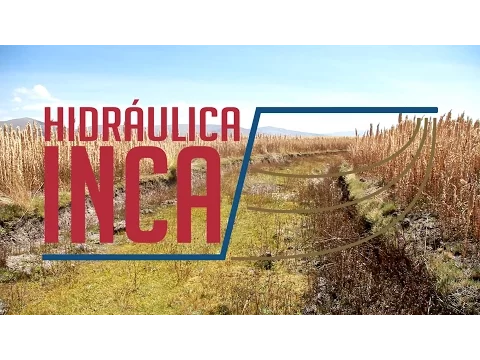

This structure not only protects against the cold but also accumulates rainwater, prevents erosion, and keeps the soil fertile and moist for much longer — even without direct irrigation. It’s as if the soil self-hydrates with the accumulated natural reserves.
-
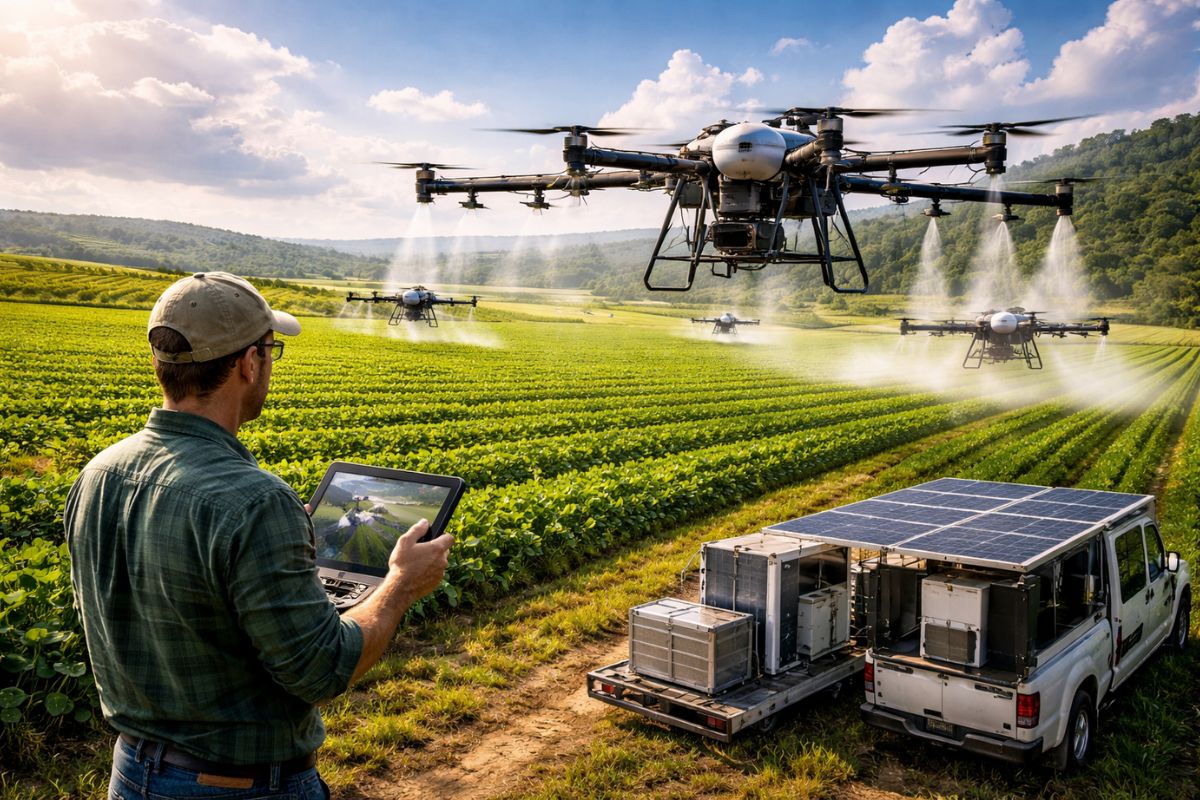
Alone, the producer applies 7,400 hectares with the T100 drone in an optimized structure, replaces the generator with a silent battery, and demonstrates how technology reduces costs, increases productivity, and even challenges the uniport in the field.
-
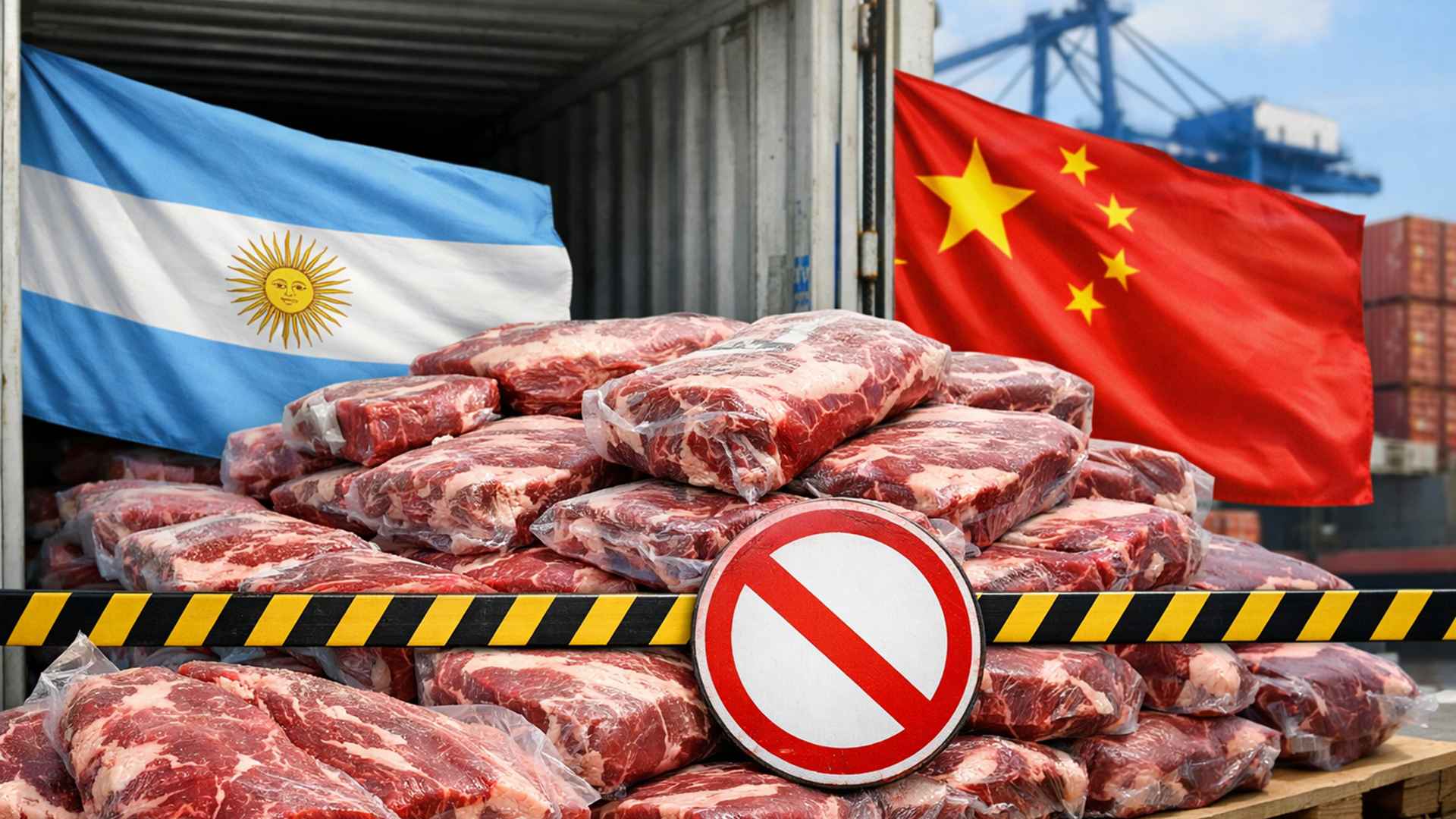
China banned the export of 22 tons of meat from Argentina.
-
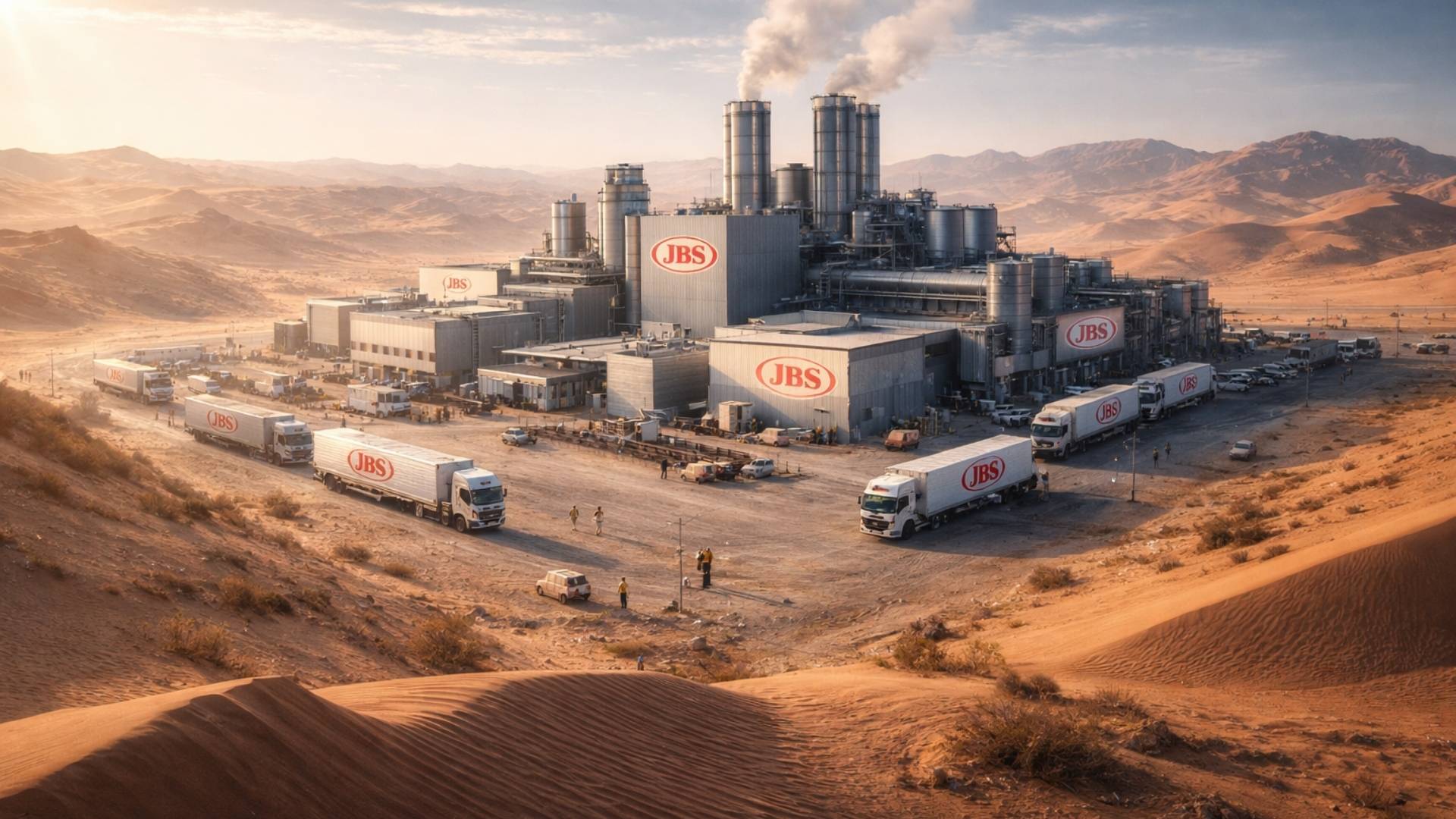
JBS, founded by the Batista brothers, continues to conquer the world: entrepreneurs built a ‘factory in the desert’ creating 3,000 jobs.
-
With only 1% of Brazil’s territory, Santa Catarina has built one of the most competitive industrial parks in the country, with 64,000 companies, nearly 1 million jobs, and a growth rate of 5.3% while the national industry is practically stagnant.


Furthermore, the design of the waru waru prevents flooding and keeps the fields aerated, creating an ideal microclimate for growing tubers like potatoes, one of the most important foods in the Andean diet.
Ancestral Agricultural Technology with Modern Efficiency
Studies conducted by universities in Peru and Bolivia show that the productivity of waru waru can exceed conventional crops in similar climates by up to 70%, even with fewer inputs.
Moreover, because it does not rely on irrigation or heavy machinery, the technique is cheaper, more sustainable, and more accessible for small farmers.
For centuries, Indigenous peoples around Lake Titicaca have cultivated not only potatoes but also quinoa, barley, and other crops in the waru waru — maintaining stable production even in the face of droughts, floods, or cold waves.
Why Should Brazil Pay Attention to This?
The answer lies in the climate changes that strongly affect the Brazilian agricultural sector. States like São Paulo, Mato Grosso do Sul, and Goiás are already suffering from prolonged drought periods that dramatically reduce the productivity of crops such as corn, beans, and potatoes.
At the same time, the cost of agricultural inputs (fertilizers, pesticides, electricity for irrigation) has increased exponentially. In many cases, small farmers simply can no longer sustain the current production model.
Bringing the logic of Andean raised fields to Brazil — especially in regions with dry climates and poor soil — could be the key to maintaining production even in years of unpredictable weather.
Example of Ancestral Efficiency: Potato Cultivation
Peru is known for hosting more than 4,000 varieties of potatoes, many of which are native and adapted to acidic, cold soils that are low in nutrients. Much of these varieties are cultivated without any machinery or chemical inputs.
Farmers in the Puno region, for example, still use heirloom seeds and techniques passed down from generation to generation. The selection is done manually, the land is prepared with simple tools, and planting follows the lunar cycles.
Even with these seemingly “rustic” practices, yields are stable, and the products have high nutritional value and genetic resilience — something increasingly valued in times of water scarcity.
International Recognition and Rescue of the Technique
With the advance of desertification and the climate crisis, international organizations such as the FAO (Food and Agriculture Organization of the United Nations) and research centers like the CIP (International Potato Center) have begun studying waru waru as a model for adaptive agriculture.
In 2021, a pilot project in partnership with universities in Ecuador and Mexico successfully replicated the waru waru system at mid-altitudes, with good production results and a dramatic reduction in water use.
Brazil, especially in the Cerrado and semi-arid regions, has the potential to adapt the model with minor modifications, using retention dams, agroforestry systems, and drought-resistant native crops.
What’s Needed to Implement It in Brazil?
Despite the proven efficiency, the adoption of techniques like waru waru in Brazil faces a lack of specific public policies, a shortage of rural extension services adapted to traditional agriculture, and technical ignorance on the part of producers.
Today, the focus of agribusiness is on large mechanized monocultures. However, the introduction of traditional systems like this could:
- Increase food security in rural communities and settlements
- Reduce dependence on expensive pesticides and irrigation
- Strengthen the use of heirloom seeds and the preservation of agricultural biodiversity
- Make small properties more resilient to the climate crisis
The story of potato cultivation in Peru is living proof that innovation is not always found in machines or laboratories — but in forgotten knowledge. The waru waru system, which protects crops without poison, tractors, or irrigation, shows how traditional knowledge can be the foundation for a more sustainable future.
As Brazilian fields suffer from heat, pests, and drought, it may be time to look to our Andean neighbors. High in the Andes, the secret of resilience has been cultivated for centuries — and it’s ready to teach us how to harvest in tough times.









Excelente matéria! esse povo sempre foi mais inteligente que nós, até hj cuidam bem da terra e das águas produzindo alimento saudável sem arrasar com seus biomas, e aqui estamos no caminho inverso! o RS agora terá que conviver com as tragédias relacionadas inundações e movimentos de massa, pois permitiram que o agronegócio da soja arrasasse com os Pampas…resultado: solos compactados, envenenados e rios sem capacidade de drenagem para a lagoa/oceano
Oque falta é **** dos nossos governantes que está deixando desmatar todo o Brasil desequilibrando nosso regime de chuvas e condenando nossas terras virarem deserto.
Olá Valdemar, tive que comentar, quando for fazer uma notícia assim, por favor se informe com alguém da área para não falar bobagem como essas. Primeiro esse cultivo tem irrigação, pois os canais são considerados irrigação por manter o solo próximo a capacidade de campo. Segundo, você largaria seu emprego para colher batatas? Por que é a coisa mais difícil na agricultura é encontrar funcionários, assim que a mecanização entra para auxiliar. Entre outras gafes.
Questão de mentalidade. Para ti só o modelo do agronegócio é válido, já para aquele povo e muitos agicultotes brasileiros, a agroecologia pode ser mais interessante.