





 Portuguese
  English
  Spanish
  3 min of reading
  0 comments


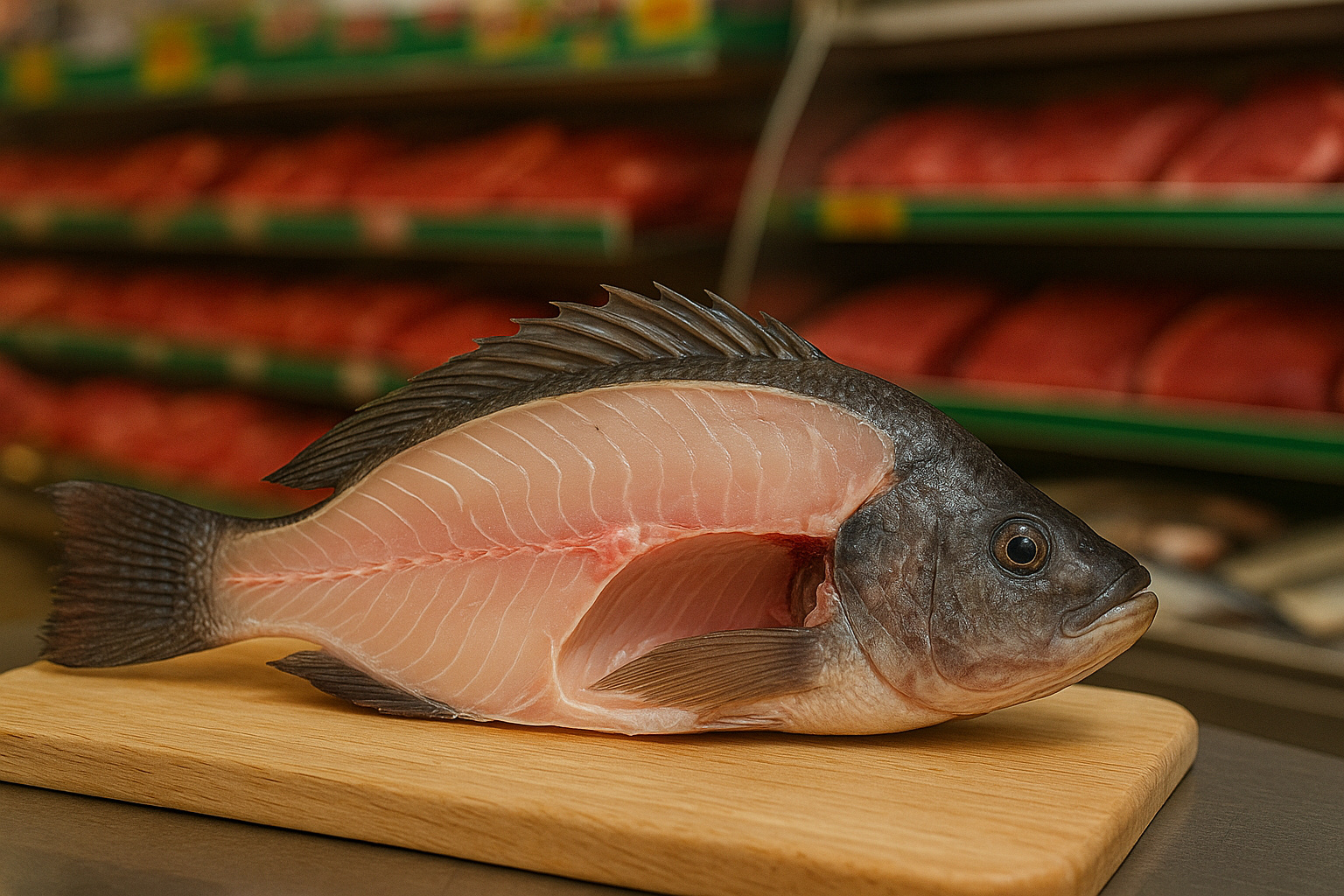
Accelerated Change in Consumption Reveals How Seafood Assumed Central Role on the Tables of Brazilians in 2025
Fish consumption grew rapidly in 2025, according to data from Scanntech, which analyzed retail between January and September.
This advance occurred because beef prices rose significantly, and thus seafood began to occupy a larger space in the dietary routine.
Market Research Reveals Unprecedented Change in Dietary Patterns
The Scanntech report showed significant inflation in traditional proteins.
Beef rose nearly 25%, and pork increased 21.2%.
In light of this, many consumers shifted to more affordable alternatives.
At the same time, the average price of seafood only rose 2.1%, which created an important difference in family budgets.
This scenario directly influenced purchasing behavior across all regions.
-
Unemployment rises again to 5.8% at the beginning of 2026, raising alarms about the end of temporary positions and its impact on the Brazilian job market.

-
Document organization can cut invisible costs in small businesses, a simple step that prevents waste, rework, and losses in daily operations.

-
Chinese giant worth nearly R$ 4 billion that manufactures cables for electric cars, solar energy, and robotics wants to open a factory in SC.

-
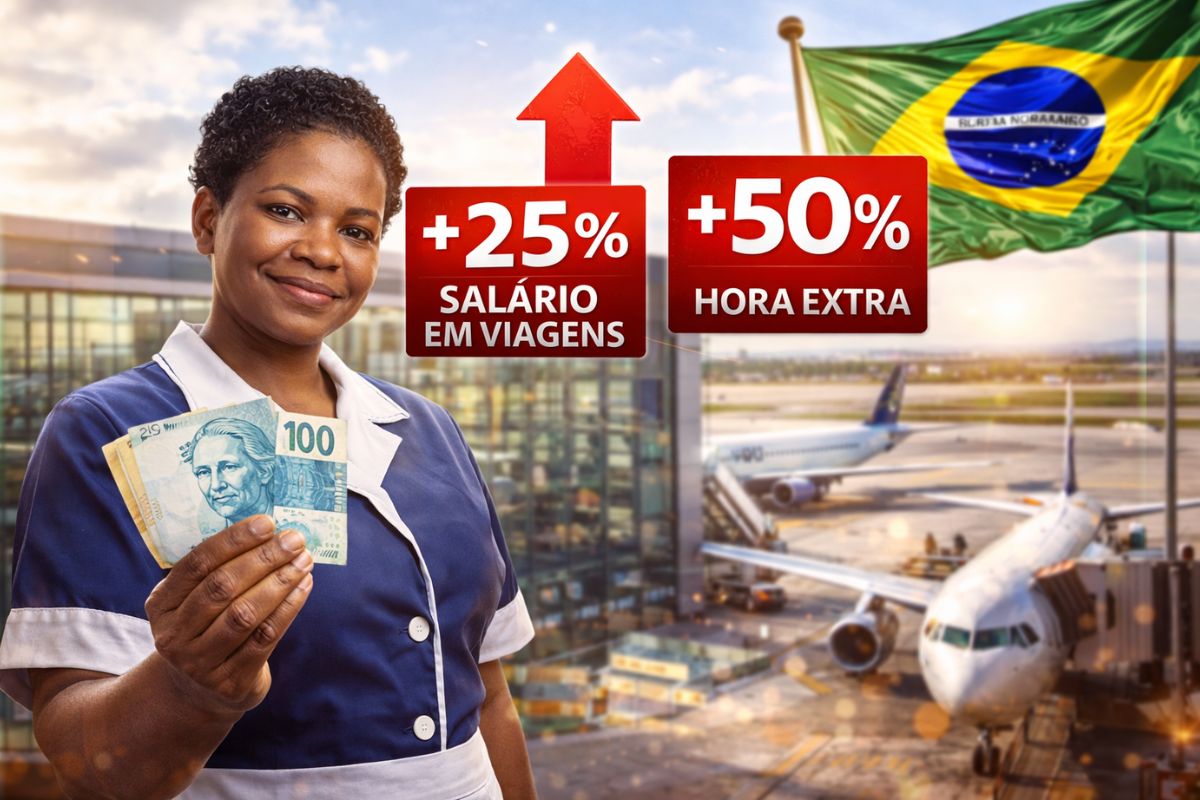
Many employers do not know, but the law guarantees domestic workers a 25% increase in salary during trips, 50% for overtime, 20% for night shifts, and 17 additional benefits that can lead to labor lawsuits if not paid.

Even without seasonal periods, such as January, July, and August, consumption advanced consistently.
These months recorded performance superior to that observed in 2024, although they are periods of little historical variation.
According to Priscila Ariani, Marketing Director of Scanntech, reorganizing shopping baskets became inevitable. She stated that consumers sought proteins with better cost-effectiveness, as beef prices pressured family budgets.
Tilapia Takes National Leadership and Redefines the Seafood Market

Tilapia led the growth in 2025 and became the standout of the sector.
Sales volume increased 32.9%, as the price per kilogram recorded a significant drop of –8.4%.
This movement made the product even more competitive.
The species remained dominant in almost all regions.
However, the North exhibited a preference for other traditional varieties.
Moreover, the Center-West and North recorded the largest reductions in the price of tilapia.
This movement expanded consumption and consolidated the species as a direct substitute for traditional proteins.
Other Species Show Divergent Behaviors Throughout 2025
Merluza Advances Strongly in Strategic Regions
Merluza recorded 42.5% growth in 2025, according to Scanntech data.
The advance occurred mainly in the Interior of São Paulo, the Northeast, and the Eastern region, which includes MG, ES, and RJ.
However, in the Center-West, the higher price limited regional expansion.
Salmon Loses Ground Due to Above-Average Price
Salmon showed a national decline, as the high price hindered competitiveness.
This behavior remained stable throughout the entire analyzed period.
Sardine Decreases Despite Being Affordable
Despite being the cheapest seafood on the market, sardine retracted in most of the country.
However, it grew in São Paulo, the Northeast, and the Center-West, showing regional resilience.
Social and Economic Impacts of Dietary Transformation
The advance of seafood in 2025 revealed an important change in Brazilian dietary habits.
Millions of consumers reorganized their purchases to maintain protein consumption without significantly raising monthly costs.
The growth of tilapia and merluza indicated that retailers noticed the trend.
Chains expanded their offerings and adjusted strategies to meet the new demand.
Experts claim that this movement is likely to influence supply policies and production standards.
The change should also affect logistics and planning for companies in the sector.
This reorganization indicates that consumers found in seafood an efficient way to maintain nutritional value.
At the same time, many avoided a greater financial impact throughout 2025.
The Future of Protein on the Brazilian Plate
The scenario presented by Scanntech suggests a continuation of the trend.
For many families, seafood has ceased to be an alternative and has become a staple item on the menu.
And you? Do you believe that this change will solidify as a new permanent dietary pattern in Brazil?










-

-

-

-

-

-

107 pessoas reagiram a isso.