





 Português
  Inglês
  Espanhol
 4 min de leitura
  0 comentários


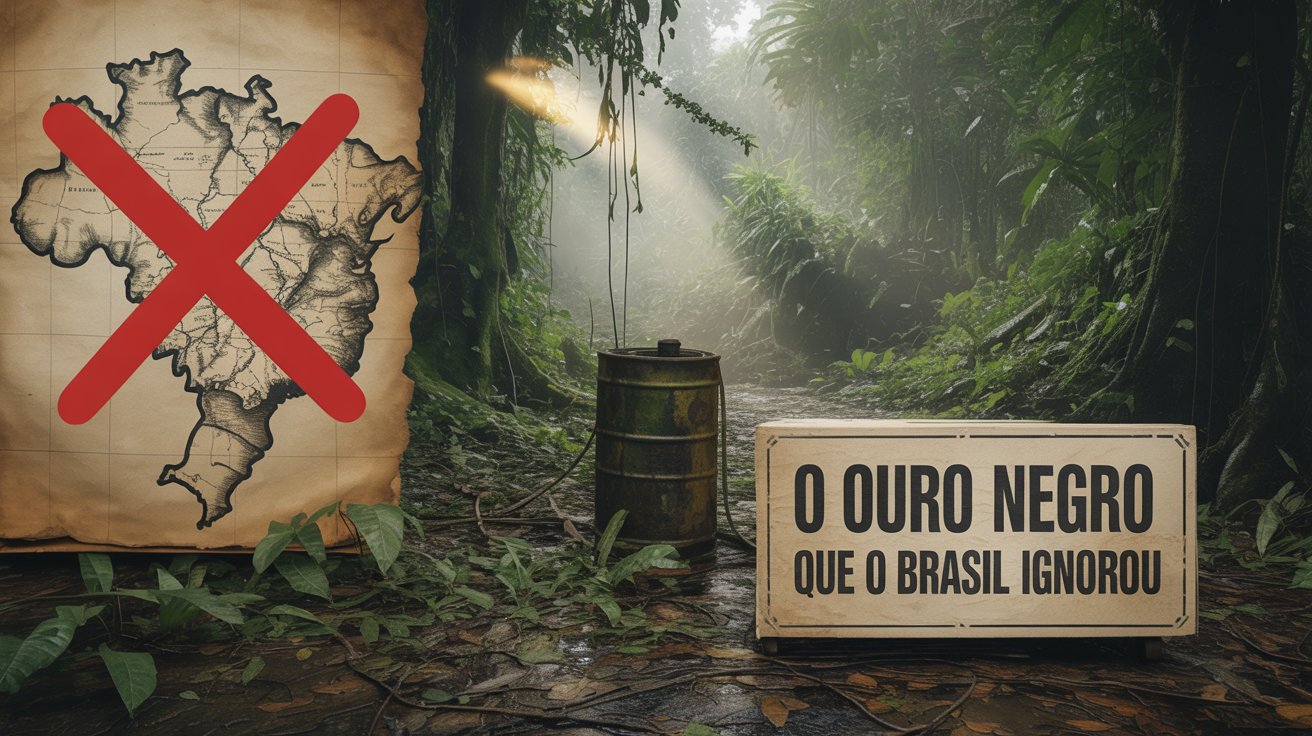
Drillings in the Amazon Forest Sought to Transform Acre into a New Energy Frontier in the 1950s to 1980s. Promising Discoveries, Logistical Obstacles, and Economic Decisions Shaped This Almost Erased Chapter of Brazilian Petroleum History.
Between the 1950s and 1980s, 11 wells were drilled in the far west of the Amazon, revealing signs of hydrocarbons that sparked brief hopes for a new energy frontier.
But the promise sank in isolation, high costs, and lack of infrastructure, turning the dream into geological silence.
Today, Acrean oil lies dormant beneath the ground, with no active exploration, royalties, or production prospects, like a forgotten chapter of national petroleum history.
-
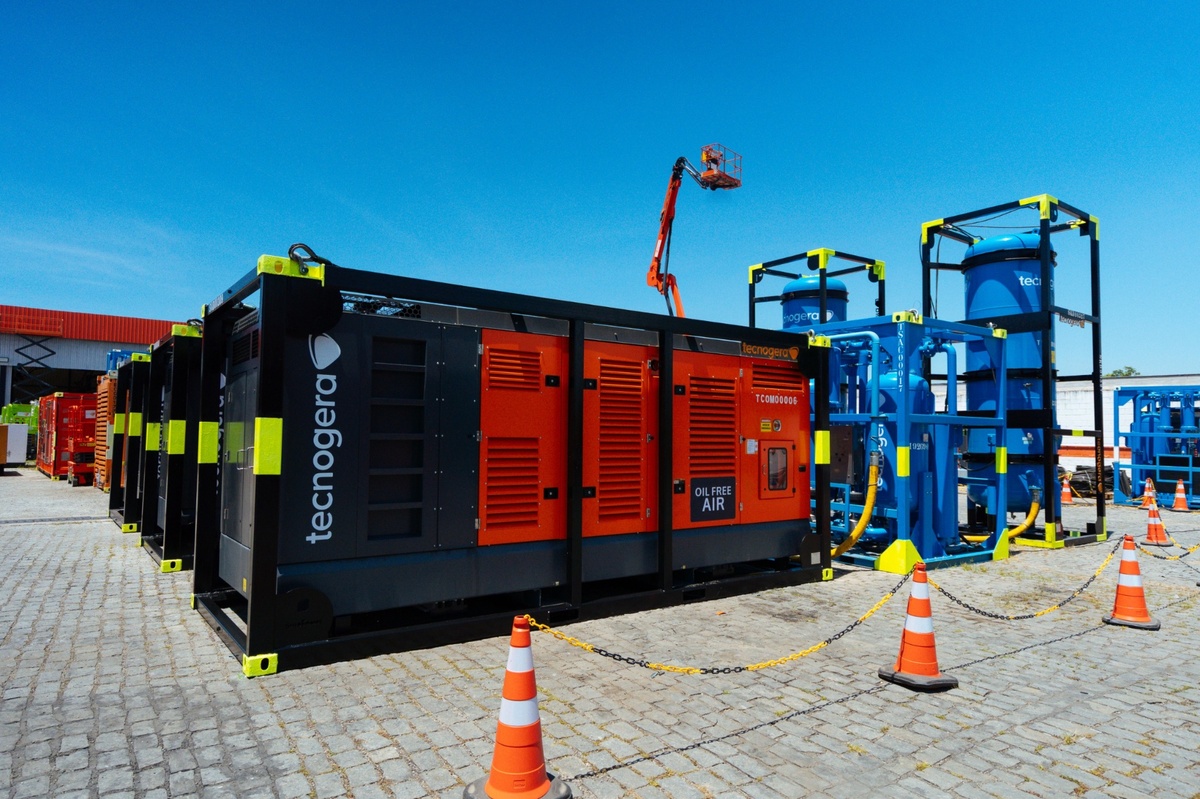
Offshore industrial demand in Macaé skyrockets with the recovery of oil and gas and could grow by up to 396% by 2026 in the Campos Basin.
-
Offshore industrial demand in Macaé surges with the recovery of oil and gas and could grow by up to 396% by 2026 in the Campos Basin.
-
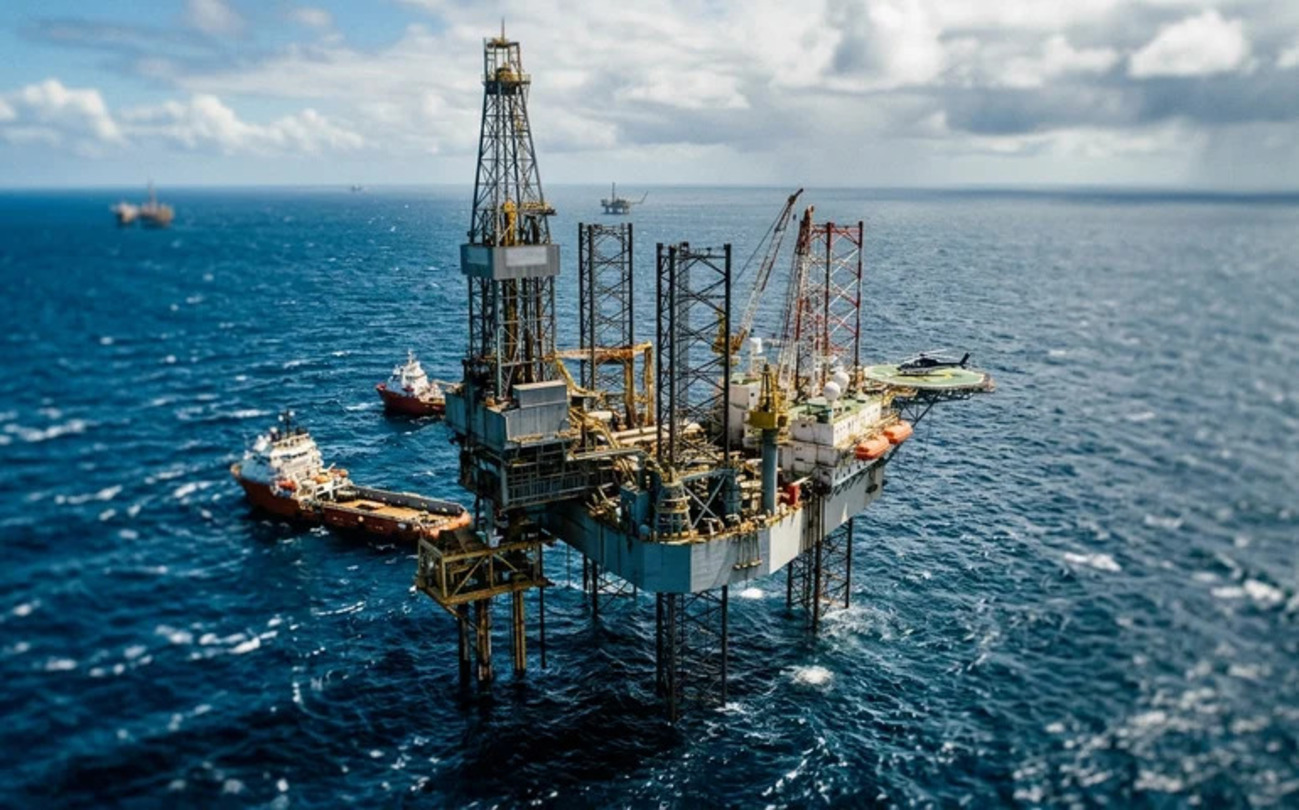
Brazilian giant expands borders in the Southeast: Petrobras confirms new oil discovery in ultra-deep waters in the pre-salt of the Campos Basin.
-
Alert in the global energy market: Severe tropical cyclone hits the coast and disrupts gas production at major plants in Australia, threatening global supply.
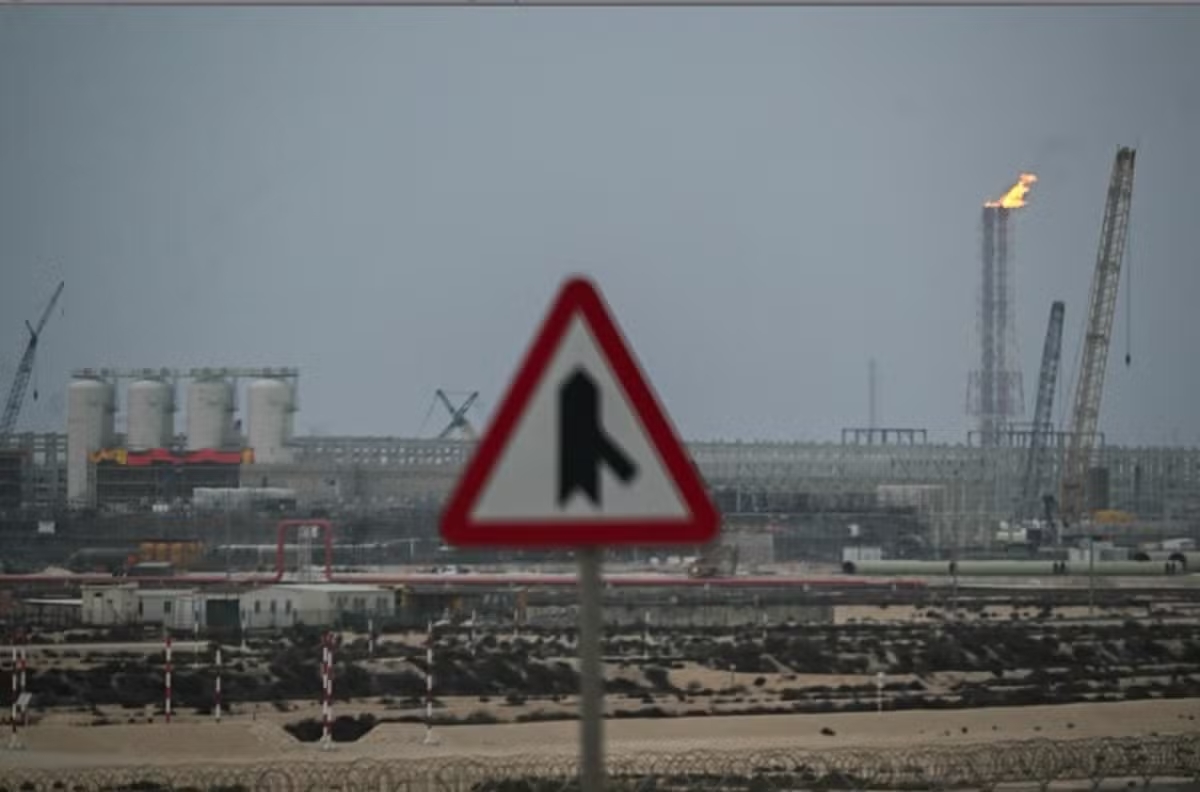
Acre Basin: Attempt at Exploration in the Heart of the Amazon
During the period between 1950 and 1980, 11 exploratory wells were drilled in the Acre Basin, located in the far west of the Amazon.
Studies by Petrobras and records from the National Agency of Petroleum, Natural Gas and Biofuels (ANP) indicate signs of hydrocarbons, especially natural gas in three wells.
However, not a single one showed sufficient pressure or volume to justify commercial production.
Limited Infrastructure and Unfeasible Costs Interrupted the Plans
These signs, as promising as they were at the time, could not withstand the economic difficulties.
The local infrastructure was insufficient, transportation was expensive, and logistics were complex in the dense forest region — factors that raised operational costs to prohibitive levels.
With the emergence of major discoveries along the coast, such as in the Campos and Santos basins, Acre quickly lost strategic relevance.
Attempts at Reactivation with Bids Did Not Evolve
During the 12th ANP bidding round in 2013, blocks such as AC‑T‑8 were included, and Petrobras even took on part of the contracts.
However, all were subsequently annulled, and since 2020, no concessions remain active in Acre.
Academic Studies Preserve Geological History
Although the geological potential is still the subject of studies in institutions such as the Brazilian Geological Society and universities, the data remains confined to technical archives with no practical projection.
Research continues to analyze the region, but with no commercial applications in sight.
Lack of Incentive and Logistics Challenge Recovery
According to ANP reports, the resources allocated to the Acre Basin and neighboring regions, such as Madre de Dios, totaled around R$ 77 million in the last ten years.
These funds were mainly used for seismic surveys and geophysical studies.
With power generation structures still poorly defined, the resumption of exploration would depend on substantial investments in logistical camping and environmental impact assessments.
Offshore Oil Dominated After Abandonment of Terrestrial Basins
The episode of the Acre Basin reflects a national trend.
Since the 1960s, land wells in basins such as Marajó, Paraná, and Parnaíba have proven economically unviable.
This scenario solidified the migration to offshore, especially after the success of the pre-salt.
Today, almost all Brazilian production — around 95% — comes from the sea.
An Almost Erased Chapter of National Petroleum History
The history of Acre constitutes a little-remembered chapter of petroleum exploration.
Without platforms, pipelines, royalties, or contracts, what remains are technical records accumulated by the ANP.
Academic research continues to raise hypotheses of possible geological relevance, but the obstacles remain.

Technical, Environmental, and Economic Barriers Still Persist
- Logistics and Transportation Costs – Poor roads, rivers with seasonal navigation, and lack of port infrastructure.
- Absence of Tax Incentives or Partnerships – The regulatory and economic environment does not favor investment in remote areas.
- Stringent Environmental Impacts – Any resumption would require complex licensing with Ibama.
- Geological Challenges – The exact nature of the source rocks is still unclear, although comparable to the producing basins of Peru and Bolivia.
Future Technologies May Change the Basin’s Destiny
The continuation of geological studies may bring new interpretations about the potential of the basin.
Advanced prospecting technologies, such as 3D seismic operations and reinterpretations, may reveal previously undetected structures.
However, until 2026, there is no forecast for the inclusion of Acre in new bidding rounds according to the ANP.
If exploration technologies improve and logistical costs decrease, could the oil from the western Amazon — specifically from Acre — one day fuel the national industry, or will it remain limited to the role of a “footnote” in the history of Brazilian geology?








-

-

-

-

5 pessoas reagiram a isso.