





 Portuguese
  English
  Spanish
  3 min of reading
  0 comments


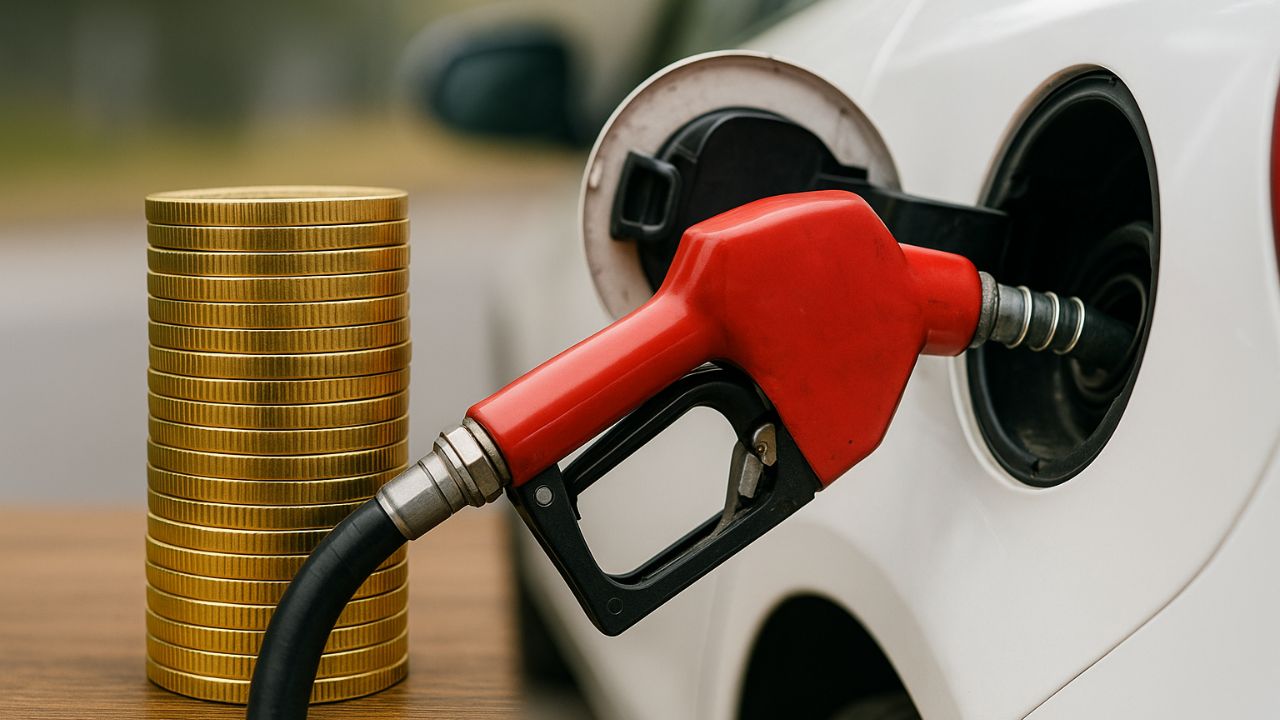
An Analysis That Reveals How Taxes, Profit Margins, and the Cost of Ethanol Impact the Final Price at the Pump, Even When the International Quotation of the Raw Material Decreases.
The perception that gasoline prices do not follow the declines in oil prices is common among consumers. This apparent disconnection occurs because the final price of fuel is the result of a complex sum of factors, which go far beyond the cost of the raw material. This article details the components that explain why the price at the pump has its own dynamics.
Price Policy and the Global Oil Market
The initial price of gasoline is set by Petrobras. The company’s methodology was changed in 2023, replacing a previous model that was directly linked to the volatility of the external market. The aim of the new policy is to mitigate short-term fluctuations.
However, the strategy does not detach the Brazilian price from international trends. The price of a barrel of oil in the global market and the variation of the exchange rate remain the main vectors influencing the base cost of fuel, as oil is a commodity priced in dollars.
-
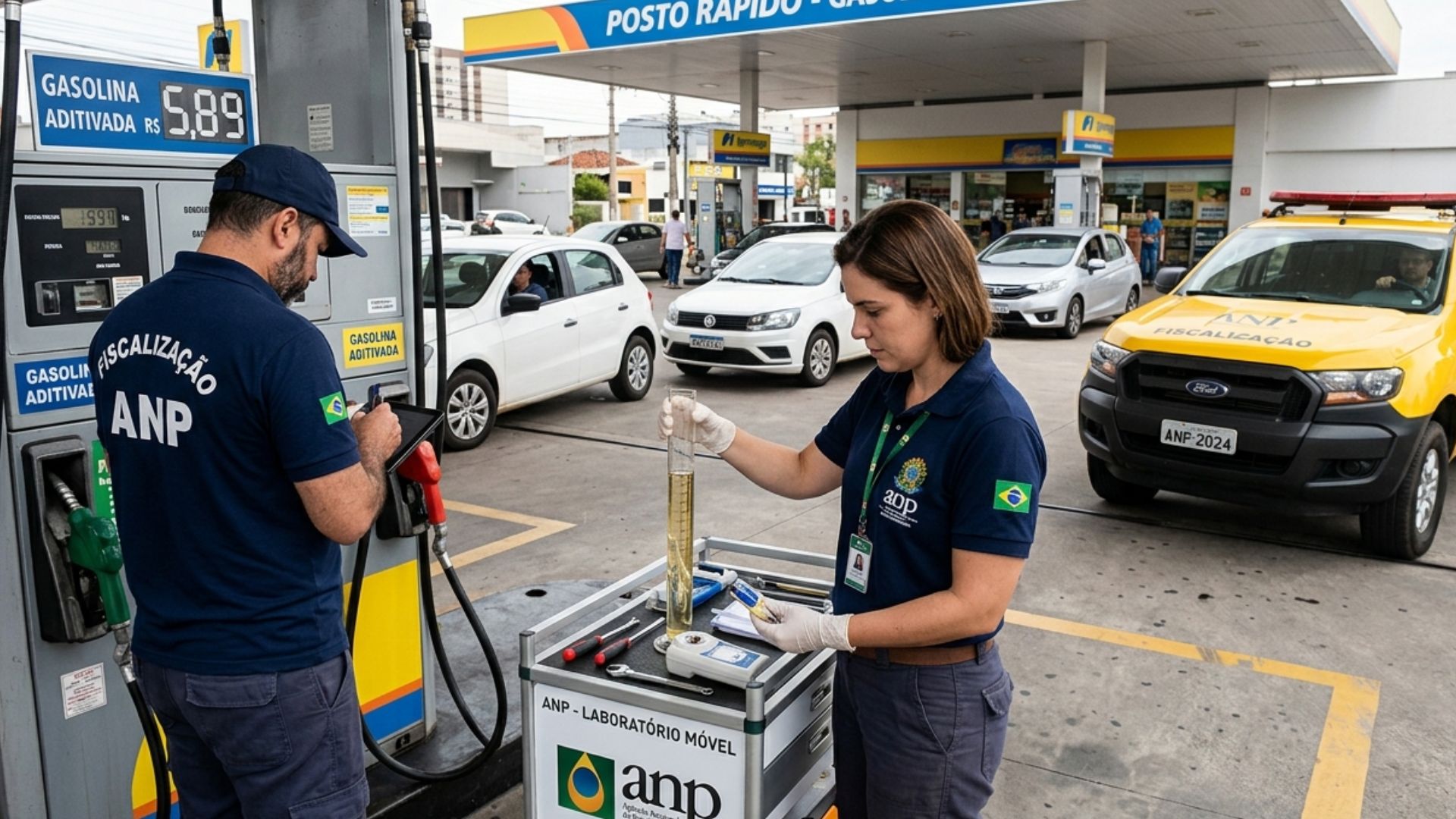
Fuels come into focus: national task force expands oversight at over 5,300 fuel stations, identifies price distortions, and promotes measures that enhance consumer protection and transparency in the sector.
-
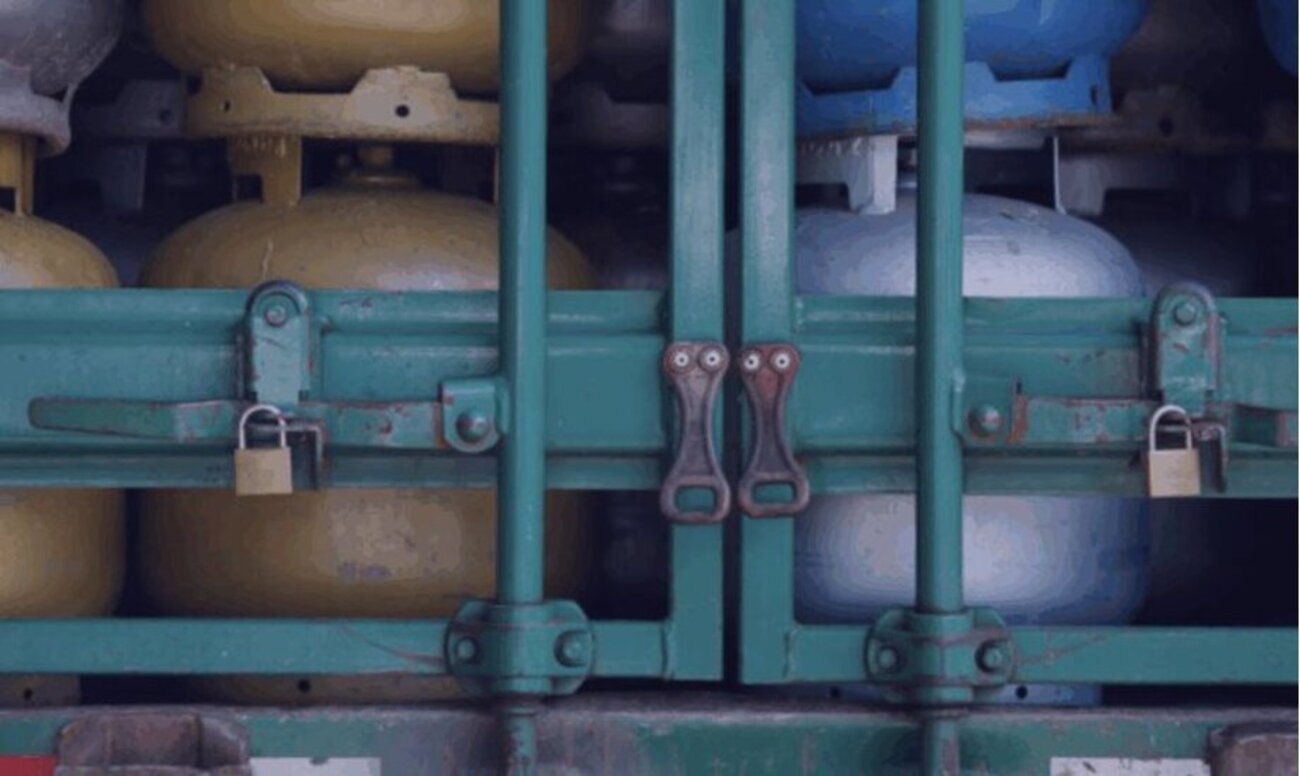
Petrobras evaluates suspension of sales to distributors and considers canceling the cooking gas auction following guidelines from the Federal Government.
-
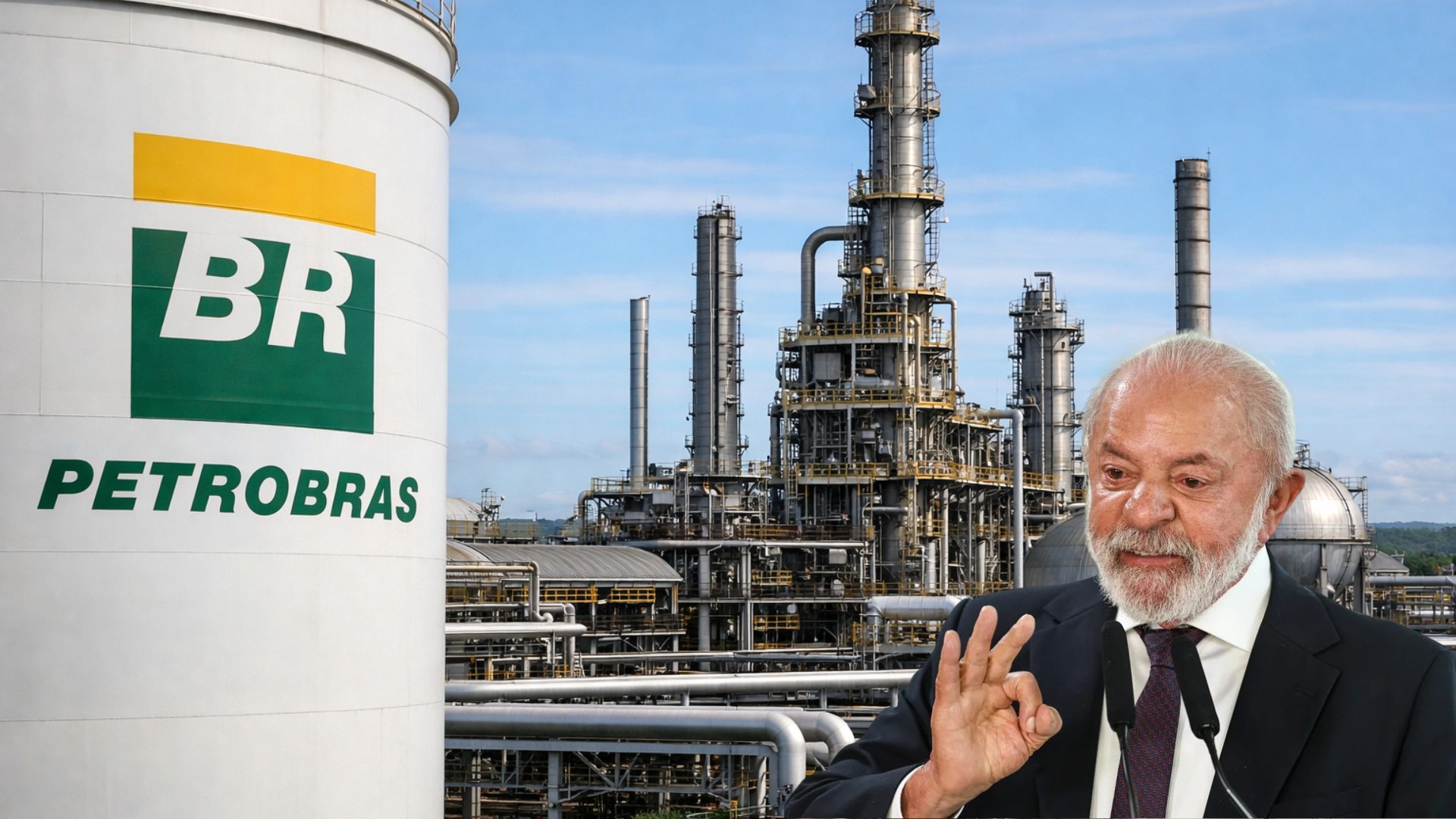
Lula reveals a masterstroke by Petrobras to undo a deal made by Bolsonaro, which involves the return of an important refinery that currently produces less than half of what was expected and makes Brazil dependent on international diesel.
-
A study confirms that the natural gas sector will reduce greenhouse gas emissions in Brazil by 0.5% and accelerate the energy transition by 2026.


The Incidence of Taxes on Fuel Derived from Oil
After the refinery sets the fuel price, taxes are added, representing a significant portion of the final value. Federal taxes (CIDE, PIS/Pasep, and COFINS) are charged at fixed rates per liter on petroleum derivatives.
The main state tax, ICMS, also has a fixed value per liter, unified across the country. The sum of these taxes constitutes one of the largest components of the price at the pump, demonstrating the weight of fiscal policy in determining the final cost to the consumer.
The Margins of the Distribution and Resale Chain
Fuel, after being produced and taxed at the source, is moved by distributors and resale stations. The remuneration of these agents, known as gross margin, must cover their operational, logistical, and financial costs. Analyses from government agencies suggest that reductions in oil prices are not always passed on at the same speed as increases.
The Participation of Ethanol in the Price Composition
Unlike gasoline, whose main cost comes from oil, Brazilian legislation requires the addition of 27% anhydrous ethanol to fuel. This biofuel has its own pricing dynamics, influenced by factors from the sugar-energy sector, such as the sugarcane harvest and the price of sugar. This blend adds another variable to the final value composition.
The Division of Responsibility for the Final Price
It is concluded that the price of gasoline does not have a single responsible party. It results from the sum of factors, starting with the cost of oil, which represents about 35% of the total, followed by the tax burden, at approximately 34%. The remainder is made up of the cost of ethanol and distribution margins.
In an international comparison, although the absolute value in Brazil is not among the highest in the world, its impact on the average citizen’s income is considerable. The fundamental challenge for the country is to balance the costs associated with the oil market, the need for tax revenue, and the population’s ability to pay.









Seja o primeiro a reagir!