





 Portuguese
  English
  Spanish
  4 min of reading
  6 comments


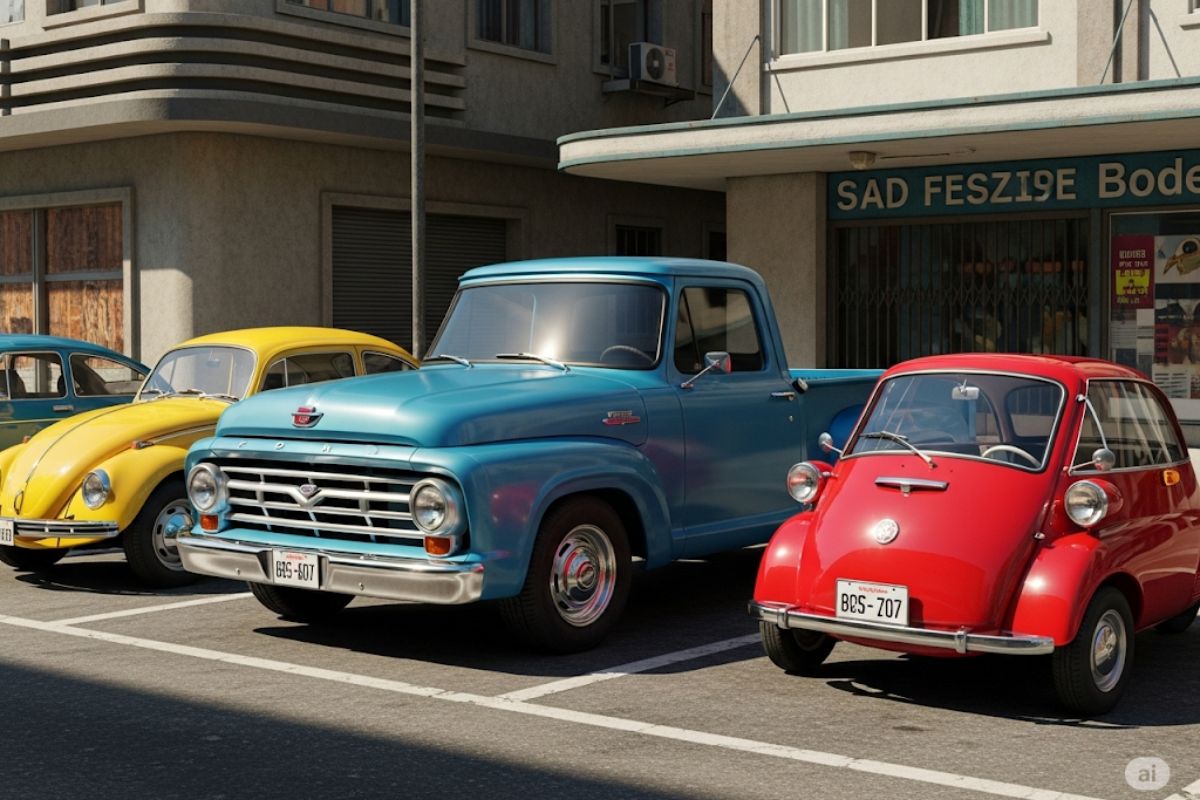


Many Believe That The Pioneering In Car Manufacturing In Brazil Belongs To Large Automakers Like VW Or Ford. However, The First Car Manufactured On Brazilian Soil Was The Charming Romi-Isetta, Launched In 1956.
The History Of The Brazilian Automotive Industry Has A Frequently Overlooked Protagonist When It Comes To The First Car Manufactured On Brazilian Soil. Contradicting Popular Perception, Which Often Points To Volkswagen Or Ford, The Title Of Pioneer Belongs To The Romi-Isetta, A Small Urban Car Produced By Indústrias Romi S.A. In Santa Bárbara d’Oeste (SP) Starting September 5, 1956.
The Narrative About The First Car Manufactured On Brazilian Soil Often Omits Its True Protagonist. This Story Of Pioneering And Innovation By A Brazilian Company Deserves To Be Told, Correcting A Common Historical Misconception.
Isetta: From Post-War Italian Design To The Boldness Of Indústrias Romi S.A
The Original Isetta Was Born In Post-World War II Italy, A Project By Iso SpA Of Renzo Rivolta, Commissioned To Aeronautical Engineers Ermenegildo Preti And Pierluigi Raggi. Introduced In 1953, The “Little Iso” Or “Bubble Car” Was A Minicar With A Radical Design: Egg-Shaped, A Unique Front Door That Carried The Steering Wheel And Motorcycle Engine At The Rear. Although It Was Not A Major Success In Italy, Its Innovative Concept Was Licensed To BMW (Which Popularized It) And To Indústrias Romi In Brazil.
-
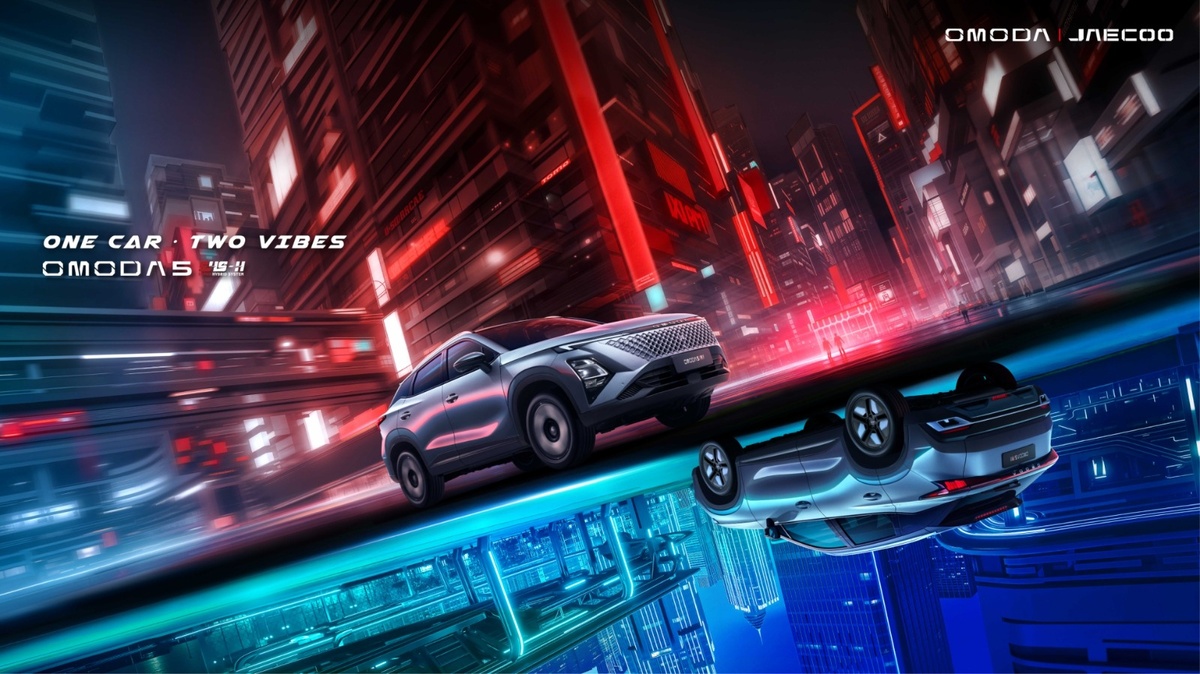
OMODA & JAECOO grows in Europe in 2026 with an integrated strategy of sales, innovation, local production, and technological advancement in the United Kingdom, Italy, and Spain.
-
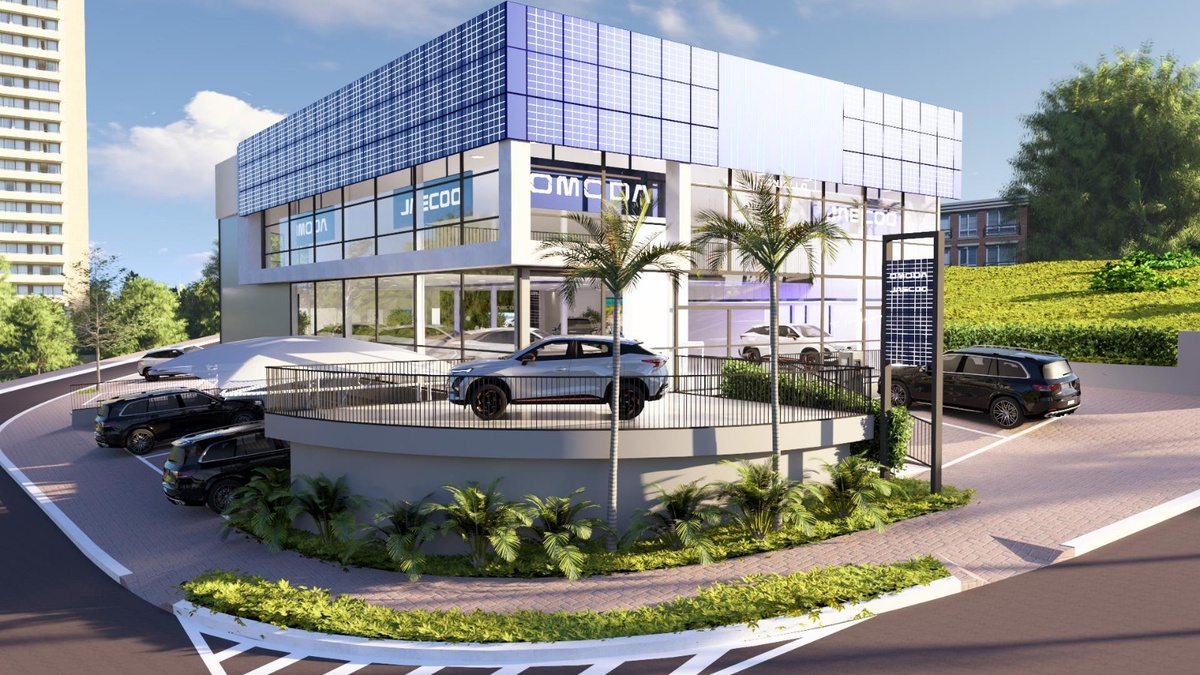
OMODA & JAECOO expands after-sales service in Brazil with competitive maintenance, a 7-year warranty, and high availability of parts for technological SUVs.
-
OMODA & JAECOO appoints Alessandra Souza as executive marketing director in Brazil and accelerates brand expansion with a focus on innovation, networking, and hybrid portfolio.

-
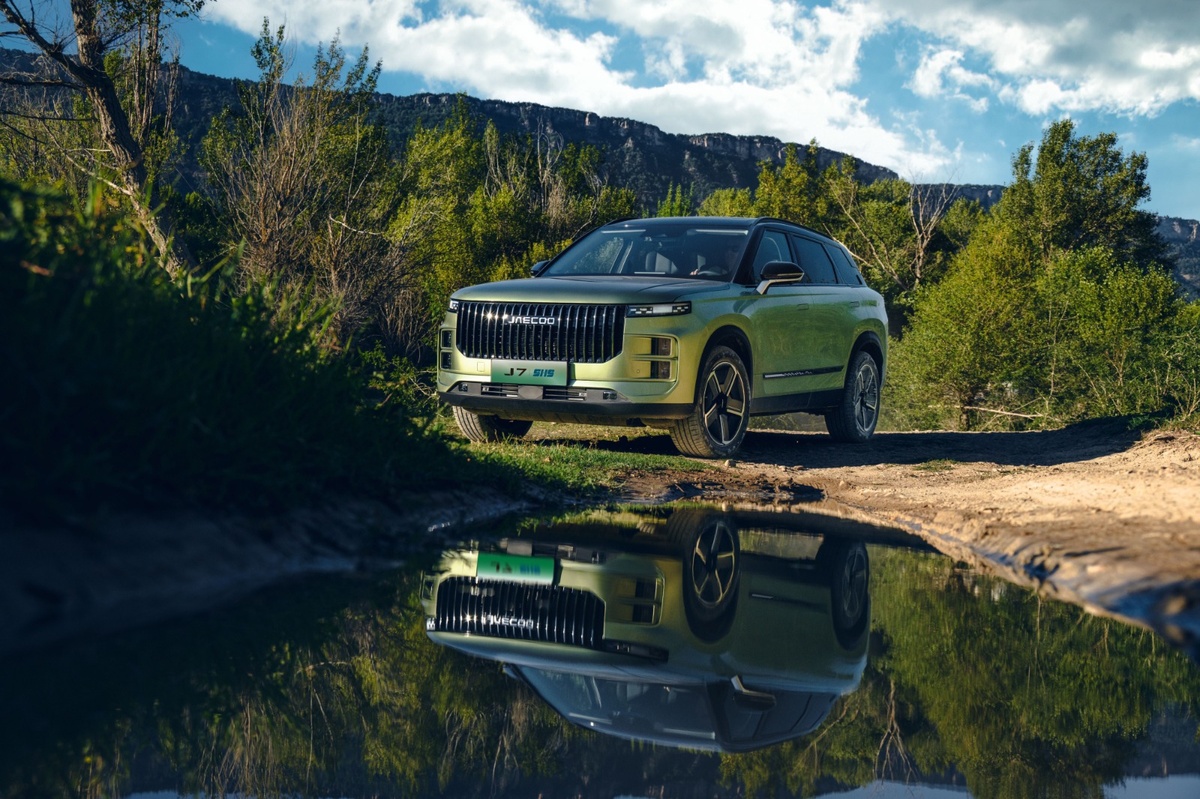
Jaecoo 7 with super hybrid SHS system exceeds 1,200 km of combined range with a 1.5 turbo engine, high-density battery, and intelligent energy management.

The Indústrias Romi S.A., Founded In 1930 By Américo Emílio Romi In Santa Bárbara D’Oeste (SP), Evolved From A Repair Shop To An Important Manufacturer Of Machine Tools And Even The First National Tractor (Toro, 1948). In 1955, With Its Expertise In Mechanics And Foundry, Romi Announced The Bold Decision To Produce The First Brazilian Car Under License From Iso.
The Romi-Isetta: First Car Manufactured On Brazilian Soil

The Official Launch Of The Romi-Isetta Occurred On September 5, 1956. Production, Which Began A Month Earlier, Totaled Approximately 3,000 Units By 1961. A Robust Advertising Campaign Generated Interest And Initial Success, Including A Caravan Of 33 Romi-Isettas From São Paulo To Rio De Janeiro In 1958.
Notably, The Romi-Isetta Achieved A Local Content Index Of 72% Of The Vehicle’s Weight, Exceeding The Legal Requirement At The Time (50%). Initially (1956-1958), It Used Iso Engines (2-Stroke, 236cc, 9.5hp). Starting In 1959, It Adopted BMW Engines (4-Stroke, 298cc, 13hp). Compact (About 2.28m Long), Lightweight (350-360kg), And With A Narrow Rear Track (Eliminating The Need For A Differential), It Reached About 80-85 Km/h And Offered Good Fuel Economy (25 Km/L With BMW Engine).
The Impact Of Industrial Policies
The Trajectory Of The Romi-Isetta Was Deeply Affected By The Executive Group Of The Automotive Industry (GEIA), Created In June 1956 To Promote National Vehicle Production With High Localization Rates, Offering Tax And Financial Incentives. However, The GEIA Criteria For A Vehicle To Be Considered “Conventional” (Minimum Of Two Doors, Capacity For Four Occupants) Excluded The Romi-Isetta, Which Had A Front Door And Lower Capacity.
Consequently, Indústrias Romi Was Deprived Of These Crucial Incentives, Making The Car Less Competitive. While The Romi-Isetta Was Forced To Acquire Imported Components At Unfavorable Exchange Rates, Competitors Such As The Vemaguet Station Wagon (Launched In November 1956 And Often Cited As The “First Official National Car”) Benefited From GEIA Support. This Disadvantage Led To The Cessation Of Romi-Isetta Production In 1961.
Ford And Volkswagen In The Brazilian Automotive Scenario Of The 50s
To Understand The Pioneering Nature Of The Romi-Isetta, It Is Vital To Distinguish Assembly Of Imported Kits (CKD) From Manufacturing With High Local Content. Before 1956, Ford And General Motors In Brazil Primarily Conducted CKD Assembly Operations. The First Vehicle Ford Actually Manufactured In Brazil Was An F-600 Truck, In August 1957.
The Volkswagen Started Assembling The Kombi In Brazil In 1953 (CKD), With The First Unit Containing 50% National Parts Rolled Out In 1956. The Beetle Began Assembly In 1953, But National Manufacturing With Significant Local Content Only Started Around 1959. Thus, The Romi-Isetta Holds The Specific Title Of First Car Manufactured On Brazilian Soil In The Passenger Car Category.
More Than A Car
Despite Its Brief Production, The Romi-Isetta Left A Significant Legacy. Today, It Is A Highly Valued Collector’s Item, With Examples Fetching Prices Exceeding Those Of DKW Models From The Same Era. Its Historical Importance Is Attested By Its Presence In Museums, Such As The Eduardo André Matarazzo Museum.
The Romi Foundation Actively Celebrates The Vehicle’s History With Exhibitions And Gatherings. In Santa Bárbara D’Oeste, Its Birthplace, A Monument Honors The Romi-Isetta As The First Mass-Produced Passenger Car In Brazil. The Innovative Concept Of The Original Isetta Also Influenced Global Automotive Design, Becoming A Precursor To Modern Urban Cars.
Recognizing The Romi-Isetta As The True First Car Manufactured On Brazilian Soil And Its Historical Significance
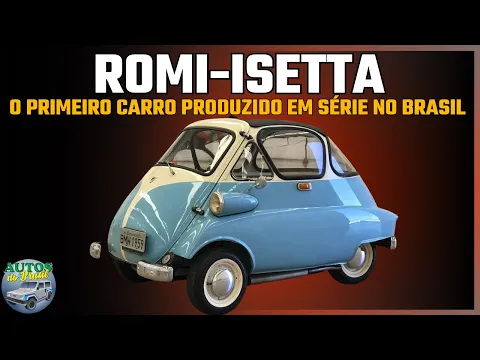

The Historical Analysis Unequivocally Confirms The Status Of The Romi-Isetta As The First Passenger Car Manufactured In Brazil, In 1956. This Achievement By Indústrias Romi S.A. Preceded The Production Of Passenger Cars By More Renowned Brands.
Although The GEIA’s Restrictive Policies Shortened Its Commercial Trajectory, Its Pioneering Nature And The High Localization Rate Attained Demonstrate The Entrepreneurial Courage And Technical Capability Of The Brazilian Industry At The Time. The Legacy Of The Romi-Isetta As A Symbol Of Innovation And A Coveted Collector’s Item Endures, Demanding Its Full Recognition In National Automotive History.







Amei! Sou apaixonada por esses carros antigos, agente encontra Romi Isetta aqui no Brasil?
Sem falar do Puma em Curitiba, e o Gurgel aquela época fazendo **** com fibra de bananeira, não incentivam os brasileiros.
Normal o Brasil sempre deu preferência para as multinacionais, e só ver a história da Gurgel….
Não só da Gurgel, como também do Miura fabricado em Porto Alegre