





 Portuguese
  English
  Spanish
  3 min of reading
  39 comments


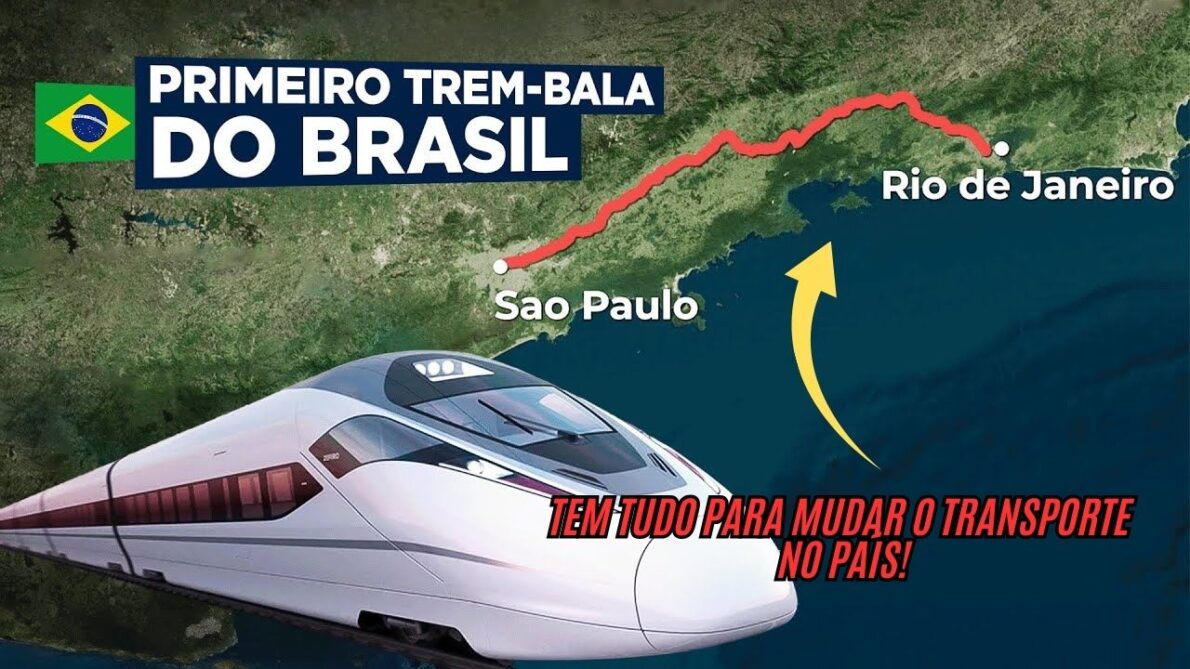


You Have Heard That Promise That Seems Too Good to Be True? Well, the First Bullet Train in Brazil Is Exactly That! Get Ready for a Revolutionary Change That Even Traffic Jams Will Have to Retire. But Will This Project Finally Get Off the Ground? Spoiler: It Has Everything to Change Transportation in the Country!
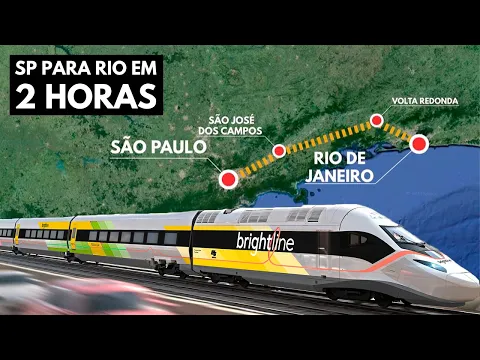
The project that promises the first bullet train in Brazil is not a simple infrastructure construction. It will connect the two largest metropolises in the country, São Paulo and Rio de Janeiro, in under 2 hours, revolutionizing transportation between these cities. Currently, the trip from São Paulo to Rio takes about 5 to 6 hours by car via the Presidente Dutra Highway or involves a flight of about an hour, but with airport times, it can easily exceed 3 hours.
This innovation will bring a train capable of reaching an impressive 300 km/h, making travel between the cities not only faster but also more comfortable and efficient. The line will be about 420 km long, connecting four main stations: São Paulo, São José dos Campos, Volta Redonda, and Rio de Janeiro. And, most excitingly, the train will arrive at an iconic station in Rio: the historic Barão de Mauá Station, also known as Leopoldina.
Why Has the First Bullet Train in Brazil Not Gotten Off the Ground?
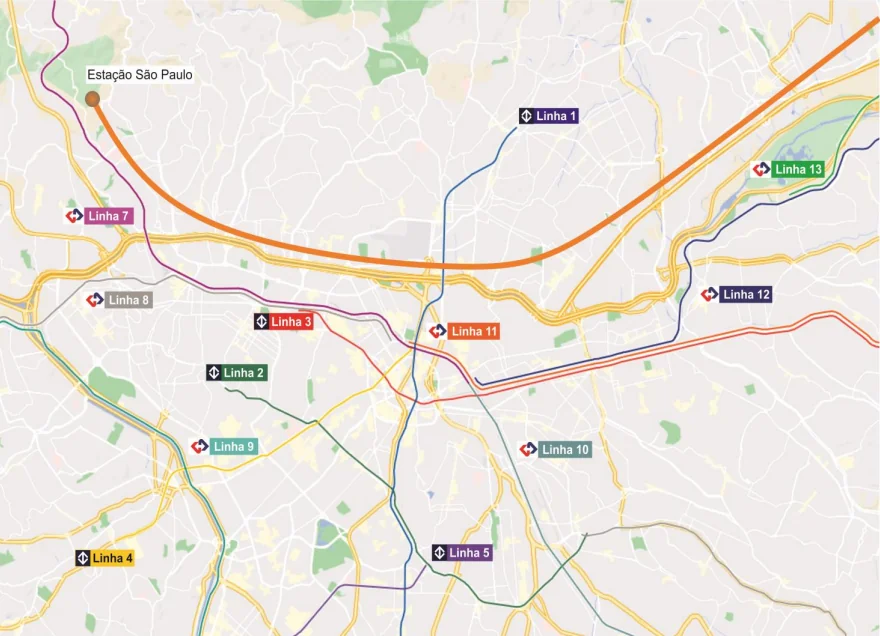
The idea of linking São Paulo and Rio de Janeiro with a bullet train is not new. Since the 2000s, there have been studies to integrate the two cities with the so-called High-Speed Train (TAV), with an initial completion plan for 2014 for the World Cup. However, financial difficulties and lack of investor interest have stalled the project for over a decade.
-
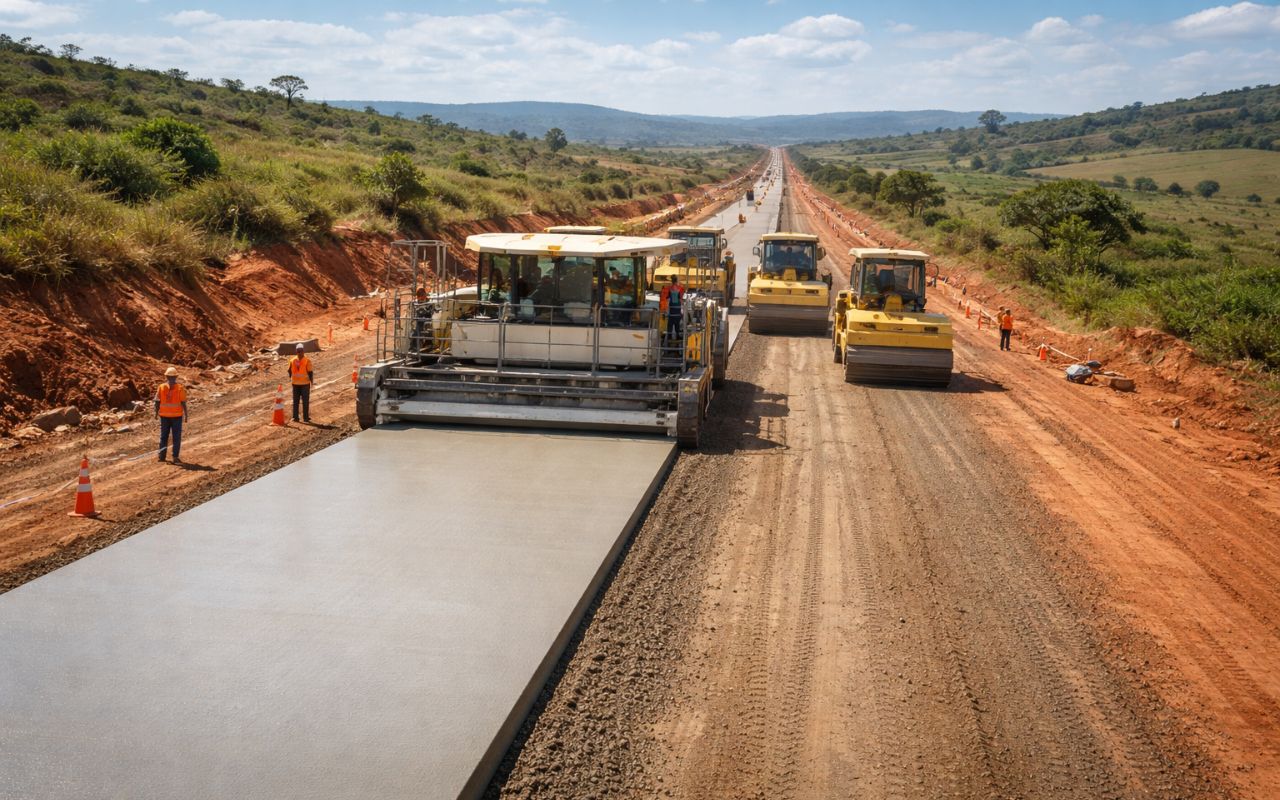
New CCR concrete paving technology promises roads up to 3x more durable, less maintenance, and cost reduction in Brazil.
-
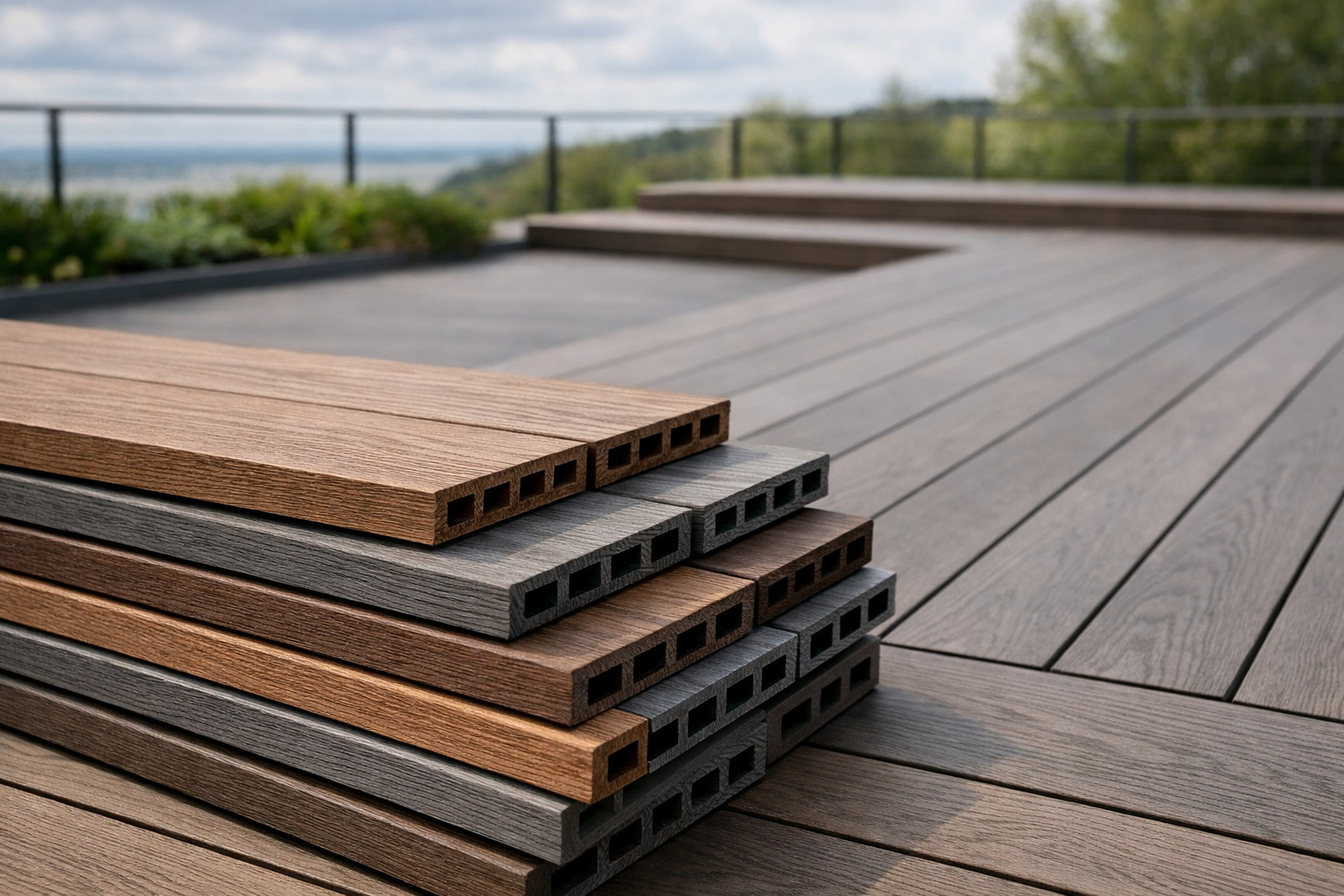
Made from recycled plastic, plastic wood is gaining space in the construction industry because it does not rot, resists moisture, and reduces maintenance costs over the years.
-
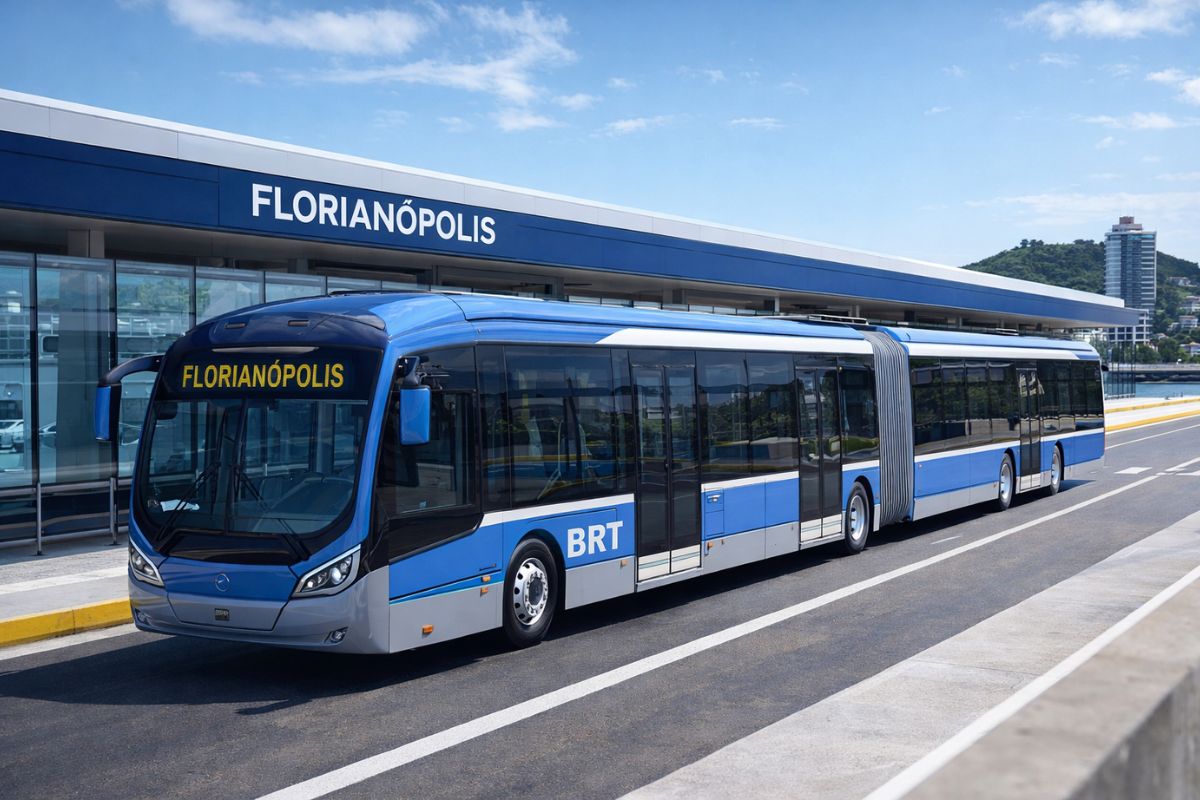
Florianópolis will receive a million-dollar BRT that will begin construction in 2026 with nearly 400 million in funding from the federal government and the Inter-American Development Bank, and the map already shows the routes for the exclusive bus corridors.
-
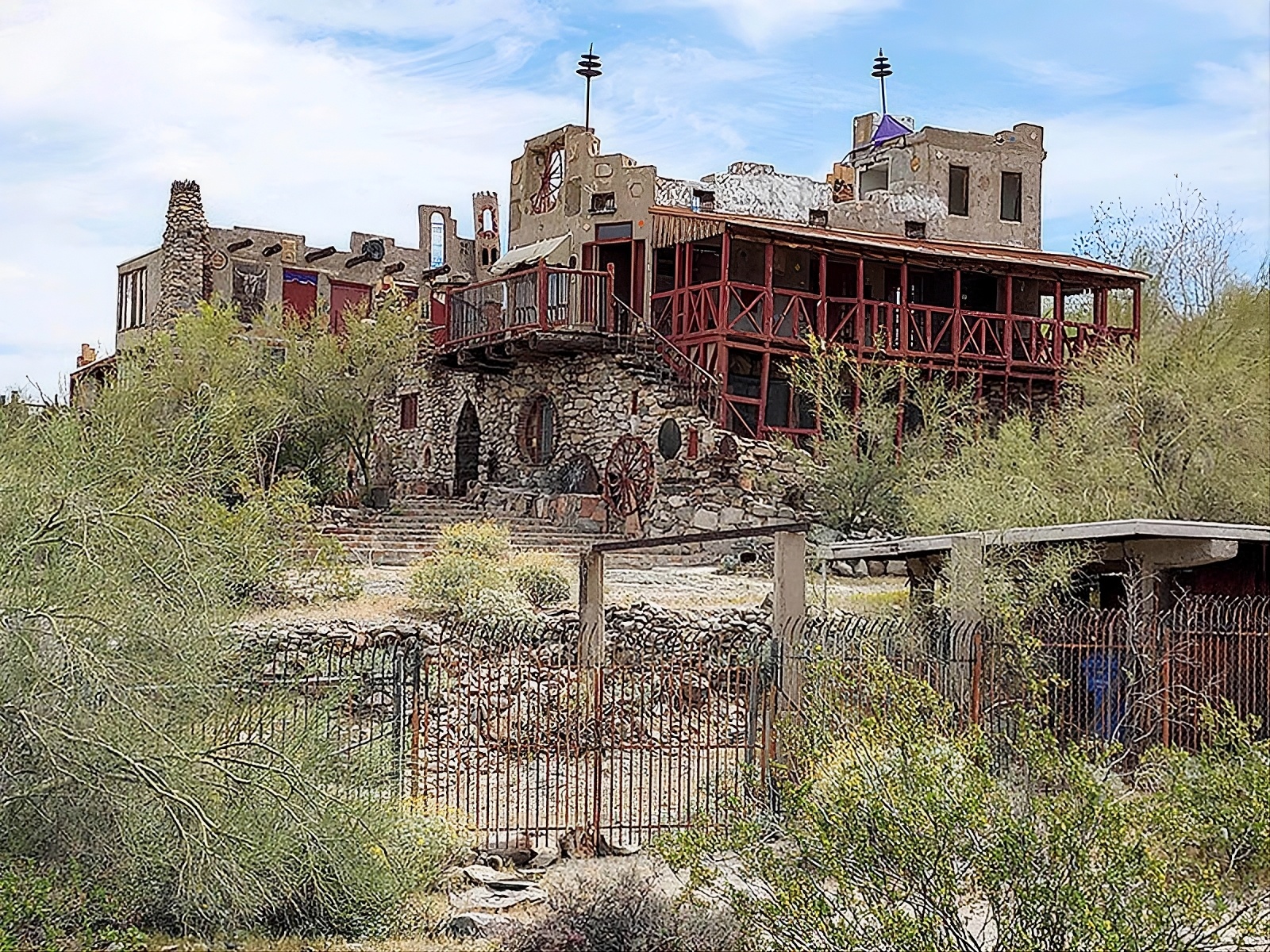
Without a blueprint, without an engineer, and using scrap from the dump, a father spends 15 years building an 18-room castle for his daughter, featuring tram tracks, 13 fireplaces, and over 700 m², which may now be demolished.

Only in 2023 did a new light appear on the horizon when the National Agency for Land Transport (ANTT) reauthorized the project, promising construction to begin in 2027 and completion in 2032. But the big question is: how much will this cost?
Challenges and Costs of the Construction
The construction of the first bullet train in Brazil will not be easy. The route between Rio and São Paulo faces complicated geographical challenges, with mountains, valleys, and areas that will require extensive tunnels and viaducts, increasing the project’s costs. The government estimates that the investment will be around R$ 34 billion, but experts point out that the amount may exceed R$ 50 billion.
There is the challenge of land expropriation and the adaptation of infrastructure along the route, which will include complex negotiations. Another relevant factor is the impact of weather, as heavy rains and floods can compromise the integrity of the tracks.
Benefits That Go Beyond Mobility
If the project is successful, the benefits will be immense. The train will not only improve mobility between the two largest economies in Brazil but also bring economic development to cities along the route, such as São José dos Campos and Volta Redonda. It is estimated that thousands of direct and indirect jobs will be generated during the construction and operation of the train.
The bullet train will relieve the airports of Guarulhos and Galeão, and reduce congestion on the highways. Not to mention that it will contribute to a more sustainable transportation option, decreasing carbon emissions generated by road and air traffic.
The Future of the First Bullet Train in Brazil

Despite the challenges, the resumption of the project for the first bullet train in Brazil is a hope for the future of mobility in the country. If it truly gets off the ground, it will bring a new era of fast, efficient, and environmentally sustainable transportation, connecting the largest Brazilian metropolises in an unprecedented way.
Now, it remains to be seen if Brazil is prepared to face the engineering and financial obstacles still in the way of this ambitious project. But if all goes well, the country will join the select group of nations that have high-speed trains, and this will surely change the history of Brazilian transportation.









Mais uma oportunidade para roubarem com projetos. Como na Copa: “faltou dinheiro”. Faltou foi **** e vontade de fazer algo que preste.
Seria uma maravilha da Engenharia Brasileira e o Brasil. Todavia é um projeto perigoso em se tratando de alto valor e muita gente vai ficar de olho.
Mudem o Percurso RJ não façam para o sul Santa Catarina, Paraná.