





 Português
  Inglês
  Espanhol
  4 min de leitura
  0 comentários


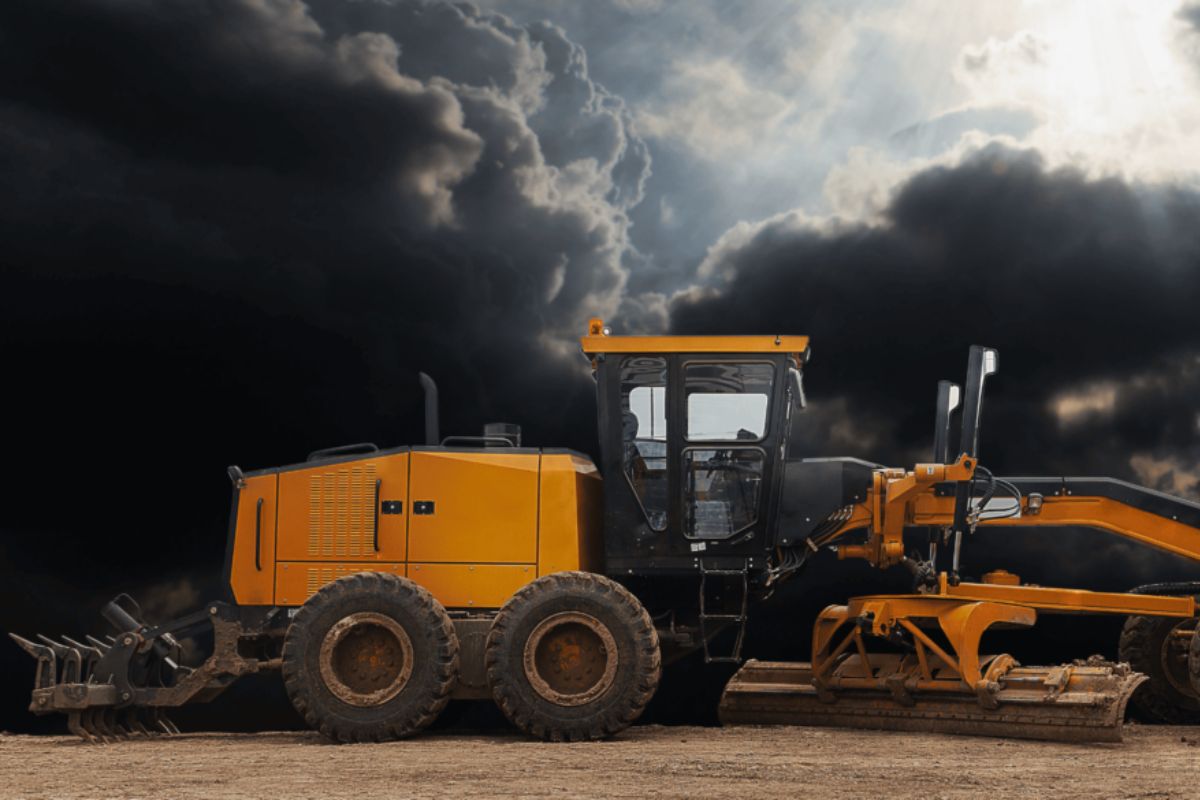
The Construction of the Ascending Lane of the Immigrants Highway in the 1970s Was an Engineering Feat. Discover What the Main Earthmoving Equipment Used in the Construction of the Immigrants Highway Was and the Technologies That Overcame the Serra do Mar.
The Immigrants Highway, a vital link between São Paulo and the coast, is a landmark of Brazilian engineering. Its Ascending Lane (or North Lane), inaugurated in 1976, represented a colossal challenge in traversing the Serra do Mar. Contrary to the idea that common tractors would be sufficient, the work required heavy and specialized machinery.
This article analyzes the Main Earthmoving Equipment Used in the Construction of the Immigrants Highway (Ascending Lane) and the Drilling Technologies Used in Its Complex Tunnels, based on historical and technical information.
The Serra do Mar: A Monumental Geographical and Geological Obstacle for Road Engineering
Overcoming the Serra do Mar was the primary challenge. This geological formation features rugged topography, steep slopes, and deep valleys, covered by dense tropical rainforest. The geological complexity, with variations in rock and soil stability, required innovative construction methods, resulting in the choice of an extensive system of tunnels and viaducts to minimize environmental impact and overcome the elevation difference. In the context of the “Developmentalism” of the 1970s, Brazil already had large construction companies and access to advanced machinery, such as that from Caterpillar.
-
A megaproject worth R$ 89 billion is advancing in Iraq and promises to change the game in global trade by creating a new corridor between Asia and Europe, reducing traditional routes and repositioning the country as a logistics powerhouse.

-
Goodbye bedside table: floating shelves become a trend in 2026 by freeing up space in the bedroom, improving circulation, bringing visual lightness, and integrating technology without taking up floor space.

-
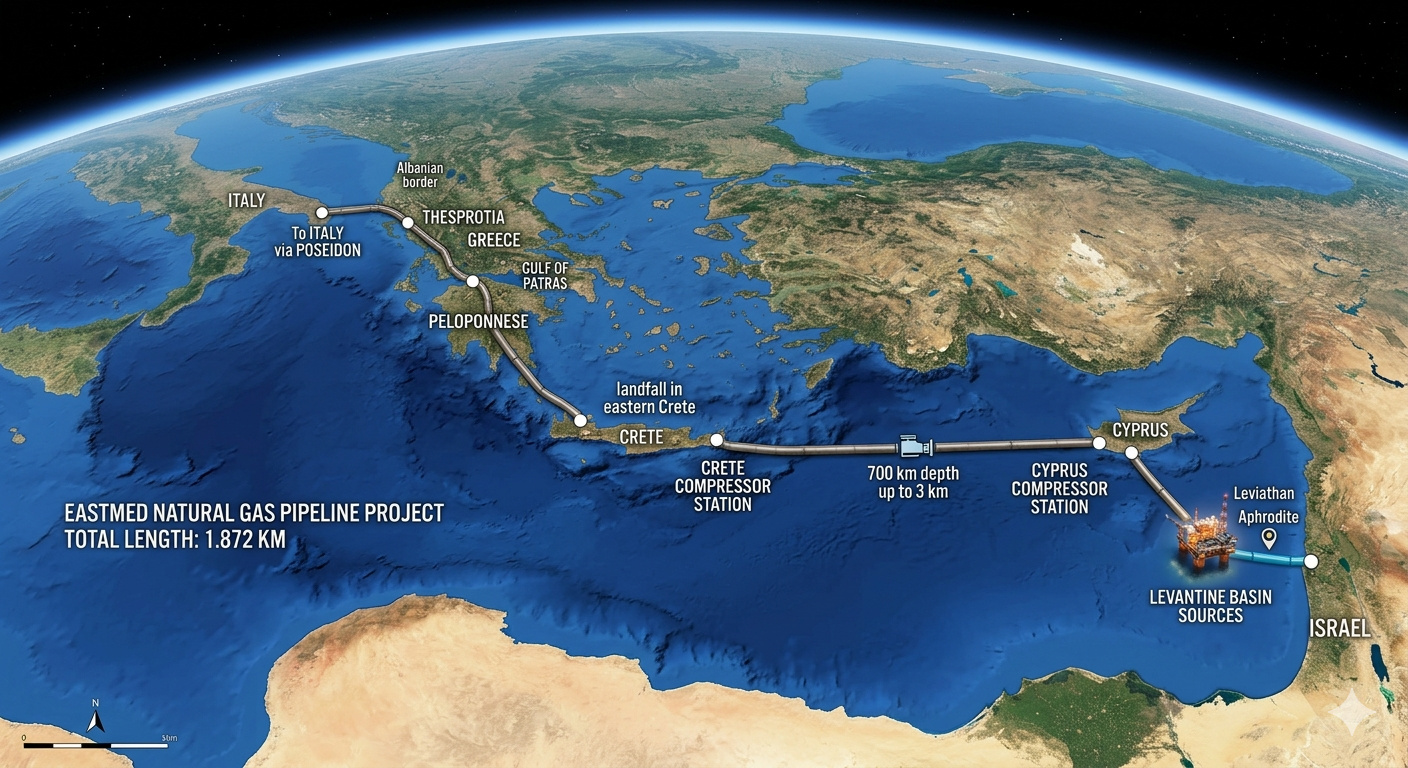
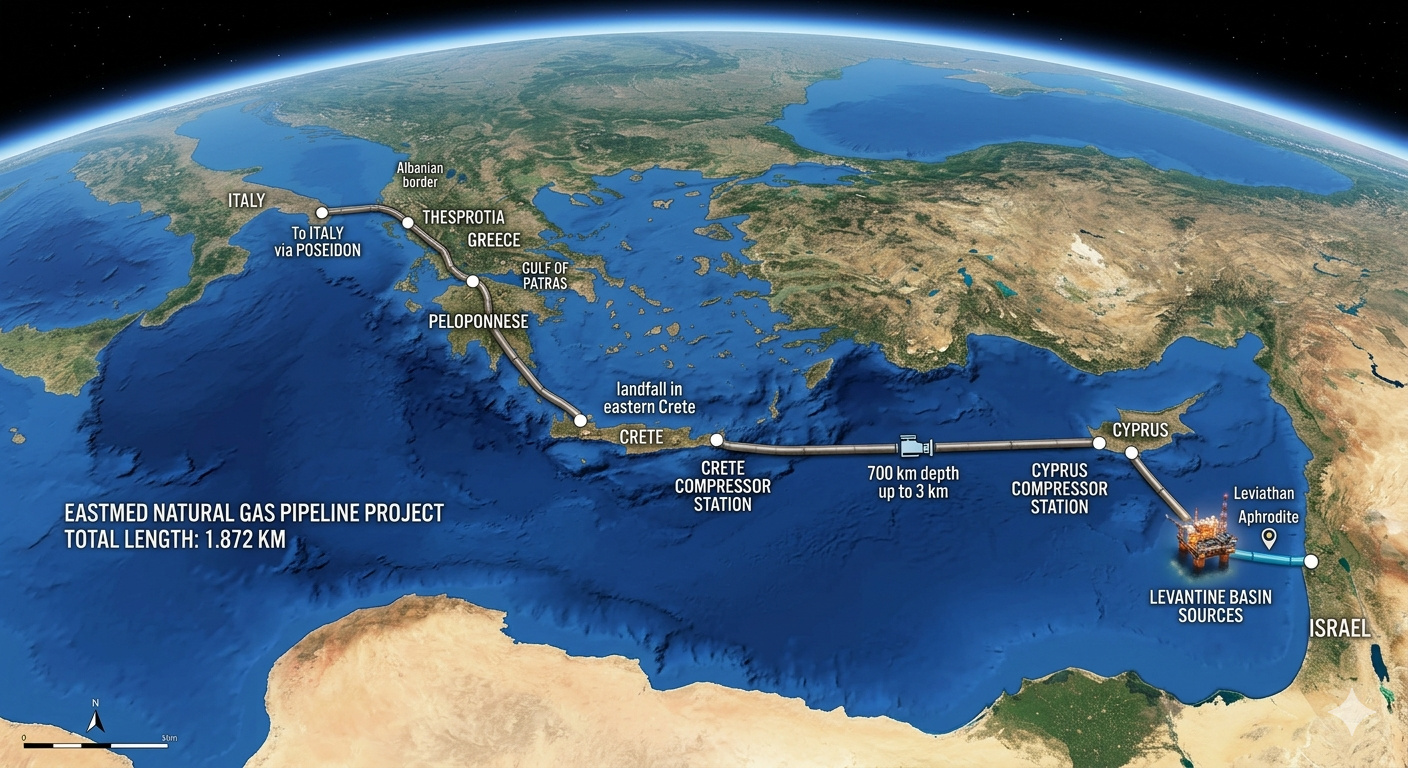
Israel, Greece, and Cyprus signed an agreement in 2020 to transport gas from the Mediterranean to Europe via a 1,872 km pipeline, but Turkey claimed sovereignty over part of the maritime route, and the project never materialized.
-
Israel, Greece, and Cyprus signed an agreement in 2020 to transport gas from the Mediterranean to Europe via a 1,872 km pipeline, but Turkey claimed sovereignty over part of the maritime route, and the project never materialized.

Earthmoving Operations on the Immigrants: More Than Tractors, A Specialized Fleet to Tackle the Terrain

The earthmoving operations for the Ascending Lane were of great magnitude. Caterpillar machines, including motor graders, played a fundamental role in shaping the roadway. Although ‘scrapers’ were common in large highway projects of the time for moving large volumes of earth, their use as the main equipment on the steep and rocky section of the Serra do Mar for the Ascending Lane is not explicitly confirmed in the consulted sources, making it more likely that they were employed in the approach sections.
It is practically certain that other essential heavy equipment was used, such as bulldozers for deforestation and road opening, and sets of excavators/loaders and large dump trucks for excavation and transportation, especially in confined areas. The “common tractors” of the time would be inadequate for the scale of the project.
The Complex Construction of the Tunnels of the Ascending Lane and the Drilling Technology
The original Ascending Lane incorporated 11 tunnels, totaling 3,825 meters in length. One of the most innovative aspects was the Pioneering Introduction of the New Austrian Tunneling Method (NATM) in Brazil, which uses the rock itself as the main support element, with flexible linings of shotcrete and anchors.
Although the sources do not detail the exact models, the application of NATM in the 1970s strongly implies the use of hydraulic rock drills, probably mounted on “jumbos”, which offered greater efficiency and penetration rates than older pneumatic drills. The construction of the tunnels was complex due to the variable geology of the Serra do Mar, the scale of the excavation, and subterranean logistics.
Other Technological Innovations That Marked the Construction of the Ascending Lane of the Immigrants
The technological boldness of the Ascending Lane went beyond earthmoving and tunneling. Sliding forms were used for elevated viaducts, cantilever shoring technologies, manufacturing and launching of pre-stressed precast beams, extensive use of electro-thermic curing of concrete, and the introduction of root piles for slope stabilization. These innovations demonstrate a holistic approach to the adoption of advanced engineering.
Ascending Lane and the Main Earthmoving Equipment Used in the Construction of the Immigrants Highway


The construction of the Ascending Lane of the Immigrants Highway undoubtedly required the use of a fleet of heavy and specialized machinery. Use of motor graders is confirmed, and the crucial role of bulldozers, excavators, and dump trucks as part of the main earthmoving equipment is strongly inferred. Regarding the ‘scrapers’, their primary use likely occurred in the approach sections, rather than being widespread in the steepest part of the mountain.
The hydraulic drills, in the context of the NATM method, were critical for executing the complex tunnels. The Ascending Lane remains an emblematic project, a catalyst for new construction technologies in Brazil and a testament to the national engineering’s ability to overcome formidable challenges.










Seja o primeiro a reagir!