





 Portuguese
  English
  Spanish
  3 min of reading
  14 comments


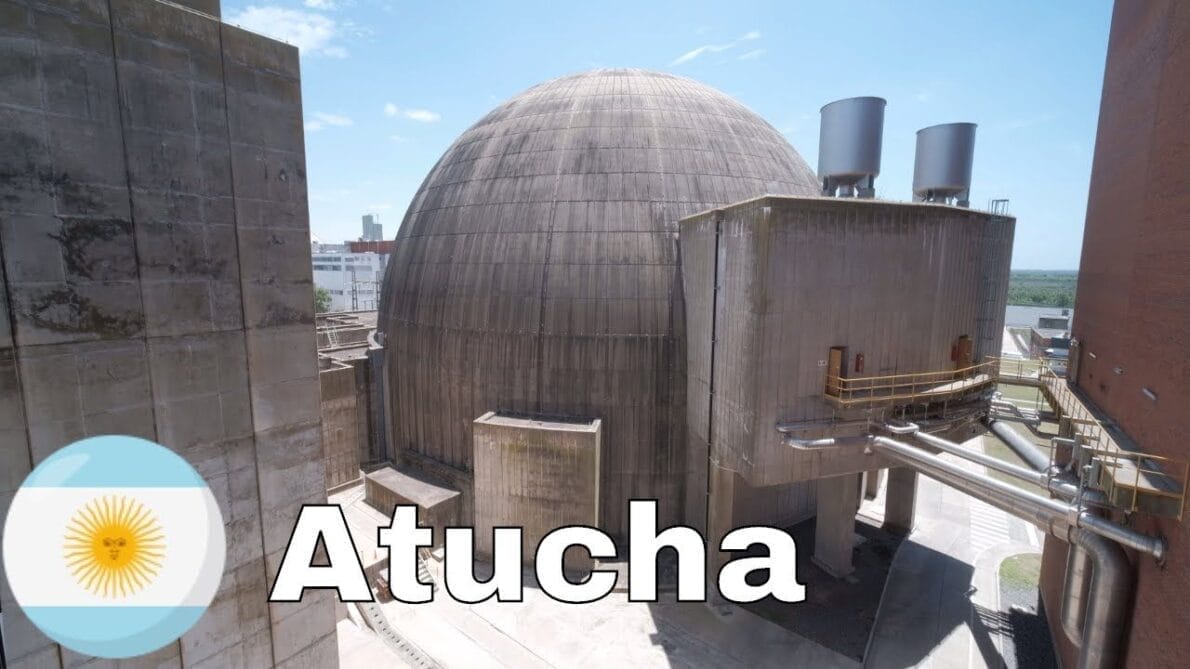

Argentina and China Are at an Impasse Over the Construction of an $8 Billion Nuclear Power Plant. Understand the Details and Implications of This Chinese Nuclear Reactor.
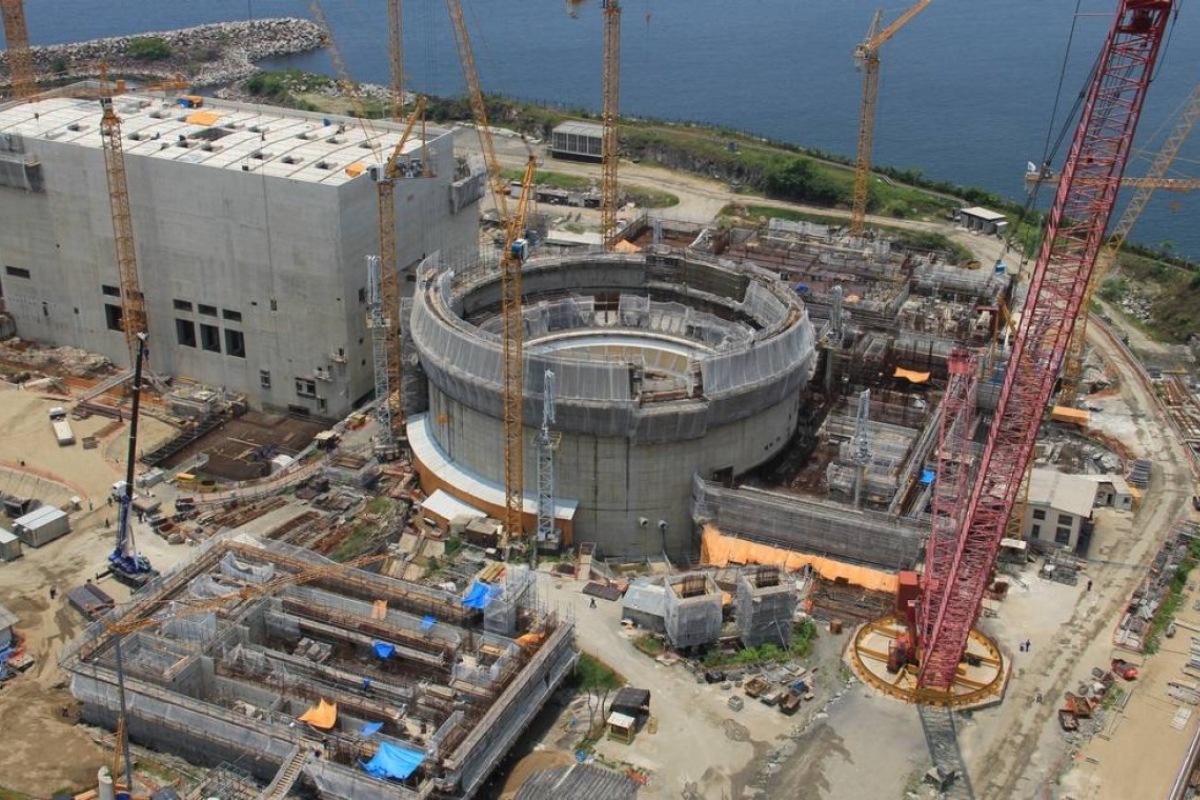
Argentina has signed a contract with China to invest $8 billion in the construction of a nuclear power plant, with a Chinese loan covering 85% of the amount. However, the Chinese nuclear reactor, which would be installed at the Atucha 3 plant, is causing significant disagreement between the two countries, especially regarding technology transfer.
The Atucha 3 plant is planned to have a third-generation nuclear reactor with a capacity of 1,200 megawatts and an initial lifespan of 60 years. For comparison, Angra 2 in Brazil has 1,350 megawatts and can supply a city of 2 million inhabitants. But, despite the power, Argentina wants more than just a functioning reactor.
Argentina and China Disagree Over Nuclear Reactor
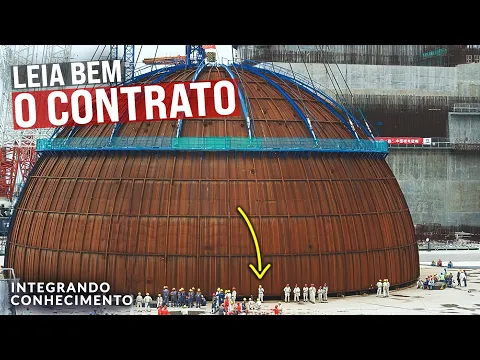

Crucial points of the contract include the transfer of 50 to 70% of the component manufacturing technology, the use of 100% local civil labor, and the transfer of fuel production technology. Argentina already dominates the process for heavy water reactors and small light water reactors, but the technology for a large third-generation reactor is new territory they want to master.
-
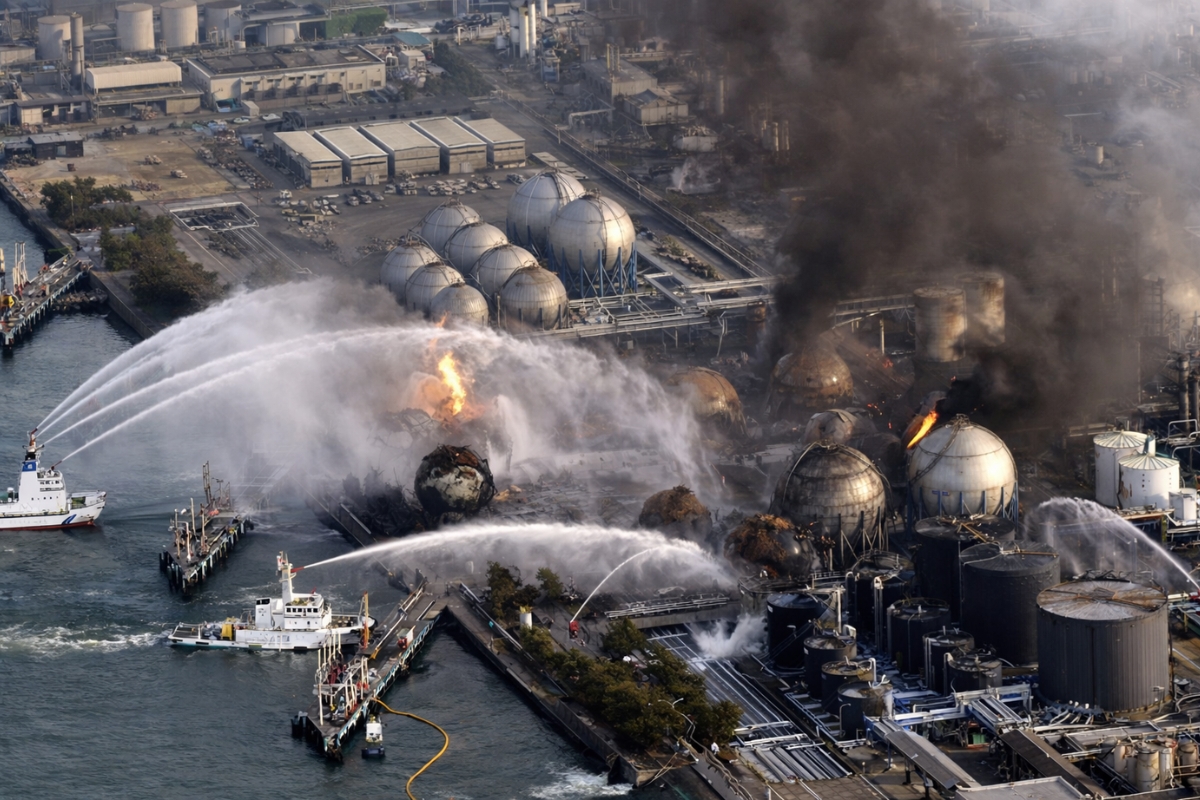
Fukushima Marks A Turning Point In Japan’s Energy Policy: After The Disaster, The Country Shut Down Its 54 Nuclear Reactors And, 15 Years Later, Only A Small Portion Have Returned To Operation
-
How Japan Overcame The Nuclear Bomb And Now Houses Millions In Hiroshima, While Ukraine Lost Chernobyl?

-
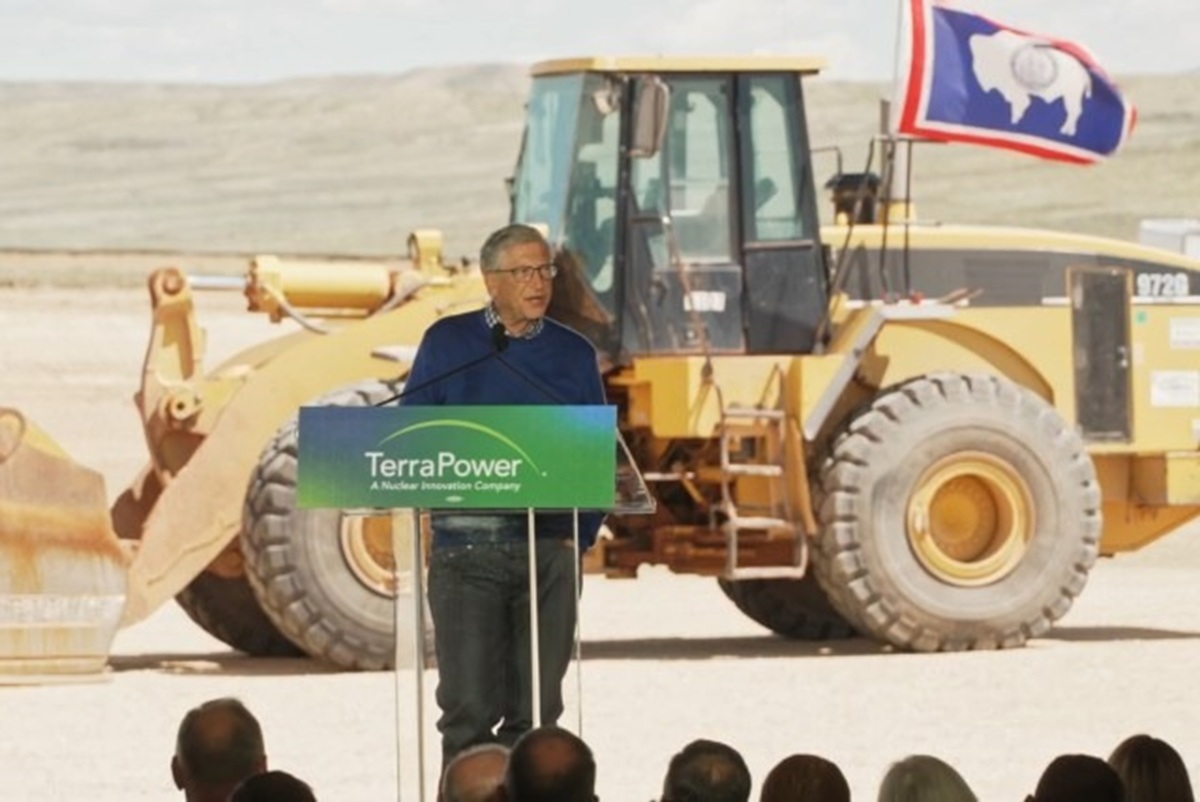
Bill Gates Receives Historic Approval to Build Giant 345 MW Nuclear Plant in the U.S. and Promises to Generate Up to 500 MW of Energy with Innovative Technology
-
India Opens Nuclear Energy to Private Capital to Accelerate Projects and Attract Billions, While Brazil Remains Stalled at Angra 3 and Discusses Who Will Foot the Bill for Completion

The Battle for Technology
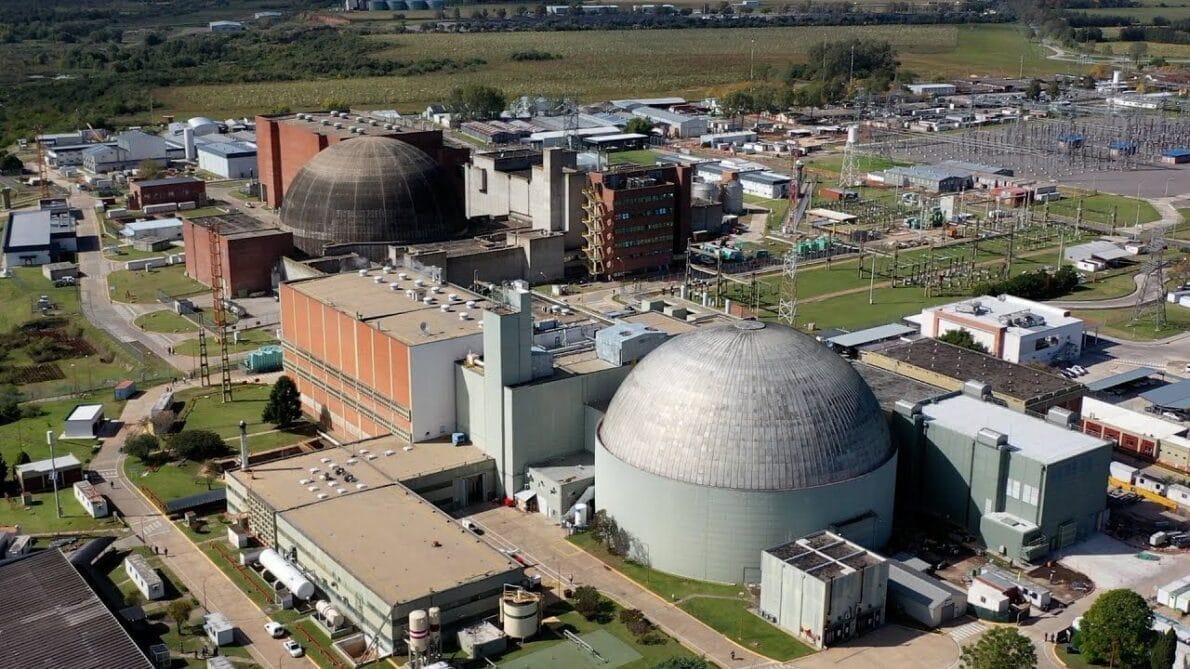
The main disagreement lies in the technology transfer for fuel production. Argentina wants to be self-sufficient and not rely on China for the supply of enriched uranium throughout the lifespan of the plant. In Brazil, for example, we have mastered all stages of the nuclear fuel cycle, from mining to fuel fabrication.
China handles uranium mining, which is then enriched in centrifuges to increase the concentration of uranium-235. This enriched uranium is then converted into pellets, which are used as nuclear fuel. Argentina wants to have the capacity to carry out this entire process to avoid dependency on China.
Strategy and Geopolitics
The president of Argentina’s National Atomic Energy Commission, Adriana Serquis, highlighted the strategic importance of this technology, especially noting Europe’s dependency on Russian nuclear fuel. If Argentina achieves this technology transfer, it will be the first country to produce fuel for this type of Chinese reactor, representing a significant advancement.
However, this technology transfer also has geopolitical implications. China would increase its influence in South America, while the United States, concerned about this expansion, has already warned that the Chinese reactor does not meet all international safety standards, although it has been certified by a European agency and is already operational in Pakistan.
The construction of the Chinese nuclear reactor in Argentina is more than just a simple business transaction. It involves geopolitical strategies, technology transfer, and the fight for energy self-sufficiency. This project could change the future of energy in Argentina, but there are still many challenges to overcome. So, what is your opinion on this technological dispute?






Baita mentira que dominamos todo o ciclo do combustível. Se fosse assim não enviariamos pra França pra ela enriquecer o urânio. Podemos até entender e fazer em baixa escala mas dominar?
Faz total sentido em querer dominar e saber como se faz, ter somente o conhecimento teórico não é suficiente, exemplo do Brasil que domina a tecnologia mas continua comprando combustível nuclear
Tudo de bom, qubrar hegemonia, do ocidente sobre o mundo