





 Portuguese
  English
  Spanish
  4 min of reading
  0 comments


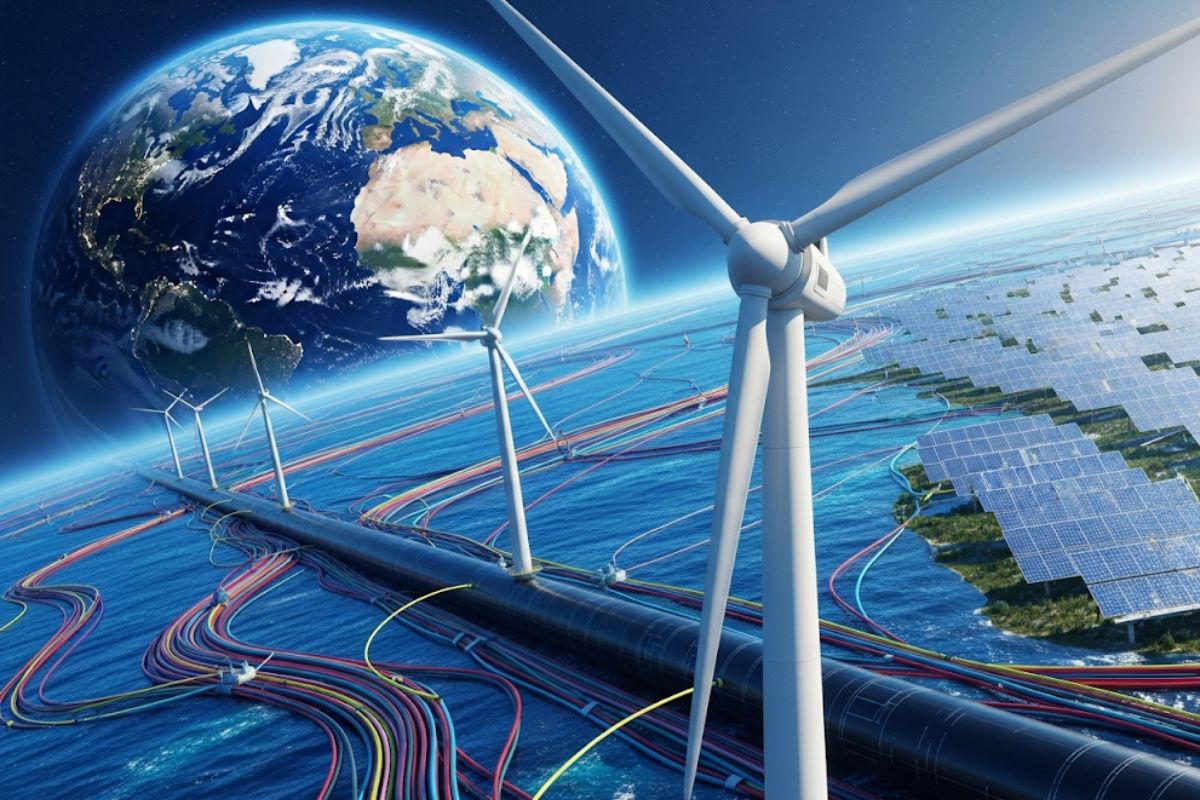
With a Cost Exceeding £22 Billion, the Pharaohic Xlinks Project Aims to Connect the Moroccan Desert to the British Grid. Discover the Technology, Challenges, and Current Status of This Ambitious Initiative.
The Xlinks Morocco-UK Power Project is a monumental-scale initiative. Often described as a pharaohic project, it aims to transmit 3.6 GW of renewable electricity from Morocco to the UK. The energy will travel through submarine cables spanning 3,800 to 4,000 km.
This article provides a detailed analysis of the Xlinks project. We will cover its technical architecture, financial structure, current status in 2025, and socioeconomic implications. The project has transformative potential but faces considerable challenges.
What is Xlinks? The Vision of a Pharaohic Transcontinental Energy Project
Xlinks Limited was founded in 2019 by Simon Morrish. Its mission is to connect areas with abundant renewable resources to centers of high demand. The Morocco-UK Power Project is the main realization of this vision.
-
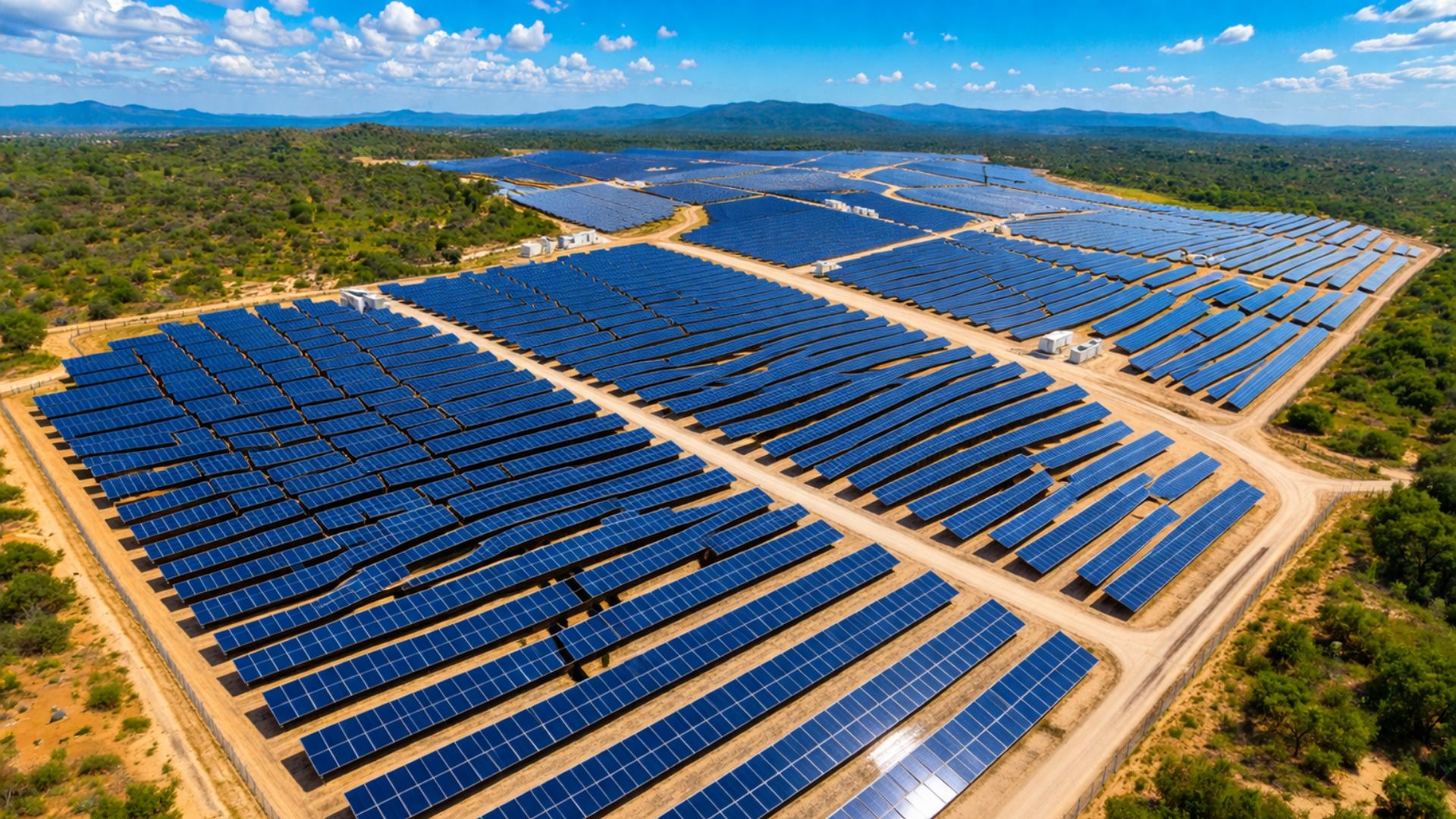
The Sol do Agreste Photovoltaic Complex begins operations in Pernambuco and accelerates the expansion of solar energy in Brazil, directly impacting the reduction of emissions and strengthening the sustainable energy matrix.
-
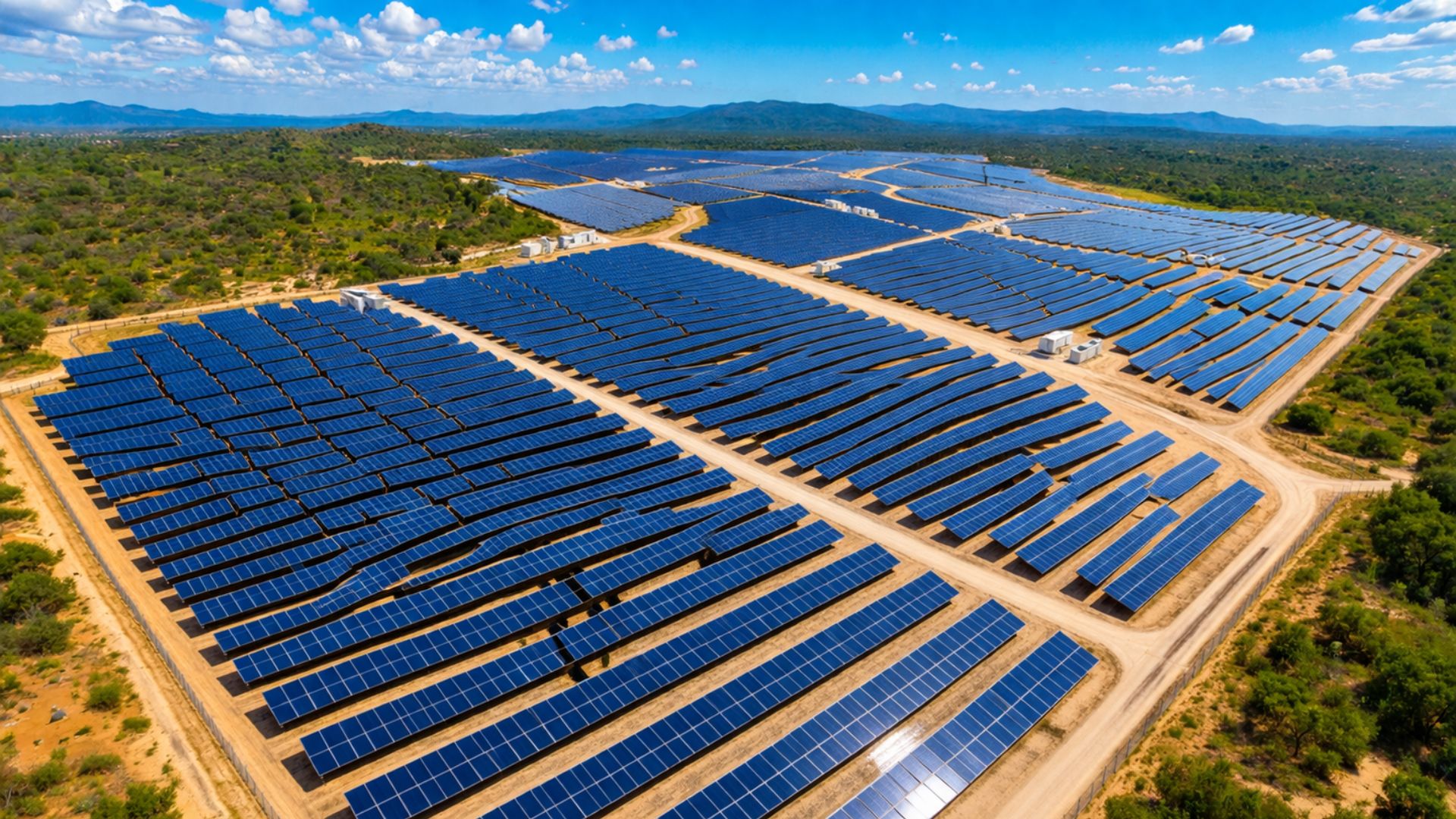
The Sol do Agreste Photovoltaic Complex begins operations in Pernambuco and accelerates the expansion of solar energy in Brazil, directly impacting the reduction of emissions and strengthening the sustainable energy matrix.
-
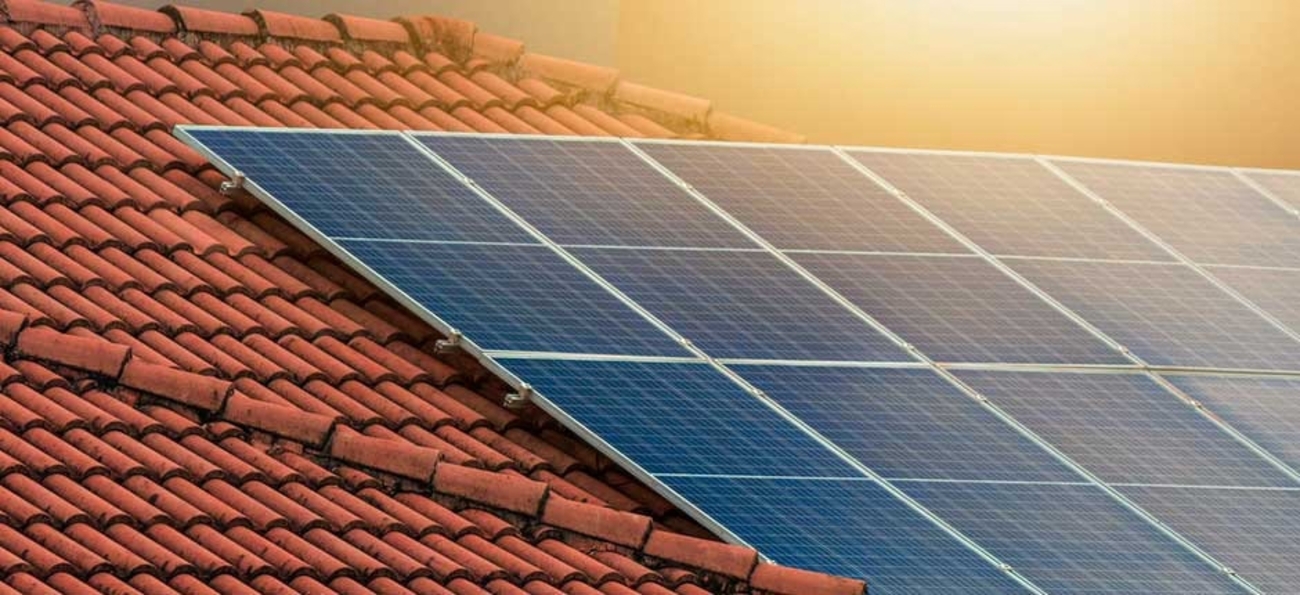
Roraima bets on the sun to escape high tariffs: Amid the energy crisis and price hikes, solar energy is growing in Roraima and transforming consumption in the North region.
-
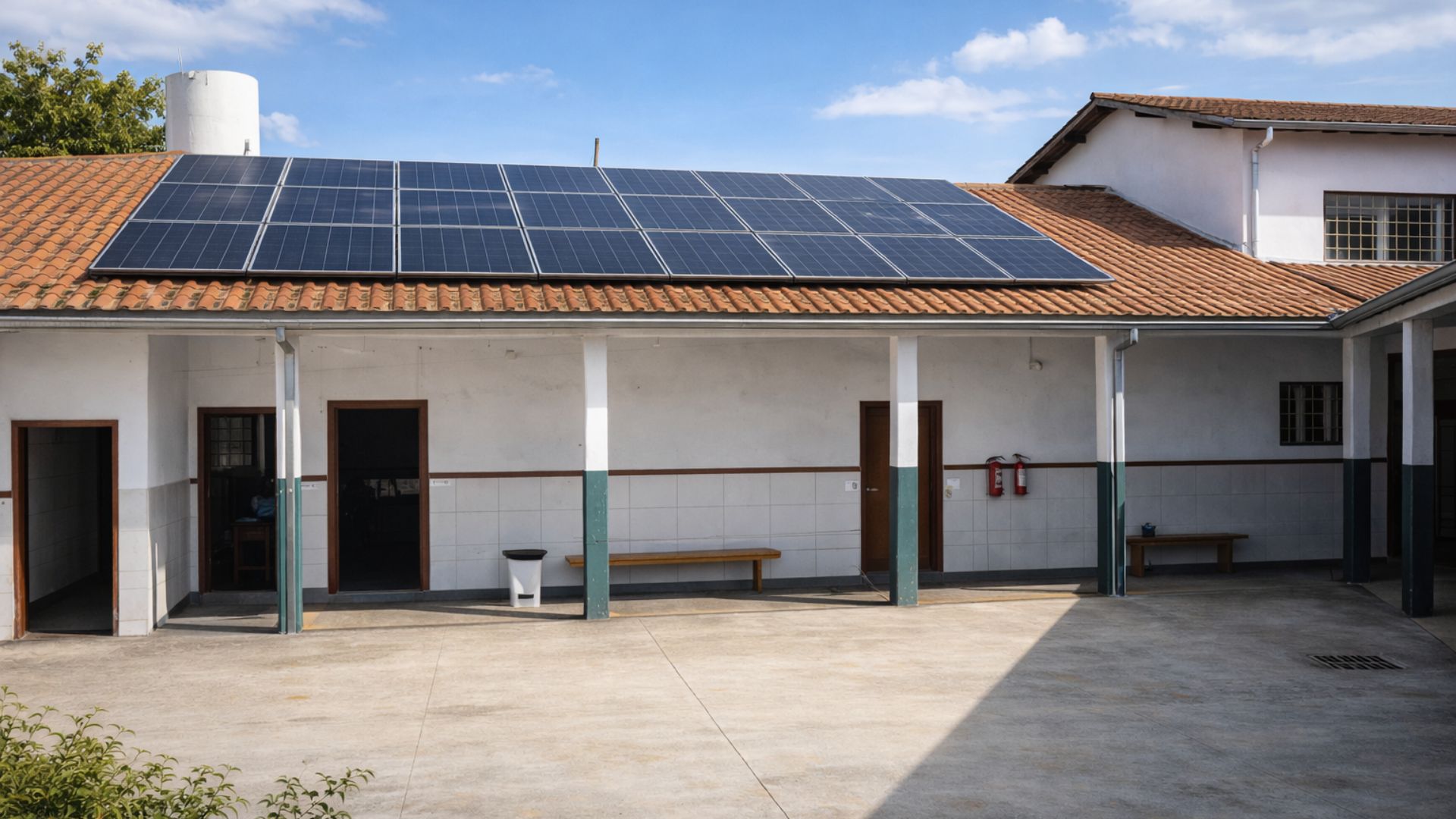
Copel boosts solar energy in Paraná and brings innovation to public schools, promoting savings on electricity bills, energy efficiency, and a direct impact on the quality of education.

The ambition is to generate between 10.5 GW and 11.5 GW of solar and wind energy in Morocco. This will be coupled with a large-scale battery storage facility, with a capacity between 20 GWh and 22.5 GWh. From this capacity, 3.6 GW of firm energy will be transmitted to the UK via four HVDC submarine cables. The required area in Morocco is approximately 1,500 km², larger than the city of London.
The strategic objectives are clear. For the UK, the aim is to enhance energy security and advance decarbonization. The project could provide energy for over 7 million homes, equivalent to 8% of the country’s electricity needs. For Morocco, Xlinks represents an opportunity to attract investment, create over 10,000 jobs, and become a global hub for green energy.
The Technical Architecture of the Xlinks Project: From the Sahara Sun to the British Grid
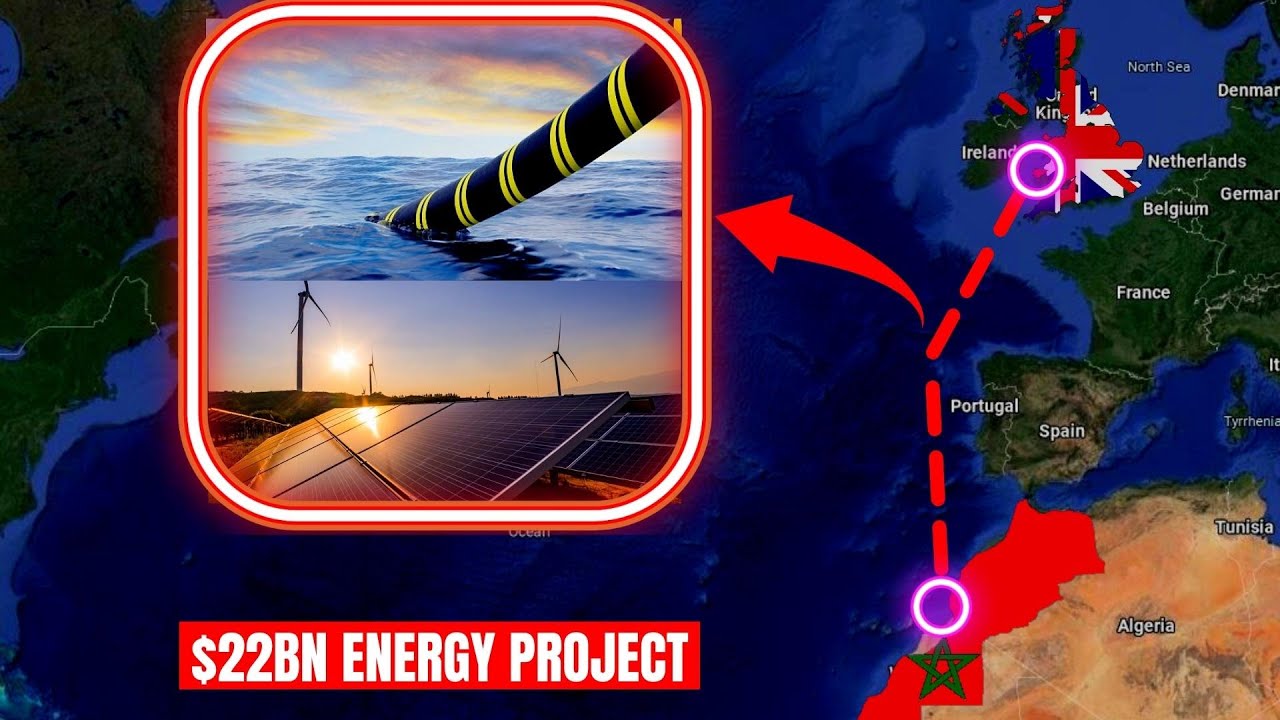
The heart of Xlinks’ energy generation will be in the Guelmim-Oued Noun region of Morocco. Xlinks has secured a 50-year lease for an area of 1,500 km². The technology will include large-scale photovoltaic (PV) solar panels and wind turbines. The panels will have solar tracking systems, and the wind generation will benefit from the region’s consistent winds.
A crucial component is the battery energy storage system (BESS) of 20-22.5 GWh. This system is essential to provide firm energy for 19 to over 20 hours daily. Transmission to the UK will be achieved through four HVDC submarine cables, each approximately 3,800 to 4,000 km long. These will be the longest underwater power interconnectors in the world.
In the UK, the cables will arrive in North Devon. From there, 14 km of underground cables will deliver the energy to two converter stations. These stations will convert the energy from HVDC to HVAC (alternating current), for integration into the national grid.
The Financial Challenges of a Pharaohic Project: Costs, Investors, and the Decisive Contract
The cost of the Xlinks project has been rising. Initial estimates of £18 billion have been revised to a range of £22-£24 billion (US$ 27-30 billion) in 2024. This increase is attributed to supply chain pressures and rising interest rates.
The planned investment structure is 30% equity and 70% debt. Xlinks has already raised over £50 million for the development phases. Key equity investors include founder Simon Morrish, Octopus Energy (UK), TAQA (Abu Dhabi), TotalEnergies (France), GE Vernova (USA), and Africa Finance Corporation (AFC).
The economic viability of the project depends on a Contract for Difference (CfD) with the UK government. The CfD guarantees a fixed price for electricity, protecting investors from market volatility. Negotiations for this contract are ongoing and are crucial for the project’s future.
Current Status (2025) and the Future of Xlinks: Between Ambition and Reality
By mid-2025, the Xlinks project is in an advanced phase of development but at a critical moment. The pause in the licensing process in the UK is awaiting the decision on the CfD. The company denies rumors that it is seeking alternatives, such as a connection with Germany, and reaffirms its commitment to the project in the UK.
The revised timeline points to an operational start by 2031. The Final Investment Decision (FID) is aimed for 2025, with construction beginning before the end of 2026. The cable manufacturing plant of subsidiary XLCC, located in Scotland, is scheduled to produce by 2026.
Xlinks is a case study for mega green energy projects. Its success or failure will offer crucial lessons on technology, financing, and international cooperation. If the challenges are overcome, the project has the potential to be revolutionary, establishing a new paradigm for energy security and international cooperation. However, its future path remains precarious.









-

-

2 pessoas reagiram a isso.