





 Portuguese
  English
  Spanish
  3 min of reading
  0 comments


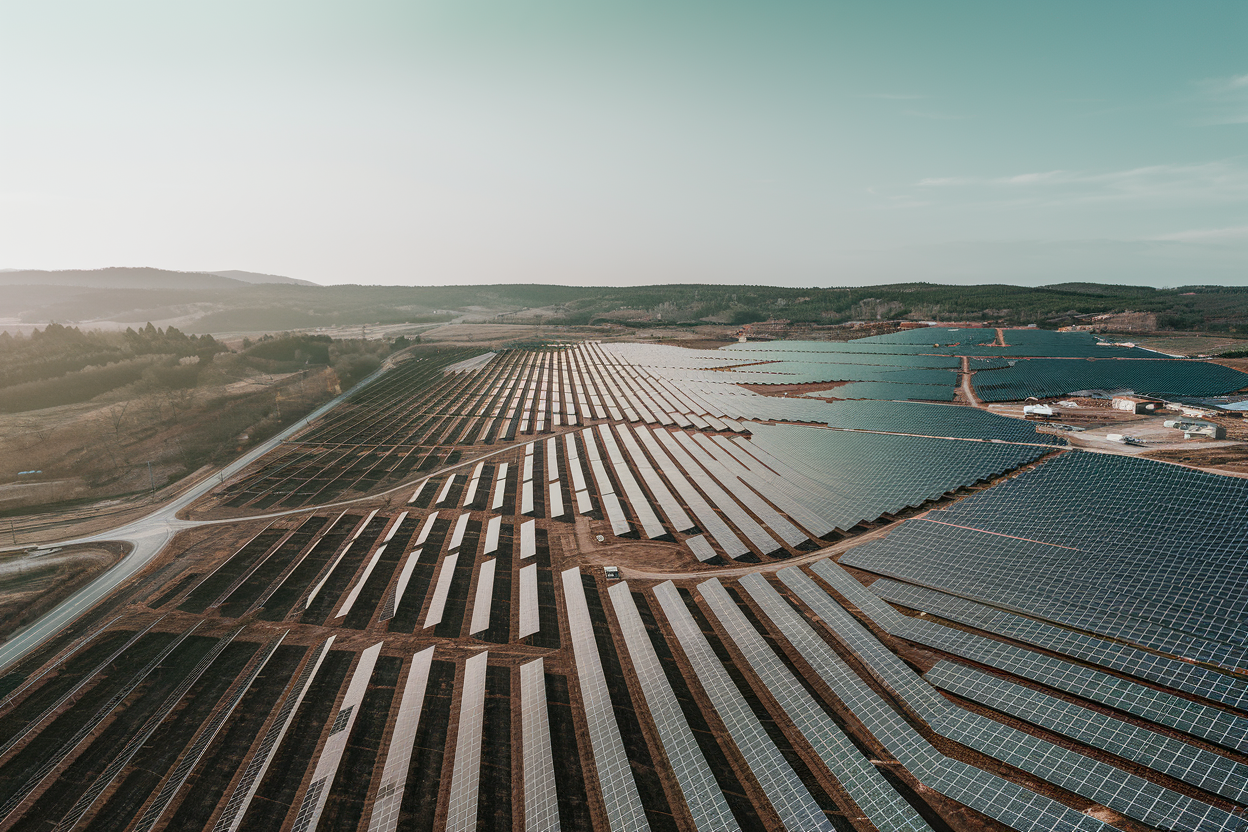
Learn How 5 Million Solar Panels Are Revolutionizing Solar Energy in the Philippines. With a Budget of $3.3 Billion, This Project Will Generate Over 5 Billion kWh Per Year
5 million solar panels were installed at once. No expert predicted what happened. Renewable energy gained momentum in recent years due to the human need to choose less polluting energy sources, and within this group, solar energy has a leading role. Both companies and government entities are betting on the installation of large photovoltaic solar energy systems.
As the name suggests, solar energy is obtained from the sun. It is an inexhaustible source and allows for the generation of three types of energy: photovoltaic, thermal, and thermoelectric. Solar panels are the most commonly used devices to harness this energy, taking on the responsibility of capturing radiation and converting it into electricity through a photovoltaic cell system so that a phenomenon called the photovoltaic effect occurs.

This phenomenon occurs when light comes into contact with the electrons located in the silicon of the cells and generates electric current. All panels must be connected to an inverter, which converts direct current to alternating current so that it can be used in homes and businesses or fed into the electric grid. In this context, the largest solar energy project in the world emerges in the least expected place.
-
Florianópolis will receive a million-dollar BRT that will begin construction in 2026 with nearly 400 million in funding from the federal government and the Inter-American Development Bank, and the map already shows the routes for the exclusive bus corridors.

-
Without a blueprint, without an engineer, and using scrap from the dump, a father spends 15 years building an 18-room castle for his daughter, featuring tram tracks, 13 fireplaces, and over 700 m², which may now be demolished.

-
A megaproject worth R$ 89 billion is advancing in Iraq and promises to change the game in global trade by creating a new corridor between Asia and Europe, reducing traditional routes and repositioning the country as a logistics powerhouse.

-
Goodbye bedside table: floating shelves become a trend in 2026 by freeing up space in the bedroom, improving circulation, bringing visual lightness, and integrating technology without taking up floor space.


5 Million Solar Panels: The Most Ambitious Solar Energy Project
This ambitious solar energy project is being carried out in the Philippines by the company Solar Philippines New Energy Corporation (SPNEC). At the beginning of the year, site preparation work began, with the first phase expected to be completed by 2026.
The goal is to surpass China and India. SPNEC initiated work to develop what they consider “the largest solar project in the world,” an imposing solar energy installation that will exceed five million panels.
The news is highly attention-grabbing for the sector, which is why it has made headlines in international media, such as CNN. If all goes as planned, the first phase of the project should be completed in 2026. This project has been named Terra Solar by the Filipino company SPNEC.

The Impressive Energy Capacity in the Philippines
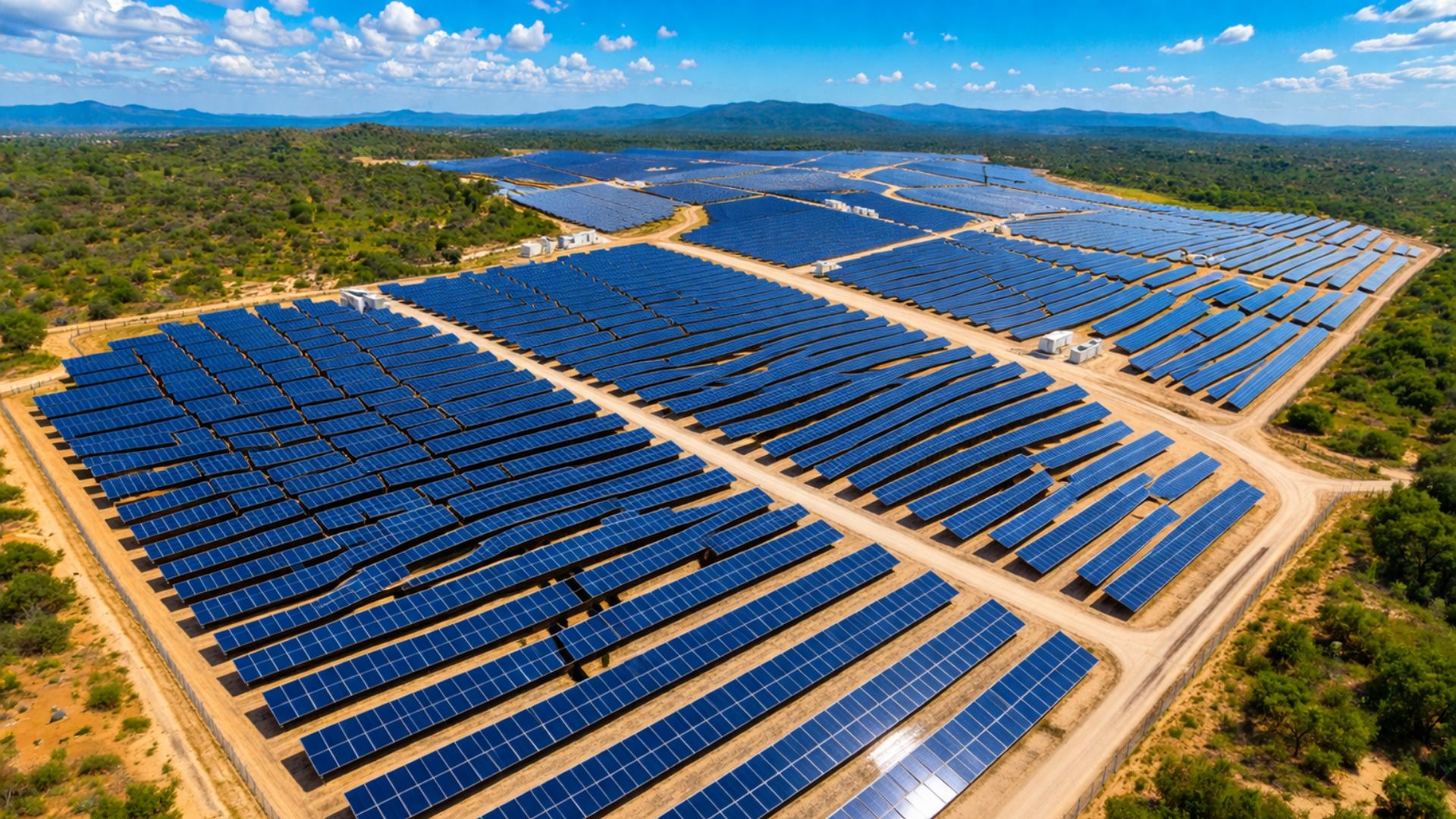
With this extensive solar installation, the aim is to cover a significant portion of the country’s energy demand. It will be a solar installation larger than the Bhadla Park in India or Golmud, in China. Currently, these are the largest structures in the world with these characteristics, boasting over 2.2 GW. In addition to incorporating solar panels, the company will work towards including interconnection to the national grid.
The expectation is that the installation will be large and powerful. In terms of capacity, Terra Solar was designed to yield between 3,400 and 3,500 MW of solar panels and 4,000 MWh of battery storage, with an investment of at least 200 billion Philippine pesos, equivalent to 3.3 billion euros. A production of over 5 billion kilowatt-hours per year is anticipated.
An installation with such capacity will play a crucial role on the energy map of the Philippines. Philstar warns that if it delivers as promised, it will represent about 5% of the total volume of the Philippine grid and 12% of demand. In addition to surpassing the impressive installations in India and China, Terra Solar will exceed the capacity of any grid-connected project in the Philippines.









-

-

8 pessoas reagiram a isso.