





 Portuguese
  English
  Spanish
  7 min of reading
  59 comments


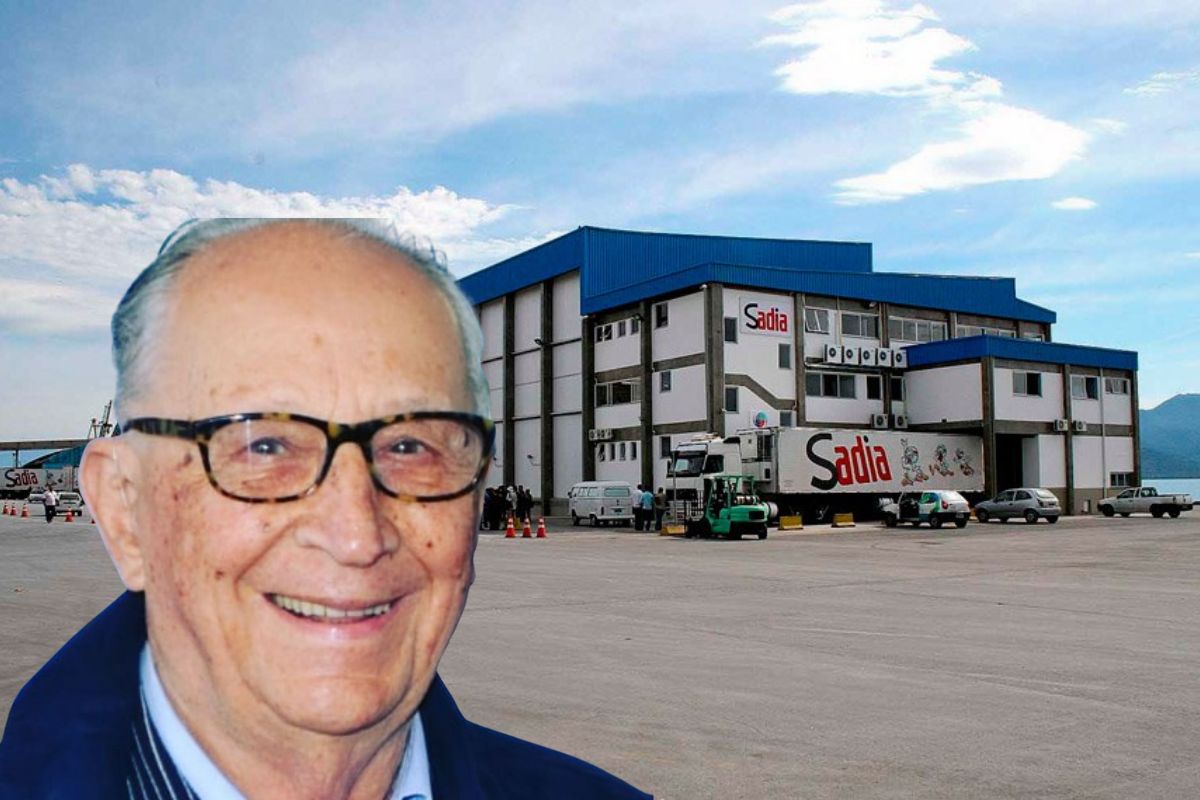


The Complete History of the Company Founded by Attilio Fontana, Marked by Pioneering, Innovations, Family Disputes, and a Crisis That Led to the Merger with Perdigão.
The history of Sadia is one of the most fascinating in Brazil. The visionary Attilio Fontana transformed a small family business into a global food empire. Innovations such as the air transport of products drove initial growth. The pioneering export of meats to the Middle East consolidated its leadership.
However, behind the success, there were intense family disputes. Risky financial decisions also put the legacy at risk. The global financial crisis of 2008 revealed a billion-dollar hole in the company. This forced Sadia to seek salvation precisely from its biggest rival, Perdigão.
The Visionary Attilio Fontana: From the Field to the Industrial Dream
Attilio Fontana was born in 1900, in Santa Maria (RS). He was the son of Italian immigrants and grew up working on the family farm. From an early age, he showed a talent for business, successfully selling cookies at fairs. He learned that a profit of 20% was reasonable. Initially, he worked as a farmer, planting and selling alfalfa with his brother Domingos. After the death of his father and brother, Attilio sought new paths.
-
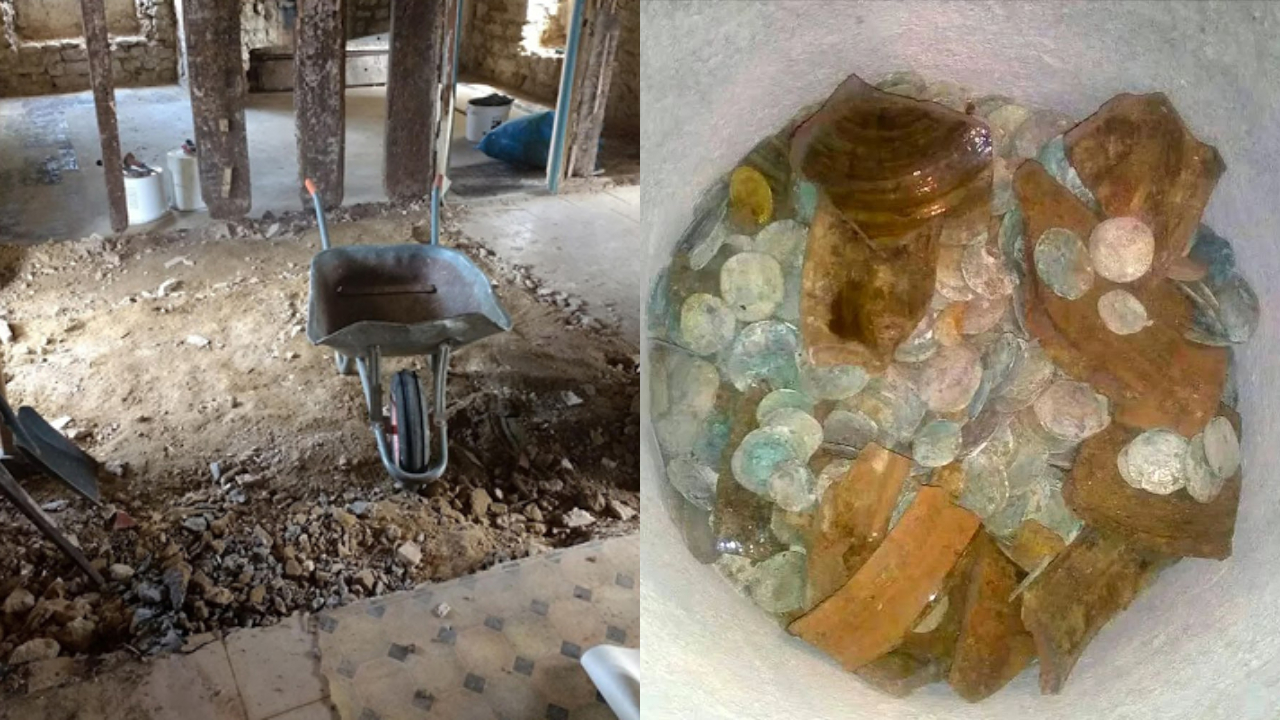
A couple buys an old chalet, breaks the kitchen floor for renovation, and finds over a thousand coins of gold and silver hidden since the English Civil War over 4 centuries ago.
-
Rigid bags with their days numbered: new trend prioritizes comfort in 2026.
-
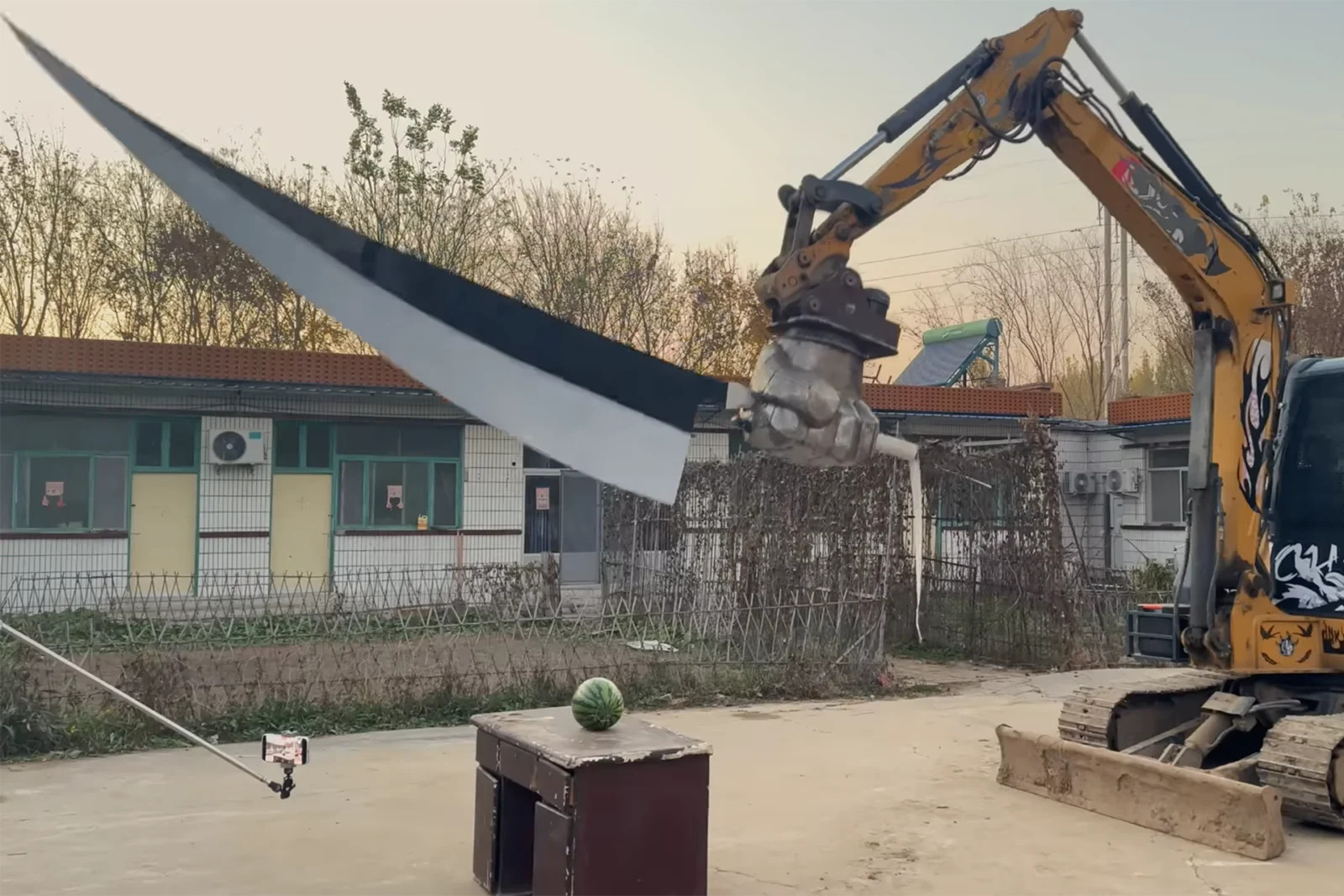
YouTuber creates an excavator equipped with a giant 4.5-meter sword to challenge his brother to a rematch, and the invention quickly goes viral on social media.
-
The U.S. Army surprises the world by presenting the UH-60MX Black Hawk helicopter capable of flying without pilots, controlled by a tablet, featuring the MATRIX system, smart sensors, and full autonomy in real combat and rescue missions.


He moved to western Santa Catarina, a region then turbulent, but where he saw opportunities. He realized the potential of the fertile lands and the arrival of the train for trade. He started working for a local merchant, became a partner, and prospered in the alfalfa business. Concurrently, he began buying and selling pigs, which would change his life. In 1927, he formed an 18-year verbal partnership with the Mank brothers, expanding the pig business. In 1939, he decided he wanted to be a banker or industrialist, seeking new horizons.
The Birth of Sadia: The Opportunity in Concórdia and Overcoming Challenges

In 1942, at the invitation of the mayor of Concórdia (SC), Attilio Fontana visited a local slaughterhouse and mill that were struggling. Seeing potential, he sent his son Walter Fontana to successfully restructure the mill. In 1943, Attilio bought most of the shares of the mill and also acquired the slaughterhouse. He renamed the slaughterhouse as Sociedade Anônima Indústria e Comércio Concordia.
During World War II, he managed to buy equipment for the mill from Switzerland, increasing production. The slaughterhouse faced more challenges in obtaining machinery, but Attilio bought equipment from a defunct refrigerator in Guaporé (RS). The machines went into operation in November 1944.
Problems such as the lack of ownership of the property initially caused product losses. Nonetheless, within six months, the slaughterhouse was slaughtering 200 pigs a day. Attilio then created the brand name: he combined the initials SA Indústria e Comércio with the last syllable of Concórdia, forming SADIA. By the late 1940s, his nephew Victor Fontana, a chemical engineer, brought crucial improvements in hygiene and preservation.
Sadia also invested in a partnership system (“fomento”) to share knowledge with its suppliers. An experiment by Victor in 1949, which produced pigs weighing 114 kg in 8 months (against the previous 3 years), revolutionized pig farming in Brazil when publicized in the region.
Innovation and National Expansion
In the late 1940s and early 1950s, Sadia expanded to other states, opening a branch in São Paulo. The goal was to conquer the São Paulo and Rio de Janeiro markets. However, the long road trip from Concórdia compromised the validity of the products. Omar Fontana, Attilio’s son, had the idea of renting a plane to transport goods in 1952. Although it seemed like an extravagance, air logistics made financial sense.
Demand grew, and Sadia bought one plane and leased two others to obtain subsidies on fuel. Attilio Fontana, who was also a politician (councilor, mayor, deputy, senator, vice-governor), used his influence. He obtained the Aeronautics license for the company in 1955, creating Sadia Air Transport. In 1973, the airline became Transbrasil. Air transport was vital for the start of Sadia.
In 1953, Sadia opened a headquarters in São Paulo and purchased the Moinho da Lapa. In the 1960s, it accelerated growth, opening branches and entering the promising poultry business. Even without initial experience, chicken became a success and a trademark of the company. In 1964, it opened Frigobras, entering the semi-finished and frozen food sector. A Board of Directors was created with members from the Fontana and Furlan families.
The company started a strong marketing effort. By 1967, they were selling throughout Brazil, with warehouses and offices in various cities. Sadia continued to buy and build mills and slaughterhouses across the country. In 1971, it became a publicly traded company. It launched iconic products such as smoked chicken (with the mascot) in 1972 and seasoned turkey in 1974, leading the market. In 1975, it began the pioneering export of frozen chicken to the Middle East.
Family Conflicts and Divided Management
Despite the expansion, relations at the top of Sadia were not good. There was tension between the new generation in management, such as Victor Fontana and Osório Furlan (Attilio’s son-in-law). Reports indicate that the relationship was difficult, reaching physical confrontations. Attilio Fontana, although focused on politics, maintained a centralizing profile and had the final word on important decisions.
This feud between the Furlan and Fontana clans would last for years. In 1983, Walter Fontana Filho accused Osório Furlan of irregularities in the purchase of shares, resulting in Osório’s departure. Despite the heightened tensions, new businesses emerged, such as the broker Concórdia.
YOU MIGHT LIKE: What Happened to WEG? From a Small Workshop in Santa Catarina to Global Leadership in Electro-electronic Equipment
In 1989, Attilio Fontana passed away. A shareholders’ agreement was made to keep the heirs united, but in practice, it created problems. The shares could only be sold among descendants, but no one had the individual means to buy each other’s share. This kept many heirs in the company without a clear role, worsening the climate. Management began to have divergent views: some advocated for professionalization and aggressive expansion, while others wanted to preserve traditional values.
In 1994, the third generation took over: Luiz Fernando Furlan on the Board and Walter Fontana Filho as CEO. However, the two leaders rarely communicated between 1994 and 2003, causing confusion and a lack of cohesion. Even so, revenue grew from R$ 3.3 billion (1993) to R$ 9.8 billion (14 years later). During this period, the competitor Perdigão, acquired by pension funds in 1994, began its recovery and gained market space.
The Black September: Derivatives, Crisis, and the Merger with the Rival
Family conflicts worsened. In 2003, a meeting with 40 young heirs revealed the distancing between the families and limited knowledge about management. A Family Office was created to prepare the fourth generation, but it had little effect. In the same year, Luiz Fernando Furlan left to become a minister and appointed his father, Osório Furlan (removed in 1983), back to the board, creating more friction.
Meanwhile, Sadia invested in sophisticated and risky financial operations, contrary to the precepts of Attilio Fontana. An alarming fact: between 2002 and 2007, Perdigão’s sales grew 73% more than Sadia’s.
In 2006, under the management of Walter Fontana Filho, Sadia attempted to acquire Perdigão through a hostile takeover, which failed and tarnished the company’s image, even with a case of information leakage. Sadia’s finances were excessively dependent on financial operations (43% of profit, compared to 10% industry average). The treasury conducted operations with derivatives betting on the fall of the dollar.
With the global financial crisis of 2008, the dollar skyrocketed. In September 2008, massive losses with derivatives were revealed (estimated at US$ 720 million). The company’s cash plummeted. The crisis exposed serious governance failures and led to more internal disputes over responsibility for risky operations. In March 2009, the 2008 balance sheet showed a loss of nearly R$ 2.5 billion. Walter Fontana Filho was removed.
Merger with the Rival


With the company facing bankruptcy, Luiz Fernando Furlan led the negotiations. The only viable option was a merger with Perdigão. After months of negotiation and with government support, the merger was finalized on May 19, 2009. Brazil Foods (BRF) emerged, a giant in the sector. However, the deal was unfavorable for Sadia’s controllers.
They ended up with only 32% of the new company (with 12% for the Fontana and Furlan families). Perdigão held 68%, and its executive, José Antônio Fay, took over as president of BRF. The Fontana and Furlan clan lost control of the company that Attilio Fontana founded.
The Legacy of the Sadia Brand and the Lessons from History
For some family members, the merger represented a betrayal of Attilio Fontana’s legacy. For others, it was the only way to preserve some value. Sadia’s CNPJ was canceled on December 31, 2012, after 68 years of existence. However, the Sadia brand survived and remains extremely strong and valuable in the Brazilian market, managed by BRF.
The history of Sadia demonstrates the need to balance family legacy with modern corporate challenges. The lack of structured governance and effective mechanisms for resolving internal conflicts proved fatal for the company as an independent entity. A great story of Brazilian pioneering spirit leaves us with valuable lessons.









Fui funcionário da SADIA por 17 anos, agradeço a esta empresa por tufo que hoje tenho, foi conquistado trabalhando na empresa SADIA, comecei como ajudante de armazém, fui conferente e promotor de vendas, sei muito bem de como era forte o nome da empresa SADIA no mercado. Sou capixaba e trabalhei na sadia aqui no município de Serra ES. Obrigado sadia por tudo.
O avô andou de bicicleta, o pai andou de Mercedes, os filhos voltaram andar de bicicleta.
Conhecia um pouco dessa história,pois trabalhei nessa empresa na fábrica situada em duque de caxias RJ,de 1996 a 2016…