





 English
  Francês
  Alemão
  Italiano
  Japonês
  Norueguês
  Portuguese
  Spanish
  7 min of reading
  1 comment





Discover The Requirements, Salaries And First Steps To Work Offshore In The Oil, Gas And Energy Sectors In 2025.
Entering an offshore career may seem challenging, but with planning and qualification, it is possible to secure a position in this booming sector. In 2025, offshore positions remain in high demand, especially in the oil, natural gas, and energy fields. This guide gathers the main requirements for offshore work, average salaries, and the first steps for those looking to enter this market.
Which Sectors Offer Offshore Positions?
The majority of opportunities are concentrated in oil platforms, support vessels, and offshore units dedicated to gas exploration and production. Companies such as Petrobras, Modec, Ocyan, SBM Offshore, and Subsea 7 are among those that maintain ongoing selection processes for various offshore jobs.
Offshore jobs are known for offering above-average remuneration, but they require technical preparation, mandatory courses, and good physical condition.
-
Brazilian giant expands borders in the Southeast: Petrobras confirms new oil discovery in ultra-deep waters in the pre-salt of the Campos Basin.

-
Alert in the global energy market: Severe tropical cyclone hits the coast and disrupts gas production at major plants in Australia, threatening global supply.

-
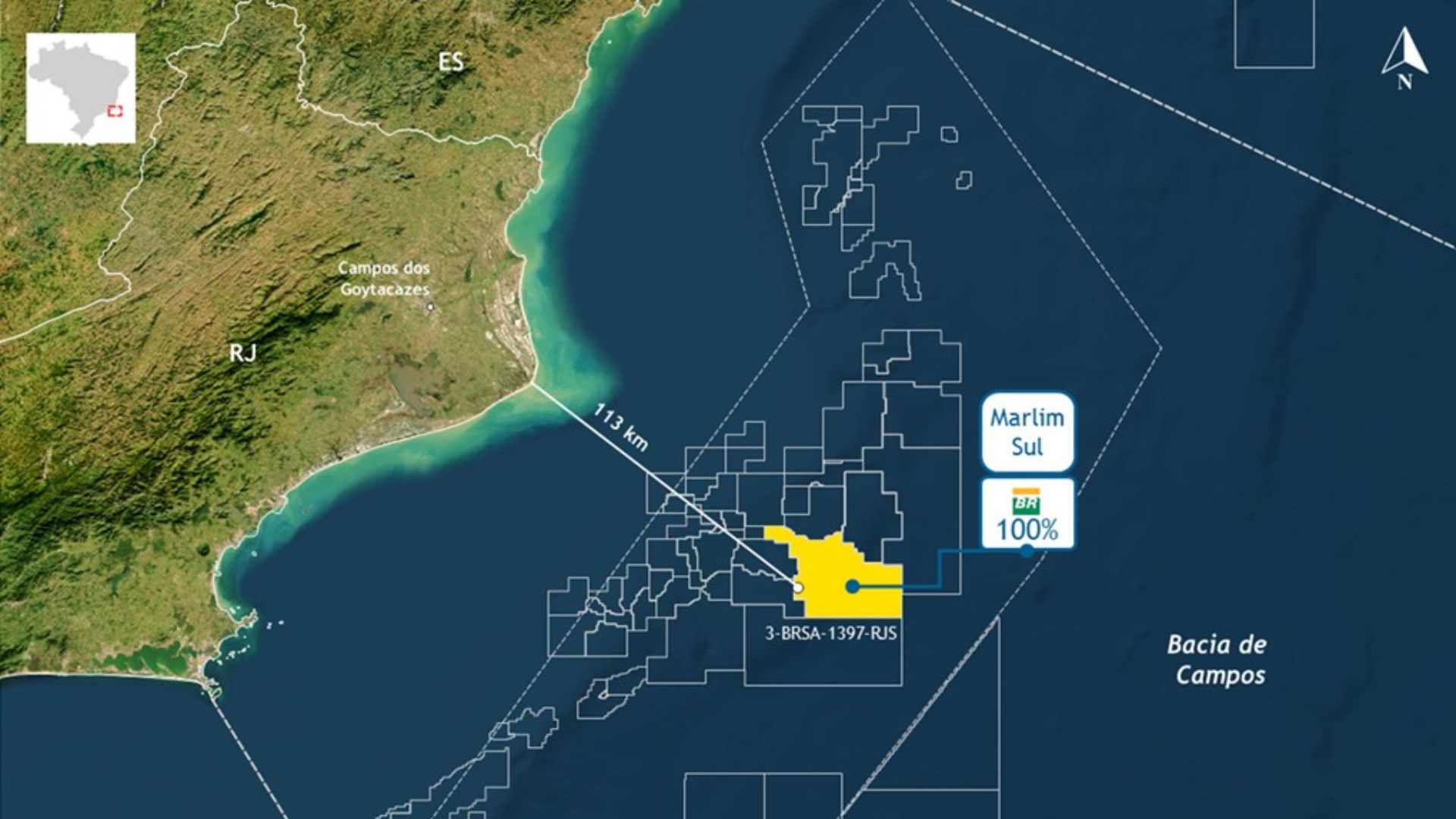
Petrobras finds high-quality oil in the pre-salt at 113 km from RJ and reignites expectations about strategic reserves in the Campos Basin.

-
Ocyan opens registrations for startups focused on innovation in the oil and gas sector and will select projects for Innovation Day with the support of Nexio.




Main Requirements For Working Offshore
Those who wish to work offshore in 2025 must meet a series of requirements, which vary according to the position. In general, the basic requirements include:
- Minimum Age: 18 years
- Education: elementary to higher education (depending on the position)
- Mandatory Courses: survival training course (CBSP) and HUET
- Medical APT: health examination for offshore activities
- Previous Experience: may be required for technical and operational positions
- Availability for Shifts: offshore shift schedules vary from 14×14 to 21×21 days
Additionally, it is common for professionals to undergo safety training and first aid courses before being cleared for their first offshore assignment.
Survival Course: Mandatory For Those Who Want To Work Offshore
One of the first steps for those looking to enter this sector is to invest in the survival course (CBSP). Required by the Brazilian Navy, it teaches survival skills at sea, firefighting, and evacuation in emergencies.
- Duration: 5 business days
- Average Price in 2025: between R$ 1,200 and R$ 2,000
- Validity: 5 years
- Where To Take: institutions accredited by the Navy, such as CIAGA, LabOceano, among others.
The HUET (Helicopter Underwater Escape Training) course, mandatory for professionals who travel by helicopter, is also frequently required.
How Much Does Someone Working Offshore Earn?
According to data from Glassdoor updated in April 2025, salaries for offshore professionals vary greatly depending on the role and experience. Below is a table with average estimates:
| Position | Average Salary (Monthly) | Required Education Level | Notes |
|---|---|---|---|
| Offshore General Helper | R$ 3,200 | Elementary Education | Ideal for beginners |
| Offshore Mechanical Technician | R$ 7,800 | Completed Technical Course | Technical course + practical experience |
| Offshore Production Operator | R$ 9,000 | Completed Technical Course | Highly sought after on oil platforms |
| Industrial Painter Offshore | R$ 4,500 | High School + Qualification | Frequent vacancies with NR35 course required |
| Production Engineer | R$ 15,000 | Completed Higher Education | Competitive vacancies, require solid experience |
| Offshore Cook | R$ 5,000 | High School + Technical Course | Intense shifts, but high turnover |
These values may vary depending on the size of the company, location of the offshore unit, and shift system.
How To Get The First Opportunity?
For those starting from scratch, the most common path is to seek positions as general helper, service assistant, or industrial painter, functions that require less experience. Some important strategies are:
- Complete the required courses in advance (CBSP, HUET, NR33, NR35)
- Register a resume on websites such as Gupy, Vagas.com, Abase, Gente e Gestão
- Stay alert to the social media of hiring companies (LinkedIn, Instagram)
- Participate in specialized groups for offshore jobs
- Seek support from maritime recruitment agencies
Many companies value candidates who demonstrate prior knowledge of safety standards and behavior on board.
FAQ – Frequently Asked Questions By Those Who Want To Work Offshore
Do You Need Experience To Work Offshore?
Not always. Some operational positions accept beginners as long as they have the mandatory courses and good physical conditioning.
Is It Possible To Work Offshore With Elementary Education?
Yes. There are positions such as helper, kitchen assistant, and cleaning that require only basic education.
Is It Safe To Work Offshore?
The sector follows strict safety and health standards. Constant training is part of the routine.
Can Women Work Offshore?
Yes, more and more companies have increased the female presence on platforms and vessels.
Is It Worth Working Offshore?
It depends on the profile. For those seeking high salaries, stability, and who do not mind being away from home for long periods, it can be a great option.
Languages Needed To Work Offshore
Although many operational positions only require Portuguese, knowledge of English has become increasingly valued—especially on international vessels or platforms operated by multinational companies.
When Is English Required?
- On foreign ships or vessels operated under international flags
- In companies headquartered outside Brazil, such as SBM Offshore, TechnipFMC, or Subsea 7
- For leadership, engineering, and logistics technical positions
- For radio communication with aircraft or other units abroad
Most Requested Languages
- Technical and Operational English (reading manuals, commands, and reports)
- Spanish, in some contracts involving partnerships with Latin American countries
Tip: Platforms like Duolingo, BBC Learning English, or specific technical English courses for offshore can accelerate your preparation.
Companies That Hire The Most For Offshore Work In 2025
Various companies continue to have open selection processes for offshore professionals, both in operational and technical positions. Knowing these companies and following their official channels is essential. Here are the companies with the highest volume of hires in the offshore sector:
- Petrobras – Main Brazilian state-owned company, focusing on pre-salt
- Modec – Works with FPSOs (floating production storage and offloading vessels) and hires for various functions
- SBM Offshore – Dutch multinational based in Brazil
- Ocyan – Strong presence in the Campos Basin and pre-salt
- Subsea 7 – Hires technicians, engineers, and professional divers
- Seadrill – Specializes in drilling and subsea engineering
- GranEnergia – Management of offshore units focused on logistics
Where To Monitor Job Openings:
- Recruitment websites such as Gupy, Vagas.com, and Abase
- Official companies’ LinkedIn pages
- Specific platforms like “Gente e Gestão RH Offshore” and “TAM Offshore”
Advantages And Disadvantages Of Working Offshore
The offshore routine has its ups and downs, and it is important to be aware of all aspects before applying for an offshore position.
✅ Advantages
- Above-average salaries
- Food, accommodation, and transportation included
- Schedules that allow for long breaks (e.g., 14 days on board x 14 days at home)
- Opportunity for rapid career growth
- Experience valued in both national and international markets
❌ Disadvantages
- Distance from family for long periods
- Work in confined and isolated environments
- Exposure to adverse weather conditions
- Requirement to undergo frequent medical exams
- High physical and psychological demands
Being aware of these points helps make a more secure decision about whether to pursue this journey.
Offshore Positions With The Highest Salaries In 2025
Salaries on offshore platforms vary greatly, but some positions stand out for offering very attractive remuneration—especially those involving technical responsibility, leadership, or international specialization. The highest paid offshore positions (based on Glassdoor, April 2025):
- Offshore Installation Engineer – R$ 18,000 to R$ 22,000
- Production Supervisor – R$ 15,000 to R$ 19,000
- Reservoir Geologist – R$ 14,000 to R$ 17,000
- Instrumentation and Automation Technician – R$ 10,000 to R$ 13,000
- Panel Operator – R$ 11,000 to R$ 14,000
- Offshore Occupational Physician – R$ 12,000 to R$ 16,000
- Safety Coordinator (SMS) – R$ 13,000 to R$ 15,000
These positions generally require higher education, fluent English, previous offshore experience, and additional certifications such as NR10, NR13, and NR33.
Working Offshore vs. Working Onshore: Understand The Differences
One of the most common questions for those considering a career in the oil and energy sector is about the differences between working offshore and working onshore. While both models are within the same sector, they offer distinct professional experiences—in terms of routine, remuneration, requirements, and lifestyle.
The primary difference lies in the work environment. While onshore professionals operate in offices, refineries, operational centers, or logistics terminals, offshore workers live on maritime platforms, ships, or floating units (such as FPSOs). This means an isolated routine, at sea, with transportation by helicopter or boat, and stays on site for weeks.
Another point is the shift system. In offshore work, the most common schedule is the 14×14 or 21×21 system—i.e., the professional spends 14 or 21 days offshore and then has the same period off. In contrast, onshore work typically follows the traditional schedule: 8 hours a day, 5 days a week, with weekends off.
Other Differences In The Sector: Salary, Benefits, And Routine
Regarding salary, offshore positions usually offer higher remuneration, precisely due to adverse conditions and extra demands (such as mandatory courses, rigorous medical exams, and isolation). Additionally, most companies provide food, housing, laundry, and even internet plans for offshore workers, which significantly reduces personal expenses.
On the other hand, onshore work is more suitable for those seeking a stable routine, proximity to family, and less physical strain. There is also a lower risk of accidents, as the environment is more controlled.
Summarizing
| Aspect | Offshore | Onshore |
|---|---|---|
| Environment | Platform at sea | Office or land facility |
| Work Shift | 14×14, 21×21 or similar | Monday to Friday, 8h/day |
| Salary | Higher | Stable, but lower |
| Comfort and Personal Routine | Limited | Greater freedom |
| Contact with Family | Limited | Daily |
The choice between working offshore or onshore largely depends on professional and personal profiles. Those who enjoy challenges, want to accelerate earnings, and are willing to spend time away from home can adapt well to the offshore routine. In contrast, those who prioritize stability and an active personal life may prefer onshore options—which also offer good opportunities, especially in administrative, engineering, and maintenance areas.
Source: A Gazeta and Glassdoor
Did you like this guide? Share it with someone who also wants to embark on this career!









Muito bom, achei muito interessante e tirou todas as minhas dúvidas.