





 Português
  Inglês
  Espanhol
  3 min de leitura
  0 comentários


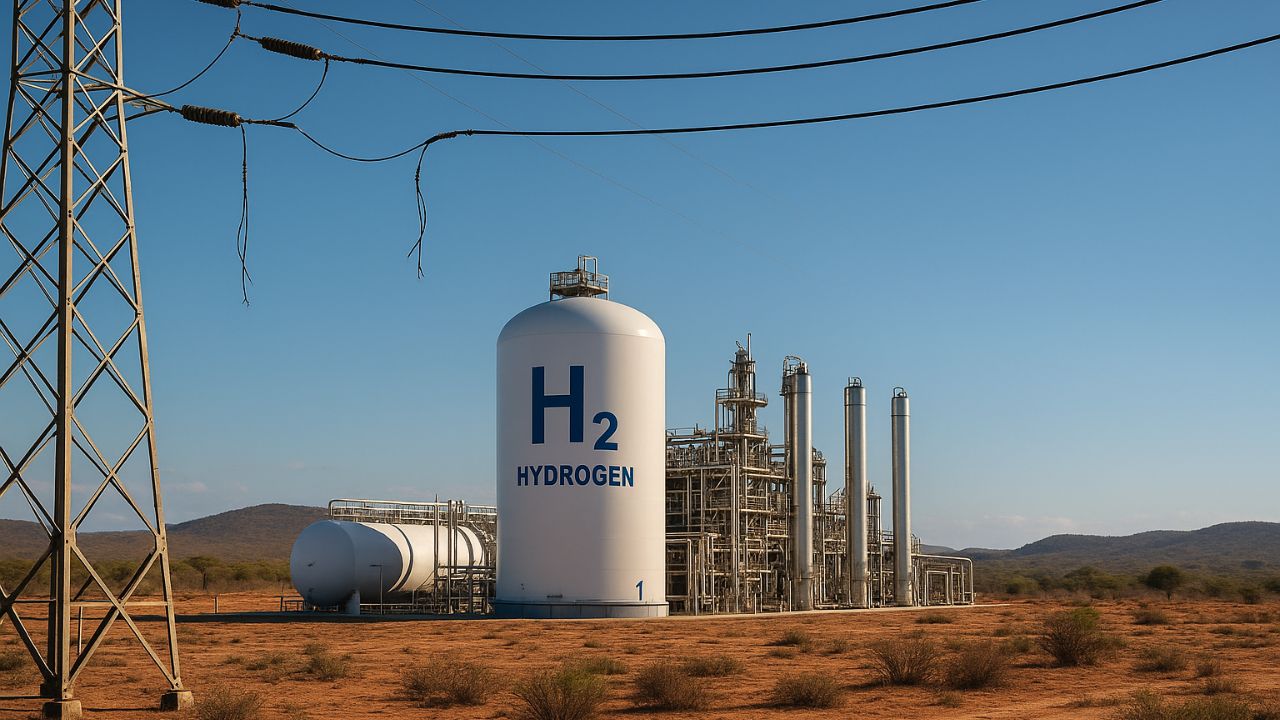
Insufficient Electric Grid Limits Connection of New Ventures and Drives Away Investors
Despite being a world leader in renewable sources, Brazil has faced a silent obstacle: the inability of the electric grid to meet the demand for green hydrogen projects. According to Eixos, investments are being stalled due to a lack of transmission infrastructure, which also threatens the expansion of data centers in the country.
Green Hydrogen Depends on Improvements in the Electric System
Companies like Solatio, Fortescue, and Casa dos Ventos have been encountering difficulties in advancing their green hydrogen projects in Brazil. As revealed by Eixos, the National Electric System Operator (ONS) has refused connection requests to the grid due to a lack of available capacity in strategic regions. This hurdle jeopardizes the viability of ventures and puts the country’s position in the global hydrogen chain at risk, which directly depends on renewable sources and stable electric connections.
In addition to hindering clean energy initiatives, this barrier may also affect legal and regulatory predictability for investors, who demand minimum guarantees for long-term investments. The current infrastructure does not keep pace with demand, especially in the North and Northeast regions, which concentrate the majority of wind and solar projects — the basis for green hydrogen production.
-
Renewable energy advances over protected areas in Brazil, and a survey by the Energy Transition Observatory reveals silent impacts that challenge environmental conservation and pressure sensitive traditional territories.

-
Rio Grande do Sul accelerates energy transition: State invests in renewable technologies and consolidates decarbonization strategies and pathways to attract billions in new industrial investments.

-
With 160,000 m² of collectors, an area larger than 20 football fields, Silkeborg, in Denmark, hosts a solar thermal plant that heats 19,500 homes and could become the largest solar heating plant in the world.

-
A study reveals the expansion of renewable energy procurement in Brazil and shows how companies are taking advantage of opportunities to reduce expenses, ensure energy efficiency, and strengthen strategic environmental commitments.

Studies Aim to Unlock Connection Capacity
To address this bottleneck, the Energy Research Company (EPE) is expected to present a study to the Ministry of Mines and Energy by December, proposing the expansion of connection capacity by at least 4 gigawatts (GW), as published by Eixos. The proposal will also include a schedule for the contracting of reinforcements in the National Interconnected System (SIN), in addition to the possible anticipation of authorizations for another 2 GW of connections.
The goal is to reduce technical blockages and unlock projects that are already ready to be implemented but are still awaiting authorization. According to the International Energy Agency (IEA), Brazil has unique natural conditions to lead the green hydrogen market, but it needs to overcome infrastructure limitations to fulfill this role.
Investments in Data Centers Also Feel the Impacts
Another sector directly affected by the problem is that of data centers. The federal government launched the special Redata regime, with tax incentives to attract investments in the segment, but companies report difficulties similar to those in the hydrogen sector. Juan Landeira, from A&M Infra, stated to Eixos that the main barrier for new digital ventures in the country is precisely the uncertainty regarding connection to the electric grid — a factor that weighs on the decisions of large international operators.
Without a modern and reinforced grid, the country risks losing not only the chance to export hydrogen but also to attract technology structures that require high continuous energy capacity.
Hydrogen Requires Coordinated Action Between Energy and Regulation
The current situation reinforces the urgency of integrated policies between generation, transmission, and regulation to enable the advancement of the hydrogen agenda in Brazil. Although there are promising initiatives, such as EPE’s plans and the incentives for Redata, experts warn that without a systemic view of the infrastructure, the country risks being sidelined in the new global green economy.
Sources like Eixos and the International Energy Agency emphasize that the moment demands swift decisions and strategic investments, at the risk of undermining what could be a competitive advantage for Brazil in the energy market of the coming decades.









Seja o primeiro a reagir!