





 Português
  Inglês
  Espanhol
  4 min de leitura
  0 comentários



Leaks, Patent Registrations, and the Natural Evolution of Technology Give Us Clear Clues About What to Expect from the Most Anticipated Drone of the Year. We Analyze What Should Change in the Camera, Sensors, and Autonomy.
The silence from DJI is the loudest sound in the drone industry right now. With the resounding success of the Mini 4 Pro, expectations for its successor, the highly anticipated DJI Mini 5 Pro, have reached stratospheric levels. While the world-leading company keeps its secrets, a trail of leaks, patent registrations, and market analysis allows us to piece together the puzzle of what is to come.
An engineering analysis based on evidence to create the most accurate picture possible of what the drone is expected to be, once again promising to redefine the ultralight drone category. Let’s conduct an X-ray of the future.
The Biggest Challenge: More Technology at the Same Weight of 249 Grams
The golden rule of the Mini line is its weight: to stay below 250 grams. This magic number keeps the drone free from stricter regulations in many countries, including Brazil. Therefore, the main engineering challenge for DJI is how to add more technology (better sensors, a larger camera) without exceeding this limit. This requires innovations in lighter materials and miniaturization of components, an area where DJI excels.
-
A bright yellow mushroom imported from Asia escaped from a cultivation farm in the United States in 2010 and is now aggressively spreading across 25 states, destroying entire communities of native fungi in American forests.

-
Buried under China, a colossal machine weighing 20,000 tons began operating as the largest neutrino detector on the planet and, in just 59 days, surpassed results that science took half a century to achieve.

-
Iran enters the center of a climate alert after the war emitted 5.6 million tons of CO2 in two weeks, surpassing the annual pollution of entire countries.

-
Lunar exploration may change after a Chinese probe finds a “cavity” of radiation that reduces the impact on astronauts by up to 20% at certain times on the Moon.


The Camera: The Probable Jump to a 1-Inch Sensor
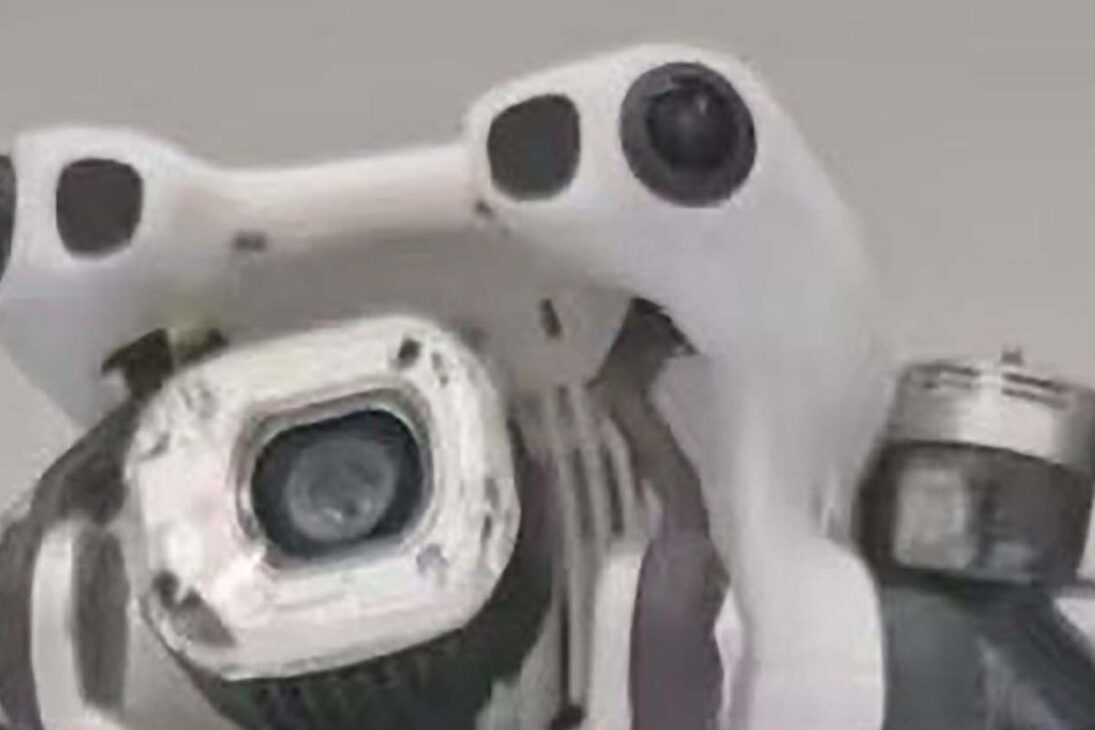
The biggest bet for the launch of the DJI Mini 5 Pro is on the camera. The Mini 4 Pro already features an excellent 1/1.3-inch sensor. However, following DJI’s evolution trajectory and market demand, the strongest expectation is that the Mini 5 Pro will incorporate a 1-inch CMOS sensor.
- What does this mean in practice? A larger sensor captures significantly more light. This translates into a leap in image quality, especially in low-light conditions (dawn and dusk), with less noise and a much superior dynamic range. It would provide the same level of image quality as much larger and more expensive drones, like the Air 2S.
The Evolution of Vision: The Expected APAS 5.0 System (or Higher)
The Mini 4 Pro already has an omnidirectional obstacle detection system. The expectation for the Mini 5 Pro is not only to maintain but to refine this technology. It is highly likely that it will come equipped with the APAS 5.0 system, the same found in more expensive drones like the Mavic 3.
This would allow not only obstacle detection in all directions but also to calculate more complex and smooth diversion routes, making autonomous flight modes, such as ActiveTrack, much more reliable and cinematic, even in complex environments like forests.
Transmission O4 and Autonomy: Flying Further and (A Little) Longer
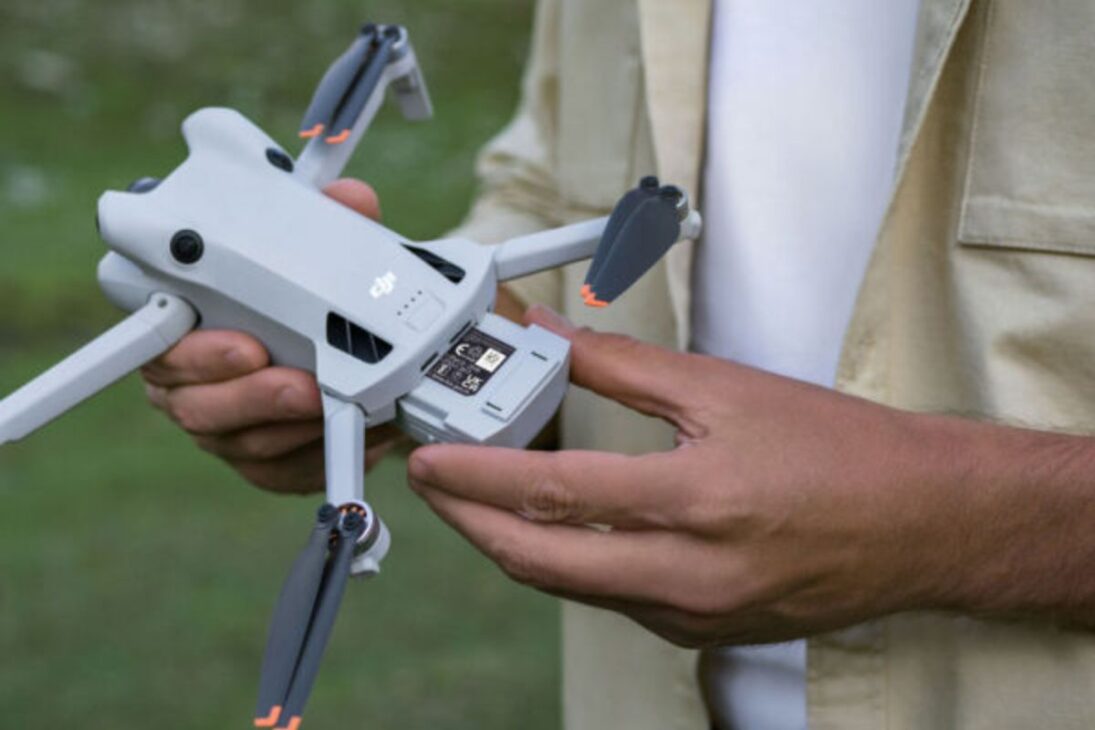
Video transmission technology is one of DJI’s cornerstones. It is expected that the Mini 5 Pro will adopt the OcuSync 4.0 (O4) system, already present in the Air 3. This would ensure a more robust video signal, with lower latency and greater range, even in areas with interference.
As for the battery, chemical and design engineering seeks marginal optimizations. A giant leap is not expected, but based on new motor and software efficiencies, it is plausible to expect that the flight autonomy will exceed the 34-minute mark of its predecessor, perhaps coming closer to 40 minutes in ideal conditions.
Launch and Price in Brazil: What Do the Rumors Indicate?
Analyzing DJI’s history, launches in the Mini line usually occur in the second half of the year. Therefore, a window between September and November 2025 is the safest bet (if the cycle is maintained).
As for the price of the DJI Mini 5 Pro in Brazil, the logic is clear: more technology means a higher cost. It is expected that it will be launched at a price 15% to 25% higher than the launch price of the Mini 4 Pro. The investment will be justified by the leaps in image quality and flight intelligence, consolidating the Mini line no longer as an entry-level drone, but as a compact professional tool.
Based on these projections, what innovation are you most looking forward to in the DJI Mini 5 Pro? The 1-inch sensor, the improved anti-collision system, or more flight autonomy? Place your bet!







Seja o primeiro a reagir!