





 Português
  Inglês
  Espanhol
  8 min de leitura
  0 comentários


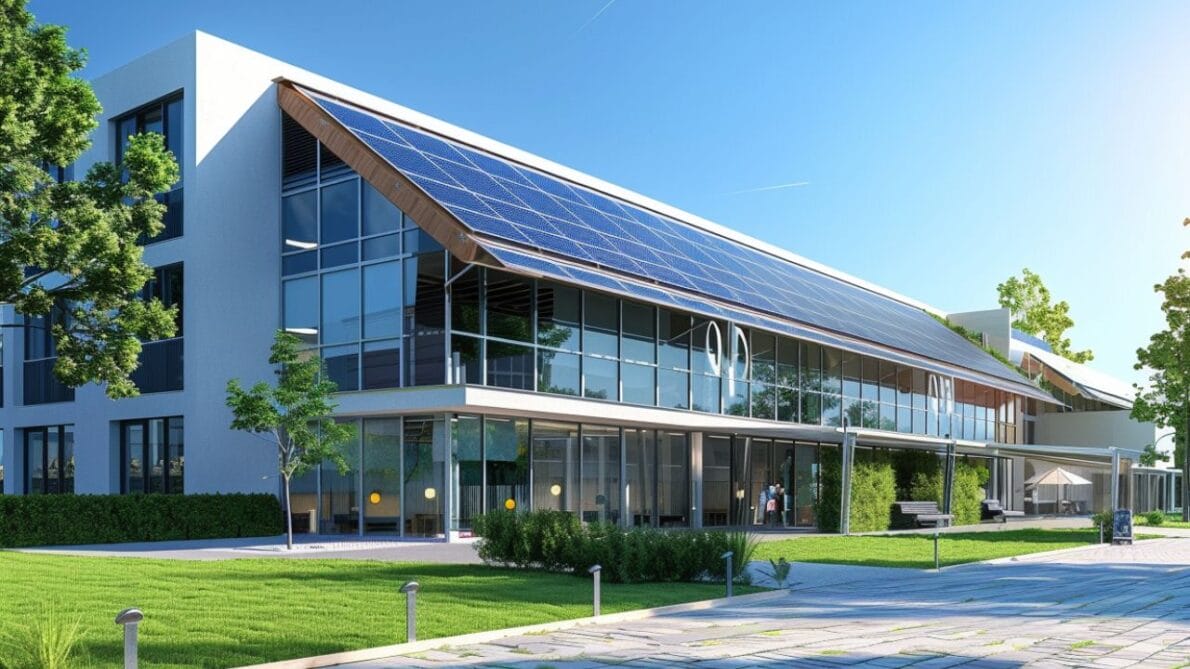
Companies and offices can significantly reduce their energy expenses and contribute to environmental sustainability by adopting solar energy systems, after a careful feasibility analysis and a detailed installation process that includes energy efficiency studies, development and approval of projects with the utility company, and a finalization with the inspection and approval of the installed system.
Companies looking to reduce costs and environmental impact are increasingly adopting solar energy. To understand if this transition is viable, it is essential to analyze current energy consumption and compare it with the minimum capacity charged by the utility company. For example, if a company has a three-phase energy bill with a minimum rate of R$ 40, but the actual bill is R$ 400, installing a solar system may be extremely advantageous, potentially reducing the bill to about R$ 40, representing a 90% savings. We interviewed Bruno Lowczy, an expert with 10 years of experience in the renewable energy sector to help you with this transition.
The process of implementing a solar energy system begins with a detailed study of the company’s energy efficiency, followed by the development of a project that must be approved by the energy utility. After approval, the physical installation proceeds, and finally, the inspection and approval of the system take place. This cycle ensures that all technical aspects are aligned with the specific needs of the company and with current legislation, facilitating a smooth transition to renewable energy generation.
Feasibility for Companies: When Does Solar Energy Become an Advantageous Option?

The adoption of solar energy by companies and offices is economically advantageous primarily when electricity costs significantly exceed the minimum rate charged by the utility company, whether in single-phase, two-phase or three-phase mode. For example, if the minimum rate for a three-phase supply is R$ 40, but the monthly electricity bill reaches R$ 400, implementing a photovoltaic system can drastically reduce this cost to about R$ 40, equivalent to a 90% savings.
-
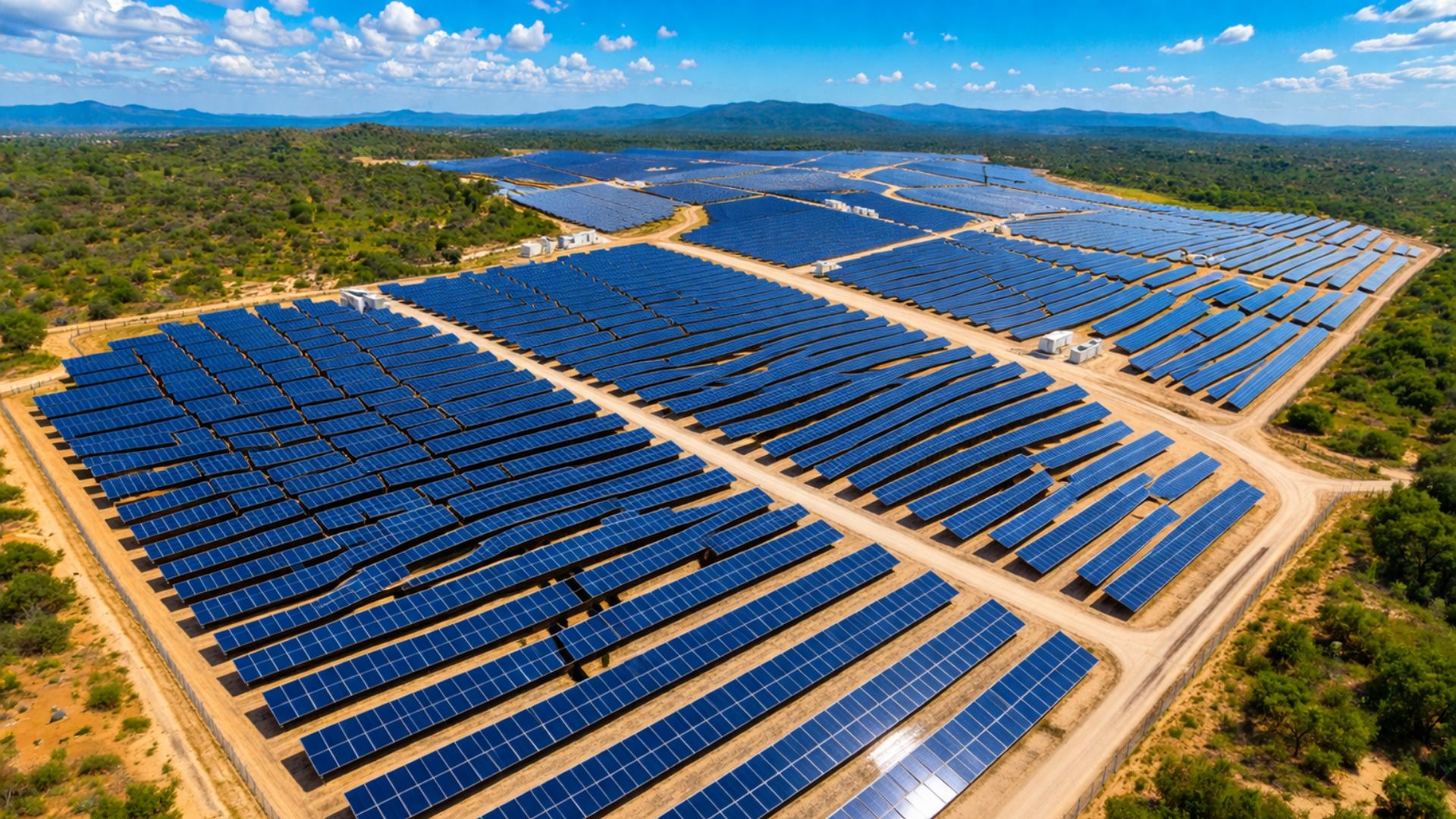
The Sol do Agreste Photovoltaic Complex begins operations in Pernambuco and accelerates the expansion of solar energy in Brazil, directly impacting the reduction of emissions and strengthening the sustainable energy matrix.
-
The Sol do Agreste Photovoltaic Complex begins operations in Pernambuco and accelerates the expansion of solar energy in Brazil, directly impacting the reduction of emissions and strengthening the sustainable energy matrix.
-
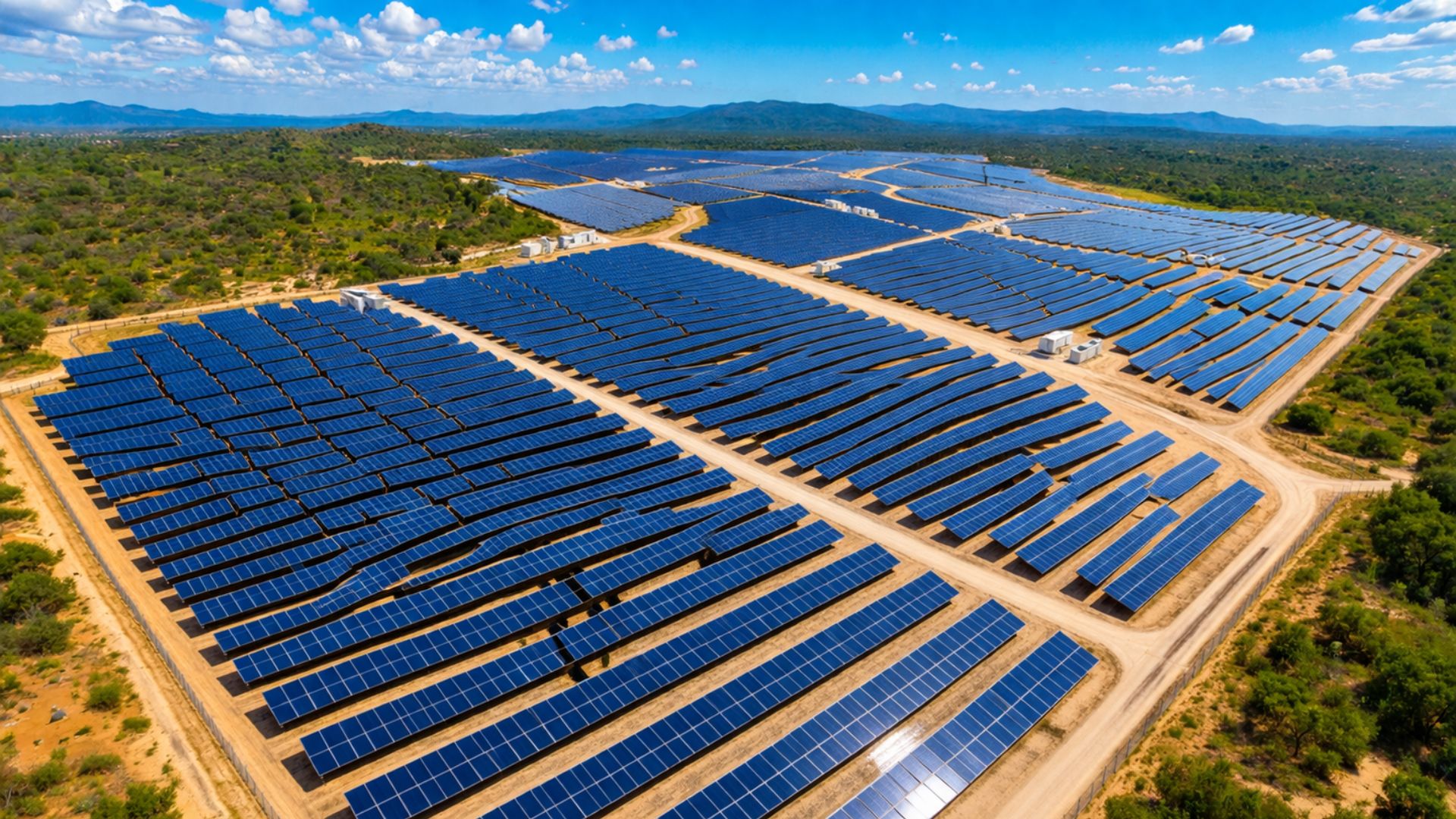
Renewable energy advances over protected areas in Brazil, and a survey by the Energy Transition Observatory reveals silent impacts that challenge environmental conservation and pressure sensitive traditional territories.

-
Rio Grande do Sul accelerates energy transition: State invests in renewable technologies and consolidates decarbonization strategies and pathways to attract billions in new industrial investments.


Multiple feasibility studies must be conducted to analyze the cost-benefit ratio and the payback period, ensuring that the transition to solar energy not only meets the energy needs of the company but also offers an attractive financial return.
Essential Steps for Solar Energy Installation in Companies and Offices
Before starting the installation, it is essential to conduct or update an energy efficiency plan. This plan should identify and eliminate all existing energy waste within the company. This ensures that the capacity of the solar system is well sized and focused on the company’s actual energy needs.
Request a load analysis report from the local energy distributor or take measurements with demand analyzers to understand the energy consumption profile. Additionally, the available area for the installation of solar panels should be evaluated to ensure it meets the solar energy generation needs of the company.
With the collected data, the installation project is developed. This includes sizing the protective devices, correcting physical faults and electrical losses, and defining the necessary electrical connections. The project should then be submitted to the utility company for approval, especially if the system is grid-connected (on-grid).
After the project is approved by the utility company, the installation of components, such as solar panels and protective devices, begins. This step must strictly follow the specifications of the approved project to ensure safety and efficiency.
Once the installation is complete, the utility company conducts a final inspection. If the system complies, approval is granted and the system can begin operating. For on-grid systems, the generated energy credits are added to the company’s energy bill, according to production.
Emphasizing the Importance of a Feasibility Study and Proper Sizing
Conducting a feasibility study is a critical step in the pre-project phase, as it determines whether the property meets the necessary requirements for the installation of an effective solar energy system. This study not only identifies the capacity for solar energy generation that the location can support, but also the projected financial and energy benefits. Proper sizing, in turn, ensures that the generation capacity identified in the feasibility study is fully achieved, avoiding waste and maximizing system efficiency.
Diversifying energy sources based on the consumption profile of the company and its tariff modality is also essential. For example, for businesses with high thermal energy consumption, such as hotels using electric heaters and showers, it may be more advantageous to generate and store thermal energy directly, rather than converting electrical energy into thermal energy, which can lead to significant losses.
Many companies make the mistake of basing the sizing of their solar systems solely on current energy bills, without a detailed analysis of the consumption profile. This superficial approach can result in undersized or oversized systems, which not only fail to meet the energy needs of the business but also incur additional costs and reduced efficiency. Therefore, it is crucial that the sizing be done accurately to avoid such problems and ensure a return on investment as expected.
Explain the Different Types of Solar Systems Available and Which is Most Suitable for Each Type of Company
The choice of the ideal solar system for a company directly depends on its specific energy needs. There are basically two main types of solar systems: thermal and photovoltaic, in addition to systems that combine characteristics of both, known as hybrid systems.
Thermal Solar Systems: these systems utilize infrared rays from the sun to generate heat, which is often used for water heating. Known as solar boilers, they are particularly efficient for companies with high hot water demand, such as hotels or industrial facilities. Choosing thermal systems in these cases can provide a faster return on investment due to their efficiency in converting solar energy into thermal energy.
Photovoltaic Solar Systems: these systems convert sunlight directly into electricity using panels composed of photovoltaic cells. They are ideal for most commercial applications that require electricity to operate lighting, machines, and other electrical devices. This type of system can be configured in two main ways:
- On-grid (connected to the grid): the system is connected to the public electrical grid. It allows any excess energy generated to be sent to the grid, generating energy credits that can further reduce the electricity bill.
- Off-grid (independent of the grid): ideal for remote locations where connection to the electrical grid is unfeasible or too expensive. Requires energy storage systems, such as batteries, to ensure continuous supply.
Hybrid Systems: These combine features of both on-grid and off-grid systems, often including other sources of energy generation, such as diesel. They are suitable for companies that cannot tolerate power interruptions and require a reliable and constant energy solution.
The choice between these systems should consider factors such as the company’s energy consumption profile, geographical location, available installation space, and of course, the economic analysis of the investment.
Investment and Return: Calculating the Necessary Investment and Payback Period for Solar Energy Investment
The initial investment required to install a solar energy system varies primarily according to the size and technical specifications of the chosen system. To understand the return on this investment, it is crucial to consider both the initial cost and the savings generated over time.
Suppose that before installing the solar system, your company spent R$ 400 monthly on energy. With the solar system, the energy cost drops to R$ 40 per month. Thus, the monthly savings would be R$ 360, resulting in an annual saving of R$ 4,320.
If the total cost of the installed system was R$ 16,000, the estimated payback period for recovering the initial investment would be approximately 4 years, considering only the direct savings on energy.
A typical solar system has a lifespan of about 20 years. Therefore, after the payback period, you would continue to save on the energy bill for many years. In the given example, after the first 4 years, you would have another 16 years of savings, which could total approximately R$ 69,120 in energy savings over the lifespan of the system.
Regulations for Solar Energy Installation in Companies in Brazil
The installation of photovoltaic systems in Brazil is regulated by a series of technical standards and laws that ensure the safety, efficiency, and compliance of the systems. Here are the main regulations that companies must follow:
ABNT Technical Standards:
- ABNT NBR 16274:2014 – Establishes minimum requirements for documentation, commissioning tests, inspection, and performance evaluation of grid-connected photovoltaic systems.
- NBR 16690:2019 – Defines the design requirements for electrical installations of photovoltaic arrangements.
- ABNT NBR 5410:2004 Corrected Version:2008 – Details electrical installations for low voltage, applicable to both residential and commercial and industrial establishments.
Ministry of Labor Regulations:
- NR-10 – Safety in electrical installations and services, crucial for ensuring the proper handling and operation of electrical installations.
- NR-33 – Safety and health in work in confined spaces.
- NR-35 – Regulatory standard for work at heights, applicable during the installation of solar panels.
Federal Legislation:
- LAW NO. 14,300, of January 6, 2022 – Establishes the legal framework for micro-generation and mini-generation distributed, the Electric Energy Compensation System (SCEE) and the Social Renewable Energy Program (PERS). This law also amends previous legislation related to energy, strengthening the legal framework for the adoption of renewable energy.
In addition to following these norms and regulations, it is essential that companies consult and follow the specific instructions of the local energy distributor to ensure that all installation, operation, and maintenance stages of photovoltaic systems are in compliance.
How to Select Reliable Partners for Solar Energy Installation and Maintenance
To ensure quality and safety in the installation and maintenance of solar energy systems, it is crucial to choose suppliers and professionals with the appropriate credentials. Here are some guidelines to assist in the selection:
Check if the professionals have relevant diplomas or certificates and are registered with the appropriate professional councils in your region. This ensures that they have the necessary technical training and are legally qualified to perform the services.
Look for professionals who have completed professional qualification courses specific to photovoltaic system installers or electricians specialized in solar installations. Such courses are crucial for developing specific technical skills related to the type of solar installation.
Prefer companies that are members of recognized associations such as ABESCO (Brazilian Association of Energy Conservation Service Companies) and ABSOLAR (Brazilian Association of Photovoltaic Solar Energy). Membership in such entities indicates that the company adheres to standards of quality and professional ethics, in addition to keeping up-to-date with best practices and innovations in the sector. To talk to Bruno Lowczy (11 97656-1952) or on LinkedIn.










Seja o primeiro a reagir!