





 Portuguese
  English
  Spanish
  4 min of reading


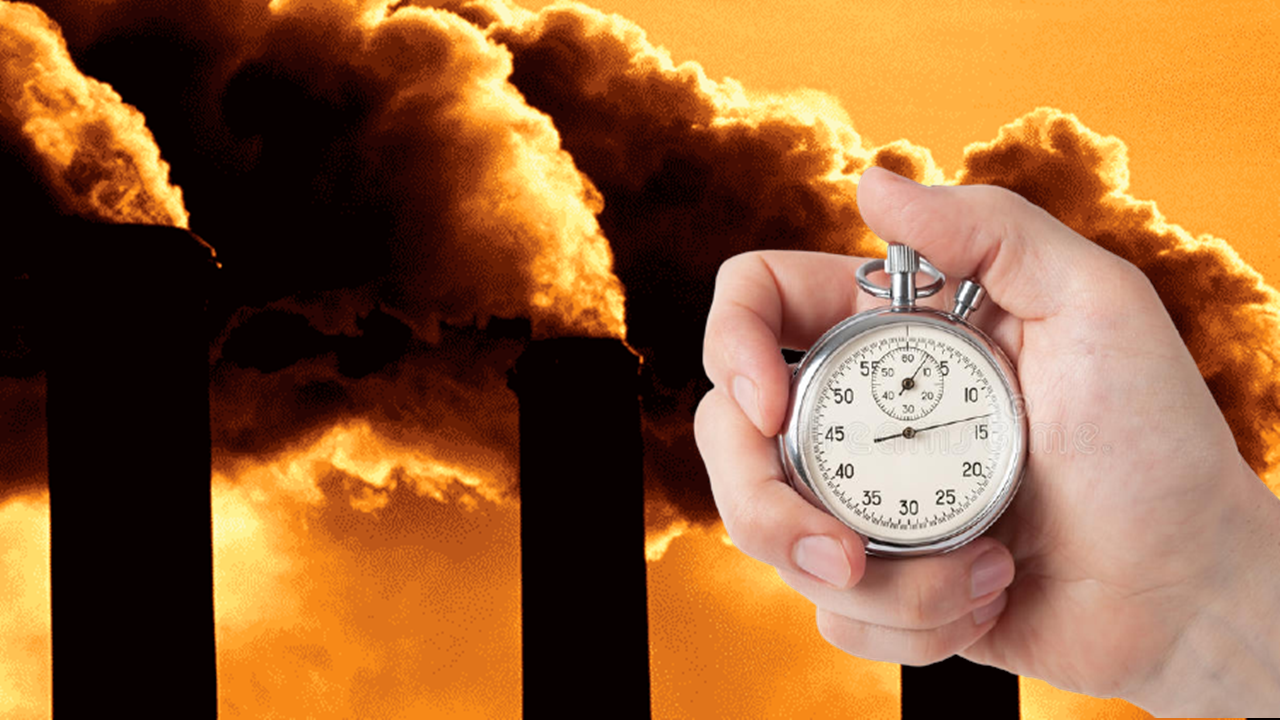
Extreme Cold, Heat Waves, Sea Level Rise. Lives at Risk and Economy in Collapse. What Could Be Worse Than These Possible Scenarios That Are So Tragic? What Seems Like Scenes from an Apocalyptic Movie Is Actually Where Humanity Is Headed, According to the UN.
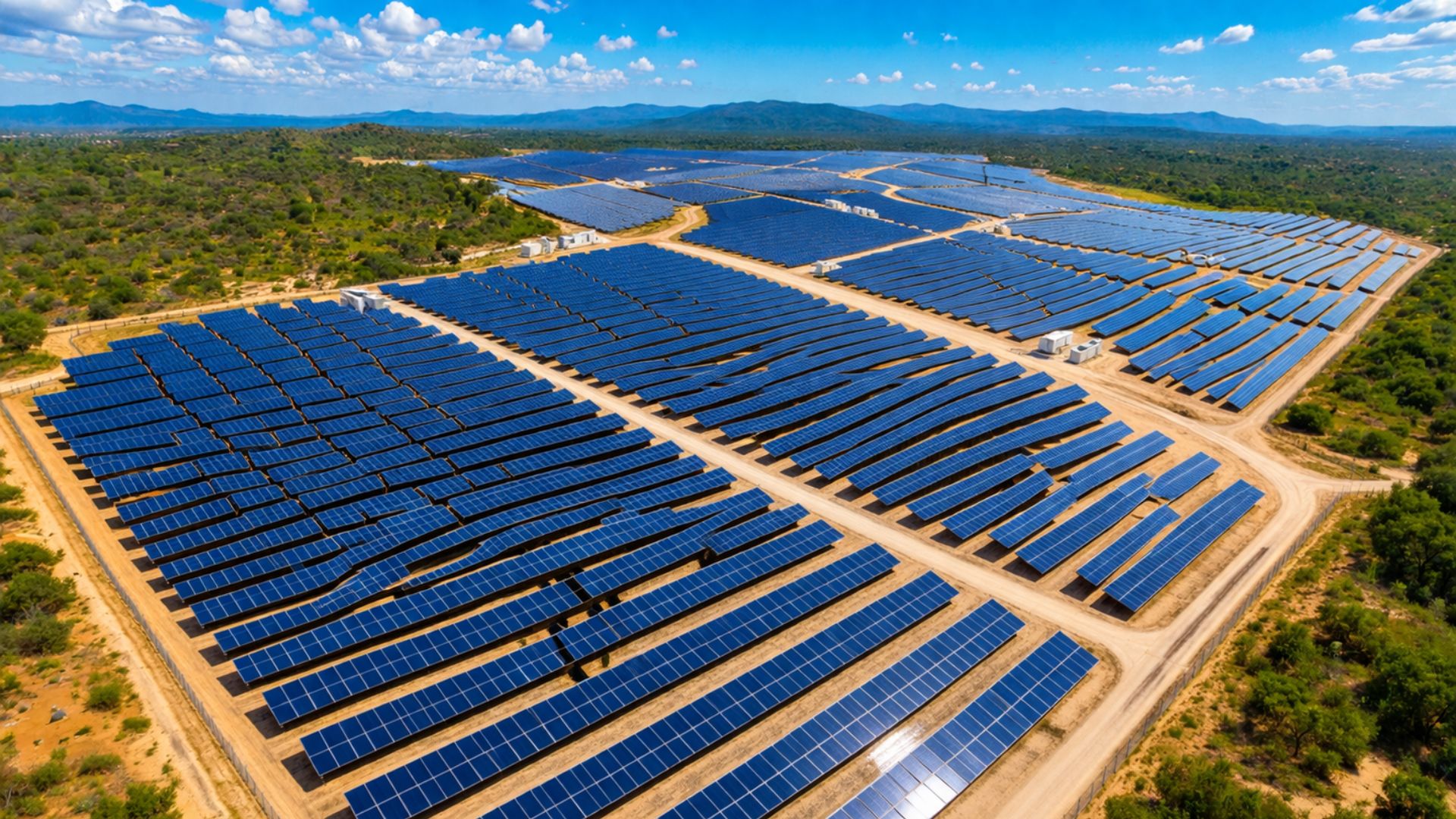
The announcement of a “climate catastrophe” was made by British Minister and President of the 26th UN Climate Change Conference (COP26), Alok Sharma, as a final warning. The arrival of the bill for years of dependence on fossil fuels like oil and gas. Despite several alternatives such as renewable energy, including solar and wind energy.
Read More
- UN Chooses Brazil to Lead Global Energy Debate
- Oil Reigns in Brazil: Rich in Natural Resources, the Country Aims to Double Oil Production to Become the Fifth Largest Global Exporter, Going Against the Global Trend of Phasing Out Fossil Fuels in the Energy Transition
COP26 is an annual meeting. In 2021 it starts on November 1st. It is part of the UN Framework Convention on Climate Change, bringing together 197 nations to discuss climate change and how countries intend to combat it.
World Only Has Until 2030 to Reduce Dependence on Fossil Fuels
In September 2015, representatives from the 193 UN member countries met in New York to adopt the document “Transforming Our World: The 2030 Agenda for Sustainable Development” (A/70/L.1). The nations committed to adopting practices concerning sustainable development without fossil fuels.
-
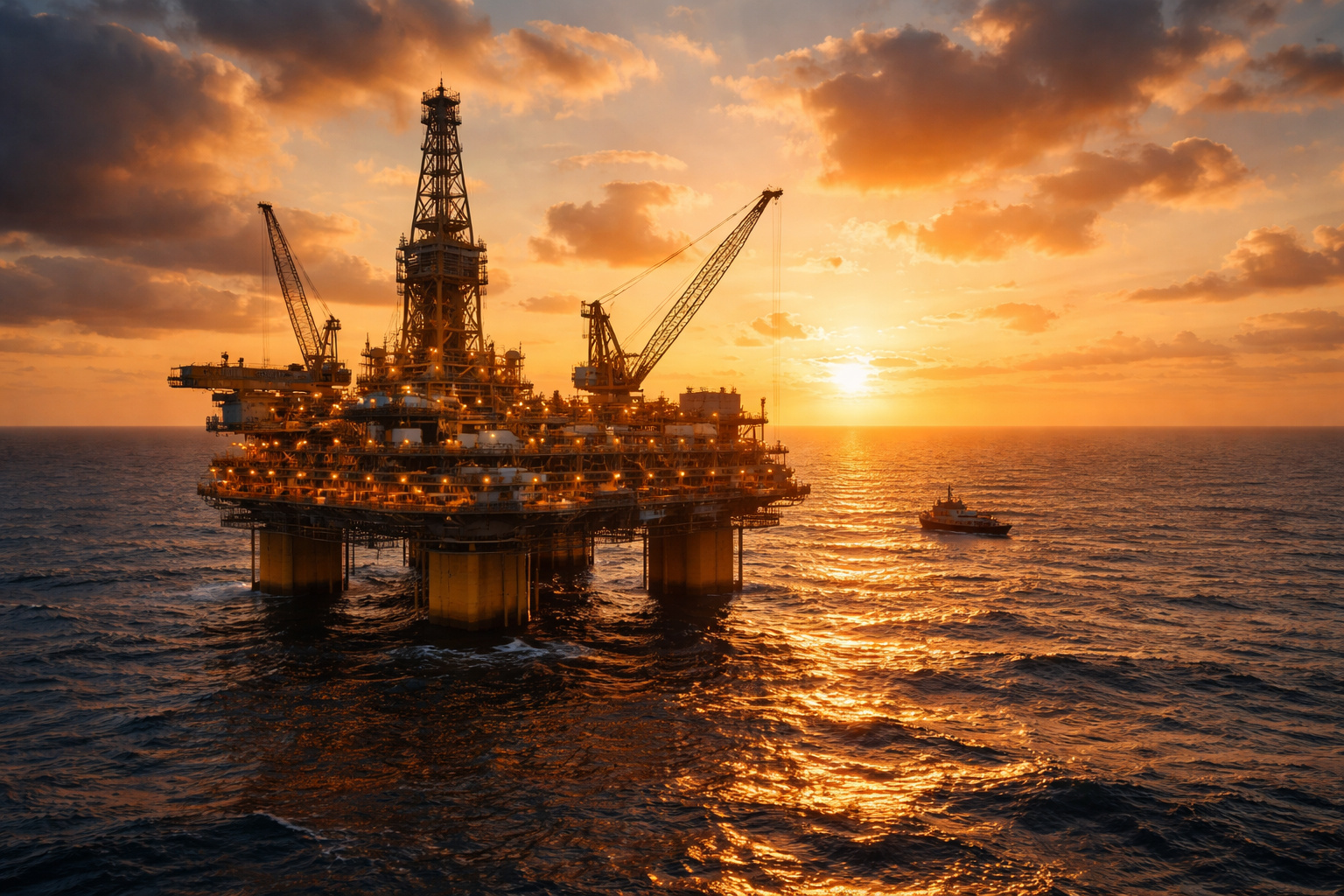
Brazilian giant expands borders in the Southeast: Petrobras confirms new oil discovery in ultra-deep waters in the pre-salt of the Campos Basin.

-
Alert in the global energy market: Severe tropical cyclone hits the coast and disrupts gas production at major plants in Australia, threatening global supply.

-
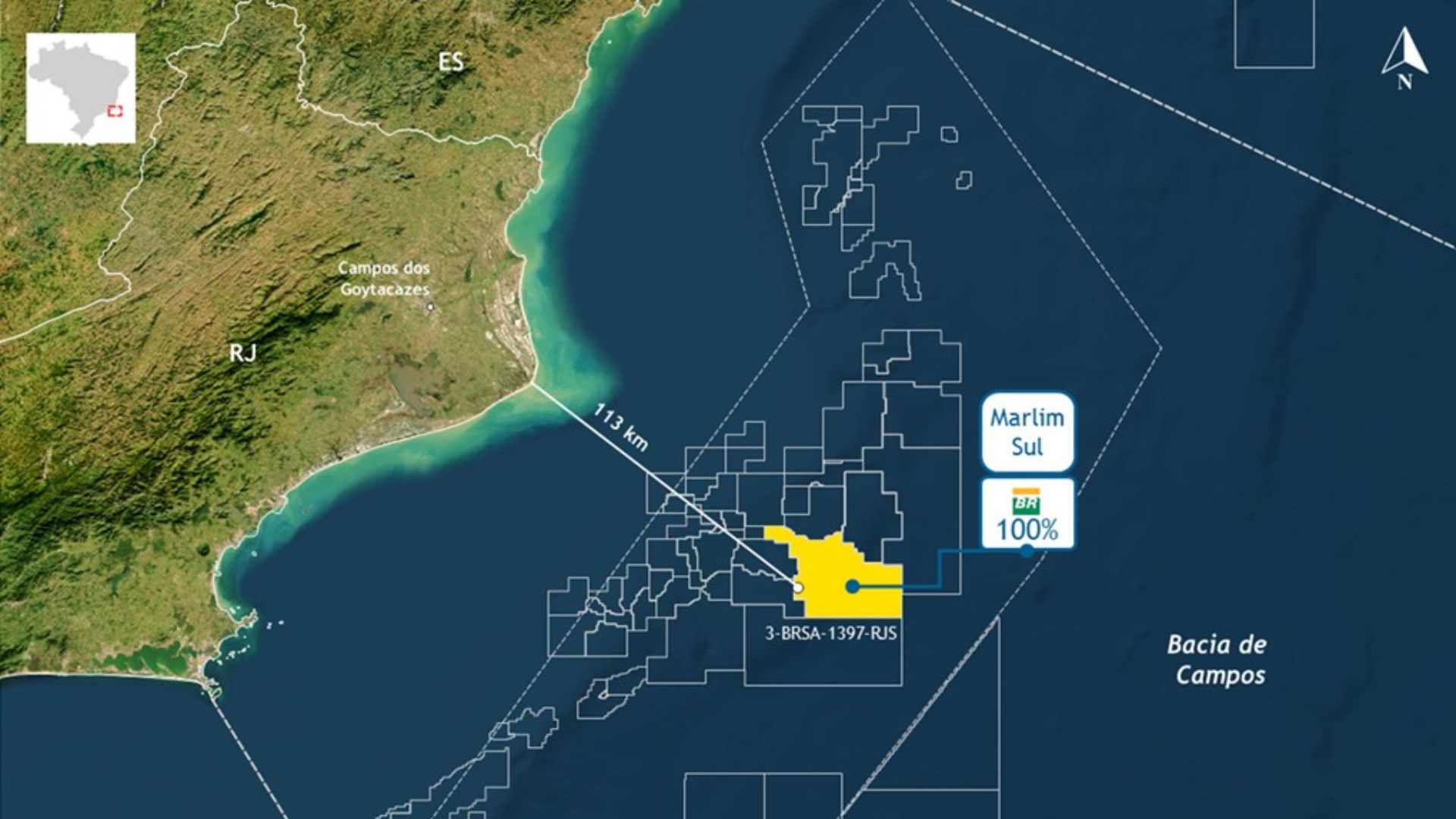
Petrobras finds high-quality oil in the pre-salt at 113 km from RJ and reignites expectations about strategic reserves in the Campos Basin.
-
Ocyan opens registrations for startups focused on innovation in the oil and gas sector and will select projects for Innovation Day with the support of Nexio.


Despite the skepticism of oil and gas sector experts, the goal is to reduce dependence on fossil fuels in all sectors of the economy, as fossil fuels are the main cause of global warming.
According to Alok Sharma, stating that the planet is on the brink of a climate catastrophe means that “there’s no other word for it” and that COP26, which will take place in Scotland, is among the last chances to limit global warming and save lives. The interview happened with the British newspaper The Observer.
Temperature Keeps Rising and Accelerates Climate Catastrophe
Moreover, Alok Sharma, one of the UN leaders, announced that a climate catastrophe is, therefore, the strongest warning that human behavior and the lack of practices to adopt renewable energies are accelerating global warming in a worrying way. “We cannot wait two years, five years, ten years. This is the moment,” he commented.
Even with the pandemic, there was an increase in the average temperature of 1.25 ºC compared to the pre-industrial era, the highest ever recorded. The year 2020 was already tied with 2016 as the hottest year in history, according to the European Union’s Earth Observation Programme.
According to the UN, the average temperature of the planet from 2021 to 2025 is on track to become the highest since the period of 2016-2020.
The study, which compiles data from the leading climate projection models in the world, indicates that the probability of the average over the next five years exceeding that of the last five is already 80%.
In Brazil, the deforestation accumulated between August 2020 and July 2021 in the Amazon is already the third highest in the historical series, which began in 2015, according to the National Institute for Space Research (Inpe), linked to the Ministry of Science.
July ended with 1,417 km² of deforestation in the Amazon. Pará and Amazonas occupy first and second place in this sad ranking among the most affected states, with 498 km² and 402 km², respectively.


The Link Between Deforestation, Drought, and Increased Dependence on Fossil Fuels
Brazil is facing the worst water crisis in the last 90 years. The drought affecting reservoirs that serve for electricity production is related to the deforestation of the Amazon rainforest.
The fewer trees there are to absorb rain from the Atlantic and emit moisture for precipitation, naturally, there are fewer rain-laden clouds to supply the reservoirs. In other words, humans are not significantly adopting solar and wind energy while also causing damage to nature.
To avoid blackouts, hydropower plants have to be activated to supply energy to the country. The problem is that they require fossil fuels to operate. The dependence on oil remains significant. And thus we must reflect: is it possible to eliminate pollutant gas emissions by 2030, or is climate catastrophe more likely to occur?







Seja o primeiro a reagir!